
Reviewed · SAPA TREKKING TOURS
Hanoi: 3-Day Sapa Trek Secret Trails, Waterfall, Stay in Villages
One reason Sapa hits different: you walk with locals. This 3-day trek from Hanoi focuses on village visits in Cat Cat, Lao Chai, Ta Van, and more, plus big mountain scenery along less-traveled paths. I like the practical pacing and the home-cooked meal idea, with time built in for you to slow down and enjoy it. One consideration: you need moderate fitness for several uphill/downhill sections, and muddy weather can make shoes earn their keep.
This is the kind of trip that feels human, not rushed. You’ll go past the postcard spots and spend time with ethnic communities—Hmong, Dao, and Giay—learning daily life, farming, and traditional textiles while your guide handles the logistics.
In This Review
- Key Things I’d Focus On Before You Go
- Sapa From Hanoi, Without the Usual Day-Trip Chaos
- Price and What You Actually Get for $163
- Day 1: Cat Cat Downhill to Terraces, Then the Uphill Back
- Start in Sapa with food and a real landing
- Cat Cat Village trek: downhill first, photos later
- Return to Sapa: 4 km uphill, different views
- Day 2: Y Linh Ho, Lao Chai, and Ta Van for Culture You Can Actually Talk To
- Y Linh Ho Village: a peaceful start to the day
- Lao Chai: Hmong community life and natural-dye textiles
- Ta Van: Hmong and Giay, bamboo groves, and river paths
- Day 3: Bamboo Forest Morning and Panoramic Rice-Field Views Before Hanoi
- Outdoor breakfast with terraced views
- Trek through a bamboo forest
- Back to Sapa, shower, then shuttle to the bus office
- What the Villages and Homestays Feel Like at Night
- Trekking Reality: Pace, Gear, and Weather Changes
- Guides Matter Here: Clear English, Clear Culture
- Who Should Book This Sapa Trek (and Who Might Skip It)
- Should You Book This Secret Trails Sapa Trek?
- FAQ
- FAQ
- How long is the Sapa trek experience?
- What’s included in the price?
- Are vegetarian meals available?
- How physically demanding is the trek?
- Which villages are part of the trek?
- Is there any time to relax on your own?
- What kind of accommodation will you have?
- What should I pack for the trek?
- What happens if the weather is bad?
- How big is the group?
Key Things I’d Focus On Before You Go
- Small group size (max 15) helps you move together without feeling like cattle
- English-speaking local guides like Kien and Hoai are praised for cultural context and clear trail guidance
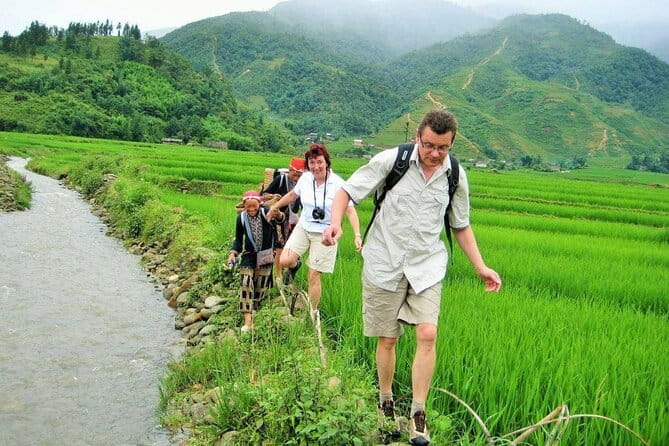
- Secret trails + changing scenery: terraced rice fields, bamboo forest walks, and waterfall views in the mix
- Homestays in villages with included meals means you’re not just sightseeing and leaving
- Vegetarian meals available on request, which is a real quality-of-life win on trek days
Sapa From Hanoi, Without the Usual Day-Trip Chaos
Most Hanoi-to-Sapa plans feel like a sprint: bus, views, maybe one village, then back again. This itinerary is built differently. You’re traveling by sleeping bus and you’re not just landing in Sapa for a quick look. The trip is paced so you can actually absorb what you came for: mountain walking plus real village encounters.
You also get a local guide, which matters here. Sapa’s villages are not a theme park. The best moments come from conversations and small observations—how families farm terraced slopes, how people work with cloth, and how daily routines shape what you see on the trail.
If your goal is “pictures,” you’ll still get plenty of those. If your goal is to understand the place beyond the view, this plan is much more aligned.
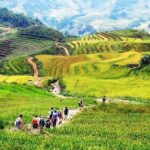
More trails through the Sapa valleys

Price and What You Actually Get for $163
At $163 per person for about 3 days, the value comes from what’s included—not just the trekking.
Here’s what you’re paying for in practical terms:
- All entrance fees, trekking activities, and village visits (so your day doesn’t get chopped up by extra payments)
- Meals built into the itinerary (3 lunches, 2 dinners, 2 breakfasts) and the chance to request vegetarian food
- Bottled water
- A strong guide component, specifically an enthusiastic, experienced English-speaking local guide (other languages available on request)
- Transport from Hanoi, using an air-conditioned sleeping bus with a safe driver
- Homestay-style accommodation in the village experience (the tour emphasizes cozy stays)
The big thing: you’re not managing logistics in between. You’re just showing up with the right shoes and energy.
Not included is standard stuff: tips for your guide and personal beverages/expenses. If you’re the type who always tips and always buys drinks on trek days, budget a little extra.
Day 1: Cat Cat Downhill to Terraces, Then the Uphill Back
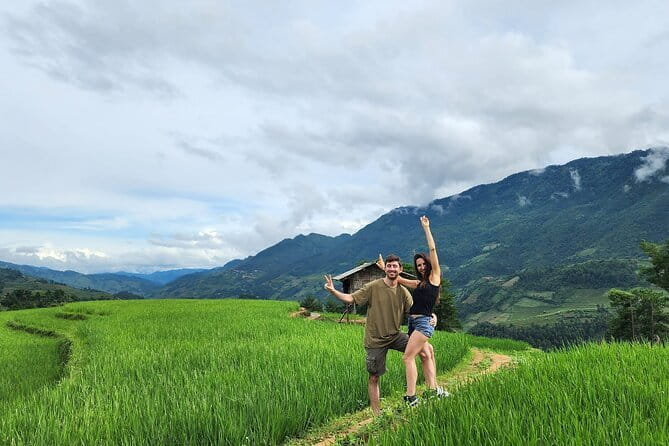
Day 1 is a strong “orientation day.” You land in Sapa, eat, check in, and then the walking starts.
Start in Sapa with food and a real landing
You’ll be picked up from the bus office in Sapa, then you get lunch and check-in time. That helps a lot. Trek days go smoother when you’re not hungry and scrambling for a place to change or rest.
Cat Cat Village trek: downhill first, photos later
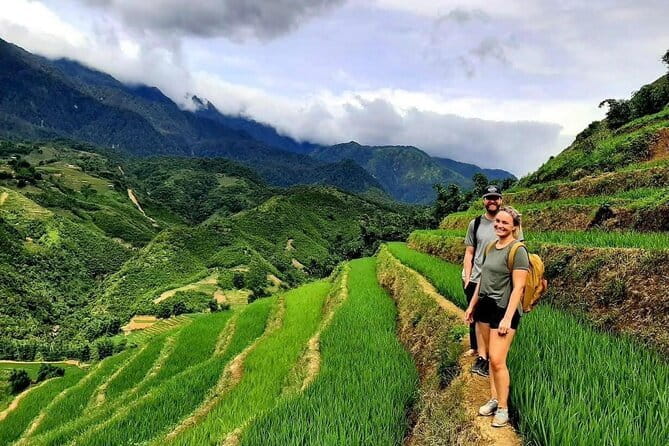
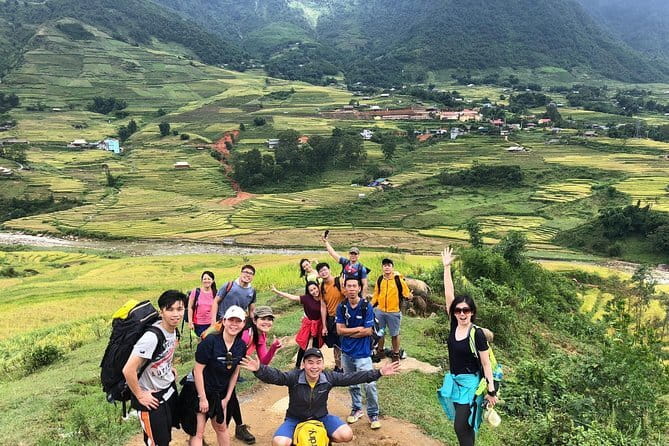
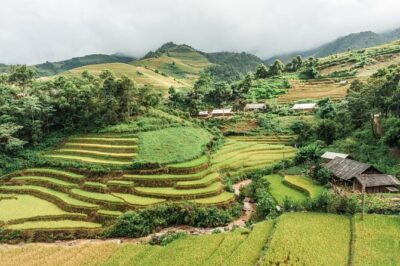
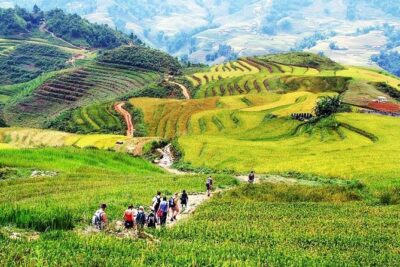
At around 2:30 pm, you begin a trek from Sapa town down to Cat Cat Village. The walk is about 3 kilometers downhill and is described as surrounded by terraced rice fields and misty mountains. Downhill on the early afternoon can be a nice sweet spot: you’re warmed up, but you’re not battling darkness or fatigue.
This is also one of your photo windows. Your guide will likely choose pauses where views open up, and you’ll have time to take it all in without feeling rushed.
Worth a glance beside this Hanoi pick:
- Halong Bay Full Day with Kayaking, Hiking viewpoint, Cave – Deluxe To Luxury★ 5.0 · 884 reviews
- From Hanoi: 2-Day Sapa Trekking Trip with Homestay & Meals★ 4.8 · 704 reviews
- Sapa 3 Days 2 Nights Trekking Tour (1 Night In Ta Van Village, 1 Night In Hotel)★ 5.0 · 699 reviews
Return to Sapa: 4 km uphill, different views
At about 5:30 pm, you head back toward town on a 4-kilometer route that feels different because you’re ascending. You’re still in the same terrain story—green trails, terraces, quiet paths—but you’ll notice the change in effort. It’s not technical hiking; it’s just honest mountain walking.
Then you get dinner and free time. That free time matters. It’s how you reset your legs, plan your next day, and stay flexible if you want to explore Sapa a bit on your own.
Possible drawback on Day 1: your energy level will decide how much you enjoy the uphill return. If you go hard on lunch-time sightseeing or underestimate the afternoon heat, the hike back can feel longer than you hoped. Wear grippy shoes.
Day 2: Y Linh Ho, Lao Chai, and Ta Van for Culture You Can Actually Talk To

Day 2 is where the trip leans hardest into village life. You wake up early, eat breakfast, and start trekking at about 8:30 am.
Y Linh Ho Village: a peaceful start to the day
You’ll trek to Y Linh Ho Village (around 3 hours of walking). It’s described as serene and known for a 100-year-old landmark. Even if you’re not a “history person,” these kinds of details help your guide connect the dots between people, place, and time. You’re not just walking through scenery—you’re being given anchors.
Lao Chai: Hmong community life and natural-dye textiles
From there, you move on to Lao Chai, often described as the heart of the Hmong community. This stop is about daily life: farming practices and observation of traditional textile work.
A standout detail here is the mention of natural indigo dye. That’s the kind of thing that makes you look closer when you see clothing and patterns—not just notice the color, but understand what it took to get there.
Ta Van: Hmong and Giay, bamboo groves, and river paths
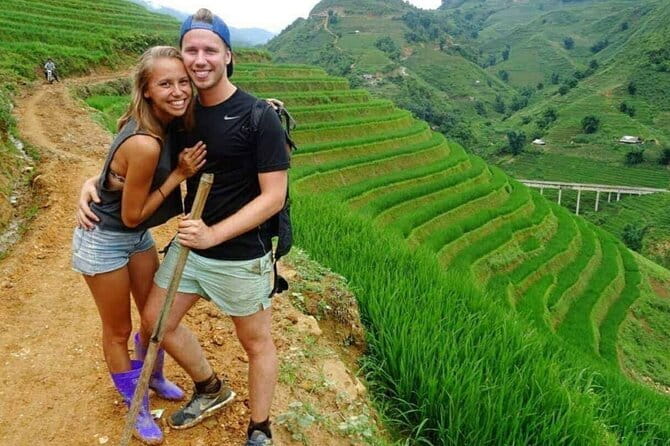
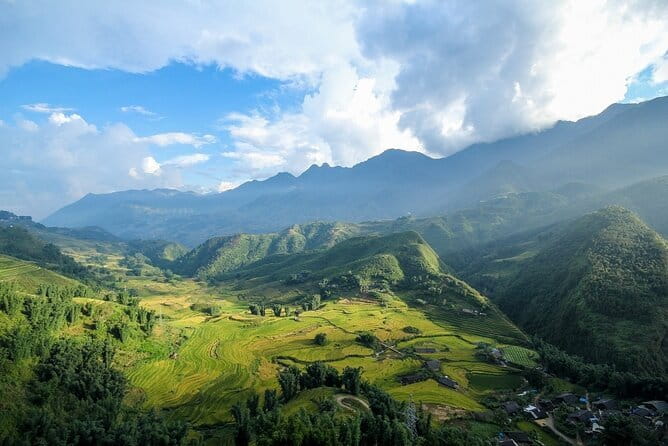
Next is Ta Van Village, a community shared by Hmong and Giay people. The route is described with bamboo groves, meandering rivers, and rural charm. This is the day’s “slow down” segment. Bamboo walks can be cooling underfoot, and river sounds often make the trek feel less like a workout and more like a walk with a purpose.
This is also the day you’ll get the most value out of conversation. The trip is designed for cultural exchange, not just photo stops. If you’re curious and ask good questions, you’ll probably remember more than the view.
Day 3: Bamboo Forest Morning and Panoramic Rice-Field Views Before Hanoi
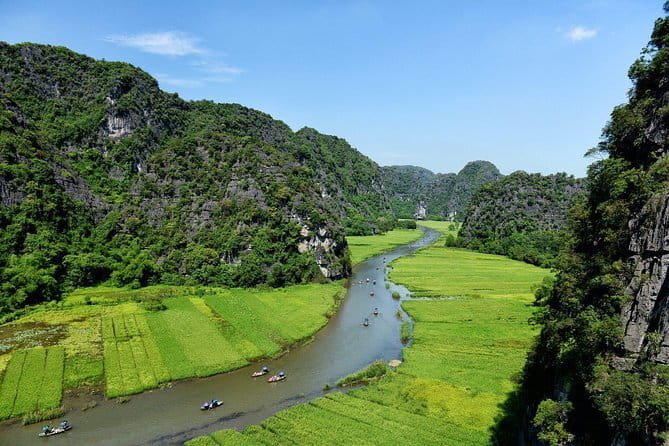
Day 3 keeps the walking light-to-moderate, with good scenery payoffs and a graceful exit back toward Hanoi.
Outdoor breakfast with terraced views
You start around 7 am with an outdoor breakfast. It’s described as giving panoramic views of terraced rice fields. Breakfast-with-a-view is not just pleasant—it helps your mood. You’re not rushing straight into the climb. You’re getting that sense of “this is why we’re here.”
Trek through a bamboo forest
At about 8:30 am, you trek through an enchanting bamboo forest. This is where the trip’s “secret trails” identity starts to feel real. Bamboo corridors can make routes feel calmer and quieter, and they also change the air temperature as you move.
You’ll get time to listen to nature sounds and let the guide point out things you’d miss alone. Even on a short trek, those moments are what make the day feel more than a checklist.
Back to Sapa, shower, then shuttle to the bus office
By around 2 pm, you return to Sapa town. You’ll have time to shower and freshen up before your shuttle takes you to the bus office and you head back toward Hanoi. You’ll also get a packed snack to keep the travel stretch from becoming a food emergency.
If you’re planning how your overall trip feels, Day 3 is a good landing: enough hiking to feel accomplished, but not so much that you’re wrecked before the return.
What the Villages and Homestays Feel Like at Night
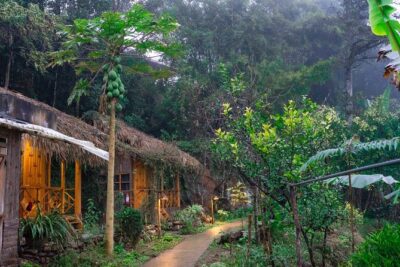
This tour is built around staying in villages through cozy homestays. That’s part of the authenticity here.
Here’s what that typically means for you:
- You’re closer to daily routines, not tucked into a separate, “tourist-only” bubble.
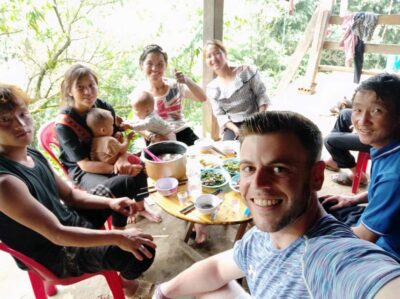
- Meals are included and described as reflecting regional culinary traditions, with vegetarian options available on request.
- Accommodation is described as simple. That’s not a red flag; it’s just a tradeoff. You’re choosing character over hotel polish.
Based on the trip’s feedback, the homestay simplicity is understood as part of the experience. It’s the price of admission for sleeping somewhere that feels like it belongs to people—not marketing.
If you’re someone who needs very high comfort standards (quiet, consistent hot water, big beds), I’d treat that as a “think it through” moment. If you’re flexible, you’ll likely find the whole day feels more meaningful.
Trekking Reality: Pace, Gear, and Weather Changes
This is active travel. The tour is designed for travelers with moderate physical fitness. That doesn’t mean you need to be a mountain athlete, but it does mean you should be comfortable walking on uneven terrain and feeling your calves on uphill sections.
A few practical notes that matter:
- Wear comfortable shoes and trekking-friendly clothing.
- Bring a small backpack, hat, sunglasses, a water bottle, and mosquito spray.
- Plan for good weather being important. The tour notes it depends on conditions, and if poor weather forces changes, you’ll be offered a different date or a full refund.
That weather line is not small talk. In Sapa, rain can turn paths slick and change what feels like a 3–4 hour walk into a slower, more careful trek. The good news: your guide will help manage the day, and the trip is small enough (max 15) for that guidance to work.
Guides Matter Here: Clear English, Clear Culture
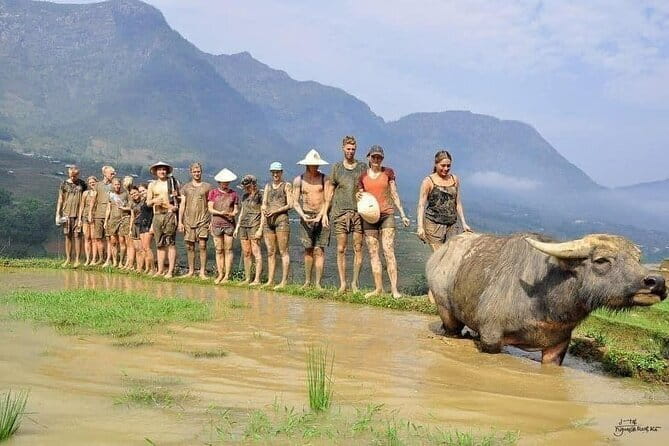
One of the most praised parts of the experience is the guidance. In particular, guides such as Kien and Hoai are mentioned as helpful and enthusiastic, with strong English and attention to trail details and cultural context.
In real life, that means you get more than directions. You learn why you’re stopping where you’re stopping. You also get context for what you see in textiles, farming, village life, and the rhythm of the region.
When a guide is good, the trek feels “earned.” You’re not just walking; you’re making meaning with every turn.
Who Should Book This Sapa Trek (and Who Might Skip It)
This works best for you if:
- You want village life as a central part of the trip, not a side quest
- You like guided walks where culture questions are part of the day
- You’re okay with homestay-style simplicity
- You want a small-group experience (max 15)
You might want a different option if:
- You hate uphill walking, even mild uphill, and want only flat strolls
- You need hotel-level comfort every night
- You’re very weather-averse and can’t be flexible with plans if conditions change
Should You Book This Secret Trails Sapa Trek?
If you’re choosing between Sapa as a checklist stop and Sapa as a real experience, I’d lean toward booking. The combination of secret trails, village visits across multiple communities, and included meals plus transport makes it feel like a complete package rather than a patchwork itinerary.
Just be honest about one thing: your body. If you’re comfortable walking several hours over uneven paths and you bring proper shoes, you’ll probably have a great time. If not, you’ll feel every step in the wrong way—and Sapa deserves better than suffering.
FAQ
FAQ
How long is the Sapa trek experience?
It’s scheduled for 3 days.
What’s included in the price?
The price includes entrance fees, trekking activities and village visits, bottled water, meals listed in the itinerary (with vegetarian available on request), and an English-speaking local guide. It also includes transport from Hanoi and air-conditioned sleeping bus travel.
Are vegetarian meals available?
Yes. Vegetarian food is available on request.
How physically demanding is the trek?
The tour is for travelers with moderate physical fitness. You’ll have several walking segments that include both downhill and uphill portions.
Which villages are part of the trek?
Key village stops include Cat Cat Village, Y Linh Ho, Lao Chai, Ta Van, and Giang Ta Chai Village.
Is there any time to relax on your own?
Yes. The itinerary includes free time after dinner on Day 1, and you’ll also have time to shower and freshen up on Day 3.
What kind of accommodation will you have?
You’ll stay in cozy homestays in the village setting.
What should I pack for the trek?
Wear comfortable trekking shoes and bring a small backpack, hat, sunglasses, a water bottle, and mosquito spray.
What happens if the weather is bad?
The tour requires good weather. If it has to be canceled due to poor weather, you’ll be offered a different date/experience or a full refund.
How big is the group?
The maximum group size is 15 travelers.
More Hiking & Trekking in Hanoi

More Tour Reviews in Hanoi




More Sapa Treks We Walked
Latest Hanoi write-ups from our team





Sapa Trekking Tours, compared.
 ★ 5.0Sapa 2 Days 1 Night From Hanoi – Overnight in Ta Van VillageFrom $592,669 reviews
 ★ 5.0Hanoi – Sapa 2 Days 1 Night Overnight At HomestayFrom $89899 reviews
 ★ 5.0Sapa: Fansipan Cable, Cat Cat Village & Moana Instagram TourFrom $30777 reviews
 ★ 4.8From Hanoi: 2-Day Sapa Trekking Trip with Homestay & MealsFrom $71704 reviews
 ★ 5.0Sapa 3 Days 2 Nights Trekking Tour (1 Night In Ta Van Village, 1 Night In Hotel)From $139699 reviews
 ★ 5.03-Day Trekking Adventure of Sapa from Hanoi – Stay Ta Van VillageFrom $109611 reviews
 ★ 4.82-Day Sa Pa Ethnic Homestay Tour & Trek with Limousine Bus440 reviews
 ★ 5.0Sapa 2 Days 1 Night From Hanoi – Overnight in HotelFrom $89440 reviews
Browse the lists this tour appears in