
Reviewed · SAPA TREKKING TOURS
From Hanoi: Trek and Stay: 3-Day Sapa Highlands Adventure
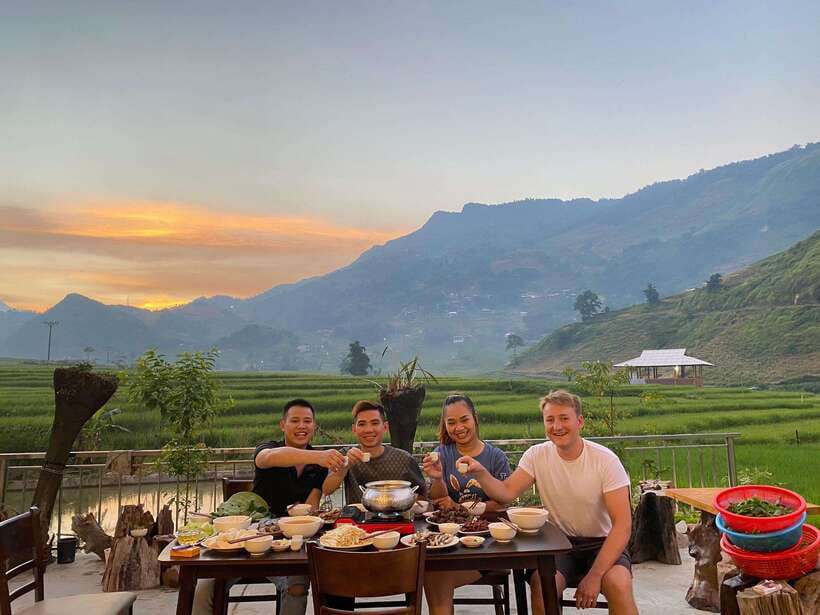
Sapa feels real on foot. I loved the English-speaking local guides (from Pang to Khu Ly to Phinh) who explain what you’re seeing as you walk, and I loved the Ta Van homestay, where the evening doesn’t feel like a stage set. One thing to keep in mind: the Hanoi–Sapa sleeping bus can feel tight and crowded if you’re picky about comfort.
Day 1 lands you in Sapa and mixes a short trek with a couple of cultural stops: Cat Cat (including the waterfall area and the Hydraulic Power Station) before heading to Sin Chai for the evening. On Day 2, you start with a longer stretch—think 6 km to Y Linh Ho—then keep moving through Lao Chai and down to Ta Van for lunch and your homestay night.
Day 3 is your big finish: a walking day that includes Giang Ta Chai (Red Dao) and Supan, plus a return to Hanoi around 21:00. If you like structure, good guides, and real village time more than luxury, this is a very solid value.
In This Review
- Key things that make this Sapa trek work
- Day 1: Hanoi to Sapa, Cat Cat Village, and Sin Chai at dusk
- Day 2: Y Linh Ho and Lao Chai walking, then lunch and overnight in Ta Van
- Day 3: Giang Ta Chai (Red Dao), Supan, then back to Hanoi
- Guides make or break a Sapa trek: the names you’ll hear
- Trekking reality check: mud, layers, and how to feel comfortable
- Price and logistics: is $98 good value, and what can surprise you?
- Holiday and solo traveler costs you should plan for
- Who this Sapa trek and stay is best for (and who should rethink it)
- Should you book this Sapa experience?
- FAQ
- How long is the Hanoi to Sapa Trek and Stay trip?
- What’s included in the price?
- Where do you pick up in Hanoi?
- Do I get an English-speaking guide?
- What type of accommodation is provided?
- Are there extra charges for holidays or solo travelers?
Key things that make this Sapa trek work

- English guide support on the ground in Sapa, with guides praised for clear explanations and friendly energy
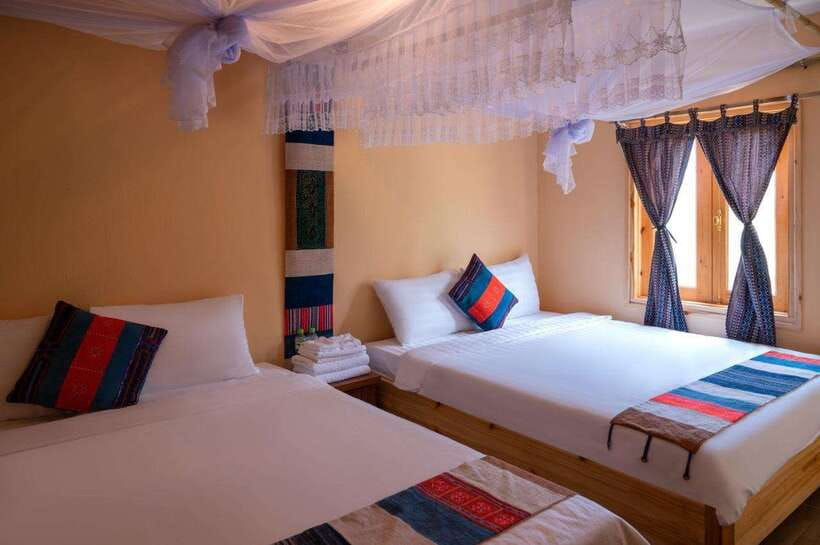
- Two lodging styles: a shared 3-star hotel night in Sapa town, plus a dorm-style homestay night in Ta Van
- Cat Cat with the Hydraulic Power Station, not just a quick photo stop
- A full village route: Y Linh Ho, Lao Chai, Ta Van, Giang Ta Chai (Red Dao), and Supan
- Food included in the rhythm of the trip (3 lunches, 2 dinners, 2 breakfasts), so you’re not scrambling for meals
- A group setup that keeps logistics simple, but it’s not built for total privacy
Day 1: Hanoi to Sapa, Cat Cat Village, and Sin Chai at dusk

Your day starts early in Hanoi. You’ll get picked up in the Old Quarter area between 06:00 and 06:30, then head toward Sapa via the Noi Bai–Lao Cai highway. Around 10:00, there’s a comfort break in Lao Cai City, which helps because Sapa mornings are cool and you’ll want to save your energy.
By 13:00–13:30, you arrive in Sapa town, where the first meal and a short window to orient yourself go a long way. This is also when you’ll likely see the region’s famous mix of traditional clothing in the area—use that time to look around and decide how much shopping vs. walking you want to do.
The afternoon starts with a trek to Cat Cat Village at about 14:30. Cat Cat is popular, but it’s not just a lineup of stalls. You’ll visit key sights like the waterfall area and the Hydraulic Power Station, which gives the visit context beyond photos. If you’re not in the mood for stop-and-shop tourism, keep your time purposeful: focus on the waterfall views and the power station area, then don’t feel bad about moving on quickly.
Late afternoon, you shift to Sin Chai for a slower, more village-feeling evening. By 17:00, you’ll return to Sapa town for dinner, plus free time to explore on your own. This free time matters more than it sounds: after a long travel day, it’s your chance to reset before the trekking starts in earnest.
Overnight: a shared room at a 3-star hotel in Sapa town (2 people per room).
More trails through the Sapa valleys




Day 2: Y Linh Ho and Lao Chai walking, then lunch and overnight in Ta Van
Day 2 is where the trip really becomes a walking holiday. Breakfast is in the 7:00–8:00 window, then you start around 8:00 with trekking toward Y Linh Ho.
The walking plan is clear and time-friendly, with a total route that looks like this:
- 6 km trek to Y Linh Ho
- 3 km trek onward to Lao Chai
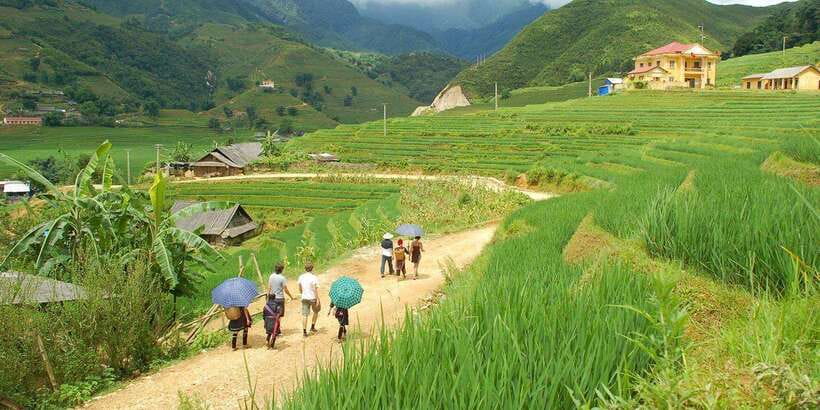
This is the day that most people remember, mainly because it’s not about one big viewpoint—it’s about moving through the working world of Sapa’s communities. You’ll pass through farmland and village pathways where the scenery is constantly changing, and your guide helps you connect what you see to how people live.
Around 12:00–12:30, lunch is at Ta Van village, and you check in right after. Then you get downtime to rest, freshen up, and let your legs catch up. That rest window is smart—Ta Van is the base for your homestay night, and you’ll want some energy for the afternoon village visiting.
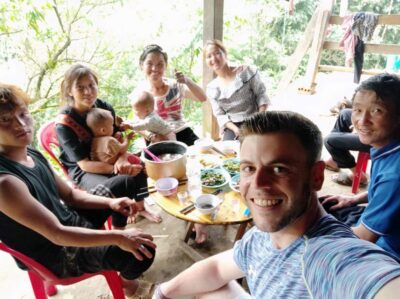
In the late afternoon, you’ll do more village time before returning around 17:00 to the homestay. Dinner is included, and the night is your chance to experience the homestay rhythm: simple, local, and focused on community rather than comfort perks.
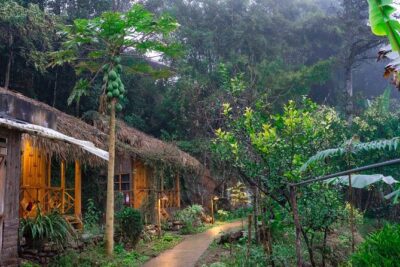
Overnight: dorm-style homestay in Ta Van village (shared dorm setup).
Day 3: Giang Ta Chai (Red Dao), Supan, then back to Hanoi

Day 3 starts with breakfast at 7:00 at the homestay. The morning is set up for culture plus walking. You’ll visit Giang Ta Chai Village and Supan Village starting around 8:00–8:30.
Then comes your longer walk: an 8 km trek to Giang Ta Chai specifically associated with the Red Dao community. This section is the payoff day. It’s long enough to feel like a real hike, but the earlier structure (visits built into the schedule) keeps you from feeling like it’s just treadmill time.
By 12:00, you’ll have lunch and get time to rest back at the homestay. It’s also a good moment to mentally pack up—because Sapa is beautiful, but you don’t want to run on empty for the ride back.
At about 14:00, there’s a car pickup to Sapa, and by 15:00–15:30 you board the bus back to Hanoi. The tour is timed so you’re back by 21:00.
Meals: breakfast at the homestay, plus lunch included.
Guides make or break a Sapa trek: the names you’ll hear
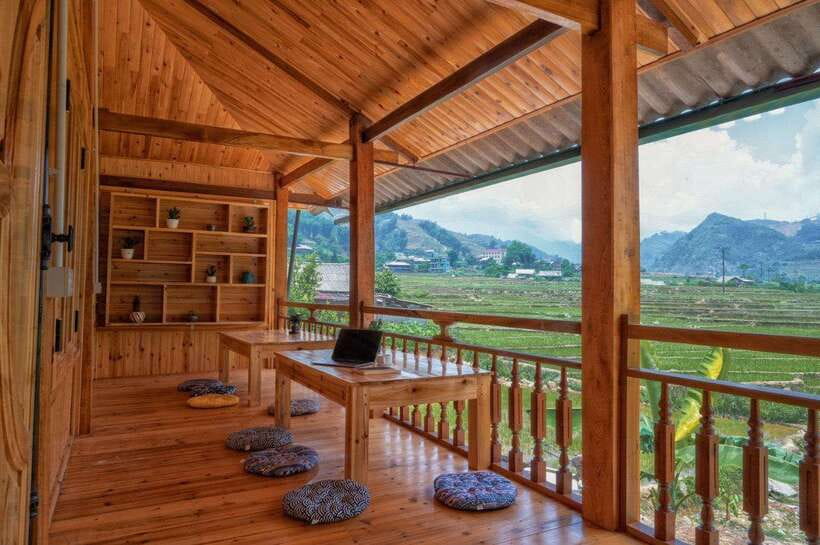
Here’s what I’d watch most closely before booking: the guide. Sapa treks can feel either educational and grounded—or like a slideshow of brief stops. This tour’s best feedback centers on guides who explain clearly and keep things calm and friendly while you walk.
Names that come up with strong praise include Pang (often described as easy to understand with strong Sapa knowledge), Ku and Cheng (praised for keeping things clear and fun), Khu Ly (noted for local insight and very understandable English), and Phinh (recognized for organization and strong guiding). Other guides mentioned include Sao, Khu, Cha, Zinh, Nhu, and Tung, with frequent praise for communication and help on the trail.
What this means for you: you’re not just getting someone who leads you from point A to B. You’re getting context while you move. That’s the difference between seeing villages and actually understanding why the trail, fields, and community spaces look the way they do.
Trekking reality check: mud, layers, and how to feel comfortable

Sapa walks don’t require technical hiking skills, but they do require the right mindset and gear. When conditions are wet, trails can get muddy. One of the most practical tips from experiences on this route: bring rain boots or footwear that can handle slippery ground.
Plan for changing weather too. Even in warmer months, Sapa can turn cool and misty. If you’re going in colder seasons (December came up in one set of experiences), pack real layers and a hat, and don’t assume you’ll need to buy gear before you arrive. You might find warm clothing sold locally as well, which can save you from paying city prices.
Pace-wise, this tour is structured. You’ll have enough time stops to eat and regroup, but you should still expect walking up and down. Also remember: it’s an organized group experience. If you want a private, choose-your-own-adventure style day, you may find the group rhythm limiting.
Worth a glance beside this Hanoi pick:
- Halong Bay Full Day with Kayaking, Hiking viewpoint, Cave – Deluxe To Luxury★ 5.0 · 884 reviews
- From Hanoi: 2-Day Sapa Trekking Trip with Homestay & Meals★ 4.8 · 704 reviews
- Sapa 3 Days 2 Nights Trekking Tour (1 Night In Ta Van Village, 1 Night In Hotel)★ 5.0 · 699 reviews
Price and logistics: is $98 good value, and what can surprise you?
At $98 per person for a 3-day / 2-night style trip, this can be good value because a lot of the hard parts are already handled:
- Sleeping bus ticket Hanoi–Sapa–Hanoi with modern facilities (but still a bus ride)
- An English-speaking guide in Sapa
- Lodging: 1 night in a shared 3-star hotel in Sapa and 1 night in a Ta Van homestay
- Meals included: 3 lunches, 2 dinners, 2 breakfasts
- Entrance tickets included based on the planned stops
What can surprise you is the transportation feel. Even though the bus is described as comfortable by some, a few experiences highlight that the ride can be narrow and crowded, especially for those with a low tolerance for cramped seating or limited space. My advice: treat the bus as part of the cost of admission to Sapa. Bring something that helps you sleep or relax—like a scarf for warmth and a small comfort item—so you don’t spend the trek day tired.
Another practical note: your first night hotel in Sapa is a functional place, not a luxury retreat. Some experiences mention basic conditions like limited heating and simple, repeated meal style at times. You go here for the trekking and village time, not for a five-star room.
Also, Cat Cat can be very touristy. If you’re the type who hates wandering through shops, keep your expectations aligned: treat it like a quick cultural stop, then focus on the trekking and the less commercial villages later in the trip.
Holiday and solo traveler costs you should plan for
Two add-ons are explicitly stated:
- A 40% public holiday surcharge applies in periods like Tet, including 29 April to 1 May
- If you travel solo, there’s a single supplement of 400,000 VND, though the operator may try to find another solo traveler to share and possibly waive the supplement if you agree
It’s worth checking these before you fall in love with the itinerary.
Who this Sapa trek and stay is best for (and who should rethink it)
This is a good match if you:
- want a structured route with villages you can’t easily stitch together alone
- like meeting people, since this is set up as an organized group experience
- care more about guide-led context and homestay village life than hotel polish
- are comfortable with a mix of hotel lodging and a dorm-style homestay
It might not be the best fit if you:
- dislike group pacing and prefer private tours
- need very comfortable, spacious transportation end to end
- expect a luxury homestay experience (you should expect simple, shared dorm-style accommodations)
Should you book this Sapa experience?
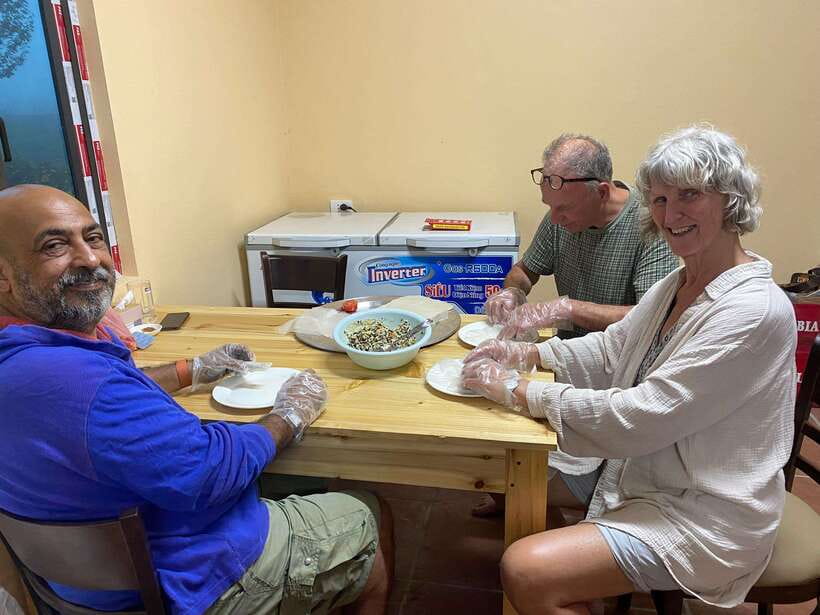
I’d book if your main goal is a real Sapa walking circuit with a local English guide, built-in meals, and an overnight in Ta Van. The value at $98 is strongest when you’re happy with basic-to-comfortable lodging and you’re excited for villages like Y Linh Ho, Lao Chai, Giang Ta Chai, and Supan.
I wouldn’t book if you’re traveling only for dramatic comfort or you hate any hint of group logistics. Also, if you’re sensitive to bus rides, plan for that part of the journey so it doesn’t spoil the high points.
If you want flexibility, the trip offers free cancellation up to 24 hours in advance. And if you’re aiming for a holiday window like Tet or the late-April period, factor in the 40% surcharge early so you aren’t surprised by the total.
FAQ
How long is the Hanoi to Sapa Trek and Stay trip?
It’s a 3-day experience with pickup in Hanoi in the early morning and a return to Hanoi in the evening (around 21:00).
What’s included in the price?
The tour includes a sleeping bus ticket (Hanoi–Sapa–Hanoi), an English-speaking guide during the Sapa portion, 1 night in a 3-star hotel in Sapa town (shared), 1 night at a homestay in Ta Van (dorm room), plus 3 lunches, 2 dinners, and 2 breakfasts, and entrance tickets for the planned stops.
Where do you pick up in Hanoi?
Pickup is included from hotels in the Hanoi Old Quarter. If your hotel isn’t in the Old Quarter, you’ll need to go to the office at 54 Hang Tre, Hoan Kiem, Hanoi.
Do I get an English-speaking guide?
Yes. The tour provides an English-speaking tour guide during the trip in Sapa.
What type of accommodation is provided?
You’ll sleep one night in a shared 3-star hotel in Sapa town (2 people per room), and one night in a homestay in Ta Van in a dorm room.
Are there extra charges for holidays or solo travelers?
Yes. There’s a 40% public holiday surcharge (noted for periods including Tet, such as 29 April to 1 May). If you’re traveling solo, a single supplement of 400,000 VND applies, though the operator may ask another solo traveler for a room share to potentially waive the supplement.
More Hiking & Trekking in Hanoi


More Tour Reviews in Hanoi





More Sapa Treks We Walked

Latest Hanoi write-ups from our team






Sapa Trekking Tours, compared.
 ★ 5.0Sapa 2 Days 1 Night From Hanoi – Overnight in Ta Van VillageFrom $592,669 reviews
 ★ 5.0Hanoi – Sapa 2 Days 1 Night Overnight At HomestayFrom $89899 reviews
 ★ 5.0Sapa: Fansipan Cable, Cat Cat Village & Moana Instagram TourFrom $30777 reviews
 ★ 4.8From Hanoi: 2-Day Sapa Trekking Trip with Homestay & MealsFrom $71704 reviews
 ★ 5.0Sapa 3 Days 2 Nights Trekking Tour (1 Night In Ta Van Village, 1 Night In Hotel)From $139699 reviews
 ★ 5.03-Day Trekking Adventure of Sapa from Hanoi – Stay Ta Van VillageFrom $109611 reviews
 ★ 4.82-Day Sa Pa Ethnic Homestay Tour & Trek with Limousine Bus440 reviews
 ★ 5.0Sapa 2 Days 1 Night From Hanoi – Overnight in HotelFrom $89440 reviews
Browse the lists this tour appears in