
Reviewed · SAPA TREKKING TOURS
From Hanoi: Sapa Real Experience 2-Day 1 Night at Ethnic Homestay
Sapa starts feeling real on day one. This 2-day, 1-night trek from Hanoi into the Hoang Lien Son Mountains takes you through Hmong, Tay, and Dao villages, then lands you in a home stay where dinner is part of the family routine, not a restaurant stop. You also get scheduled time in Sapa town so the trip balances mountain work with simple sightseeing.
I especially like that the homestay meals are included, including dinner made by your guide’s family. It also helps that the route is guided by a local English-speaking host, so you’re not just passing through villages—you’re learning what daily life looks like. One thing to consider: this is a real hike with steep, slippery, and sometimes muddy sections, so it’s not a casual walk and you’ll want good footwear and flexible energy.
In This Review
- Key details that matter before you go
- The big idea: overnighting with village life, not just visiting it
- Hanoi to Sapa: how the long travel day is handled
- Day 1 in the Sapa area: meeting your guide and heading toward the homestay
- Ta Van homestay night: what you should expect from local housing
- Day 2 trekking: bamboo forest, terrace fields, and a slower start
- The Sapa town free time: don’t skip it
- Price and value: what $70 buys you (and what to budget)
- Getting your shoes right: difficulty and weather reality
- Who should book this and who should skip it
- Should you book Sapa Real Experience (Hanoi to Sapa homestay trek)?
- FAQ
- What time does the tour start in Hanoi?
- Where does the bus pick up and drop off?
- How long is the experience?
- What meals are included?
- Is transport between Hanoi and Sapa included?
- How many people are in the group?
- Is there free time in Sapa town?
- Is the trek suitable for everyone?
- What happens if the weather is bad?
Key details that matter before you go
- Family-hosted dinner and cooking time: you eat what the household makes, and you may help prep (like garden vegetables).
- Ethnic village trekking (Hmong, Tay, Dao, Tay in the Ta Van area): the cultural element is built into the hike, not tacked on.
- Sapa town free time: shopping or sightseeing is scheduled, so you won’t feel rushed.
- Local-house overnight: you stay in the family home, with basic but generally well-kept facilities.
- Small group cap: maximum of 15 people, so the experience stays human-sized.
The big idea: overnighting with village life, not just visiting it
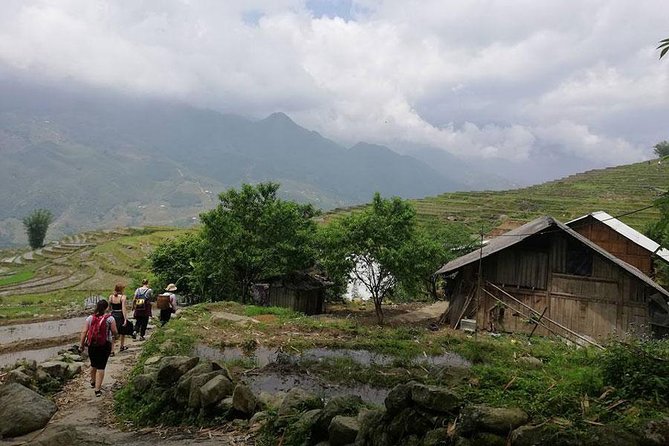
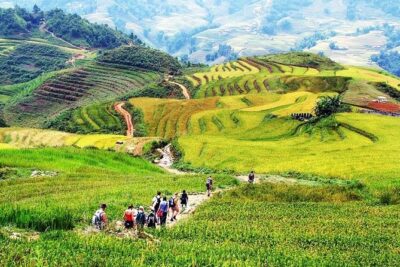
The core value here is simple. You’re not only traveling to Sapa—you’re staying in the rhythms of rural life, guided by someone who knows the pathways and the etiquette of daily village routines. The trek is designed to move through different village areas, so the scenery keeps changing: mountain paths, bamboo forest sections, and terraces you can often see from multiple angles.
You also get a bit of breathing room. After the first long travel day, you arrive in Sapa town and get time to settle in, shop, or do some light sightseeing before the trekking and homestay part of the program really takes over. That pacing matters because it makes day one feel like travel + orientation, not travel + punishment.
Finally, the food plan is genuinely practical. Breakfast, dinner, and the listed lunches are included, with dinner prepared by your guide’s family. That takes one major travel headache off your plate: in rural areas, choosing where to eat can turn into a guessing game. Here, meals are part of the schedule.
More trails through the Sapa valleys


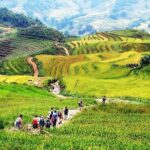
Hanoi to Sapa: how the long travel day is handled
You start early from Hanoi Old Quarter. You’re told to be at 30 P. Lý Thái Tổ at 6:30 am, and the bus staff picks up your group by name. From there, you transfer onto a sleeper bus to Sapa. The big win: it’s set up as a door-to-central-Hanoi plan, and the return route brings you back to the Old Quarter area too.
This matters because Hanoi to Sapa travel can be chaotic if you try to DIY it. Here, you’re using an organized, shared sleeper bus with air-conditioning, which helps if you arrive tired and cold after the overnight road time.
Arrival timing is also your friend. You come into Sapa town around 12:45 pm, which gives you enough daylight to meet your guide, start the day properly, and avoid that classic situation where you arrive just when it’s getting dark.
Day 1 in the Sapa area: meeting your guide and heading toward the homestay
After arrival, your guide welcomes you in Sapa town and starts you on the real Sapa experience. The program then shifts from town energy to mountain pace, with village trekking through the areas associated with ethnic communities such as the Hmong and Dao, plus the Tay presence you’ll likely see around Ta Van.
A key part of day one is the homestay arrival. You go to your guide’s family house in the village area (often discussed in connection with Ta Van), where you’re treated as a guest returning to family. In practical terms, that usually means you get a clear introduction to what’s expected: where to keep your things, how to handle shared spaces, and how the family handles dinner.
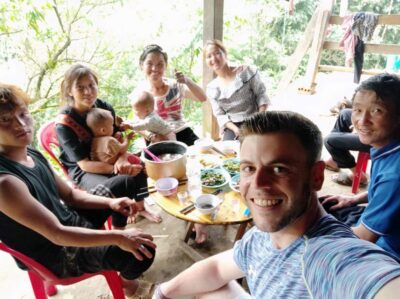
Dinner is where this trip feels different. You may help with simple tasks like picking vegetables from the garden, and you can join in cooking if you want. That’s a big part of why this experience is so popular: you’re not just eating food, you’re participating in the work that creates it.
One more note for day one: the hike can feel tougher than the distance suggests. Some routes from the Sapa area toward the homestead can take several hours depending on conditions and the path chosen. Plan for the possibility that the day’s first major walking segment runs long and uphill.
Ta Van homestay night: what you should expect from local housing

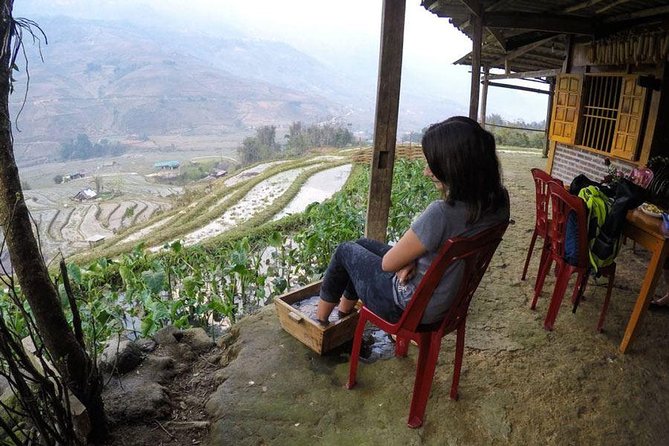
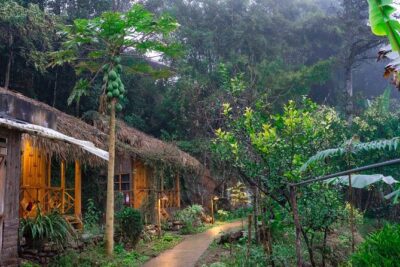
Overnight means living in a real home, not a boutique lodge. Accommodation is listed as a local house, and the facilities are shared in the sense that this is the family’s home layout. Many people highlight that rooms are kept clean and that the bathroom setup is functional, including showers and toilets that are well maintained.
You should also expect cold air at night, especially in mountain weather. One of the most consistent practical themes is that the trip is comfortable if you dress for it. Bring layers you can actually live in after a sweaty day of walking. If you only pack thin summer clothes, you’ll notice it.
Dinner and breakfast are not just included—they’re usually a highlight. The food is described as authentic, organic, and fresh, with the family preparing it. And because this is a homestay atmosphere rather than a hotel script, the evening can include small social moments, like shared time with other group members (some mention karaoke and cold beer as an extra highlight).
Day 2 trekking: bamboo forest, terrace fields, and a slower start
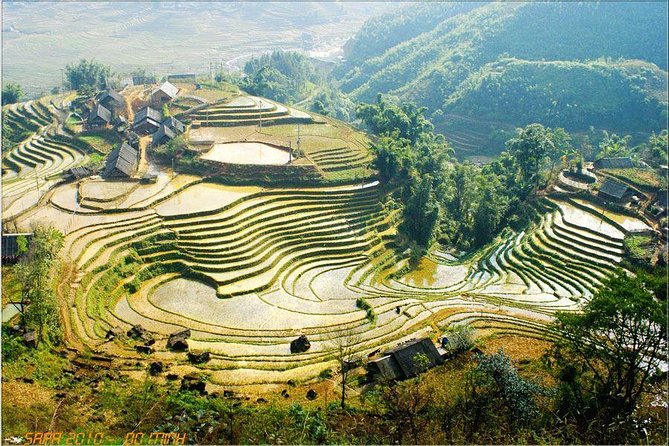
Day two starts earlier than you might hope, but in a normal village way. You can wake up a bit early to see how the host starts the day, including breakfast cooking. This is one of those travel details that turns into a memory because it’s the everyday version of what you’ve been hiking toward.
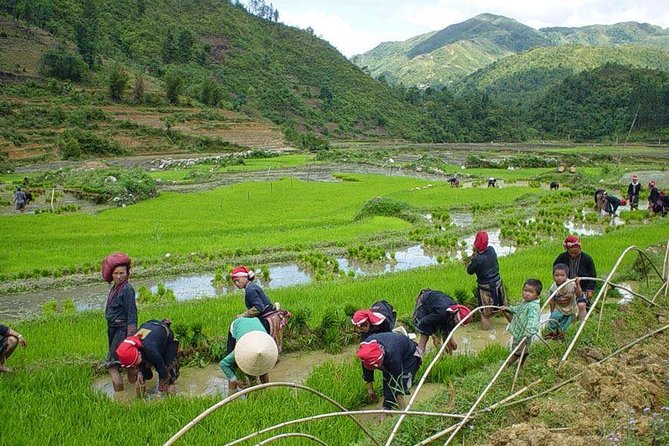
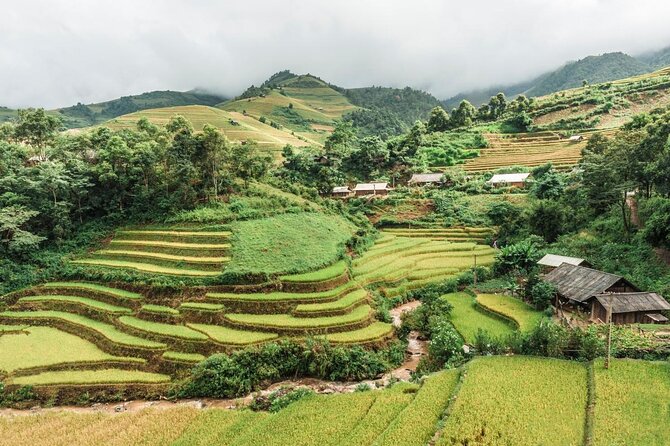
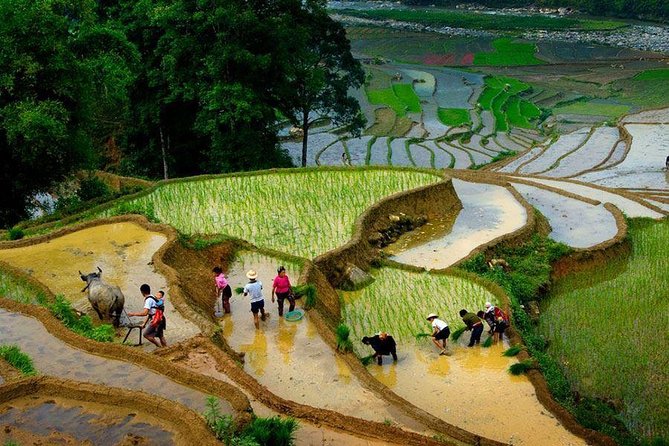
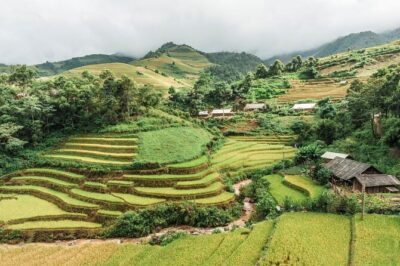
Then it’s back out on the trail. The walk on day two focuses on bamboo forest scenery and terrace fields. Terraces are the big visual theme in this region, and if weather is clear you’ll often get a strong sense of how the mountains shape farming. The program also mentions the option to work in the terraced fields, which is worth considering if you’re curious about how people actually manage steep farmland. Even if you skip heavy tasks, watching how it works is part of the education.
Photo time is built in, which matters. When you’re hiking in fog or heavy cloud cover, it helps to not feel like every stop is a race against time. If the weather is good, you’ll want more photo stops. If it’s gray, you’ll want to focus on what you can see up close: village path details, people’s routines, and the texture of stone and soil.
Fitness note: you should assume day two includes steeper sections too. The trip is described as challenging, and several accounts emphasize steep, slippery paths and muddy conditions when the weather turns.
Worth a glance beside this Hanoi pick:
- Hanoi Motorbike Tours Led By Women: Hanoi By Night Foodie Motorbike Tours★ 5.0 · 1,734 reviews
- From Hanoi: Ha Long – Bai Tu Long Bay 2-Day 1-Night Cruise★ 4.6 · 1,113 reviews
- Halong Bay Cruise 2 days 1 night from Hanoi included transfer★ 5.0 · 1,061 reviews
The Sapa town free time: don’t skip it
This is one of the more underrated parts of the whole schedule. The tour includes built-in free time in Sapa for shopping or sightseeing, which gives you a chance to reset after two days of movement.
What’s the practical value? If you need supplies—snacks, water, a warmer layer, or small gifts—town is where you can handle it without disrupting the village schedule. It’s also your chance to see Sapa as a town, with markets and streets that are very different from the mountain villages you trekked through.
If weather is poor, Sapa town time also gives you a Plan B mood shift. You still get out and experience something, instead of only staring at clouds from the trail.
Price and value: what $70 buys you (and what to budget)
At $70 per person for 2 days and 1 night, the value comes from what’s bundled. The listed inclusions include:
- Round transportation Hanoi – Sapa – Hanoi by shared air-conditioned sleeper bus
- A local English-speaking guide/host and trekking time
- Village visit time and photo stops
- Accommodation in a local house
- Breakfast and dinner, plus the scheduled lunches
That’s a lot for a single price when you think about the cost of transport, guide support, meals, and overnight lodging. Your biggest extras are usually personal spending: tips, beverages not listed with meals, and any items you buy in Sapa.
Also remember: pickup and drop-off outside the Old Quarter aren’t included. The tour focuses on the Old Quarter meeting/dropping point, so plan your Hanoi pre- and post-trip logistics around that.
Getting your shoes right: difficulty and weather reality
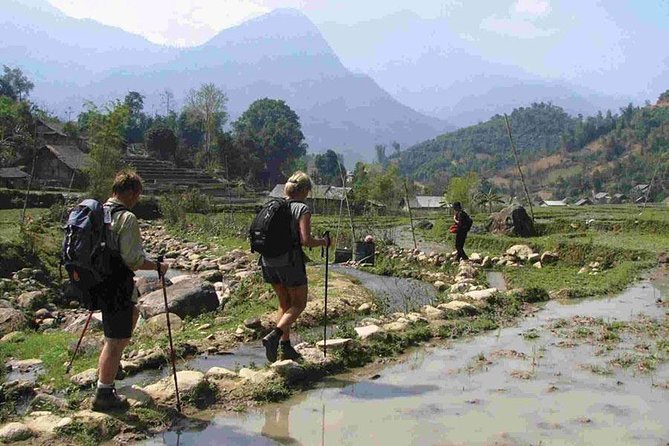
This trip comes with clear physical expectations. It’s not recommended for people over 60 or anyone with physical difficulties, and that’s consistent with the trail description. You’ll hike on mountain paths that can be steep and slippery, and conditions can turn wet and muddy fast.
So here’s the practical advice that will make or break day one and day two:
- Wear hiking shoes with grip, not flimsy sneakers
- Pack layers for cold nights
- Bring something for wet weather if the forecast looks questionable
Weather matters here. The experience needs good weather, and fog or cloud cover can change what you can see from the terraces. In some months the path visibility and views can be limited, so if your main goal is dramatic terrace views, aim for clearer conditions.
Who should book this and who should skip it
This is a great fit if you want:
- Real village time, including dinner with a family
- Guided trekking through ethnic areas in the Hoang Lien Son Mountains
- A small-group feel (max 15 people) without the pressure of a huge bus tour
You might want to skip it if:
- You want a mostly flat, easy walk
- You’re sensitive to cold nights and wet trails
- You have mobility limits that make steep footing risky
If you’re the type who enjoys hiking but also likes culture you can taste, this works especially well.
Should you book Sapa Real Experience (Hanoi to Sapa homestay trek)?
I’d book it if you’re after an authentic overnight with included meals and a guided trek that takes you through village life instead of only town highlights. The schedule is also realistic: you get town time in Sapa, then you get the mountains and homestay, then you head back.
I would hesitate if you’re not confident on steep, slippery paths or if you’re hoping for a fully luxury comfort level. This is a mountain hike with homestay living, so bring the right gear and a flexible attitude toward weather.
If that sounds like your kind of Sapa, this is a strong value.
FAQ
What time does the tour start in Hanoi?
You start at 6:30 am. The meeting point is 30 P. Lý Thái Tổ in Hanoi Old Quarter, and the bus staff picks up the group by name.
Where does the bus pick up and drop off?
Pick-up and drop-off are around Hanoi Old Quarter at 30 P. Lý Thái Tổ. The shuttle bus drops customers there, and you can arrange your own way back to your hotel if needed.
How long is the experience?
It’s listed as 2 days, approximately, with an overnight stay (2 days / 1 night).
What meals are included?
The tour includes breakfast and dinner. It also includes lunches as mentioned in the inclusions list, with meals labeled B, L, and D.
Is transport between Hanoi and Sapa included?
Yes. Return transportation Hanoi – Sapa – Hanoi is included by shared sleeper bus with air-conditioning.
How many people are in the group?
The tour has a maximum of 15 travelers.
Is there free time in Sapa town?
Yes. Free time in Sa Pa town is built into the schedule for shopping or sightseeing.
Is the trek suitable for everyone?
It’s not recommended for people over 60 or for anyone with physical difficulties. The route can include steep, slippery, and muddy sections depending on weather.
What happens if the weather is bad?
The experience requires good weather. If it’s canceled due to poor weather, you’ll be offered a different date or a full refund.
More Evening Experiences in Hanoi



More Tour Reviews in Hanoi




More Sapa Treks We Walked

Latest Hanoi write-ups from our team





Sapa Trekking Tours, compared.
 ★ 5.0Sapa 2 Days 1 Night From Hanoi – Overnight in Ta Van VillageFrom $592,669 reviews
 ★ 5.0Hanoi – Sapa 2 Days 1 Night Overnight At HomestayFrom $89899 reviews
 ★ 5.0Sapa: Fansipan Cable, Cat Cat Village & Moana Instagram TourFrom $30777 reviews
 ★ 4.8From Hanoi: 2-Day Sapa Trekking Trip with Homestay & MealsFrom $71704 reviews
 ★ 5.0Sapa 3 Days 2 Nights Trekking Tour (1 Night In Ta Van Village, 1 Night In Hotel)From $139699 reviews
 ★ 5.03-Day Trekking Adventure of Sapa from Hanoi – Stay Ta Van VillageFrom $109611 reviews
 ★ 4.82-Day Sa Pa Ethnic Homestay Tour & Trek with Limousine Bus440 reviews
 ★ 5.0Sapa 2 Days 1 Night From Hanoi – Overnight in HotelFrom $89440 reviews
Browse the lists this tour appears in