
Reviewed · SAPA TREKKING TOURS
From Hanoi: Guided 2-Day Tour of Sa Pa with Lunch & Dinner
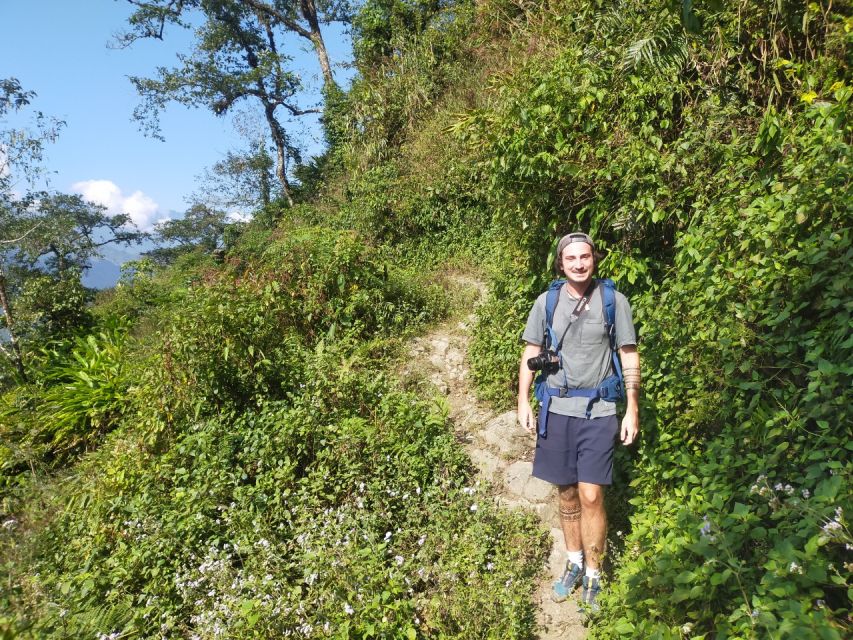
Sa Pa by trekking is one thing. Sa Pa by homestay feels different. This two-day guided trip pairs a comfy overnight ride with real time in the rice terraces and ethnic villages, including a stop for lunch at Ly Chai and an evening with your Ta Van hosts. I especially like the Muong Hoa valley timing and the chance to share meals at the family’s house. One watch-out: the hiking can get muddy and dusty, so your shoes and clothing really matter.
Day 1 is built around smooth logistics: you arrive early, shower, stash luggage, then hit the trails around 9:00 am. Day 2 keeps the rhythm with bamboo forest walking, a suspension bridge moment, and a return trip to Hanoi around 16:00. I also love that the guide is English-speaking and small-group sized, and my notes include a guide named Xin who came across as friendly and funny. A possible drawback is there can be waiting time between drop-off and the office/shower, so don’t plan anything immediately afterward.
If you want mountain views without DIY headaches, this format is a strong pick. Just come prepared for a real trek, not a stroll.
In This Review
- Key things you’ll notice on this Sa Pa tour
- The overnight bus at 22:00: saving a day (and a little patience)
- First morning flow in Sa Pa: shower, store luggage, then trek
- Day 1: Muong Hoa valley to Ly Chai for lunch, then Ta Van homestay
- Lunch at the Black Hmong area of Ly Chai
- Arriving at Ta Van village and staying with the family
- The sales moment on the trail: how to handle it
- Day 2: bamboo forest trekking, Giang Ta Chai panoramas, and a suspension bridge
- Giang Ta Chai village viewpoint
- Crossing the suspension bridge
- Lunch before the road return
- Fitness and trail conditions: what “not too difficult” really means
- Homestay dinner, cooking class, and crafts: the cultural part you can actually do
- Cooking class and dinner with the family
- Handicrafts and hill-tribe techniques
- English guide and small group size: why it changes the whole feel
- Price and value: what you’re really paying for (and what’s extra)
- Practical packing tips that will save you discomfort
- Who this tour suits best (and who should skip it)
- Should you book this 2-day Sa Pa homestay trek?
- FAQ
- What is the duration of the Sa Pa tour?
- Where does the tour start from in Hanoi?
- What time does the overnight bus leave Hanoi?
- What happens on arrival in Sa Pa on Day 1?
- What meals are included?
- Do I stay in a homestay?
- How difficult is the trek?
- What should I bring for the hike?
Key things you’ll notice on this Sa Pa tour
- Overnight sleeper bus from Hanoi at 22:00 to start the trip without losing a full day
- Muong Hoa valley rice terraces plus stream walking between villages
- Ta Van homestay with meals, and the option for a cooking class with the family
- Ethnic village visits including Black Hmong areas in Ly Chai and Giang Ta Chai viewpoints
- Local trail help where women may guide you through trickier sections of the path
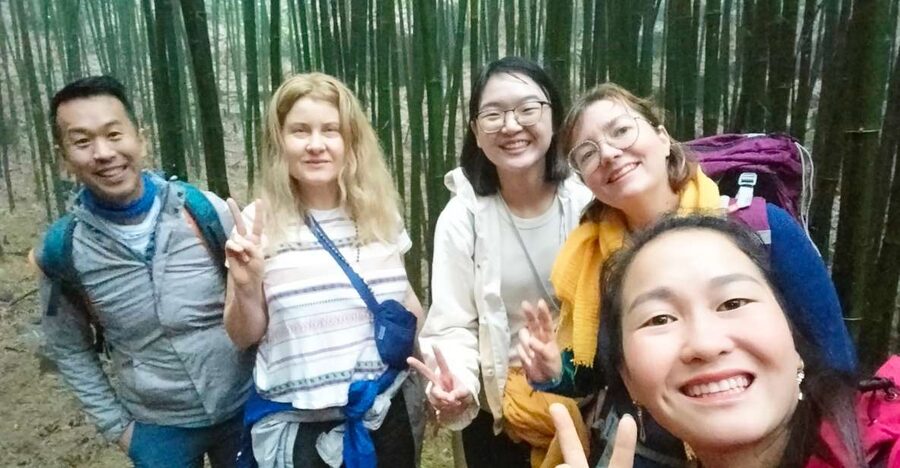
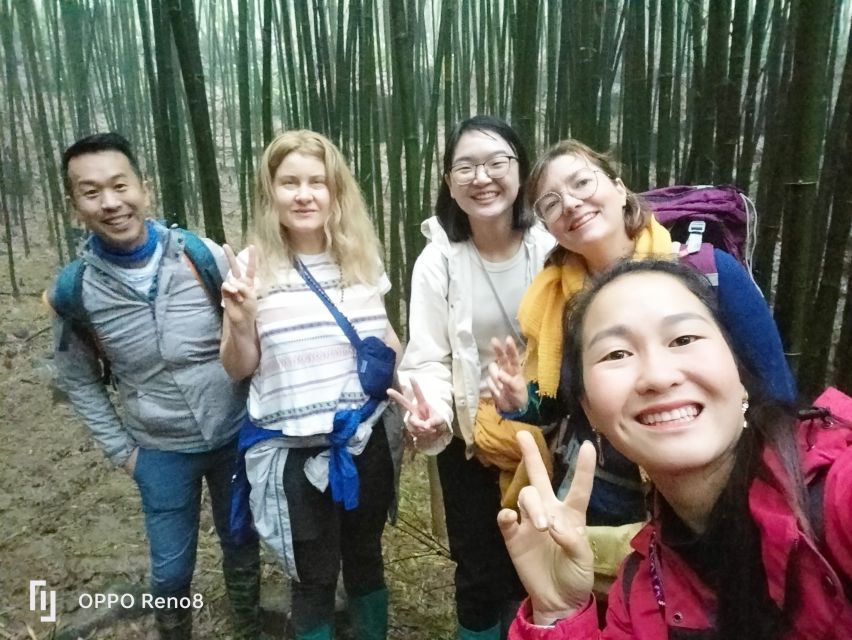
- Small group up to 10 for a more personal feel with your guide
The overnight bus at 22:00: saving a day (and a little patience)
This tour starts the smart way: an overnight bus leaves Hanoi at 22:00, heading to Sa Pa while you sleep. It’s not just convenience. It also means you arrive early enough to actually trek the same day, instead of spending your morning recovering from travel.
A common practical note is that you’ll have a short gap after you arrive, before you’re taken to the office for a free hot shower and luggage storage. That timing is normal in this kind of setup, but plan for it. If you’re prone to rushing, you’ll do better with a flexible mindset.
You also get the return travel around 16:00 on Day 2, which helps keep the whole trip to a true two-day experience, not a long wobble of late pickups.
More trails through the Sapa valleys


First morning flow in Sa Pa: shower, store luggage, then trek
Once the bus arrives, you’re collected around 6:00 am and taken to the office area. Here’s why this matters: you can wash up and store your bag before your hike. That small comfort makes the trek feel more like a guided day in the mountains and less like a long scramble.
You typically start trekking around 9:00 am. That gives you time to feel human, grab water, and settle into the walking rhythm. From there, the route focuses on rice terraces and the Muong Hoa valley—the North-Vietnam scenery people come for.
If you’re the type who needs every minute tightly scheduled, you’ll want to adjust. The morning is structured, but you’re still working around bus arrival flow.
Day 1: Muong Hoa valley to Ly Chai for lunch, then Ta Van homestay
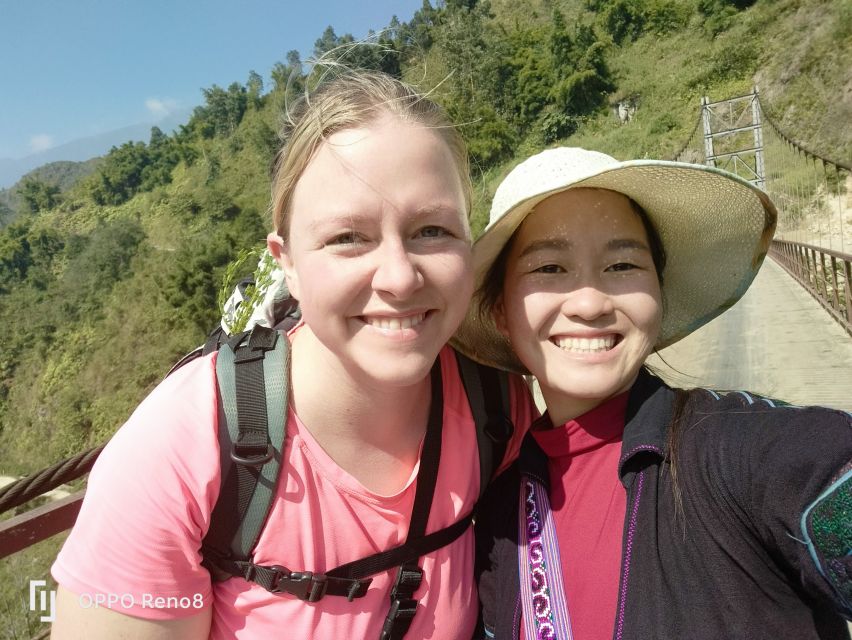
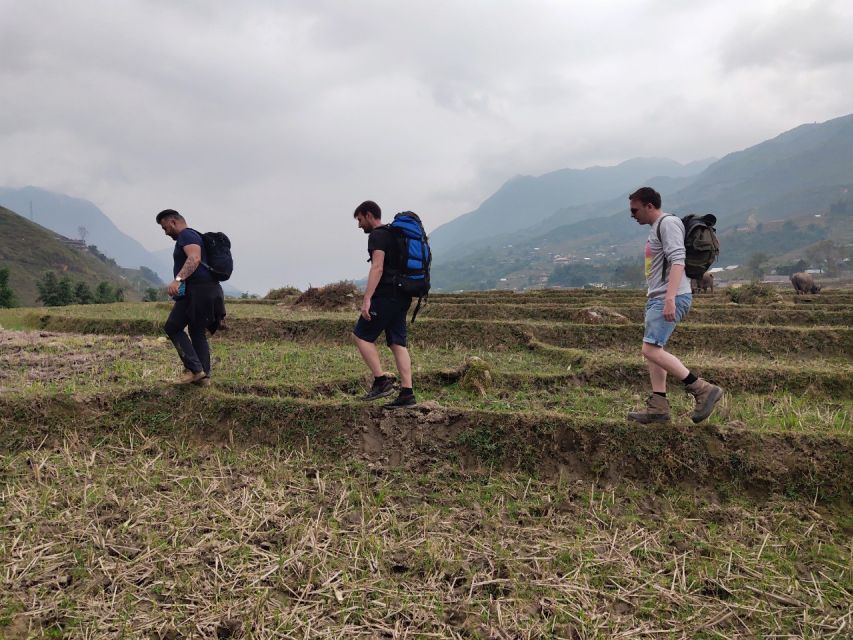
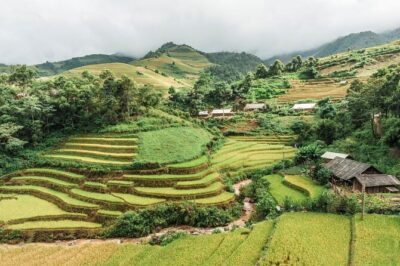
Day 1 is the “big scenery” day, with multiple shifts in terrain. You’ll walk through rice terraces, then along the Muong Hoa valley, where the views tend to feel wide-open and constantly changing with elevation and angle.
Lunch at the Black Hmong area of Ly Chai
Midday brings a lunch stop in a local restaurant at the Black Hmong village of Ly Chai. This pause matters because it breaks the hike into a manageable segment and gives you a chance to reset before the later climb and village arrival.
It’s also a real-world moment for learning: the guide helps connect what you’re seeing with how people live nearby the terraces. Even if your hiking pace is slower, that guided context can make the day feel fuller.
Arriving at Ta Van village and staying with the family
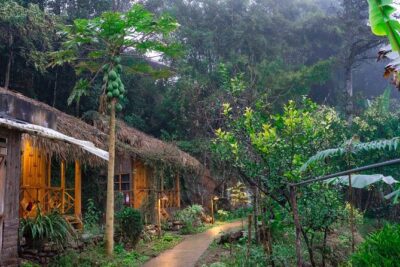
Then you continue trekking along terraces and a stream section before reaching the Dzay ethnic village of Ta Van, where you stay overnight. This is the heart of the experience. A homestay doesn’t just give you a bed—it gives you a social rhythm, family conversation, and the chance to see everyday routines up close.
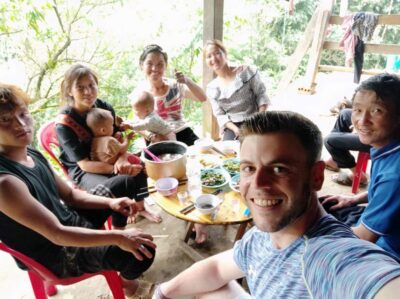
You’ll have breakfast the next morning with your hosts, and there’s an option to join a cooking class and share the dinner with the family. One small detail that stands out from real-life experience: evenings can include family entertainment, and karaoke has shown up as part of the night’s fun.
Worth a glance beside this Hanoi pick:
- Hanoi: Guided Food Tour with Train Street Visit★ 4.9 · 6,239 reviews
- Hanoi: Guided Street Food Tour with Train Street Experience★ 4.9 · 2,479 reviews
- Ninh Binh Full-Day Small Group of 9 Guided Tour from Hanoi★ 5.0 · 1,422 reviews
The sales moment on the trail: how to handle it
One practical thing to expect on Day 1 or around the village approach: people may try to sell handicrafts or items as part of their village routine. It’s not rare in this region, and it can be a bit awkward if you’re not expecting it.
The easy way to handle it: decide early whether you want to browse and buy. If you do, keep it calm and respectful. If you don’t, a simple no and polite smile works fine. The key is being ready for it so it doesn’t surprise you.
Day 2: bamboo forest trekking, Giang Ta Chai panoramas, and a suspension bridge
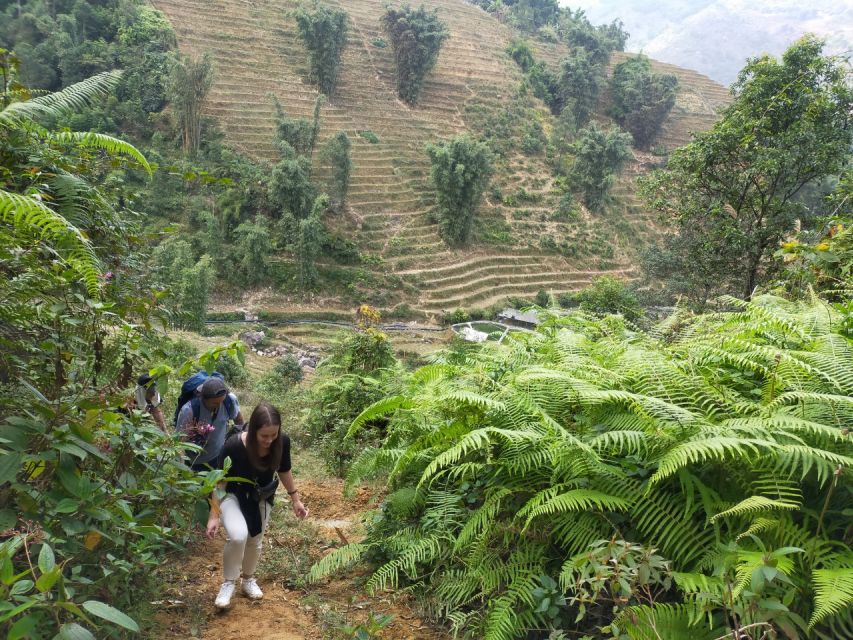
Day 2 starts with breakfast at the homestay—then you’re back on foot through rice paddies and a bamboo forest. This is a nice change in texture. Instead of only open terrace views, you get shaded sections and a quieter walking feel.
Giang Ta Chai village viewpoint
As you hike, you’ll get a panorama of Giang Ta Chai village. This is one of those moments where the guide’s timing helps: stop, look, then keep moving. The route is designed so you’re not rushing past the view while tired.
Crossing the suspension bridge
You’ll also cross a suspension bridge, which tends to be the part people remember most. Even if you’re not thrilled by height, the bridge break is usually short enough to be exciting rather than scary—especially with your guide keeping the group moving.
Lunch before the road return
Midway, you stop for a delicious lunch at/near the route that sets you up for the final walking portion. Then you trek up toward the road, where your driver returns you to Sa Pa.
After that, you get free time for a hot shower and relaxation—useful after two days of walking and humidity. Then it’s back on the bus to Hanoi around 16:00.
Fitness and trail conditions: what “not too difficult” really means
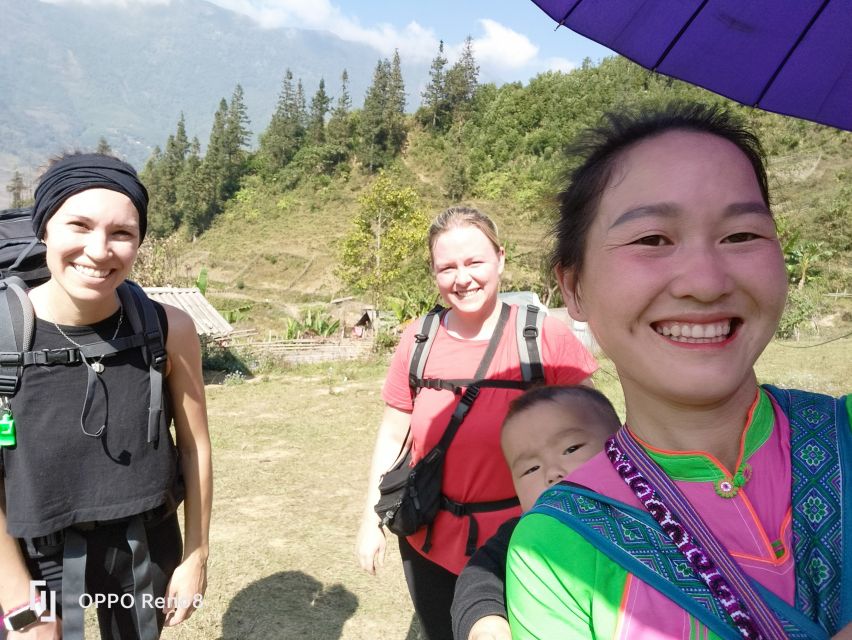
This trip is designed for most average walkers, and the trails are generally described as not overly difficult. Still, you should treat it as real hiking in mountainous terrain. If it’s rained recently, the ground can turn slippery. If it’s dry, dust can kick up.
The biggest difference-maker is footwear. If you show up in sandals or thin shoes, you’ll end up frustrated and your clothing may not survive the mud and dust. Pack hiking shoes and expect some dirt.
You also get support along the way. Local women may follow and help where the trail gets tricky. That’s reassuring, especially on uneven steps or narrow paths.
Homestay dinner, cooking class, and crafts: the cultural part you can actually do
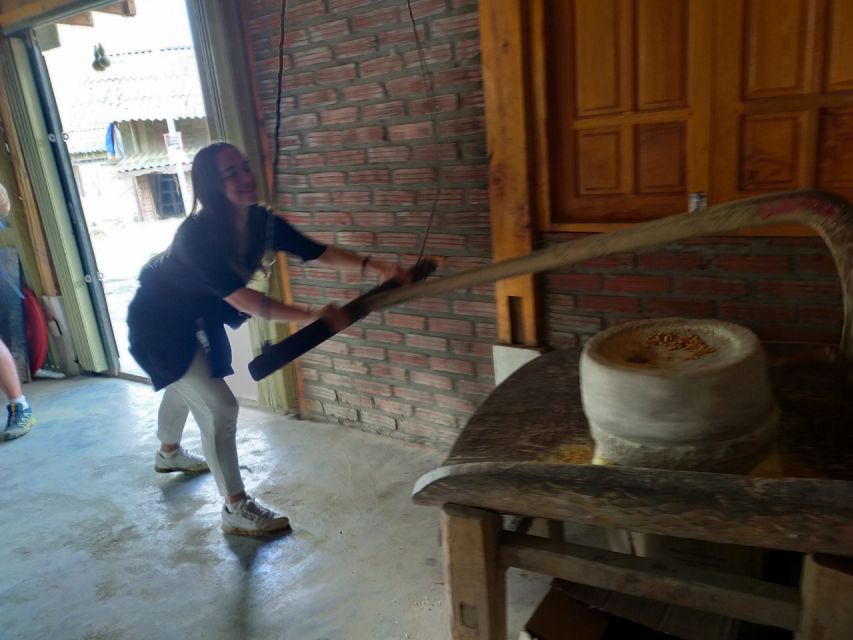
Most guided treks do sightseeing. This one adds activities that help you participate.
Cooking class and dinner with the family
If you opt in, the cooking class is a cozy way to understand local ingredients and habits without turning it into a classroom. It also gives you something to do besides just watching the world go by.
The dinner is part of that same family time. If you’re someone who’s nervous about language barriers, this is still workable because the setting is comfortable and guided by your hosts’ routines.
Handicrafts and hill-tribe techniques
There’s also time connected to the technique of making handicrafts across hill-tribe groups. In plain terms, you’re not just shopping; you’re being shown how things get made. That’s usually what makes the experience feel more respectful and less transactional—assuming you keep expectations realistic and treat it as learning, not a factory tour.
English guide and small group size: why it changes the whole feel
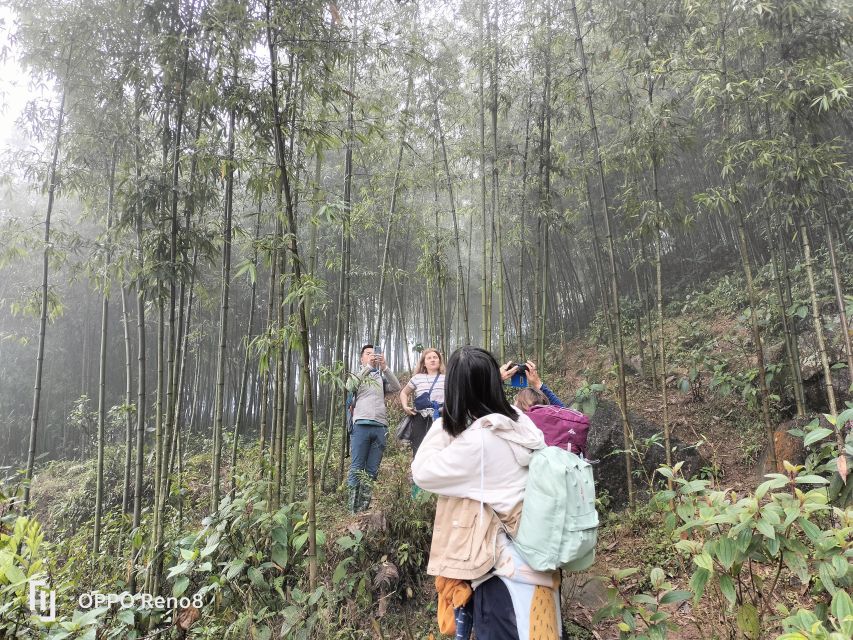
This tour runs with an English-speaking guide and keeps the group to 10 participants. That small size matters. It’s easier to ask questions, adjust pace if someone gets tired, and hear explanations without the guide talking over the whole crowd.
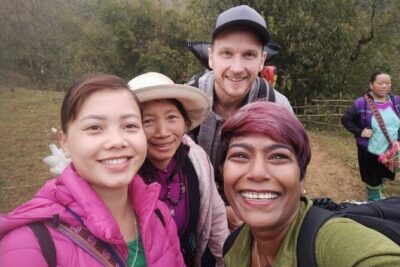
One highlight from real operation is that guides can be funny and personable. A named guide, Xin, has been described as friendly and humorous—exactly the kind of energy that makes an early trek day feel lighter.
Small-group also helps on tricky trail moments, because people spread out less and it’s easier to regroup.
Price and value: what you’re really paying for (and what’s extra)
At $84 per person, this price looks simple, but it’s worth breaking down what’s included.
You get:
- Round sleeping bus tickets Hanoi ↔ Sa Pa
- An English-speaking guide
- 1 night homestay with your hosts
- Meals: 2 breakfasts, 2 lunches, 1 dinner
- Entrance/authorization type fees
- 1 liter of mineral water per person per day
What you don’t get:
- Soft drinks
- Government tax and travel insurance
- A Lunar New Year surcharge of $50 per person if traveling in the stated period
For many people, the value is the combination: transport + homestay + meals + guide. In mountain areas, those pieces can easily add up fast if you piece them together yourself. The cost only feels fair if you take advantage of what’s included—especially the meals and homestay time.
Practical packing tips that will save you discomfort
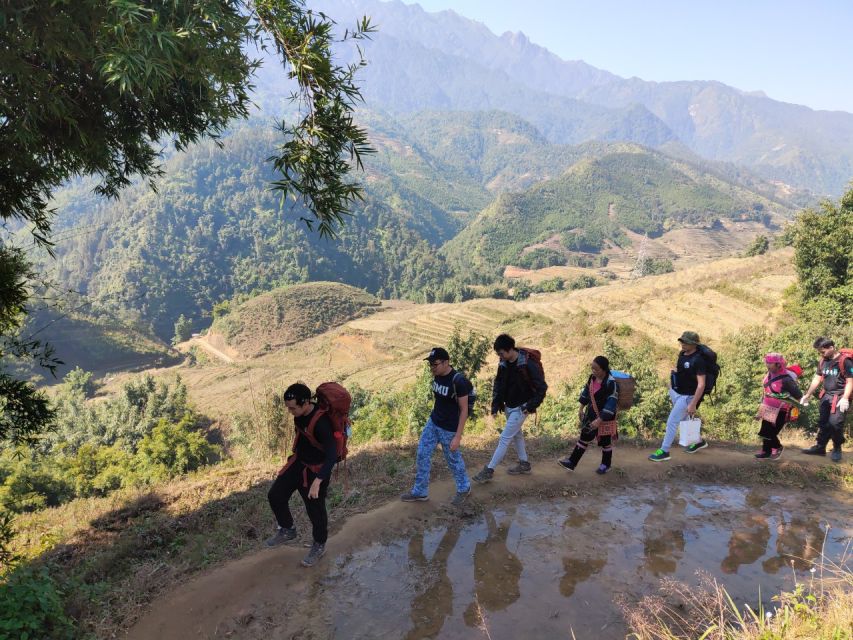
This is a trek, so pack like it’s a trek:
Bring:
- Passport
- Hiking shoes
- Insect repellent
- Weather-appropriate clothing and outdoor clothing
- Personal medication
- A back bag (a smaller daypack helps)
Also consider:
- Warm clothing: mornings and evenings in the hills can feel colder than Hanoi
- Sunscreen: sun can be strong between shade breaks
- Camera: terraces and the bridge viewpoint are photo magnets
One more smart move: bring clothes you don’t mind getting dusty. If you wear “nice” outfits, the trail will eventually teach humility.
Who this tour suits best (and who should skip it)
This experience is a strong match if you want:
- A guided trek with real village time
- Homestay culture you can actually participate in through meals and activities
- North Vietnam scenery without planning every transfer
It’s not a good fit if you:
- Are traveling with very young kids (not suitable under 4)
- Are pregnant
- Are over 70
- Have very limited mobility (the schedule assumes you can hike between villages and over uneven terrain)
If you’re comfortable walking for a couple of days and you follow guidance about shoes and weather, you’ll likely enjoy it.
Should you book this 2-day Sa Pa homestay trek?
Book it if you want a balanced North Vietnam mix: one night in a real homestay, guided rice-terrace walking in Muong Hoa valley, and a cultural day that’s more than just “look and leave.”
Skip it (or ask questions first) if you hate muddy trails or you’re counting on “easy hiking” in any weather. Also, if you know you dislike any kind of village sales situation, decide ahead how you’ll handle it.
If you go prepared—good shoes, warm layers, and patience for the morning routine—this is one of the better ways to experience Sa Pa without turning your trip into logistics homework.
FAQ
What is the duration of the Sa Pa tour?
The tour lasts 2 days.
Where does the tour start from in Hanoi?
Pickup is included. You meet at 21h30 at No 204 Tran Quang Khai street near Vietcombank (Friday to Sunday). Monday to Thursday, pickup may be offered from nearby meeting points or from your hotel in Hanoi Old Quarters.
What time does the overnight bus leave Hanoi?
The sleeping bus leaves Hanoi at 22:00.
What happens on arrival in Sa Pa on Day 1?
After arriving early morning, you’re picked up around 6:00 and taken to an office for a free hot shower and to store luggage, then you start trekking around 9:00.
What meals are included?
Meals included are 2 breakfasts, 2 lunches, and 1 dinner.
Do I stay in a homestay?
Yes. You spend 1 night in a homestay with a cozy ethnic family.
How difficult is the trek?
The trails are generally described as not too difficult, but conditions can change with rainfall. You should expect some mud and dust and plan for uneven village paths.
What should I bring for the hike?
Bring a passport, hiking shoes, insect repellent, weather-appropriate outdoor clothing, warm clothing, sunscreen, a camera, and any personal medication.
More Tours in Hanoi
- Ninh Binh Full-Day Tour from Hanoi to Hoa Lu, Tam Coc & Mua Cave Via Boat & Bike
★ 5.0 · 4,384 reviews




More Tour Reviews in Hanoi


More Sapa Treks We Walked
Latest Hanoi write-ups from our team






Sapa Trekking Tours, compared.
 ★ 5.0Sapa 2 Days 1 Night From Hanoi – Overnight in Ta Van VillageFrom $592,669 reviews
 ★ 5.0Hanoi – Sapa 2 Days 1 Night Overnight At HomestayFrom $89899 reviews
 ★ 5.0Sapa: Fansipan Cable, Cat Cat Village & Moana Instagram TourFrom $30777 reviews
 ★ 4.8From Hanoi: 2-Day Sapa Trekking Trip with Homestay & MealsFrom $71704 reviews
 ★ 5.0Sapa 3 Days 2 Nights Trekking Tour (1 Night In Ta Van Village, 1 Night In Hotel)From $139699 reviews
 ★ 5.03-Day Trekking Adventure of Sapa from Hanoi – Stay Ta Van VillageFrom $109611 reviews
 ★ 4.82-Day Sa Pa Ethnic Homestay Tour & Trek with Limousine Bus440 reviews
 ★ 5.0Sapa 2 Days 1 Night From Hanoi – Overnight in HotelFrom $89440 reviews
Browse the lists this tour appears in