
Reviewed · SAPA TREKKING TOURS
From Hanoi: 3-Day Sapa Trekking with Limousine Transfer
Sapa in three days, with real village hikes. I love the luxury limousine ride from Hanoi and the chance to meet ethnic minority communities in everyday dress, including H’Mong and Dzao groups. You also get guided treks that feel like walking with a local, not just ticking boxes.
One thing to plan around: the trekking is genuinely hard on the long day, and rainy weather can make it tougher. This tour is also not suitable for wheelchair users and children under 6.
On the practical side, you’ll be covered for 2 breakfasts and 3 lunches, plus 2 nights in Sapa. Dinner is on your own, so you still get flexibility in town after the hikes.
In This Review
- Key takeaways before you go
- Sapa by limousine: how the ride shapes your first afternoon
- Day 1: Cat Cat village and an easy valley trek
- Day 2 rice terraces and remote villages: the hard 12–15 km day
- Day 3 free morning in Sapa and the Fansipan option
- Where you sleep: hotel vs homestay and what that changes
- Trekking reality check: what hard really means here
- Cultural value that isn’t just photo time
- Food plan: included lunches, then dinner freedom
- Price and value at about $199 per person
- Who should book this Sapa trek from Hanoi
- FAQ
- What is the meeting point in Hanoi for this Sapa tour?
- What time do I start the tour, and when do I reach Sapa?
- How long are the treks on Day 1 and Day 2?
- What meals are included, and is dinner included?
- Is Fansipan Peak included?
- What language is the guide?
- What should I bring and what is not allowed?
Key takeaways before you go
- Comfort-first transfer: Pickup runs early, then a modern air-conditioned limousine gets you to Sapa around midday.
- Ethnic village time, not just viewpoints: You’ll meet minority groups in traditional clothing, then follow walking routes between villages.
- Two hiking levels across two days: Day 1 is an easier valley trek; Day 2 becomes the long, challenging 12–15 km day.
- Remote village feel: The route includes less-frequented areas like Y Linh Ho and Ban Ho, where daily hill-tribe life feels more real.
- English-speaking guidance: A live English guide keeps the cultural context clear, with past groups led by guides like Me and Trang.
- You still have breathing room: After the longer trek, you’ll get free time back in Sapa to explore at your own pace.
Sapa by limousine: how the ride shapes your first afternoon
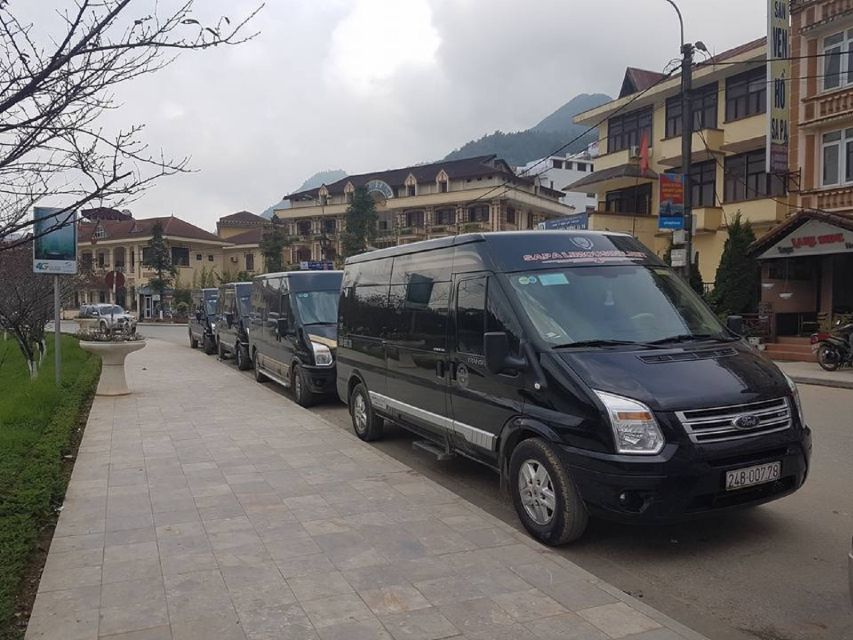
This tour is built around an early Hanoi pickup from the Old Quarter area at 31 P. Lò Sũ, with departures roughly between 6:45 and 7:00. The drive takes about 5.5 hours, and the limousine makes a couple of stops along the way. You arrive in Sapa around 12:30, which matters because it gives you enough daylight for an afternoon trek and still time to settle in.
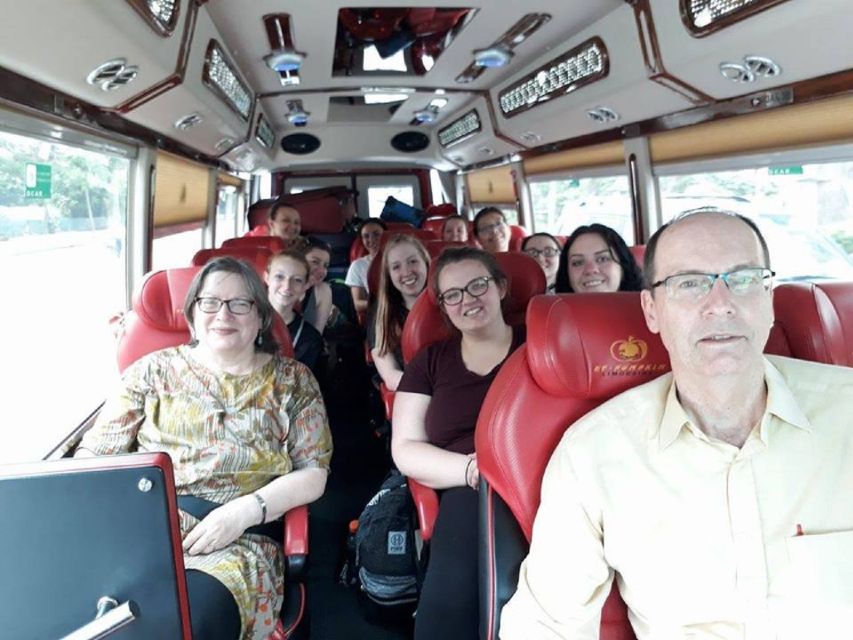
I like that the transportation is included and air-conditioned. It reduces decision stress on a trip where the real work starts right away. You’re also not stuck on a random schedule; the day 1 flow is timed so lunch, check-in, and a first hike all fit.
The only trade-off is the early start. If you’re hoping for a slow travel morning, you won’t get it—Sapa’s this trip’s priority, and Hanoi mornings pay the price.
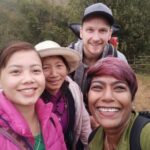
More trails through the Sapa valleys


Day 1: Cat Cat village and an easy valley trek
After lunch and check-in, Day 1 kicks off around 14:30 with a walk to Cat Cat Village, known for the Black H’Mong community. Your guide introduces day-to-day life and helps you understand what you’re seeing, which is where this tour earns its cultural value.
The trek itself is the easier warm-up: about 2 hours covering roughly 4 km as you walk down toward the valley. It’s not a “walk in the park,” but it’s the right kind of effort after the long drive. You’ll likely feel the altitude and humidity more than you’ll feel steep difficulty.
Cat Cat is also at the foot of Mount Fansipan, Vietnam’s highest peak. Even if you don’t go up there on foot yet, it helps to have that mountain context in mind while you’re walking.
In the evening, the schedule gives you freedom: dinner is on your own, and you can use the time to rest, wander, or just reset after the first day. That’s a nice balance when day 2 is the heavy hiking.
Day 2 rice terraces and remote villages: the hard 12–15 km day
Day 2 is where the tour turns into a real hike. After breakfast, you’re looking at a challenging 12–15 km day with multiple village stops. The pacing is more active than Day 1, so this is the day to bring your best shoes and your patience.
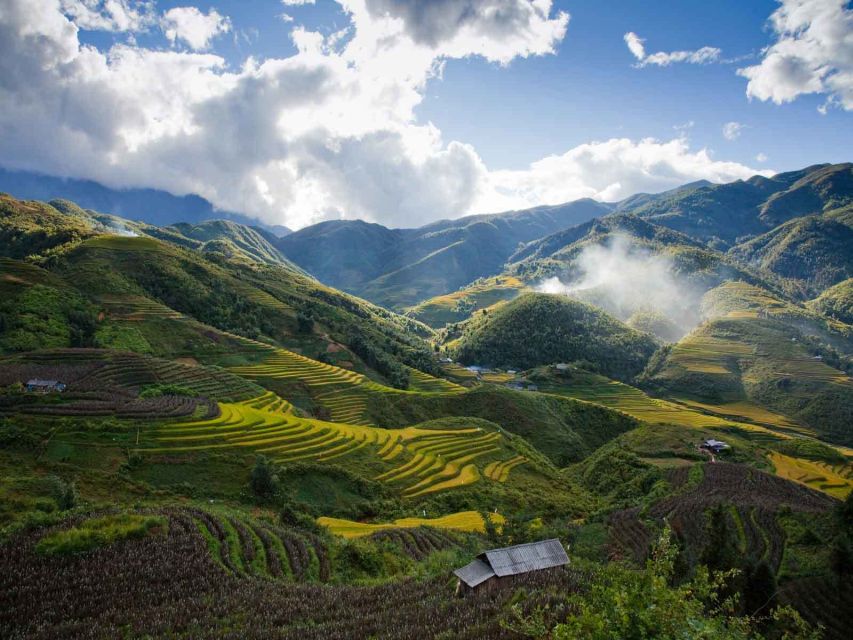
You start with a 5 km trek along rice terraces to Lao Chai, where you’ll meet the Black H’Mong community. Rice terraces look great in photos, but the real value here is the walking rhythm—fields, footpaths, and small moments of everyday village life along the way.
Next you trek to Ta Van, home to the Dzao ethnic minority. This is your mid-route cultural shift: different community, different traditional patterns, and a different feel to the village setting you’re passing through. The tour builds the day so you’re not just hiking in one long, repetitive line.
Then come the less-frequented stops: Y Linh Ho and Ban Ho Village. This part is specifically described as an area that brings more local daily life and fewer tourists. For many people, that’s the moment the trip stops feeling like a standard Sapa loop and starts feeling more like you’re moving through the hill-country rather than visiting it.
Your reward is a return to your hotel and free time to explore Sapa on your own. This is important because you’re not just dropped off at a hotel and forgotten. You get time to shower, eat dinner independently, and recover at a pace that works for you.
Day 3 free morning in Sapa and the Fansipan option
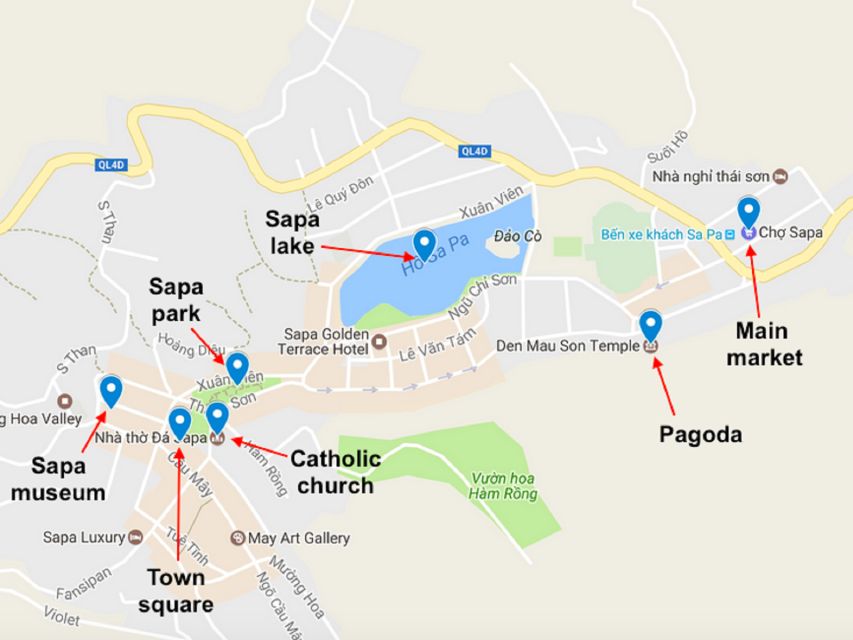
Day 3 is lighter. After breakfast, you’re free for a slow morning in Sapa town. If you want a bigger mountain experience, you can also visit Fansipan Peak on your own by purchasing tickets. The practical note: you’ll need to contact the hotel receptionist for support, or plan on handling it directly.
At 11:30, you check out and have lunch. Then you leave Sapa at about 14:30, arriving back in Hanoi around 21:00. That timeline keeps the trip contained, but it still gives you a real morning to enjoy town views, cafés, and souvenir browsing without a forced schedule.
If you’re the type who likes structure, Day 3 feels like a break. If you’re the type who wants more outdoors, it’s your window to swap the town stroll for Fansipan—assuming you can handle the extra effort and cold at altitude.
Where you sleep: hotel vs homestay and what that changes
This tour includes 2 nights in Sapa, either in a hotel or a homestay depending on your option. The homestay is described as offering basic amenities, so it’s not the place to expect modern comforts.
I think that distinction matters because it affects how you recover between hiking days. A hotel stay tends to be easier for drying trekking gear and getting a proper rest. A homestay can feel more authentic, but you’ll want to be mentally prepared for simpler facilities.
Also, Sapa’s weather can swing. The tour notes that it is normally cold in September through March, and it can get foggy in December through March. Pack for cold mornings and chilly evenings even if the sun looks promising mid-day.
Worth a glance beside this Hanoi pick:
- Halong Bay Full Day with Kayaking, Hiking viewpoint, Cave – Deluxe To Luxury★ 5.0 · 884 reviews
- From Hanoi: 2-Day Sapa Trekking Trip with Homestay & Meals★ 4.8 · 704 reviews
- Sapa 3 Days 2 Nights Trekking Tour (1 Night In Ta Van Village, 1 Night In Hotel)★ 5.0 · 699 reviews
Trekking reality check: what hard really means here

The tour calls Day 1 easier and Day 2 challenging, and the numbers back that up. Day 1 is about 4 km in roughly 2 hours. Day 2 is a 12–15 km day with terrace walking plus multiple village transitions.
If you haven’t hiked a lot on uneven ground, take that seriously. The walking paths in hill-country areas can be muddy, especially in rainy weather. The tour also explicitly warns that the trek can be challenging in the rain.
What you bring affects how much you enjoy it. You’ll want trekking shoes, plus sunglasses and sun hat for sun breaks between clouds. Bring sunscreen and insect repellent too, because Sapa conditions can change quickly and you’ll be outside for multiple hours. The tour also recommends warm clothing, including a scarf and layers, and insect-related medication if you use any.
One more practical tip: bring your money in Vietnamese Dong, since the banking system in Sapa can be unpredictable. The tour also notes that US dollars, euros, and Australian dollars are accepted, but don’t make your whole budget dependent on it.
Cultural value that isn’t just photo time

This isn’t only about views. It’s about meeting communities and learning what you’re seeing while you walk.
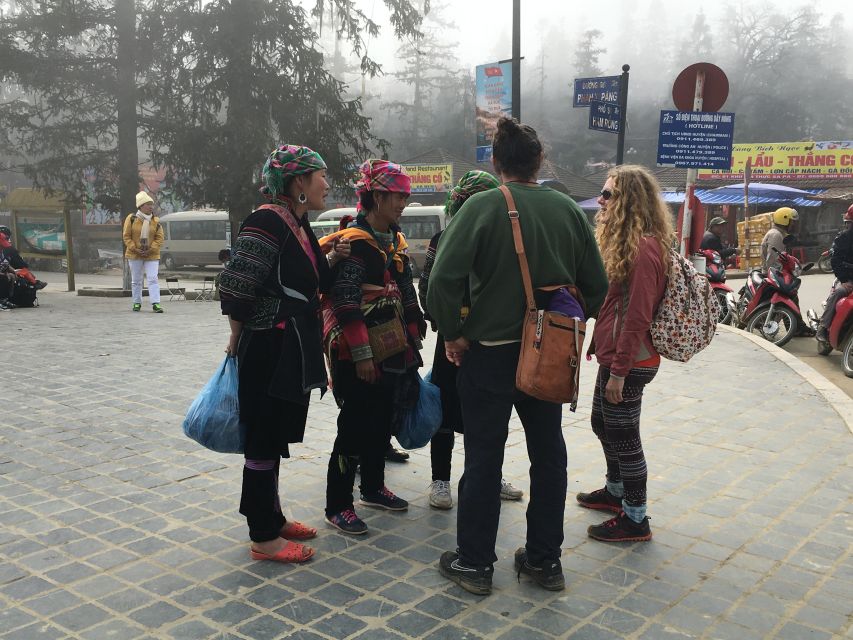
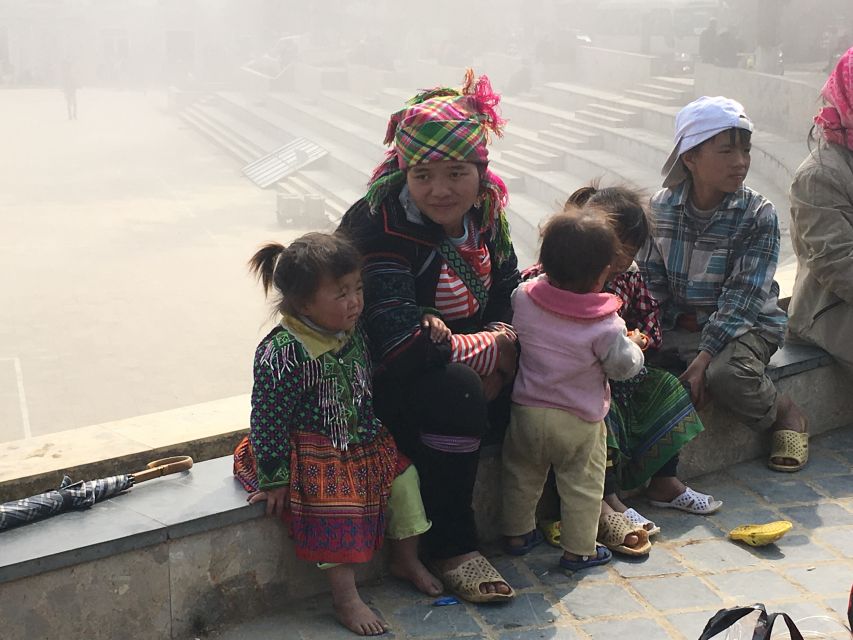
On Day 1, you meet minority community members from the H’mong, Dzao, and Tay groups and see them in traditional costumes. Then your Cat Cat village time is guided, helping you understand local daily life instead of treating it like a quick stop.
Day 2 continues that idea by walking between Lao Chai, Ta Van, and then the more remote Y Linh Ho and Ban Ho. Those are real places with ongoing routines, not just staged performances.
In past experiences, guides have made the cultural side land better. One guide named Me was praised for very good English and solid knowledge about the area. Another guide named Trang stood out for humor and explanations about local life and culture, and she led hikes across the dramatic mountain region where you can’t help but pay attention to the details around you.
That’s the value you should look for: clear guiding that connects the hike to the people you’re meeting.
Food plan: included lunches, then dinner freedom
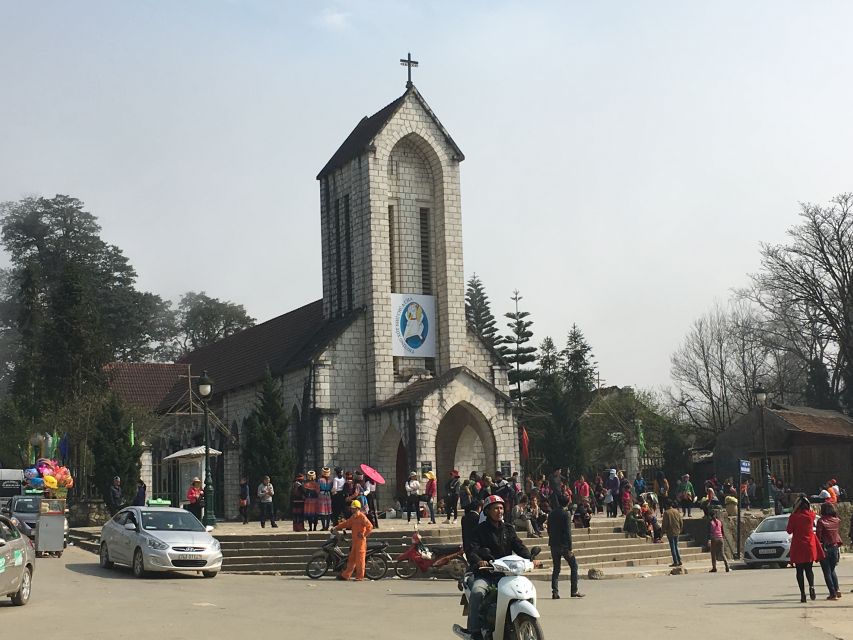
You get 3 lunches and 2 breakfasts included. You’ll also have meal time built into the day, which is a big deal during active walking days when hunger can slow you down fast.
Dinner is not included. That’s a good thing for many travelers because Sapa’s town has plenty of options to match your budget and taste. After the long day 2 hike, having control over dinner is also a simple way to keep your energy up without waiting for group pacing.
Expect the included lunches to keep you moving, not to turn the day into a food tour. If you love slow meals, you’ll have day 3 town time to do that.
Price and value at about $199 per person

At $199 per person, the price feels fair for what’s included: round-trip transportation from Hanoi, an air-conditioned limousine, 2 nights in Sapa, a guide, site entry tickets for the indicated stops, plus most of your meals (2 breakfasts and 3 lunches).
You’re paying for convenience and structure. Doing this yourself can work, but it usually means juggling transport bookings, figuring out routes between villages, negotiating guides, and arranging lodging that’s compatible with hiking. Here, the heavy lifting is handled so you can focus on the walking and the village time.
My rule of thumb: if you know you want a guided trek and you don’t want to wrestle with logistics, this is the kind of package that saves energy. If you’re highly budget-focused and already comfortable coordinating everything on your own, you might spend less by DIY—but you’ll also take on more risk and uncertainty in timing and route quality.
Who should book this Sapa trek from Hanoi
Book it if you want a tight 3-day window, guided village learning, and hiking that gives you a real workout on day 2. You’ll likely appreciate the balance of structure and free time: dinner is yours to choose, and day 3 morning is unplanned so you can go with what feels right.
Skip or reconsider if any of these are true:
- You struggle with longer walking days or uneven trails.
- Rain makes you nervous, and you don’t want to plan for muddy conditions.
- You need mobility-friendly accessibility, since the tour is not suitable for wheelchair users.
- You’re traveling with a child under 6, since it’s not suitable for that age group.
- You prefer high-comfort lodging only, since the homestay option is basic.
If you’re thinking about it and you like the sound of a small group, English guidance, and clear hiking distances, this is a solid fit for an active first Sapa trip.
FAQ
What is the meeting point in Hanoi for this Sapa tour?
Hotel pickup is available in the Hanoi Old Quarter, starting from 31 P. Lò Sũ.
What time do I start the tour, and when do I reach Sapa?
You’ll be picked up between 6:45 and 7:00, and the limousine typically arrives in Sapa at around 12:30 PM.
How long are the treks on Day 1 and Day 2?
Day 1 includes an easy trek of about 2 hours covering roughly 4 km. Day 2 is the challenging trek of about 12–15 km.
What meals are included, and is dinner included?
The tour includes 2 breakfasts and 3 lunches. Dinner and drinks are not included.
Is Fansipan Peak included?
Fansipan Peak is not included by default. You can visit it on your own during the free time, and you’ll need to purchase tickets.
What language is the guide?
The tour has a live English guide.
What should I bring and what is not allowed?
Bring passport or ID, comfortable shoes, sunglasses, and a sun hat, plus warm clothes and trekking essentials like sunscreen and insect repellent. Pets are not allowed, and smoking is not allowed.
More Hiking & Trekking in Hanoi


More Tour Reviews in Hanoi



More Sapa Treks We Walked

Latest Hanoi write-ups from our team






Sapa Trekking Tours, compared.
 ★ 5.0Sapa 2 Days 1 Night From Hanoi – Overnight in Ta Van VillageFrom $592,669 reviews
 ★ 5.0Hanoi – Sapa 2 Days 1 Night Overnight At HomestayFrom $89899 reviews
 ★ 5.0Sapa: Fansipan Cable, Cat Cat Village & Moana Instagram TourFrom $30777 reviews
 ★ 4.8From Hanoi: 2-Day Sapa Trekking Trip with Homestay & MealsFrom $71704 reviews
 ★ 5.0Sapa 3 Days 2 Nights Trekking Tour (1 Night In Ta Van Village, 1 Night In Hotel)From $139699 reviews
 ★ 5.03-Day Trekking Adventure of Sapa from Hanoi – Stay Ta Van VillageFrom $109611 reviews
 ★ 4.82-Day Sa Pa Ethnic Homestay Tour & Trek with Limousine Bus440 reviews
 ★ 5.0Sapa 2 Days 1 Night From Hanoi – Overnight in HotelFrom $89440 reviews
Browse the lists this tour appears in