

Reviewed · SAPA TREKKING TOURS
From Hanoi: 3-Day Sapa Trek with Guide, Homestay and Meals
Sapa is a mountain town with hiking built in. This 3-day trek takes you from Hanoi to Sapa, then into rice terraces and hill-tribe villages around town, finishing with a homestay night where you eat and sleep close to local life.
I especially like two things: the guided trekking that keeps the route moving (and, in the best cases, feels genuinely caring), and the chance to see multiple village communities instead of only one stop. From reviews, the English guides Su and Mu come up a lot for being helpful and attentive, which matters when you’re walking long days in cool mountain weather.
One drawback to plan for: this is not a casual stroll. You’ll be walking several hours across uneven trails, and the operator warns it’s not recommended for senior citizens, not suited for wheelchair users, and not appropriate for children under 6.
In This Review
- Key things that make this Sapa trek worth it
- Why this 3-day Sapa trek feels more real than a one-day sightseeing blitz
- Day 1: Hanoi to Sapa, then Cat Cat Village and a waterfall walk
- Day 2: Muong Hoa Stream rice terraces to Lao Chai and Ta Van homestay
- Day 3: Bamboo forest, Giang Ta Chai panoramas, and the bridge return
- Homestay vs. Sapa hotel: what basic facilities really means for your comfort
- Guides matter: why English support makes the whole trip easier
- Price and logistics: is $138 good value for what you get?
- What to bring for Sapa weather, fog, and long trail days
- Who should book this trek around Sapa?
- Should you book this Sapa trek with guide, homestay, and meals?
- FAQ
- How many hours and kilometers do I trek each day?
- What does the $138 per person include?
- Is the homestay included for the whole trip?
- Are drinks included with the meals?
- Do I need to pay extra for transportation between Hanoi and Sapa?
- Where do you pick me up in Hanoi?
- Is this tour suitable for seniors, children, or people with mobility needs?
- What should I bring for the trek?
- What time do we return to Hanoi on the last day?
- Can I cancel for a refund?
Key things that make this Sapa trek worth it
- English-speaking guide who can explain village life and keep you on track
- Cat Cat Village at the base of Fansipan Peak, plus a walk to a waterfall area
- Muong Hoa Valley trekking with big views, rice terraces, and Muong Hoa Stream scenery
- Ta Van homestay (basic facilities) with family meals and optional cooking time
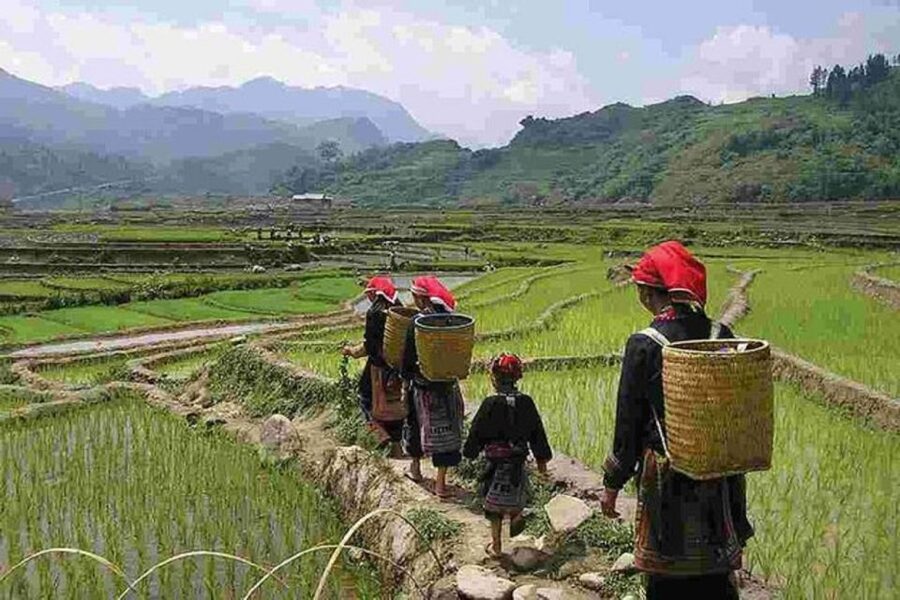
- Multiple ethnic communities: Black Hmong, Dzay, and Red Dzao are part of the route
Why this 3-day Sapa trek feels more real than a one-day sightseeing blitz
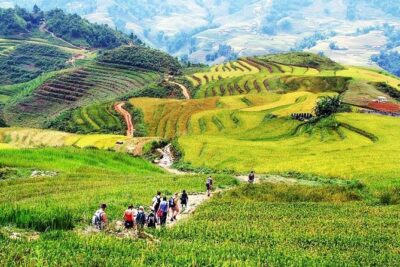
Sapa works best when you slow down. Instead of rushing from viewpoint to viewpoint, this itinerary gives you real walking time through the valley and then time to be with families in the villages. You’re not just looking at rice terraces from far away; you’re actually moving along them, stepping between paddies and streams and seeing how the terrain shapes daily life.
The route also has a smart variety. Day 1 starts with a shorter trek near Cat Cat Village. Day 2 is the main effort through the Muong Hoa area to Lao Chai and onward to Ta Van. Day 3 is lighter by distance but still includes bamboo forest time and panorama stops before heading back to Sapa and then Hanoi.
Finally, the homestay night is a big part of the value. You get included meals, you sleep in a local-style setting, and you’re given time to hang out with the family after check-in. It’s basic, but it’s the kind of basic that connects you to the rhythm of the place.
More trails through the Sapa valleys


Day 1: Hanoi to Sapa, then Cat Cat Village and a waterfall walk

Your day begins with the long transfer from Hanoi to Sapa by bus. If you’re joining the bus from central Hanoi (Old Quarter pickup), you’re looking at a very early start around 6:00–6:30 pickup. The drive includes rest stops (one around Lao Cai City), then you arrive in Sapa around 13:00.
When you reach Sapa town, it’s a quick cultural first hit. You’ll see colorful traditional costumes from groups like H’mong, Dzao, and Tay, and then your guide takes you to lunch with local Vietnamese dishes. This lunch isn’t a random stop; it’s your reset after the bus ride so you can still enjoy the first walk.
The first trek is about 3.5 km, lasting around 2 hours. It’s focused on Cat Cat Village, home of the Black H’mong community, located down in a deep valley near Fansipan Peak. Your guide shows daily life activities, and you walk down toward the valley bottom for a waterfall area. There’s also a historical detail built into the walk: a waterfall tied to a French-built Hydraulic Power Station, which you can see near the route.
A practical note: this day includes a walk downhill and then back uphill. If your legs feel rusty, it helps to go steady and not force the pace. The point of this section is scenery and village atmosphere, not speed.
You’ll head back up to Sapa town in the afternoon (around 16:30), have dinner, and sleep in a hotel. The schedule mentions night activities in Sapa, and even if you skip planned activities, you’ll still have a real evening in town before the longer trekking day.
Day 2: Muong Hoa Stream rice terraces to Lao Chai and Ta Van homestay
Day 2 is the day you came for. After breakfast (around 7:00–8:30 at the hotel), you check out and head into the countryside. The trek starts around 8:30–8:45, moving through rice terraces and along Muong Hoa Stream.
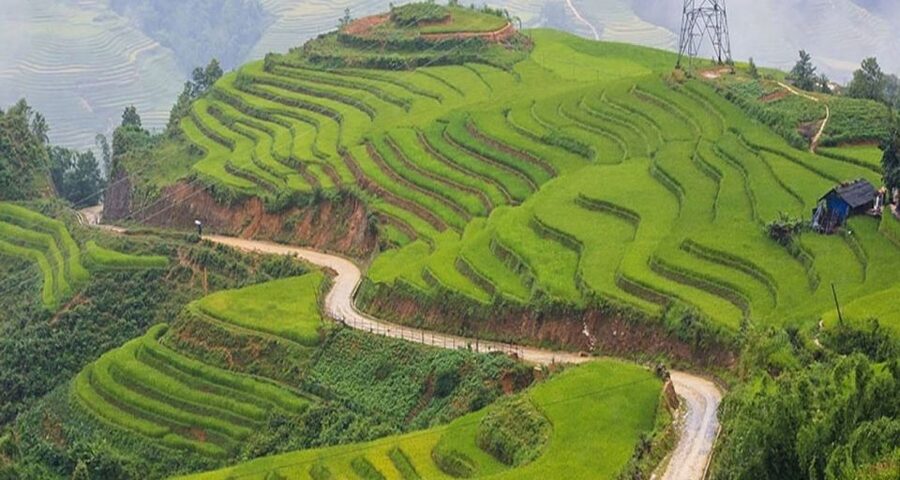
This stretch is about 12 km and takes roughly 4 hours. It’s also one of the best “Sapa feels big” moments: you’ll pass through farming views tied to the Hoang Lien Son mountain area, and you’ll reach Lao Chai, a Black Hmong village known for stunning terraced scenery. Walking here gives you a better sense of how the hills are shaped for agriculture. The terraces aren’t just photographed; they guide your route.
Lunch is part of the experience, not just fuel. You’ll eat Vietnamese dishes made by a family in the area (around 12:00–13:30). This kind of meal is one of the reasons the tour feels more connected than a typical group hike. You’re not just buying food at the end of the trail; you’re eating what’s available locally as part of the day.
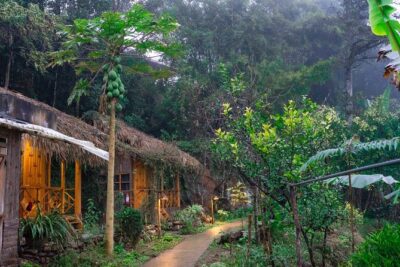
After lunch, the pace shifts toward homestay time. Late afternoon brings you to Ta Van Village, home of the Dzay ethnic group. Around 14:30, you check in to a bungalow and spend time getting to know the family. There’s explicit time for mountain-life relaxing, including sunset.
Dinner is included, and you may also join in with cooking local dishes. That’s optional, but if you’re curious, it can be a great way to understand what you’re eating and how family routines fit around the seasons.
In the evening, there’s also an option to join a local bar nearby with music and socialize with other tourists. Even if you don’t go out, this is still a meaningful change from hotel life. You’re awake in a village setting and that alone changes how you remember the day.
Day 3: Bamboo forest, Giang Ta Chai panoramas, and the bridge return
Day 3 starts with breakfast prepared by the family, around 8:00. Then you hit the trail again at 8:45, focusing on photo-friendly terrain and more variety in walking surfaces.
The route includes a photo session in rice paddies, then a walk through a bamboo forest. That bamboo section is more than scenery; it helps break up the day after two trekking-heavy mornings in Sapa. It also tends to feel cooler under the canopy, which can be a big deal in foggy or damp conditions.
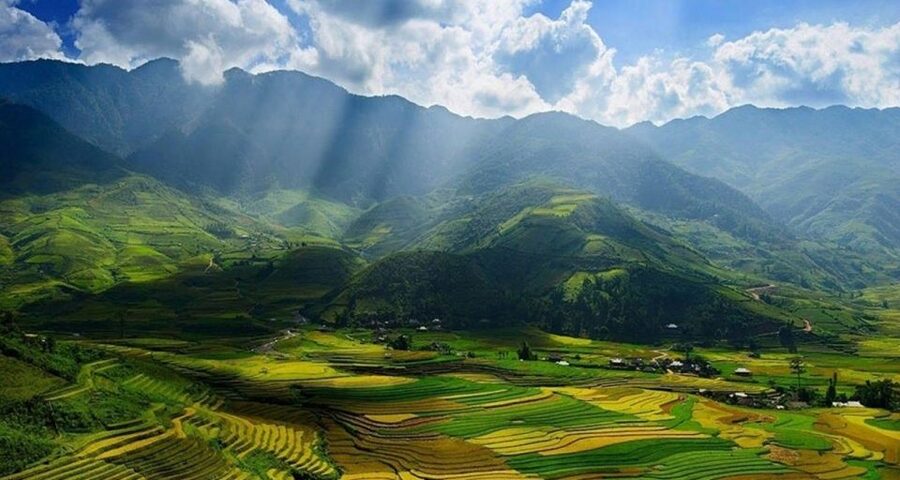
You’ll also stop at a panorama view of Giang Ta Chai Village, home of the Red Dzao people. This is one of the more “look out and understand the place” moments. You see the village setting from above and connect it to the earlier terrace walking.
Trekking distance on Day 3 is about 3 km, with about 3.5 hours on the trail. It’s shorter than Day 2, but it’s still long enough that your shoes matter and your pace needs to be steady.
Around 11:00, you trek through Giang Ta Chai Bridge to the main road, where the bus picks you up to return to Sapa town. Lunch comes after the return (around 12:30–13:30), and the mid-afternoon window (13:30–14:45) is your decompression time—use it to shower, sort photos, and simply rest.
Then the bus goes back to Hanoi with two rest stops, and you arrive around 21:30–21:45. It’s a full day, but it’s also nicely timed so you don’t lose your whole evening to transit.
Homestay vs. Sapa hotel: what basic facilities really means for your comfort
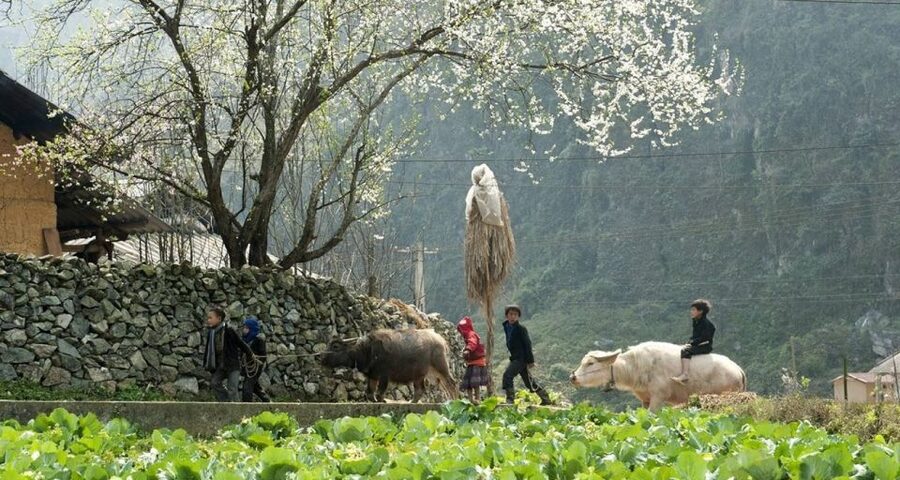
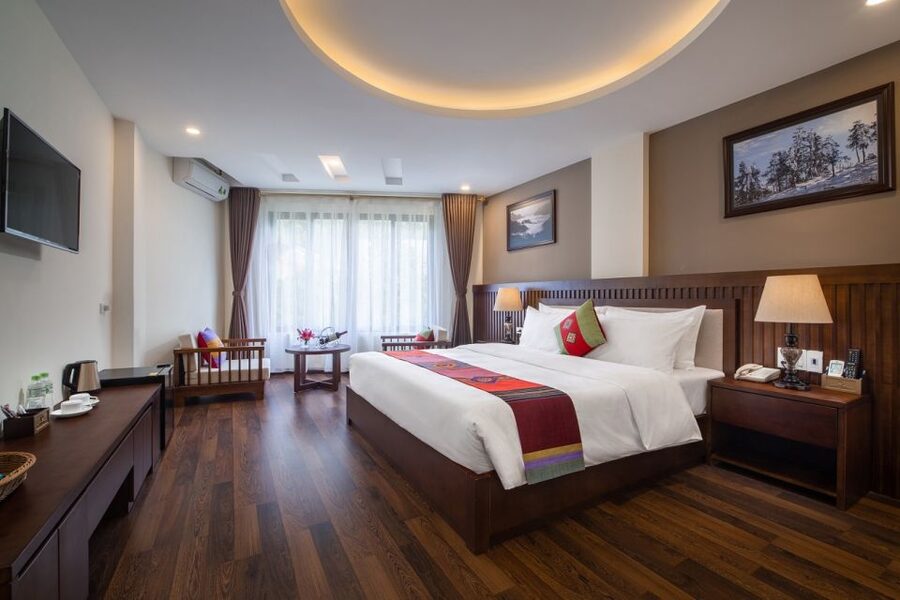
This tour includes one night at a homestay and one night at a hotel in Sapa. That mix is a good compromise: you get real village life without having to live without a proper base for everything.
The homestay is described as basic with simple facilities. That usually means fewer comforts than a hotel—so don’t plan your expectations around luxury. What you’re buying is access: included meals, family time, and the sense that your presence fits into the village day rather than replacing it.
What helps: go in prepared. Warm clothing is important, and a scarf and hat aren’t optional when the weather turns cool. If you get cold easily, plan to layer early and adjust throughout the day.
The hotel night in Sapa is your chance to reset. After Day 2 trekking, it’s exactly what you want—especially before the final trail walk and the late bus back to Hanoi.
Worth a glance beside this Hanoi pick:
- Hanoi: Guided Food Tour with Train Street Visit★ 4.9 · 6,239 reviews
- Hanoi: Guided Street Food Tour with Train Street Experience★ 4.9 · 2,479 reviews
- Ninh Binh Full-Day Small Group of 9 Guided Tour from Hanoi★ 5.0 · 1,422 reviews
Guides matter: why English support makes the whole trip easier
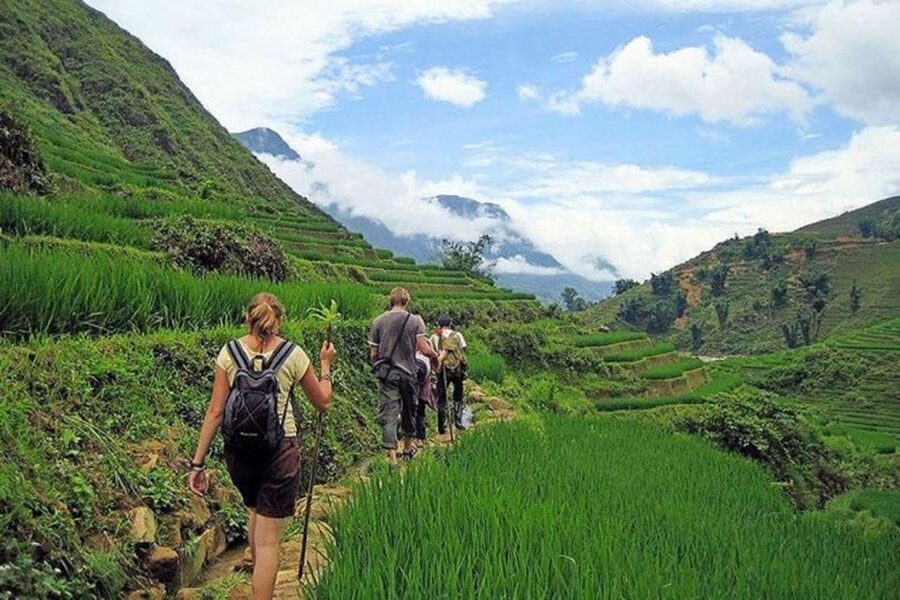
The route depends on your guide. They handle village connections, keep the timing sane, and provide context so the walking has meaning. Since you’ll be in areas with multiple ethnic communities, a good guide also helps you understand what you’re seeing and how the local culture fits into the landscape around town.
Reviews specifically highlight guides Su and Mu as people who take good care of participants. I take that seriously: in a trek setting, good care can mean more than kindness. It can mean pacing that matches the group, clear instructions, and making sure you’re pointed where you need to be when paths get confusing.
Also, an English-speaking guide helps you ask questions. You’ll be near villages tied to groups like Black Hmong, Dzay, and Red Dzao, and the ability to understand daily life and traditions makes those conversations far more than a quick photo moment.
Price and logistics: is $138 good value for what you get?
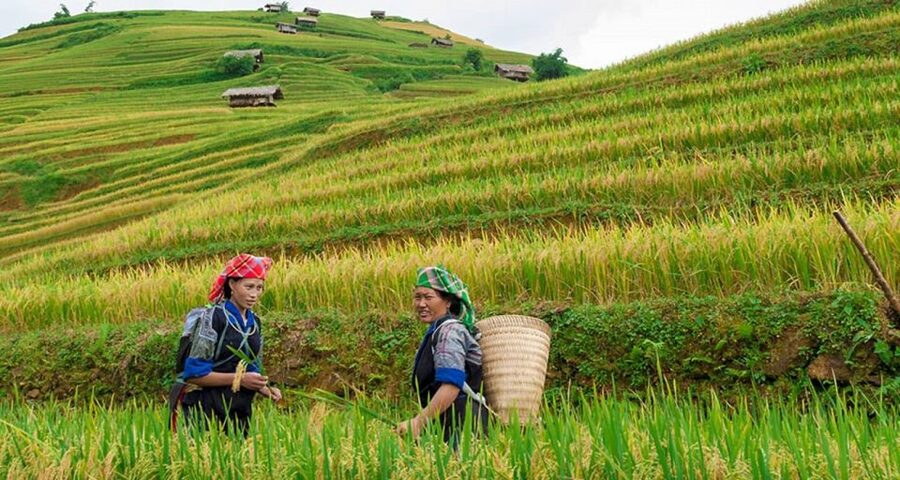
At $138 per person, the headline value is strong—mainly because meals and key elements are included. You’re getting:
- all meals (drinks not included)
- an English-speaking tour guide
- transportation in Sapa
- village entrance fees
- 1 night homestay
- 1 night hotel
What’s not included is where you need to plan your total budget. Drinks aren’t included. And the Hanoi to Sapa and back transfer is extra: $15 per person for shuttle or $20 per person for limousine, listed for the round-trip Hanoi–Sapa–Hanoi.
If you’re traveling solo and want a private room, there’s a single supplement of $30.
So here’s the practical math: the $138 covers the trekking experience elements that are hard to recreate on your own—guide, meals, village fees, and the homestay + hotel split. You still need to pay for the long-distance transport between Hanoi and Sapa, but the total still tends to work out well compared to booking pieces separately, especially if you want everything connected with less planning stress.
What to bring for Sapa weather, fog, and long trail days
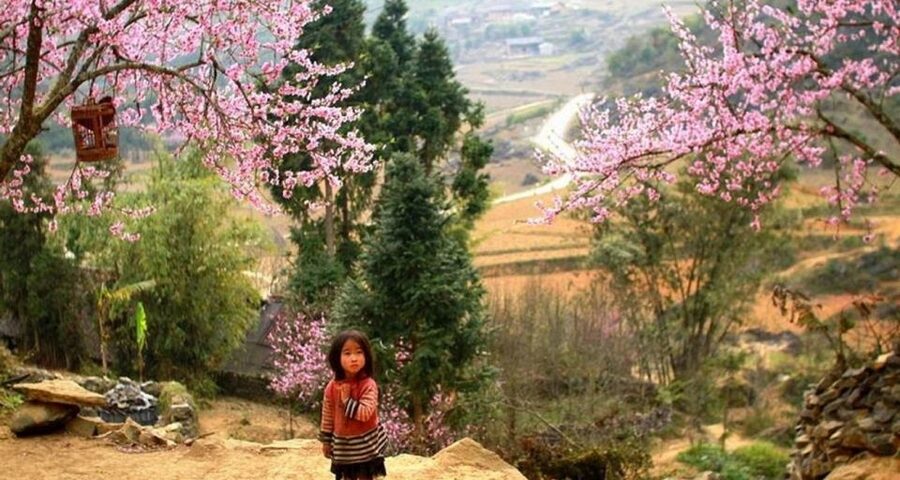
Sapa weather can change fast, and the colder months (December through March) may bring fog. The tour strongly suggests you bring:
- warm clothes, plus a scarf, hat, and cap
- trekking shoes (not flimsy sneakers if you want comfortable feet)
- sunglasses, sun screen, and insect repellent
Also plan for money and documents:
- bring passport or ID card
- bring cash in Vietnamese Dong, because banking can be unreliable in Sapa
- US dollars, euros, and Australian dollars are accepted
One more reality check: this isn’t a trek you want to do barefoot, unprepared, or in the wrong footwear. If you only pack for cities, the trail will remind you.
Who should book this trek around Sapa?
This is best for people who like walking and who want more than a quick tour. You’ll enjoy it if you:
- want rice-terrace trekking around Muong Hoa Valley
- want cultural access through village visits like Cat Cat, Lao Chai, and Ta Van
- are comfortable with basic homestay facilities and included meals
- prefer an English guide so you can actually understand what you’re seeing
It’s not a good fit if you need wheelchair access, if you’re relying on minimal walking, or if you fall into groups the operator warns about: senior citizens, handicapped people, and children under 6.
Should you book this Sapa trek with guide, homestay, and meals?
If you’re choosing between a one-day look at Sapa and a trek that gives you real time in the villages, I’d lean toward this one. The itinerary balances a shorter village walk on Day 1 with a longer Day 2 through Muong Hoa and then a varied Day 3 with bamboo forest and panorama views. The included meals and homestay time are what turn the trip from sightseeing into a lived-in experience.
Book it if you can handle several hours of walking, bring warm layers, and you want to connect with Black Hmong, Dzay, and Red Dzao communities through guided village visits. I’d skip it if comfort and low-effort walking matter more to you than being out on the trail.
If you want, tell me your travel month and your fitness level (easy/moderate/hard), and I’ll suggest whether you’ll likely enjoy the pacing and what to prioritize for packing.
FAQ
How many hours and kilometers do I trek each day?
Day 1 includes a trekking distance of about 3.5 km for around 2 hours. Day 2 is about 12 km for about 4 hours. Day 3 is about 3 km for about 3.5 hours.
What does the $138 per person include?
It includes all meals, an English-speaking tour guide, transportation in Sapa, village entrance fees, one night at a homestay, and one night at a hotel.
Is the homestay included for the whole trip?
You get one night at a homestay, and one night at a hotel in Sapa.
Are drinks included with the meals?
No. Drinks are not included.
Do I need to pay extra for transportation between Hanoi and Sapa?
Yes. The transfer Hanoi–Sapa–Hanoi is listed as an extra charge: $15 per person for shuttle or $20 per person for limousine (round trip).
Where do you pick me up in Hanoi?
Pickup is included for accommodations located in central Hanoi. The guide meets you at your accommodation about 5 minutes before the scheduled departure time.
Is this tour suitable for seniors, children, or people with mobility needs?
The operator says it is not recommended for senior citizens. It also states handicapped people and children under 6 years old should not take part, and it is not suitable for wheelchair users.
What should I bring for the trek?
Bring warm clothes, a scarf, hat, and cap. You should also bring trekking shoes, sunglasses, sun screen, and insect repellent. You’ll also need a passport or ID card, and it’s recommended to bring cash in Vietnamese Dong.
What time do we return to Hanoi on the last day?
You arrive in Hanoi around 21:30–21:45.
Can I cancel for a refund?
Yes. Free cancellation is available up to 24 hours in advance for a full refund.
More Guided in Hanoi





More Tour Reviews in Hanoi




More Sapa Treks We Walked

Latest Hanoi write-ups from our team






Sapa Trekking Tours, compared.
 ★ 5.0Sapa 2 Days 1 Night From Hanoi – Overnight in Ta Van VillageFrom $592,669 reviews
 ★ 5.0Hanoi – Sapa 2 Days 1 Night Overnight At HomestayFrom $89899 reviews
 ★ 5.0Sapa: Fansipan Cable, Cat Cat Village & Moana Instagram TourFrom $30777 reviews
 ★ 4.8From Hanoi: 2-Day Sapa Trekking Trip with Homestay & MealsFrom $71704 reviews
 ★ 5.0Sapa 3 Days 2 Nights Trekking Tour (1 Night In Ta Van Village, 1 Night In Hotel)From $139699 reviews
 ★ 5.03-Day Trekking Adventure of Sapa from Hanoi – Stay Ta Van VillageFrom $109611 reviews
 ★ 4.82-Day Sa Pa Ethnic Homestay Tour & Trek with Limousine Bus440 reviews
 ★ 5.0Sapa 2 Days 1 Night From Hanoi – Overnight in HotelFrom $89440 reviews
Browse the lists this tour appears in