

Reviewed · SAPA TREKKING TOURS
From Hanoi: 2-Day Trekking To Villages In Sapa with Homestay
A good trek starts with the right kind of planning. This 2-day Sapa trip mixes village life in Ta Van with serious walking through the Muong Hoa Valley, plus a second-day hike to a Red Dzao area. You also get roundtrip bus transport from Hanoi, so you’re not spending your energy solving logistics.
I especially like two things: the small group setup (max 16) and the way the homestay experience is built around living with a local family in a traditional cottage. It’s the kind of day where you’re not just passing through.
One possible drawback: this is not a casual stroll. You need a good level of physical fitness for the hikes and the early start on Day 2.
In This Review
- Key things I’d look for before booking
- From Hanoi to Sapa: the bus start that sets your pace
- Muong Hoa Valley trails toward Lao Chai and Ta Van
- Ta Van homestay: living with a host family in a traditional cottage
- Day 2 at 6:30 AM: Dzang Ta Chai and the Red Dzao waterfall pause
- Price and what you truly get for $84
- Trek reality check: what to bring (and what to leave behind)
- Who this Sapa homestay trek is for
- Should you book this 2-day Sapa trek with Ta Van homestay?
- FAQ
- How long is the trekking and homestay experience?
- Where does the tour take place?
- What is the price?
- What meals are included?
- Is the tour guided and in English?
- How many people are in the group?
- How do you get between Hanoi and Sapa?
- Where is the homestay?
- What level of fitness is required?
- Who should not book this tour?
Key things I’d look for before booking

- Muong Hoa Valley walking: a long, rewarding day along the valley trails toward Lao Chai
- Black H’mong village stop at Lao Chai: a chance to see terraced-country village life up close
- Ta Van homestay in a local cottage: you stay with a family, not in a generic lodge
- Red Dzao focus on Day 2: the hike to Dzang Ta Chai is a different cultural chapter
- English-speaking guide and admissions handled: less guesswork, more time on the trail
- Hanoi–Sapa roundtrip by bus: built into the experience, not an afterthought
From Hanoi to Sapa: the bus start that sets your pace

Sapa is famous, but getting there can be chaotic if you’re doing it on your own. Here, the plan is simpler: you start with a morning bus journey from Hanoi to Sapa, arriving around lunchtime. That timing matters. You get enough time to freshen up, eat, and be ready before the first hike begins.
Because bus transport is included, you can focus on the day instead of juggling schedules. You also have a guide during the experience, and the tour keeps group flow tight: lunch first, then walking, then an evening that leads into the homestay.
If you’re used to flexible travel, this kind of structure can feel very practical. It also helps if you’re traveling solo and want someone to manage the handoffs—without turning the trip into a rush.
More trails through the Sapa valleys

Muong Hoa Valley trails toward Lao Chai and Ta Van
Day 1 is the longer hiking day, and it’s built around the Muong Hoa Valley. After lunch in Sapa, you set out along small trails that take you toward the Black H’mong village of Lao Chai. This is one of the best parts of Sapa for first-timers who want actual walking time, not just a view stop.
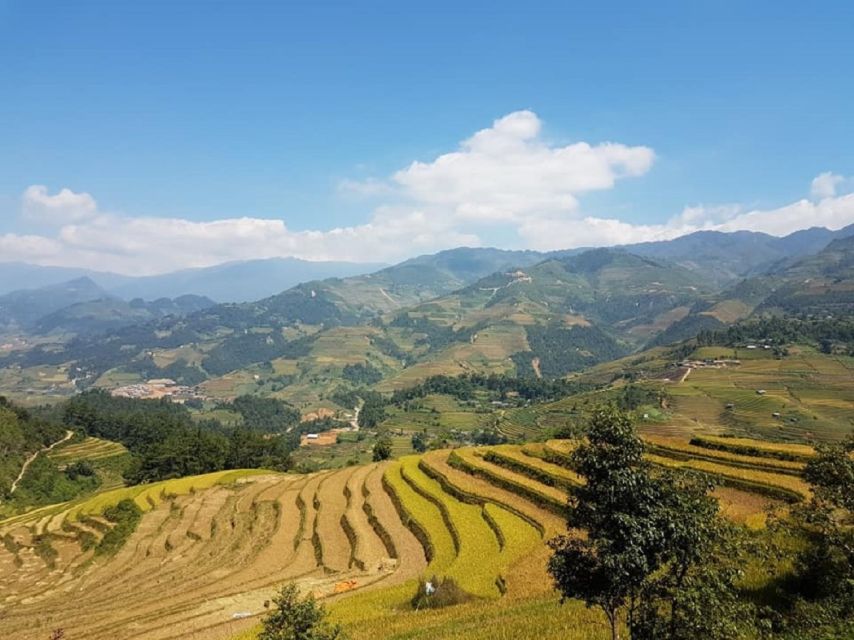
You’ll cover about 12 kilometers along the bottom of the valley toward Ta Van. The walking route is designed to give you sweeping views of terraced fields as you go. Those terraces aren’t just pretty on a postcard—they’re how people farm and live, and the trail puts you at a human scale within that system.
On the way, you’re not bouncing between random spots. The pacing is focused: hike, admire, then keep moving. By late afternoon, you arrive in Ta Van for the homestay portion.
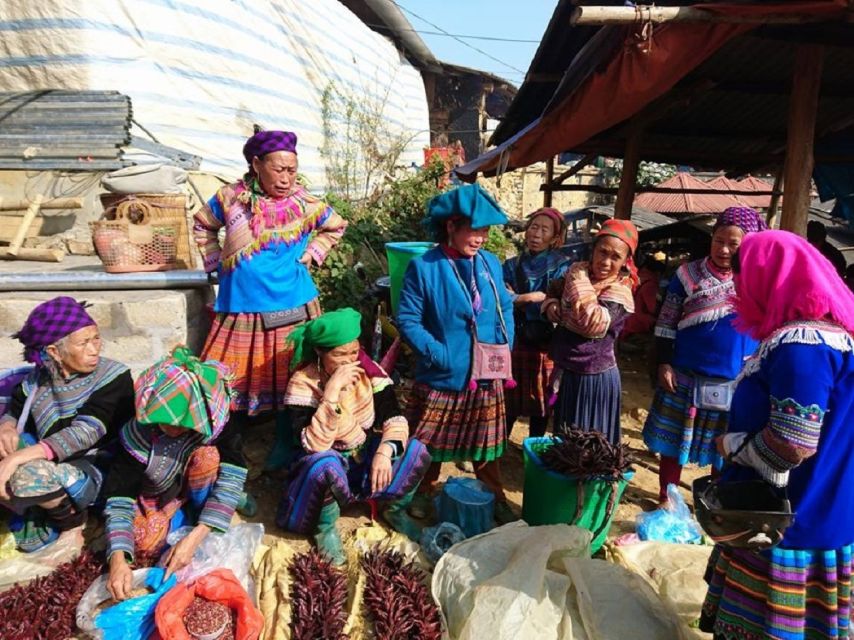
Ta Van is home to the Dzay tribe in this itinerary, and that matters because your day isn’t only about geography—it’s about meeting communities and spending time with a host family in their daily setting.
A practical note: Day 1 runs through late afternoon. If you’re the type who needs long decompression time after traveling, plan for the fact that this trip keeps you active right away.
Ta Van homestay: living with a host family in a traditional cottage

The homestay is the heart of this experience. You’re not just watching culture from a distance—you’re staying in a traditional family cottage in Ta Van. That changes the tone of the trip immediately. Instead of the standard check-in, you’re part of the house rhythm: meals, conversation, and village time.
You’ll also have your own time in the village the next morning, which is a nice touch. Waking up in a homestay setting gives you a different view of the day than if you’d arrived late and left early.
Meals included in the package make this easier. You get a dinner at a local restaurant (Day 1) plus homestay food elements like breakfast on Day 2. You’ll also have two lunches total across the trip. That’s a big value point because it reduces meal-search time in a region where options may be limited once you’re off the main roads.
Also, the tour asks you to follow a few house rules:
- Shoes indoors are not allowed
So bring trekking shoes for outside and be ready for house footwear rules.
This is not the kind of homestay where you should expect hotel-style amenities. But if your goal is to learn daily life and understand how families structure their day, this format fits well.
Day 2 at 6:30 AM: Dzang Ta Chai and the Red Dzao waterfall pause

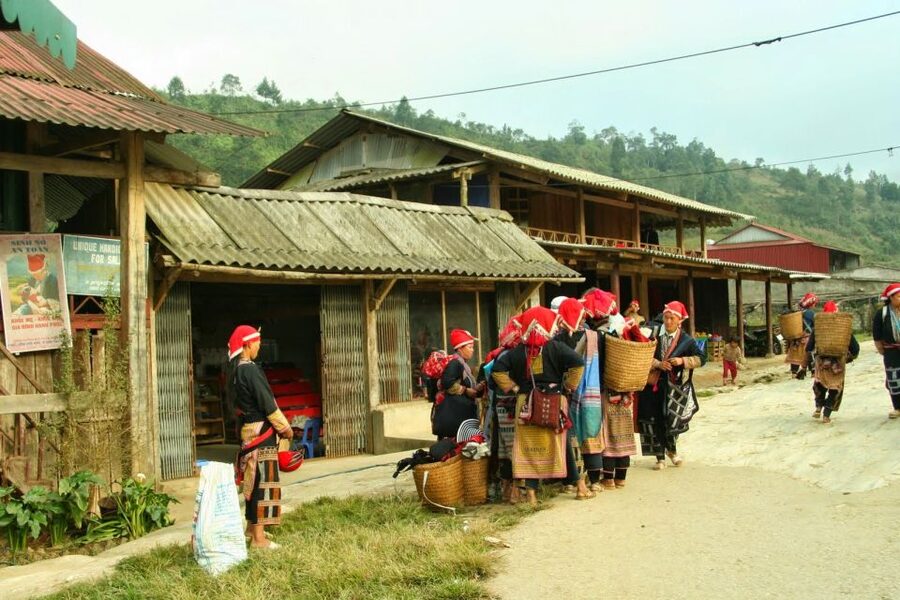
Day 2 starts early, with a 6:30 AM wake-up call. After that, you enjoy breakfast at the homestay, then you’re off for the hike to Dzang Ta Chai, which is described here as home of the Red Dzao tribe.
This is where the trip’s theme shows up clearly: two communities, two ways of living, and you experience the difference through the walking route and the village context. It’s not the same village twice. Day 2 is designed to shift gears from the Ta Van setting into a Red Dzao context.
During the hike, you’ll continue along the route and reach a waterfall area. There’s a rest break there plus a picnic lunch. I like this kind of stop because it breaks up the effort with something tangible—water, shade, and a pause that doesn’t feel staged.
Then the afternoon turns back to transport and recovery. You get bus transfer back to Sapa, time to freshen up at your hotel, and then the ride back to Hanoi.
For me, the value of Day 2 is that it gives you contrast. If Day 1 felt like “valley views plus homestay,” Day 2 becomes “people and place, through another tribe’s area,” ending with a clear reset back to the city schedule.
Price and what you truly get for $84
At $84 per person for a 2-day, 1-night experience, you’re paying for more than walking. You’re buying a bundle: guide time, admissions, meals, and the main transport piece from Hanoi.
Here’s what’s included:
- 1-night homestay accommodation
- Hanoi–Sapa transfer (bus)
- Guide (English)
- 1 breakfast
- 2 lunches
- 1 dinner at a local restaurant
- Admission fees
- Mineral water
And what’s not included:
- Drinks and other meals not mentioned
- Hotel pickup and drop-off from Hanoi
- Solo supplement surcharge for solo travelers ($30)
That solo supplement is worth noting because it can change the total number you compare with other treks. Still, the overall inclusions are solid: meals plus homestay plus guide reduces the number of separate payments you’d otherwise make in a day-by-day plan.
One more value detail: admission fees are covered. In many Sapa itineraries, you end up paying small add-ons along the way. Handling those up front makes the day feel smoother.
If you already know Sapa well and want to wander on your own, you might not need this package. But if you’re new to the region, $84 becomes more reasonable because it covers the hard parts: getting there, getting guided, and having meals and lodging handled.
Worth a glance beside this Ninh Binh pick:
- Ninh Binh: Cuc Phuong Jungle Hike & Wildlife Day Trip★ 4.4 · 327 reviews
- Ninh Binh: Mua Cave Hike, Trang An Boat & Village Bike Tour★ 3.8 · 10 reviews
- From Ninh Binh: Cuc Phuong National Park Trekking Day Tour★ 3.8 · 5 reviews
Trek reality check: what to bring (and what to leave behind)
This is a real trek. The tour is clear that you need a good level of physical fitness, and the itinerary includes long walking stretches, including a 12-kilometer day on Day 1 and early-morning hiking on Day 2.
Packing smart matters because you’ll be walking outdoors most of the time and you’ll want to be comfortable in village settings.
Bring:
- Passport or ID card
- Comfortable shoes
- Sunglasses, sun hat, and a hat
- Camera and charged smartphone
- Insect repellent
- Cash
- Scarf
- Personal medication
- Trekking gear
Leave at home:
- Oversize luggage and large bags
- Anything that makes you feel weighed down on steep or uneven trail sections
- Shoes indoors (you’ll follow the homestay house rule)
A small but important point: cash is mentioned. That’s your hint to keep a little on hand for small purchases or extra snacks you might want outside what’s included.
Who this Sapa homestay trek is for
This tour fits best if you want:
- Cultural connection through spending time in Ta Van and meeting a Red Dzao community at Dzang Ta Chai
- Guided hiking with English support, so you’re not stuck translating everything in your head
- A trip that balances transport, meals, and lodging so you’re not hunting for logistics at the end of a long day
It may not be a great match if you:
- Want a low-effort hike
- Need wheelchair access (not suitable)
- Are traveling with very young kids (not suitable for children under 6)
- Are pregnant (not suitable)
If you’re traveling solo, you can still do it, but budget for the $30 single supplement and be ready for homestay house rules like shoes indoors.
Should you book this 2-day Sapa trek with Ta Van homestay?
I’d book it if you want a structured, well-run way to experience Sapa beyond one viewpoint. The homestay setup in Ta Van is a key draw, and the itinerary uses two walking days to connect the region’s valley trails with two different tribal contexts. The trip also feels practical: small group size, an English guide, and transport plus most meals handled in one package.
Don’t book it if your plan is mostly about comfort, very light walking, or you’re sensitive to early starts and long trail hours. Also be realistic about fitness. This is active travel.
If you match the fitness level and you care more about meeting people than ticking off scenery, this one has a good chance of becoming one of your Sapa highlights.
FAQ
How long is the trekking and homestay experience?
It’s a 2-day trip with 1 night of homestay accommodation.
Where does the tour take place?
It takes place in Sapa, in the Dong Bac region of Vietnam.
What is the price?
The price is $84 per person.
What meals are included?
You get 1 breakfast, 2 lunches, and 1 dinner at a local restaurant. Mineral water is also included.
Is the tour guided and in English?
Yes. The tour includes a live guide and the language is English.
How many people are in the group?
The group is small, limited to 16 participants.
How do you get between Hanoi and Sapa?
You have roundtrip transportation by bus from Hanoi to Sapa and back.
Where is the homestay?
The homestay is in Ta Van, in a local family’s traditional cottage.
What level of fitness is required?
This activity requires a good level of physical fitness.
Who should not book this tour?
It’s not suitable for children under 6, pregnant women, or wheelchair users.
More Hiking & Trekking in Ninh Binh




More Tour Reviews in Ninh Binh


More Sapa Treks We Walked
Latest Ninh Binh write-ups from our team






Sapa Trekking Tours, compared.
 ★ 5.0Sapa 2 Days 1 Night From Hanoi – Overnight in Ta Van VillageFrom $592,669 reviews
 ★ 5.0Hanoi – Sapa 2 Days 1 Night Overnight At HomestayFrom $89899 reviews
 ★ 5.0Sapa: Fansipan Cable, Cat Cat Village & Moana Instagram TourFrom $30777 reviews
 ★ 4.8From Hanoi: 2-Day Sapa Trekking Trip with Homestay & MealsFrom $71704 reviews
 ★ 5.0Sapa 3 Days 2 Nights Trekking Tour (1 Night In Ta Van Village, 1 Night In Hotel)From $139699 reviews
 ★ 5.03-Day Trekking Adventure of Sapa from Hanoi – Stay Ta Van VillageFrom $109611 reviews
 ★ 5.0Sapa 2 Days 1 Night From Hanoi – Overnight in HotelFrom $89440 reviews
 ★ 4.82-Day Sa Pa Ethnic Homestay Tour & Trek with Limousine Bus440 reviews
Browse the lists this tour appears in