
Reviewed · SAPA TREKKING TOURS
From Hanoi: 2 Day Sapa Trekking To Village & Bungalow, Meals
Foggy mountains, real village days, and a simple plan. This Sapa trip keeps things grounded: you ride up from Hanoi, hike through classic Sapa trails, then sleep in a Ta Van homestay instead of a generic hotel. You’ll also spend real time near the Muong Hoa Stream and rice terraces, not just photo stops.
What I really like is the way this route mixes ethnic villages with mountain air. You’ll walk Y Linh Ho and then reach Lao Chai and Ta Van, where the focus shifts from scenery to people, daily life, and food.
One thing to consider: logistics can be confusing if you don’t confirm what you’ve paid for up front. Even with a published itinerary, I’d verify the Hanoi–Sapa–Hanoi bus part and watch for village-area sellers who may not explain details clearly.
In This Review
- Key Highlights You’ll Actually Care About
- A Smooth Hanoi-to-Sapa Trek That Still Feels Like Sapa
- Day 1: Hanoi to Sapa, Then Y Linh Ho → Lao Chai → Ta Van
- The long bus morning (and why it’s worth it)
- Sapa town first: a quick culture hit
- The trek itself: terraces + valley walking
- Check-in and sunset time in Ta Van
- Ta Van Homestay: Why This Stop Makes or Breaks the Trip
- The best way to make this experience feel respectful
- Day 2: Ta Van → Giang Ta Chai Village (Red Dzao) + Bamboo Forest Views
- Breakfast first, then an easier second hike
- Rice paddies and a photo window
- Bamboo forest segment and Red Dzao panorama stop
- The Giang Ta Chai Bridge moment and back to the road
- Afternoon Sapa free time + bus back to Hanoi
- Price and Logistics: Is $87 Good Value Here?
- What your money covers (based on the package)
- The one “ask before you pay” area
- Solo travelers: check the single supplement
- Cash advice for Sapa
- What to Pack (and What Weather Can Do to Your Views)
- Who This Trek Fits Best
- Should You Book This Sapa Trek?
- FAQ
- How much trekking is there each day?
- What does the package include for meals?
- Where is the pickup in Hanoi?
- Do you stay in Ta Van overnight?
- Is an English guide included?
- What should I bring for the trek?
- Do I need cash in Sapa?
Key Highlights You’ll Actually Care About
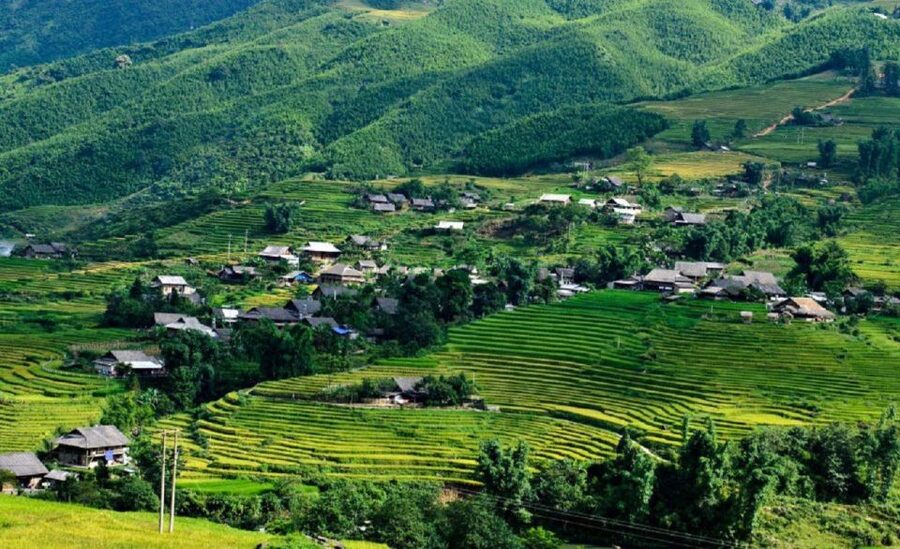
- Short, realistic trekking blocks: about 9 km (3.5 hours) on Day 1 and 4 km (2 hours) on Day 2
- Ta Van homestay experience: stay with a Giay/Dzay family and eat meals that fit the rhythm of the village
- Ethnic-culture stops along the way: Lao Chai (Black Hmong area) and Giang Ta Chai (Red Dzao)
- Nature-focused walking: rice paddies, Muong Hoa valley, and a bamboo forest segment
- Return by bus with timed breaks: you’re not stuck planning late-night transport back to Hanoi
- What’s included is clear—until you ask questions: meals, guide, fees, mineral water, but confirm anything not explicitly listed
A Smooth Hanoi-to-Sapa Trek That Still Feels Like Sapa
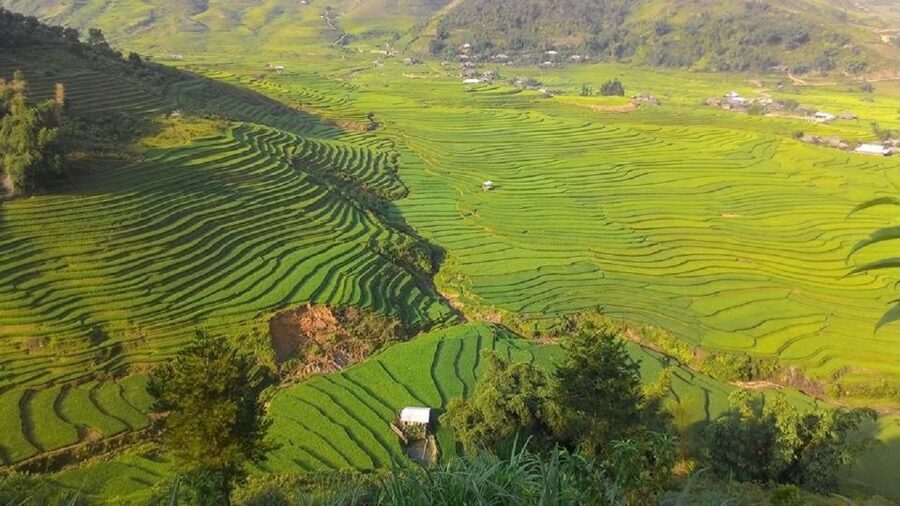
This is the kind of Sapa trip that makes sense if you want the best bits in a short time—without turning your whole day into a long bus ordeal plus a token walk. The plan is structured, but the pace on the trail still leaves room to notice what’s around you: the terraces, the stream valley, and the way the villages sit against the mountains.
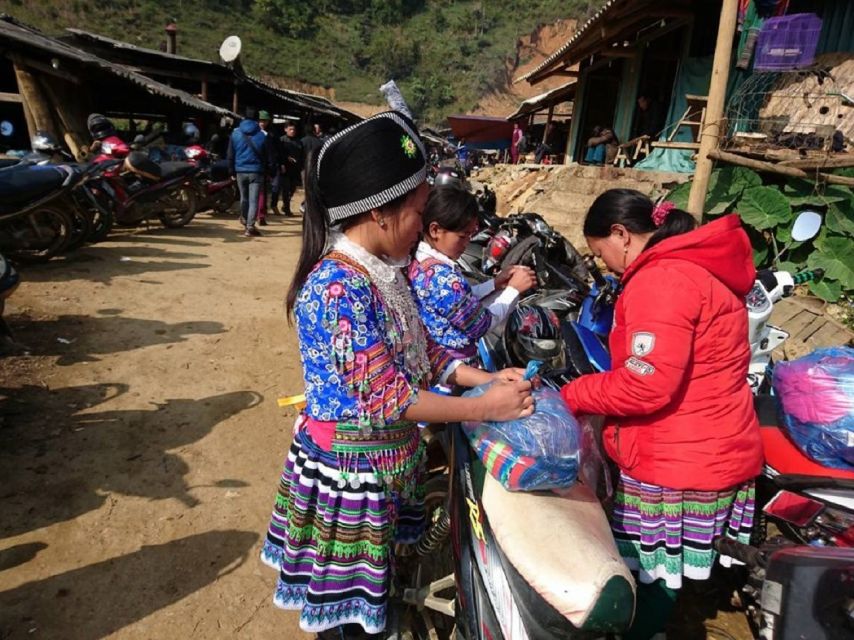
You start with a modern bus pickup from the Hanoi Old Quarter area (and if you’re outside it, it’s around the Hanoi Opera House time window). Then you roll toward Sapa with rest stops along the way. By the time you arrive, you’re not just “there”—you can actually see the ethnic groups right away in the town area, with traditional clothing from multiple communities.
On top of that, the homestay in Ta Van changes the whole feel. Instead of checking into a room and heading out immediately, you get into the household rhythm: you arrive in the late afternoon, meet the family, and settle in before dinner. If you like travel that feels human-sized, this format delivers.
Possible drawback: Sapa can be foggy in winter months (especially December to March), so plan for softer visibility on some viewpoints. Also, always double-check inclusions. Some people get surprised by what’s charged in cash if they assumed everything was locked in.
More trails through the Sapa valleys


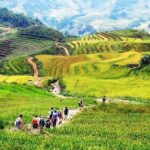
Day 1: Hanoi to Sapa, Then Y Linh Ho → Lao Chai → Ta Van
The long bus morning (and why it’s worth it)
You’re picked up early in Hanoi, roughly 06:00–06:30 from the Old Quarter (or around 06:00 if you’re meeting at a set point). The bus ride takes you out through highway stretches and includes two rest stops: one around the Lao Cai region and another stop before you reach Sapa town.
This timing matters because it shapes how your Day 1 feels. You’re not racing the hike right away in daylight darkness. You arrive in Sapa around 13:30, which helps you start on the trail with energy and light.
Sapa town first: a quick culture hit
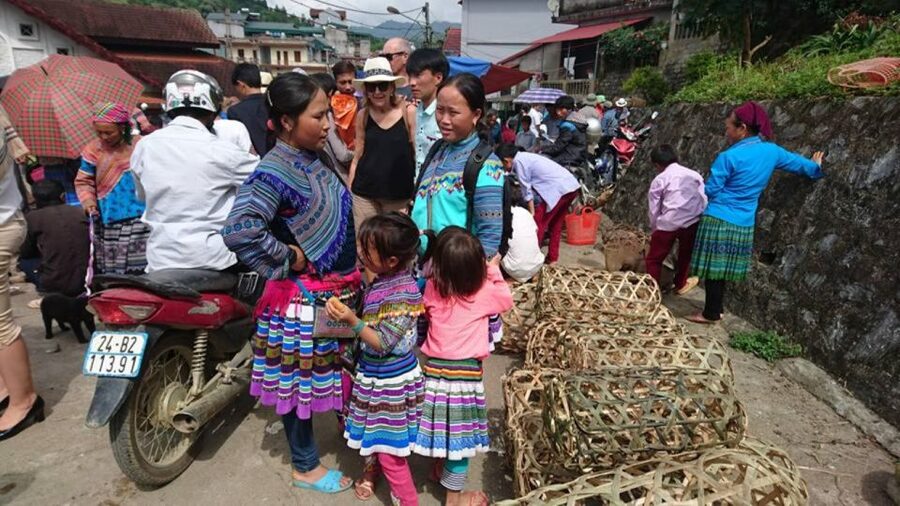
After arriving around 13:30, you’ll have lunch at a local restaurant. Then you start the walk through the Y Linh Ho area. The good part here is that you get a taste of Sapa right away—H’mong, Dzao, and Tay groups show up through traditional clothing and local life—before you move into the more quiet, trekking-focused part of the day.
The trek itself: terraces + valley walking
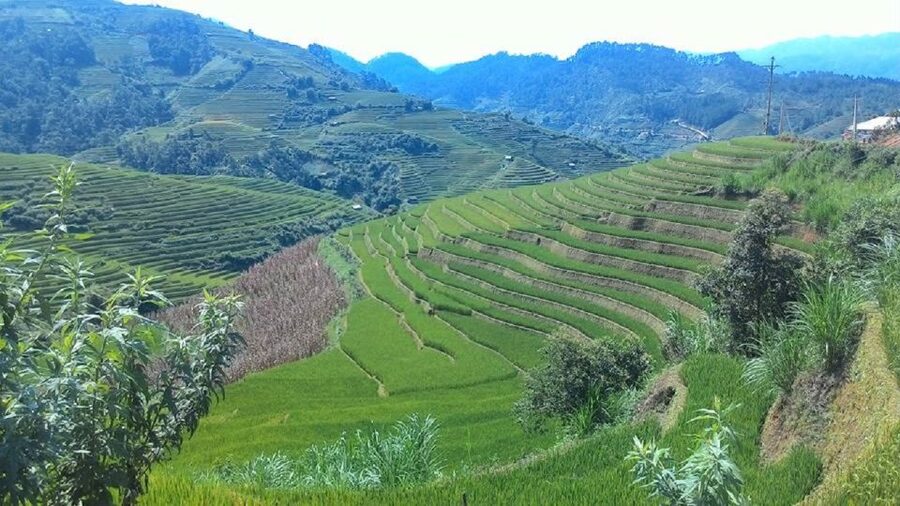
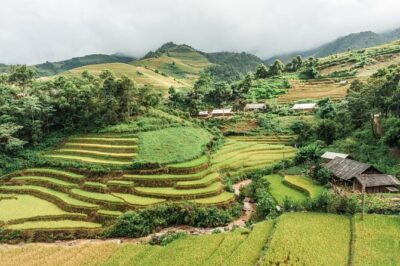
The hiking block is about 9 km and roughly 3.5 hours. The route runs along the rice terraces and toward the Muong Hoa Stream valley, with views of the Hoang Lien Son Mountain area.
The “value” of this segment is that it isn’t just one straight line to one viewpoint. You’re moving through agricultural terrain: terraces, stream-adjacent walking, and village edges where you can see daily routines up close.
It also transitions in a natural way toward the next destination. You approach Ta Van village in late afternoon, where Giay people live (and you’ll meet the family that hosts you).
Practical heads-up: wear your real hiking shoes. This is not a “flip-flops for photos” situation. Even if the day isn’t an epic mountain challenge, the footing and surfaces in terrace areas can be uneven.
Worth a glance beside this Hanoi pick:
- Halong Bay Full Day with Kayaking, Hiking viewpoint, Cave – Deluxe To Luxury★ 5.0 · 884 reviews
- From Hanoi: 2-Day Sapa Trekking Trip with Homestay & Meals★ 4.8 · 704 reviews
- Sapa 3 Days 2 Nights Trekking Tour (1 Night In Ta Van Village, 1 Night In Hotel)★ 5.0 · 699 reviews
Check-in and sunset time in Ta Van
Around 17:45, you check in at the homestay. This part matters a lot: you’re not just arriving for bed—you get time to settle, get to know the family, and enjoy the mountain air during sunset.
If you’re curious, this is also where cooking local dishes with the family may happen, and dinner is served in a calm setting. In the evening, there’s often the option to join a local bar nearby with music and meet other guests, but that depends on what’s happening during your night.
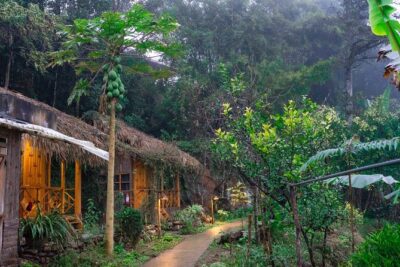
You sleep in a bungalow at Ta Van, keeping it simple and village-based.
Ta Van Homestay: Why This Stop Makes or Breaks the Trip
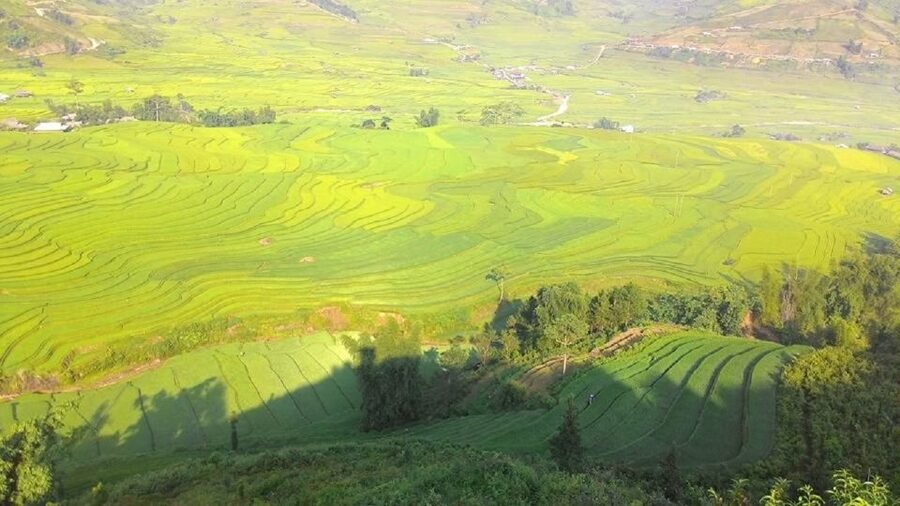
A homestay can be a big label—or it can be the real reason you booked. In this case, it’s the second one.
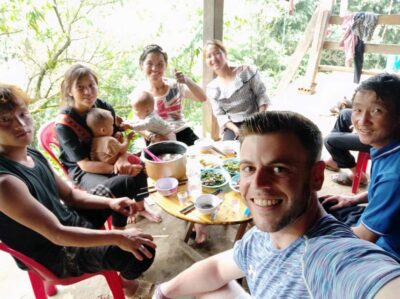
Here’s what you get from the homestay that you don’t get from most hotel nights: you gain context. You’re with a Giay/Dzay family, and the timing is built around the village day—late afternoon arrival, sunset downtime, dinner, then a slower night.
You also benefit from meals included in the package:
- Day 1 dinner (included)
- Day 2 breakfast and lunch (included)
That removes one of the biggest stress points in Sapa: not having to figure out food options after a tiring day.
The best way to make this experience feel respectful
This area is popular, and village life is mixed with tourism. To get the best experience:
- Ask before taking photos of people.
- Be ready for village-area sellers who may show up while trekking or near stops.
- If someone tries to sell something, keep it simple: ask what it is and the price, and don’t get stuck if answers aren’t clear.
A small but real comfort: you’re not doing this alone. You have a professional English guide who can help smooth misunderstandings and keep things on track.
Day 2: Ta Van → Giang Ta Chai Village (Red Dzao) + Bamboo Forest Views
Breakfast first, then an easier second hike
You start the day with breakfast prepared by the family around 08:00. Then you’re moving again by roughly 08:45.
Day 2 is shorter: about 4 km and around 2 hours. This matters because it keeps the second day from feeling like a punishment. It’s the right length for a “see more, stress less” feel.
Rice paddies and a photo window
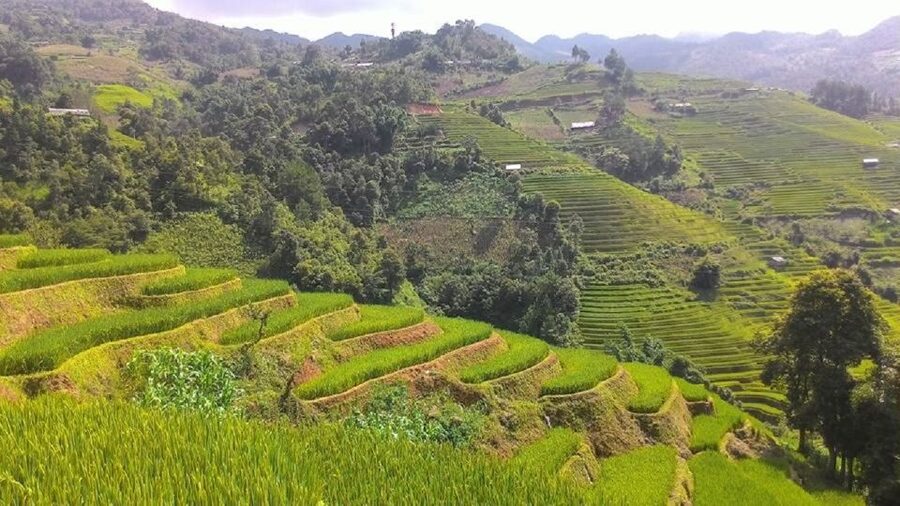
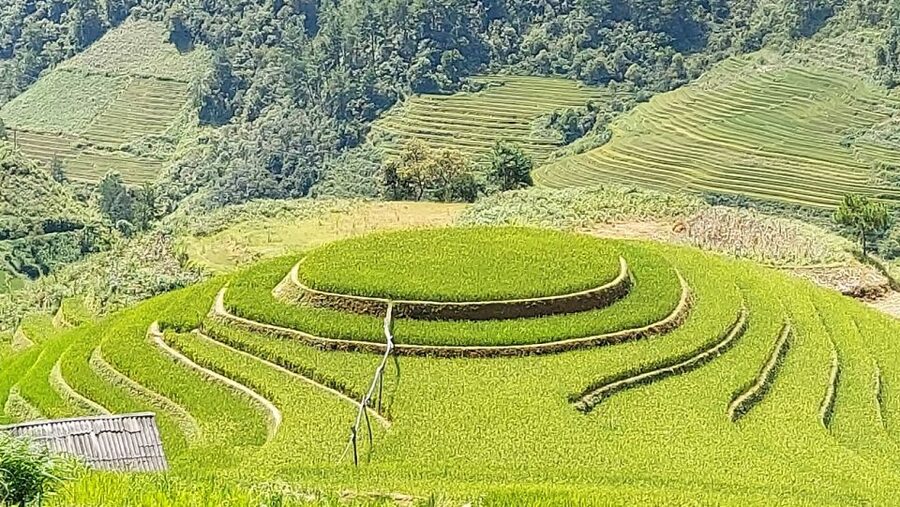
You’ll walk through rice paddies early, which is usually when the colors and mist make photos look soft and atmospheric. You’ll also have time for a photo session in the area with surrounding views.
If you’re sensitive to weather, be ready for fog. Sapa altitude can bring it in winter, so keep your schedule flexible in your head. Sometimes the view becomes a misty “mood,” not a sharp panorama—and that still can be beautiful.
Bamboo forest segment and Red Dzao panorama stop
Then you move through a bamboo forest stretch and reach a panorama viewpoint toward Giang Ta Chai village, home of the Red Dzao people.
This is one of the more culturally specific parts of the trip. The village identity is clearer here than in a generic market stop. It’s also where the day’s walking feels tied to place, not just sightseeing boxes.
The Giang Ta Chai Bridge moment and back to the road
Around 11:00, the trek reaches the Giang Ta Chai Bridge and then returns toward the main road.
From there, you go back to the bungalow to shower and prepare for lunch around 12:30–13:30. A real shower buffer is underrated in trekking trips—your body will thank you.
Afternoon Sapa free time + bus back to Hanoi
After lunch, you’ll take transport back to the bus station around 13:30. There’s a free leisure window from about 14:00 to 15:00, which gives you time to walk around Sapa town or do light shopping.
Then you meet at the bus station around 15:00–15:30, head back to Hanoi, and return around 21:30–21:45. Two rest stops are included on the return ride too.
Price and Logistics: Is $87 Good Value Here?
For $87 per person, the value depends on whether you’re comfortable with the structure and you confirm what you’re paying for.
What your money covers (based on the package)
The package includes:
- 1-night homestay (bungalow in Ta Van)
- Modern bus pickup from Hanoi
- Professional English guide
- Meals: 1 breakfast, 2 lunches, 1 dinner
- Admission fees
- Mineral water
That’s a meaningful set of inclusions. Meals are a big deal in Sapa, especially if you don’t want to hunt for food after trekking.
The one “ask before you pay” area
Even though bus transport is listed as part of the experience, I strongly recommend you confirm the Hanoi–Sapa–Hanoi bus details in advance. One review issue points to a mismatch between what people expected and what they were asked to pay later in cash.
So here’s my practical advice: message the provider before booking (or before final payment) and ask:
- Is the Hanoi–Sapa bus round-trip fully included in this price?
- If any part is cash-based at pickup, how much is it and when do you pay?
If you get clear answers, the trip becomes a straightforward value play.
Solo travelers: check the single supplement
If you’re traveling solo, there’s a $15 single supplement surcharge listed. That’s common for homestay-style setups where sharing may not be available.
Cash advice for Sapa
Sapa banking can be patchy, so bring cash in Vietnamese dong. The good news: US dollars, euros, and Australian dollars are accepted in Sapa, but you still shouldn’t count on card payments being smooth everywhere.
What to Pack (and What Weather Can Do to Your Views)
This trek asks for a good level of physical fitness, but it’s not a hardcore expedition. Still, you’ll want gear that keeps you comfortable and safe.
Bring:
- Passport or ID card
- Sun hat/cap, sunglasses, sunscreen
- Hiking shoes
- Insect repellent
- Warm layers: from October to March, plan for cold; a scarf helps
- Any basic medicine you rely on
And remember: in December to March, Sapa can be foggy. Fog changes the day. It can reduce distance visibility, but it doesn’t cancel the experience. It just means you may get a softer, misty version of the viewpoints instead of a razor-clear one.
Who This Trek Fits Best

This Sapa 2D1N route is best for you if:
- You want ethnic village culture paired with nature walking
- You like a short trek structure with manageable distances
- You want a homestay night in Ta Van (not just a hotel stamp)
- You’d rather have meals and guide arranged than figure everything out alone
It’s less ideal if:
- You hate uncertainty and want zero “confirm this detail” moments
- You’re not comfortable with selling interactions around trekking areas (some people will approach you to buy items)
- You need fully predictable weather-level viewpoints (fog can happen)
Should You Book This Sapa Trek?

If you’re after a first taste of Sapa that includes Ta Van homestay, clear ethnic village stops like Lao Chai and Giang Ta Chai (Red Dzao), and walking that won’t wreck you for the second day, I’d say this is a solid pick.
But book it smart:
- Confirm exactly what the Hanoi–Sapa bus covers for your payment.
- Bring enough cash in case anything needs cash settling.
- Pack warm layers if you’re traveling in late fall through winter.
Do those things, and you’ll likely come away with what makes Sapa worth the effort: not just photos, but a couple of days where village life, mountain air, and rice terraces are all part of the same story.
FAQ
How much trekking is there each day?
Day 1 is about 9 km (around 3.5 hours). Day 2 is about 4 km (around 2 hours).
What does the package include for meals?
You get 1 breakfast, 2 lunches, and 1 dinner, plus mineral water.
Where is the pickup in Hanoi?
Pickup is around the Hanoi Old Quarter area from about 06:00–06:30. If you are outside that area, you should be ready around Hanoi Opera House at 06:00.
Do you stay in Ta Van overnight?
Yes. You stay 1 night in a local homestay/bungalow in Ta Van.
Is an English guide included?
Yes. The tour includes a professional English guide.
What should I bring for the trek?
Bring passport or ID card, hiking shoes, sunglasses, a sun hat, sun cream, and insect repellent. Warm clothes are especially important from October to March.
Do I need cash in Sapa?
Yes. The guide info suggests taking cash because banking in Sapa sometimes doesn’t function well, and US dollars/euros/Australian dollars are accepted.
More Hiking & Trekking in Hanoi


More Tour Reviews in Hanoi





More Sapa Treks We Walked
Latest Hanoi write-ups from our team






Sapa Trekking Tours, compared.
 ★ 5.0Sapa 2 Days 1 Night From Hanoi – Overnight in Ta Van VillageFrom $592,669 reviews
 ★ 5.0Hanoi – Sapa 2 Days 1 Night Overnight At HomestayFrom $89899 reviews
 ★ 5.0Sapa: Fansipan Cable, Cat Cat Village & Moana Instagram TourFrom $30777 reviews
 ★ 4.8From Hanoi: 2-Day Sapa Trekking Trip with Homestay & MealsFrom $71704 reviews
 ★ 5.0Sapa 3 Days 2 Nights Trekking Tour (1 Night In Ta Van Village, 1 Night In Hotel)From $139699 reviews
 ★ 5.03-Day Trekking Adventure of Sapa from Hanoi – Stay Ta Van VillageFrom $109611 reviews
 ★ 4.82-Day Sa Pa Ethnic Homestay Tour & Trek with Limousine Bus440 reviews
 ★ 5.0Sapa 2 Days 1 Night From Hanoi – Overnight in HotelFrom $89440 reviews
Browse the lists this tour appears in