

Reviewed · SAPA TREKKING TOURS
From Hanoi: 2-Day Sapa Cultural Exchange Tour with Homestay
Sapa starts with a sleeping bus. This 2-day Hanoi-to-Sapa cultural exchange pairs a Muong Hoa Valley trek with an overnight stay with a Dzay family in Ta Van, guided in English by people like Chun or Sung.
I love the real village contact, including time around Lao Chai for communication with locals, not just photo stops. I also love how the hike threads through rice terraces toward Ta Van, with chances to learn everyday life of the Dzay people and see red Dzao areas like Giang Ta Chai.
One consideration: the trail can get slippery in rain, and the homestay is basic, so you’ll want warm layers and sturdy, grippy shoes.
In This Review
- Key highlights worth knowing before you go
- From Hanoi to Sapa: the overnight ride that sets the rhythm
- Day 1: Y Linh Lo downhill into Muong Hoa Valley rice terraces and villages
- Ta Van homestay night: where the cultural exchange becomes real (and basic)
- Day 2: the 4 km trek, bamboo forest, and Giang Ta Chai viewpoint for red Dzao heritage
- Price and logistics: why $100 can feel like a fair deal
- Pace, trail difficulty, and the real meaning of “cultural exchange”
- Weather in Sapa: pack for fog, cold, and sudden trail conditions
- Who should book this Hanoi to Sapa trek (and who should skip it)
- Should you book this 2-day Sapa cultural exchange with homestay?
- FAQ
- Where is the pickup point in Hanoi?
- Where does the tour end?
- How big is the group?
- What meals are included?
- What kind of accommodation is provided at the homestay?
- How long and far is the Day 2 trek?
- What should I bring for the trip to Sapa?
- Is the tour suitable for children, pregnancy, or mobility impairments?
Key highlights worth knowing before you go

- Small group capped at 15 with an English-speaking tour leader
- Sleeping bus + air-conditioned transfers back and forth between Hanoi and Sapa
- Muong Hoa Valley trek on Day 1 from the Y Linh Lo area down toward Ta Van
- Village interaction time in Lao Chai plus village walking through rice-terrace areas
- Ta Van homestay with mosquito net and hot-water access (simple facilities)
- Day 2 bamboo forest and Giang Ta Chai viewpoint for red Dzao heritage scenery
From Hanoi to Sapa: the overnight ride that sets the rhythm
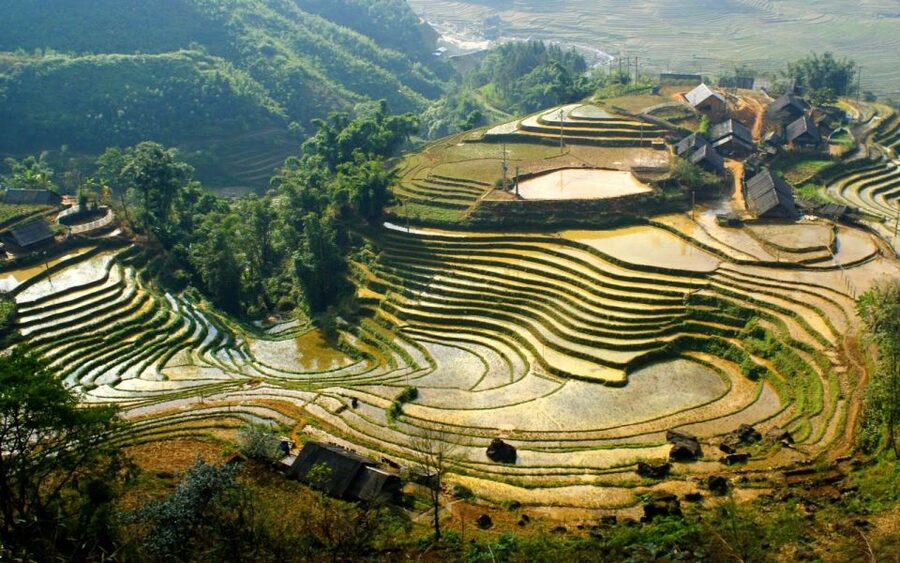
This tour is built around movement. You start with pickup in the Hanoi Old Quarter area and then head out on a sleeping bus to Sapa. It’s one of those practical choices that helps you spend your limited time in the mountains instead of burning a full day on the road.
Expect a couple of comfort stops on the way. The goal is simple: arrive in Sapa around lunchtime without feeling totally smashed. Once you’re in town, the trek begins the same day, so the day doesn’t just revolve around transport.
Small-group size matters here. With up to 15 people, you’re less likely to feel like you’re on a cattle-cart schedule, and it’s easier for the guide to answer questions. In the past, guides like Lala, Cheng, Lily, and Za have been praised for being attentive and for helping with photos.
More trails through the Sapa valleys


Day 1: Y Linh Lo downhill into Muong Hoa Valley rice terraces and villages
Day 1 is the meat of the experience. After lunch in Sapa, you start hiking from the Y Linh Lo area and head downhill through the Muong Hoa Valley.
This is where the tour earns its “cultural exchange” label, because the route isn’t just a view-and-go loop. You pass rice paddies and small hamlets, and your guide helps connect what you’re seeing to how people live—especially among the local tribes you’ll keep hearing about as you walk. You’re still sightseeing, yes, but you’re also building context.
You’ll continue trekking through villages and rice terraces toward Ta Van, a Dzay settlement that’s often considered one of the most beautiful spots in the area. Even if you’re not chasing “perfect photos,” the walking rhythm helps. You’re constantly changing vantage points—streams, fields, footpaths, and village edges appear and disappear in short stretches.
A key moment comes around Lao Chai village, where you get a chance to exchange communication with locals. That doesn’t mean every conversation becomes deep and personal. Still, it’s more meaningful than simply standing at a viewpoint and moving on.
Ta Van homestay night: where the cultural exchange becomes real (and basic)
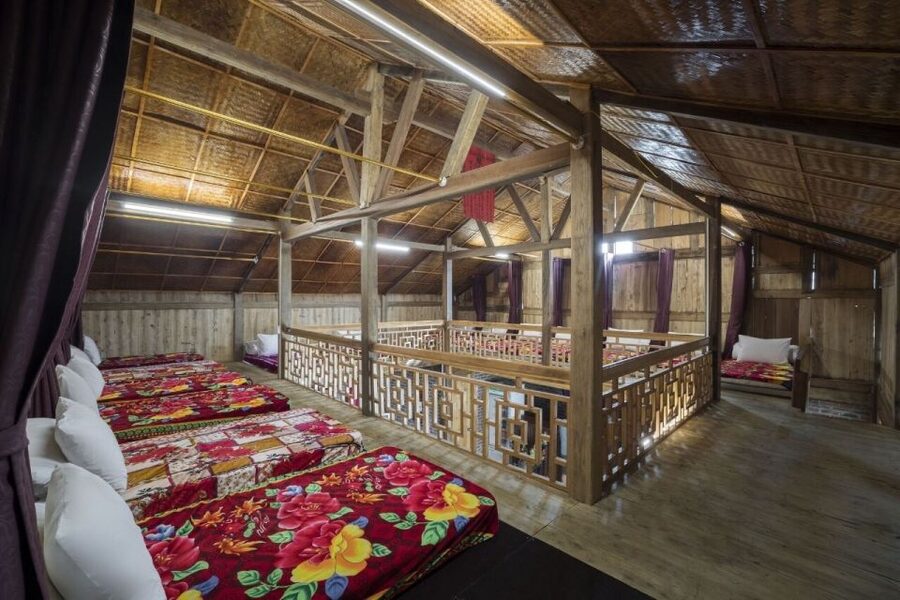
The overnight is the centerpiece. You stay with a local Dzay family in Ta Van. The tour includes dinner, and breakfast is handled by the family the next morning.
What I like about this setup is that you’re not just watching village life from a distance—you’re living on the same clock. Meals come from the household, and the time between trekking and sleep is when you’ll notice details: how people move through the day, what they cook, and how hospitality works in this setting.
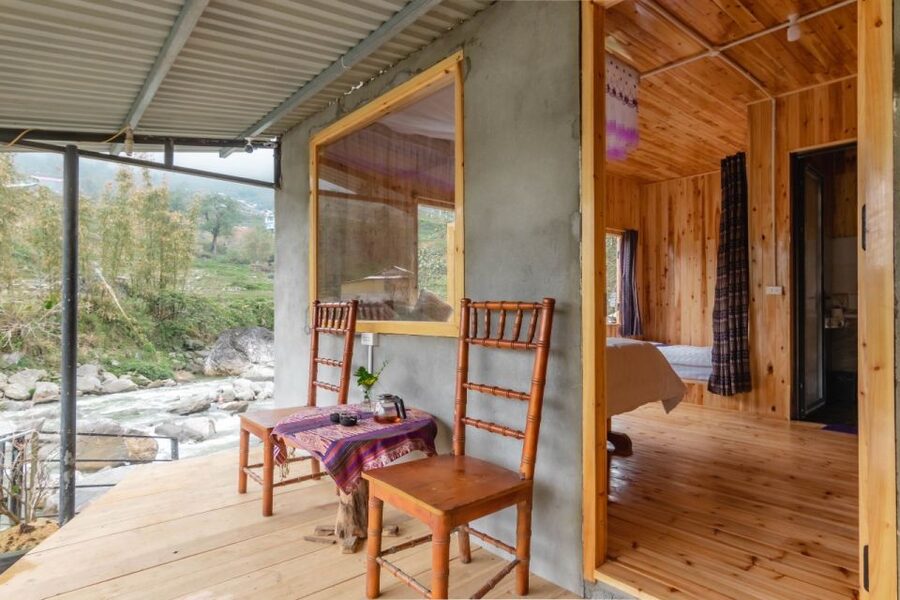
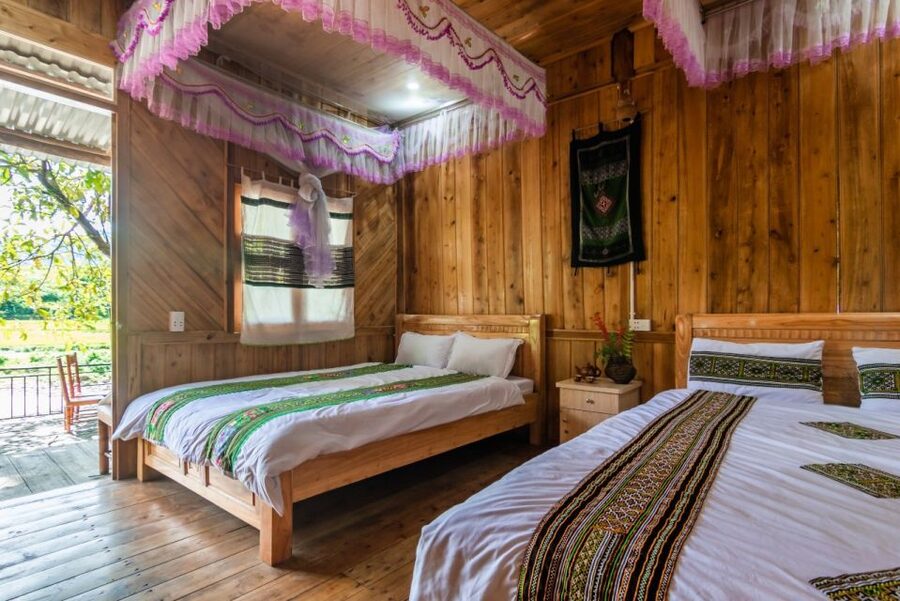
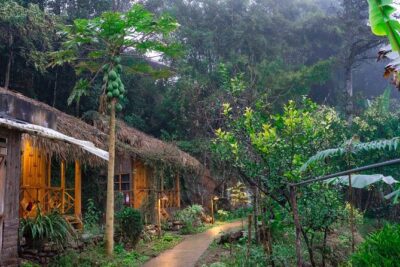
The tradeoff is comfort. Homestays here are basic. You’ll get a single basic bed with a mosquito net. Bathrooms are public, with hot water provided. Think practical, not hotel-like. You should also expect warm clothing needs to stay on your mind. Evenings in Sapa can be cold, and fog can roll in.
From past experiences, guides have helped make the night smoother. Some tours include a guide who stays close to help with questions and timing. In at least one case, Lily was credited with giving help using a traditional approach when a guest wasn’t feeling well. That tells you the guide role can go beyond pointing out sights.
One more reality check: you may encounter locals walking with your group who sometimes offer goods. In one experience, the first hike involved extra company from Sapa women who were out to sell items. It can slow your pace slightly, and you may want to decide upfront how you want to handle those interactions.
Day 2: the 4 km trek, bamboo forest, and Giang Ta Chai viewpoint for red Dzao heritage
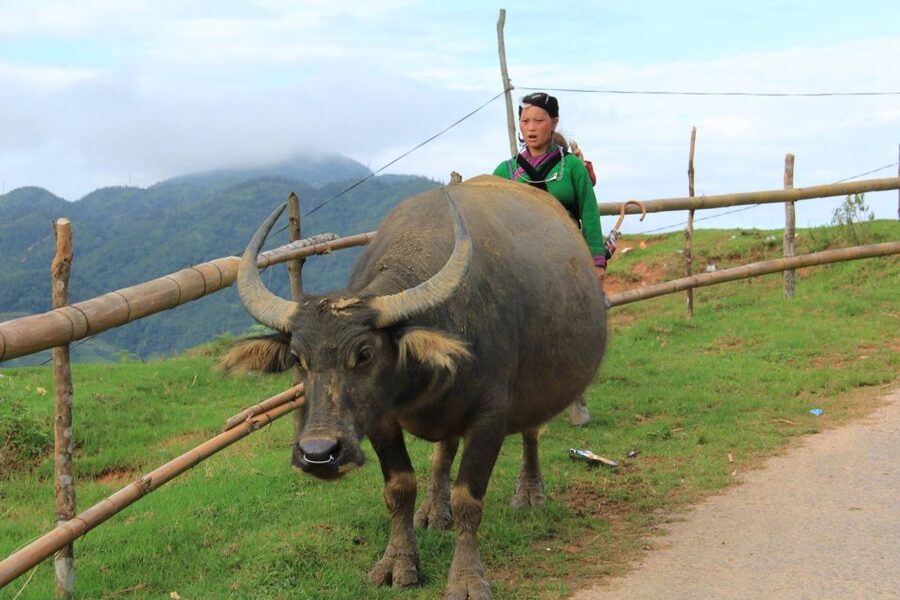
Day 2 starts with breakfast prepared by your homestay family. Then you move into a shorter hike: 4 km, about 2 hours.
This part feels different from Day 1. Instead of long downhill wandering, it’s a scenic loop with clear “photo and viewpoint” moments. You head toward rice paddies again, with an opportunity to capture unique shots of the surrounding areas—especially when the weather cooperates.
Next up is a bamboo forest walk. It’s a simple change of texture, but it matters. The forest section breaks up the open-field views and makes the hike feel less like one long stretch of terraces.
You’ll then stop at a panoramic view point for Giang Ta Chai village, home of the red Dzao people. After that viewpoint, the route continues through the Ciang Ta Chai Bridge area to the main road, where a bus picks you up back toward Sapa town.
Once you’re back in Sapa, you can shower at your hotel, check out, grab food, and relax until everyone is ready to depart. Then the bus returns you to Hanoi with two comfort breaks along the way, finishing back around Tran Quang Khai Street.
Price and logistics: why $100 can feel like a fair deal
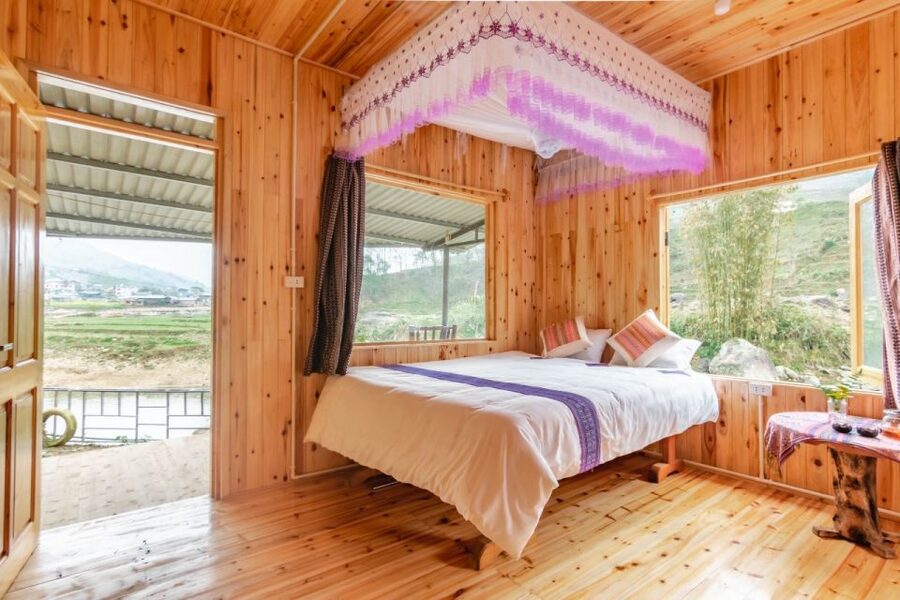
At around $100 per person for a 2-day program, the value mainly comes from what’s bundled together:
- Transport from Hanoi to Sapa and back (including sleeping bus / air-conditioned bus)
- An English-speaking guide
- Meals: 1 breakfast, 2 lunches, 1 dinner
- Homestay bed with mosquito net and access to hot water for bathing
If you tried to recreate this on your own, you’d likely spend a lot on transport and would still need to arrange a guide and homestay. Here, the tour handles the chain of logistics: getting you to the trail, timing meals, and placing you in Ta Van for the overnight.
That said, you’re not buying luxury. You’re buying a complete experience: transport, trekking, and a family stay. If you’re hoping for polished facilities and minimal fatigue, you’ll probably feel the seams.
Worth a glance beside this Hanoi pick:
- Hanoi: 2-Day Halong & Lan Ha Bay 5-Star Cruise with Balcony★ 4.8 · 3,300 reviews
- Sapa 2 Days 1 Night From Hanoi – Overnight in Ta Van Village★ 5.0 · 2,669 reviews
- Halong Bay – Le Journey Cruises – All Inclusive 2D1N and 3D2N★ 5.0 · 2,500 reviews
Pace, trail difficulty, and the real meaning of “cultural exchange”
The hikes are the heart of the trip, and the difficulty is best described as “moderate, but not carefree.” Day 1 is longer, and even if there’s not huge elevation gain, the route includes walking on paths that can be uneven and slippery. Past experiences highlighted that rain makes the trail feel more dangerous than the distance suggests.
Day 2 is shorter, which helps. Still, you’re walking for about 2 hours, plus the time spent at viewpoint stops.
Your best comfort strategy is to treat the walk like an all-weather activity:
- Wear shoes with real grip
- Bring layers for cold and wind
- Expect fog sometimes, which can blur views
It’s also smart to remember what cultural exchange actually involves. You’re in a village setting. People may be curious, friendly, and also busy. Your guide’s job is partly translation and partly managing group flow so you’re not disrupting daily life.
Some guides focus heavily on explanations and photos. Others may spend more time coordinating with locals who join the walking route. Either way, the experience usually works best when you stay flexible and curious rather than expecting a scripted talk every step.
Weather in Sapa: pack for fog, cold, and sudden trail conditions
Sapa weather can change fast. It’s often cold from September to March, and fog is common from December to March. That matters because visibility affects how much you see when you reach viewpoints like Giang Ta Chai.
The tour also notes the itinerary may change due to weather and operating conditions (they even mention tide levels, though what matters for you is that plans can shift when conditions require it). So build in the mindset that weather is part of the experience.
Packing is not optional here. Bring:
- Warm clothing (warm jacket, scarf, hat are specifically recommended)
- Comfortable shoes with traction
- Comfortable clothes for moving
- Cash (and remember that Vietnam Dong is often best)
You’ll also want to keep cash accessible because banking in Sapa can be unreliable. The good news: US dollars, euros, and Australian dollars are accepted in Sapa.
Who should book this Hanoi to Sapa trek (and who should skip it)
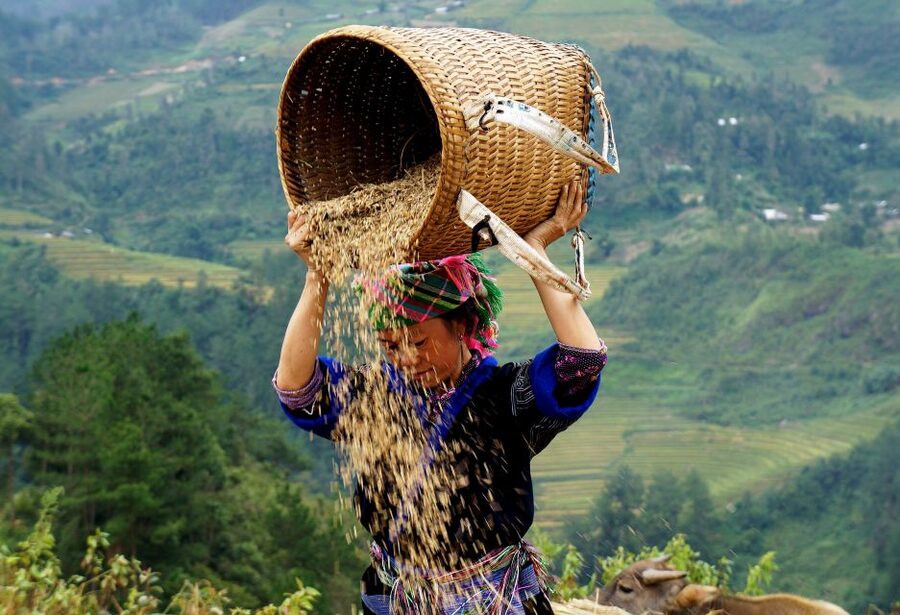
This tour is a good fit if you:
- Want an overnight in Ta Van rather than a quick day trip
- Like walking in rice-terrace areas and meeting people along the way
- Prefer a small group and an English-speaking guide
- Are okay with basic homestay facilities
I’d think twice if you:
- Need step-free, low-mobility routes (the tour is not suitable for people with mobility impairments)
- Are traveling with a child under 6
- Are pregnant (not suitable per the tour info)
And if your top priority is comfort and clean modern rooms, you’ll likely feel frustrated by the basic homestay setup. This is more “stay with a family and trek together” than “hotel plus sightseeing.”
Should you book this 2-day Sapa cultural exchange with homestay?
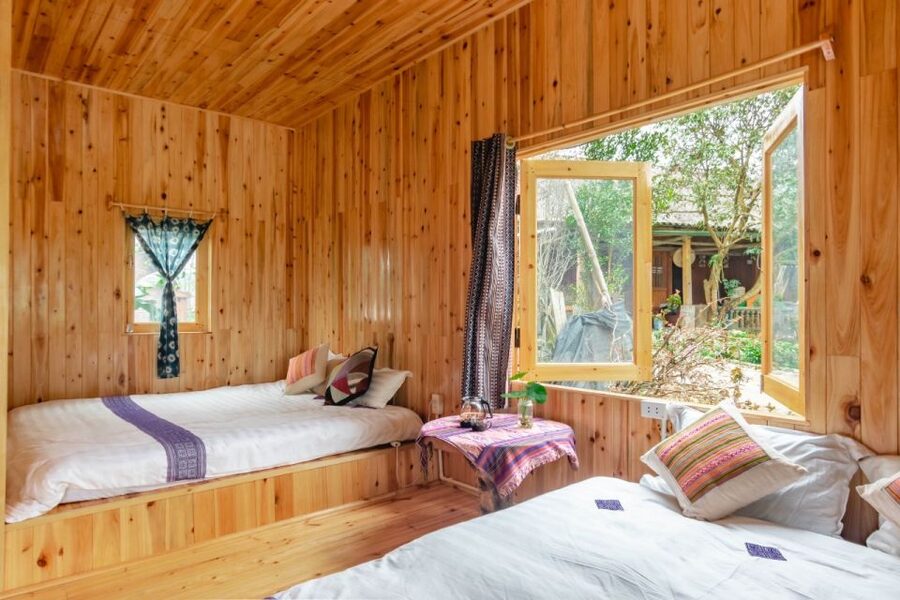
Book it if you want the Sapa experience that goes past town viewpoints and actually puts you walking through village life—overnight included. The combination of Muong Hoa Valley trekking, communication time around Lao Chai, and the Dzay homestay in Ta Van is what makes this trip feel like more than a route on a map.
Skip it if weather worries you, you hate slippery trails, or you’re expecting hotel-level comfort. If you do book, your biggest wins come from planning for cold conditions, wearing proper shoes, and keeping a flexible mindset when fog rolls in or the guide adjusts the route.
If you want, tell me your travel month and your hiking comfort level (easy, moderate, or tough), and I’ll help you decide what to prioritize for packing and expectations.
FAQ
Where is the pickup point in Hanoi?
Pickup is available at 204 Tran Quang Khai Street near Hong Ha Hotel, and hotel pickup is also optional from hotels in the Hoan Kiem district area.
Where does the tour end?
The tour ends back at the meeting point on Tran Quang Khai Street.
How big is the group?
The group is limited to a small group size of up to 15 participants.
What meals are included?
Meals included are 1 breakfast, 2 lunches, and 1 dinner.
What kind of accommodation is provided at the homestay?
You’ll get a single basic bed with a mosquito net at the homestay. There is a public bathroom with hot water.
How long and far is the Day 2 trek?
On Day 2, the trekking distance is 4 km and it lasts about 2 hours.
What should I bring for the trip to Sapa?
Bring your passport or ID card, comfortable shoes, warm clothing (including a warm jacket, scarf, and hat), comfortable clothes, and cash.
Is the tour suitable for children, pregnancy, or mobility impairments?
No. The tour is not suitable for children under 6, pregnant women, or people with mobility impairments.
More Tours in Hanoi
- Ninh Binh Full-Day Tour from Hanoi to Hoa Lu, Tam Coc & Mua Cave Via Boat & Bike
★ 5.0 · 4,384 reviews





More Tour Reviews in Hanoi


More Sapa Treks We Walked

Latest Hanoi write-ups from our team





Sapa Trekking Tours, compared.
 ★ 5.0Sapa 2 Days 1 Night From Hanoi – Overnight in Ta Van VillageFrom $592,669 reviews
 ★ 5.0Hanoi – Sapa 2 Days 1 Night Overnight At HomestayFrom $89899 reviews
 ★ 5.0Sapa: Fansipan Cable, Cat Cat Village & Moana Instagram TourFrom $30777 reviews
 ★ 4.8From Hanoi: 2-Day Sapa Trekking Trip with Homestay & MealsFrom $71704 reviews
 ★ 5.0Sapa 3 Days 2 Nights Trekking Tour (1 Night In Ta Van Village, 1 Night In Hotel)From $139699 reviews
 ★ 5.03-Day Trekking Adventure of Sapa from Hanoi – Stay Ta Van VillageFrom $109611 reviews
 ★ 4.82-Day Sa Pa Ethnic Homestay Tour & Trek with Limousine Bus440 reviews
 ★ 5.0Sapa 2 Days 1 Night From Hanoi – Overnight in HotelFrom $89440 reviews
Browse the lists this tour appears in