
Reviewed · SAPA TREKKING TOURS
From Hanoi: 2-Day Overnight Sapa Tour by Luxury Van Limousine
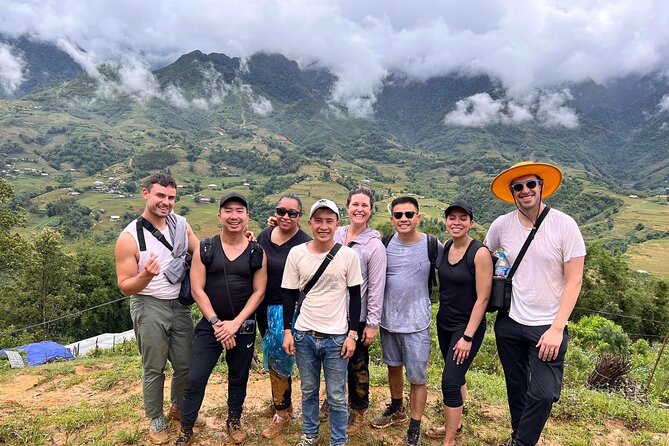
Sapa starts with a long ride and ends in rice-terrace views. This 2-day overnight trip pairs mountain trekking with real village stops like Cát Cát and Tả Van, all with a guide. It’s a straightforward way to see more than just the town.
I like the small-group size (max 14) and the fact that you’re not stuck on a cramped bus all day. I also like the built-in pacing: you trek during the day, then sleep in Sapa so you get real time in the region.
The main thing to weigh is that the hikes can get muddy and steep, and weather in Sapa is unpredictable—so your comfort depends on your walking tolerance and footwear.
In This Review
- Key things that make this tour work (and when it doesn’t)
- Hanoi to Sapa by limousine: comfort, timing, and the reality of distance
- Day 1 village trek: Cát Cát if you choose the hotel option
- Day 1 village trek: Ý Linh Hồ–Lao Chải–Tả Van if you choose dorm, bungalow, or homestay
- Overnight in Sapa: dorm, homestay, bungalow, or a 3–4 star hotel
- If you choose a hotel (3–4 star)
- If you choose homestay or bungalow
- If you choose dormitory
- Day 2 trekking: Tả Van area again or a swing to Giàng Tà Chải
- What Day 2 feels like
- A smart safety approach
- Meals and entrance fees: included, but don’t ignore the fine print
- How the guide shapes the whole experience (names to watch for)
- Weather and what to pack: Sapa can surprise you
- Price and value: $117 for an overnight trek package
- Who should book this Sapa overnight trek (and who should reconsider)
- You’ll probably enjoy this if you:
- Reconsider if you:
- Book it or skip it: my honest decision guide
- FAQ
- What time does the tour start in Hanoi?
- How long is the trip?
- What’s included in the price?
- What kind of overnight stay can I choose?
- What should I bring for Sapa weather and trekking?
- Can I cancel for a full refund?
Key things that make this tour work (and when it doesn’t)
- Limousine transfer from Hanoi cuts down misery versus packed public buses, but long driving days still happen
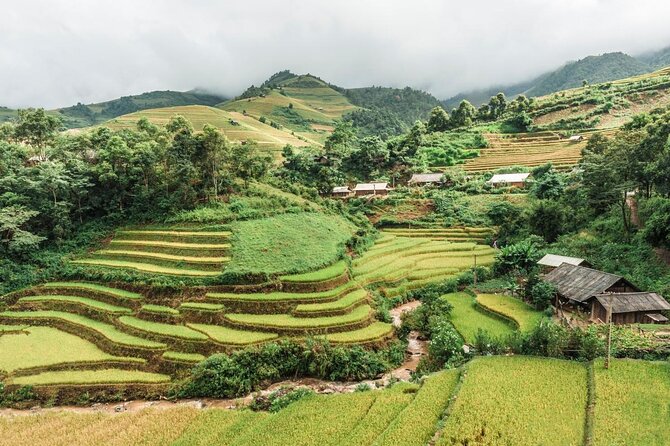
- Cat Cát or Tả Van-area villages on Day 1 depends on your lodging option, which changes the rhythm of the trip
- Overnight lodging choice (dorm, homestay, bungalow, or hotel) affects how smooth and comfortable your night is
- Guides often bring strong English and local context—names you may get include Su, Lilly, Ai, May, Rua, Lu, VU, Zua, and Zuo
- Treks are the star, yet some routes can feel risky on wet ground, so good boots matter
- Meals are included, but beverages and personal spending are on you
Hanoi to Sapa by limousine: comfort, timing, and the reality of distance
This trip is built around one big idea: get you out of Hanoi early, then move fast enough to reach Sapa and start walking on Day 1. The road distance is long—think roughly 250 km and about 5–6 hours. You’ll leave around 6:00–6:30 am from the Hanoi Old Quarter area, and you’ll arrive mid-day.
The “luxury” part is mainly about space and comfort. You’ll be using a limousine van, not the crowded bus vibe. That matters because Sapa is high enough that you’ll often feel the cold more once you get there. A smoother ride also helps if you’re trying to save your energy for Day 1 trekking.
Still, be aware: transport quality can vary by day and driver. One person had a vehicle that felt less comfortable than expected; another had delays around pickup; one noted rougher ride conditions on the way back. So I treat this as: comfortable enough to nap, not so fancy that you forget it’s a long day on the road.
Two practical things to keep you sane:
- Plan to be flexible about timing. Hanoi traffic is real, and pickup timing can shift in the Old Quarter.
- Know that your English-language help is the tour guide. The guide’s there for the trekking and coordination, but the driver may not be English-first.
More trails through the Sapa valleys



Day 1 village trek: Cát Cát if you choose the hotel option
Day 1 has two different paths depending on which lodging option you pick. If you opt for a 3-star or 4-star hotel, you’ll visit Cát Cát Village first, generally with an easy/short trek.
Cát Cát is famous, and that comes with trade-offs. You’ll get waterfall views and lively local culture, plus the area is set up to handle visitors. That’s not bad—it’s just not the most quiet or “off-the-radar” feeling stop. If your priority is learning village life with minimal tourism, I’d think of Cát Cát as a warm-up: pretty, scenic, and easy to enjoy, but not the deepest cultural experience.
If you love photo stops, this is a good place to stretch your legs and get your bearings. Many people also find it easier on Day 1 because you’ve just arrived from the drive.
Day 1 village trek: Ý Linh Hồ–Lao Chải–Tả Van if you choose dorm, bungalow, or homestay
If you choose dorm, bungalow, or private homestay, Day 1 skips Cát Cát and focuses on the Ý Linh Hồ – Lao Chải – Tả Van area.
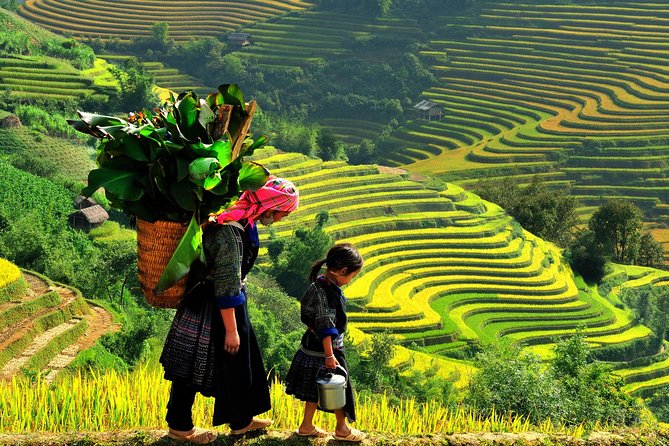
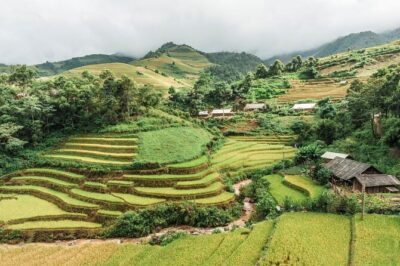
This route is typically the “core Sapa villages” style: terraced farmland, smaller paths, and more time walking between communities. The benefit is that your first day already feels like you’re stepping into the scenery that people come to Sapa for. The downside is that it’s still trekking, so you’ll want good shoes and a pack that doesn’t feel heavy.
Why this matters: if you’re only doing 2 days total, the itinerary choices decide where you spend your best daylight. I’d pick this option if trekking is your main goal and you want to spend less time in the more tourist-managed sites.
Overnight in Sapa: dorm, homestay, bungalow, or a 3–4 star hotel
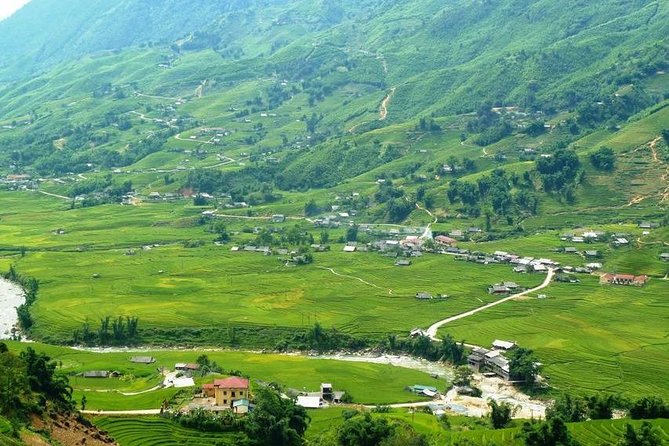
You get a choice for your overnight stay in Sapa. That choice is the biggest comfort lever on the whole tour.
If you choose a hotel (3–4 star)
Hotel options tend to feel more predictable: easier check-in, more stable comfort, and less time spent wondering how dinner or bedding will work out. One commonly praised option was Sapa Charm Hotel, with notes about hot pot and rooms that felt spacious.
If you want less friction, this is the safest bet. You’ll still trek, but your night won’t feel like a gamble.
Worth a glance beside this Hanoi pick:
- Halong Heritage Luxury Day Cruise-Buffet lunch&Limousine transfer★ 5.0 · 846 reviews
- 2-Day: Hanoi – Ninh Binh – Halong Bay Luxury Cruise★ 4.8 · 842 reviews
- Hanoi: Ha Long Bay Day Trip – Luxury Cruise & Buffet Lunch★ 4.9 · 673 reviews
If you choose homestay or bungalow
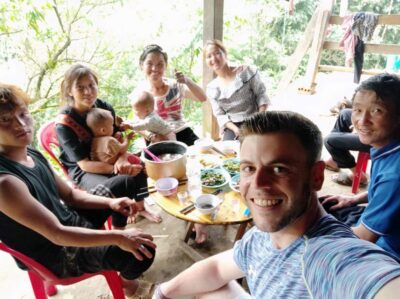
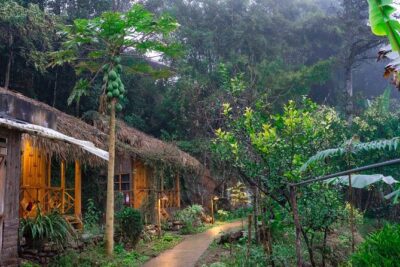
Homestays and bungalows can be great—when the family is welcoming and the schedule runs smoothly. People love the feeling of being in a real home, watching daily routines, and sharing a meal.
But here’s the reality check: homestays aren’t all the same. One guest described an overnight that felt unfriendly and awkward. Another said their home stay was cute and the family and food were excellent.
So if you choose homestay-style lodging, I’d go in with a flexible mindset. It’s still worth it for many people, but don’t expect hotel-level consistency.
If you choose dormitory
Dorms are often the most social and budget-friendly-feeling option. They also mean less privacy. If you’re traveling solo, that can be fun. If you want quiet, it might feel like a long day and a crowded sleep.
Day 2 trekking: Tả Van area again or a swing to Giàng Tà Chải
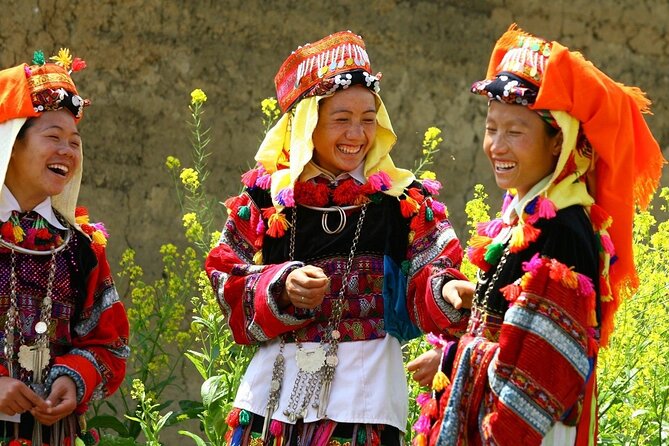
Day 2 starts with breakfast and checkout, then you head out again with a light pack for trekking. Breakfast is timed so you’re moving by about the morning window.
As with Day 1, the route depends on your lodging option:
- If you chose a hotel, you’ll return to the Ý Linh Hồ – Lao Chải – Tả Van area on Day 2.
- If you chose bungalow/private homestay/dorm, you’ll often go to Giàng Tà Chải Village on Day 2.
What Day 2 feels like
Day 2 is usually where the trek energy ramps up. Many people remember it as longer and more intense than the first day—especially because rice terraces can be steep, the ground can be slippery, and the mud can be real.
One important tip from the real-world experience: Sapa can go from fine to messy fast. If it’s rained or foggy, expect wet, slippery conditions. One review described dangerous footing where they felt the walk shouldn’t have proceeded, and another called the trek muddy but fun. That contrast tells you everything: the same trail can feel safe or sketchy depending on weather and your own comfort level.
I’d also take seriously the advice to dress for cold and unpredictable weather. Even if the air feels mild in Hanoi, Sapa can flip the script quickly.
A smart safety approach
- Wear boots or trekking shoes with grip.
- Walk slower than your instinct. Steep downhills can be where balance goes.
- If you have walking limits, tell your guide early. There’s evidence of guides tailoring routes for people with mobility limits, so don’t wait until you’re already exhausted.
Meals and entrance fees: included, but don’t ignore the fine print

This tour includes a lot of the “annoying” parts for you:
- Breakfast, lunch (2), and dinner
- Entrance tickets for the included stops
- Your guide and guided trekking time
- Round-trip limousine transport from Hanoi
That’s good value in practice. When meals are included, you spend less time asking where to eat and how long the line will be. You can also save energy for the hike instead of planning every stop.
Still, manage expectations about beverages and food variety:
- Beverages are not included.
- Some meals can be basic. A couple of people described dinners or lunches as not especially impressive compared with what Sapa can offer on your own.
- The practical win is that you don’t go hungry and you don’t waste time hunting.
For budgeting, I’d bring a little extra money in Vietnam dong for drinks and any snacks you want between treks.
How the guide shapes the whole experience (names to watch for)
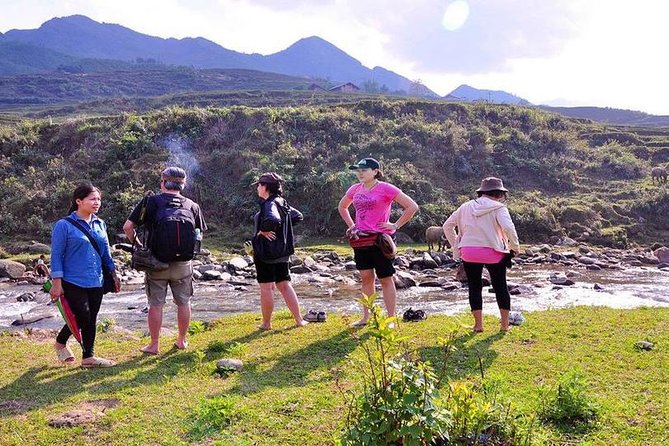
In Sapa, the guide makes or breaks the day. Not because they can magically fix mud, but because they help you read the terrain and understand what you’re looking at.
Across the experiences shared, certain guides were praised for English and for explaining local culture and daily life. If you’re assigned one of these names, it’s a promising sign:
- Su
- Lilly
- Ai
- May
- Rua
- Lu
- VU
- Zua
- Zuo
Even when the logistics weren’t perfect, people consistently pointed to guides as the part that felt meaningful—especially when the guide explained lifestyle, village structure, and how people live around the terraced fields.
A useful tactic: ask your guide what to prioritize on that specific trek day—best photo spots, how the villages connect, and what to watch for in local crafts. When a guide is strong, that turns a good walk into a memorable one.
Weather and what to pack: Sapa can surprise you

Sapa’s biggest trick is that the weather can shift fast. The tour notes this clearly: in several months it’s cold, and fog is possible in winter months due to altitude.
Here’s what I’d pack based on that reality:
- Warm layers: jacket plus a scarf and hat (especially for mornings and evenings)
- Trekking shoes/boots for muddy ground and steep slopes
- Sunglasses and sunscreen (you can still get sun even when it’s chilly)
- Insect repellent
- Basic medicine in case you get sick (pharmacies exist, but having your own kit reduces stress)
- Cash in Vietnam dong (banking can be unreliable in Sapa)
Also, there are street vendors. One helpful approach is learning how to politely refuse if you’re not buying. If you try to bargain without confidence, it becomes exhausting fast.
Price and value: $117 for an overnight trek package
Let’s talk value like an actual trip math problem.
At $117 per person, you’re paying for a lot more than “a couple of walks”:
- round-trip limousine transport from Hanoi
- your accommodation in Sapa (hotel or homestay-style options)
- meals across two days
- entrance fees
- an English-speaking guide for the trekking
That’s why this feels like good value if you want a structured trip and you don’t want to plan logistics yourself. You’re essentially paying to have someone handle the road timing and meal basics.
The trade-offs show up in what’s not included:
- beverages
- personal shopping
- and there can be holiday-related surcharges (like New Year)
So my rule: this price makes sense if trekking and village stops are your priority, and you’re okay with a few imperfections in logistics. If you need everything to run like a Swiss train on time, you might find the occasional communication hiccup frustrating.
Who should book this Sapa overnight trek (and who should reconsider)
This tour says most travelers can participate, but Sapa isn’t flat, and the heights and stairs matter.
You’ll probably enjoy this if you:
- want an overnight so you get more than a quick day trip
- like guided walks and village visits with context
- want to see terraced areas around Sapa without doing all the planning
- are comfortable with cold or fog and can dress for it
Reconsider if you:
- have major mobility limits or you know you won’t handle steep, slippery slopes
- can’t do multi-hour hikes on wet ground
- prefer hotel-only comfort and zero uncertainty around overnight experiences
One more practical note: it’s not recommended for people taller than 190 cm.
Book it or skip it: my honest decision guide
I’d book this tour if your goal is simple: in two days, you want guided trekking + village stops + a real overnight without building a complex itinerary yourself. The combination of included meals, transport, and lodging options makes it a solid deal.
I’d be more cautious if you hate uncertainty around communication and timing, or if you’re worried about mud and steep footing. In that case, either choose a more comfort-focused option (hotel lodging) or plan to hire more flexibility into your expectations.
One last tip that’s worth real money: bring the right shoes. People forget everything else when they’re slipping on wet ground.
FAQ
What time does the tour start in Hanoi?
Pickup is typically around 6:00–6:30 am from the Old Quarter area, with the meeting point starting near Hoàn Kiếm. The tour ends back at the same meeting point.
How long is the trip?
It’s a 2-day overnight tour.
What’s included in the price?
You get round-trip limousine transport between Hanoi and Sapa, accommodation, entrance fees, and meals including breakfast, lunch (2), and dinner. Pick-up and drop-off are included for hotels in the Hanoi Old Quarter only.
What kind of overnight stay can I choose?
You can choose between a dorm, homestay, bungalow, or a 3-star/4-star hotel.
What should I bring for Sapa weather and trekking?
Bring warm clothes, a scarf/hat, and trekking shoes/boots. It can be cold and foggy in certain months, and the ground can be slippery. Also bring cash in Vietnam dong, sunscreen, sunglasses, and insect repellent.
Can I cancel for a full refund?
Yes. You can cancel up to 24 hours in advance for a full refund.
More Tours in Hanoi
- Ninh Binh Full-Day Tour from Hanoi to Hoa Lu, Tam Coc & Mua Cave Via Boat & Bike
★ 5.0 · 4,384 reviews





More Tour Reviews in Hanoi

More Sapa Treks We Walked
Latest Hanoi write-ups from our team






Sapa Trekking Tours, compared.
 ★ 5.0Sapa 2 Days 1 Night From Hanoi – Overnight in Ta Van VillageFrom $592,669 reviews
 ★ 5.0Hanoi – Sapa 2 Days 1 Night Overnight At HomestayFrom $89899 reviews
 ★ 5.0Sapa: Fansipan Cable, Cat Cat Village & Moana Instagram TourFrom $30777 reviews
 ★ 4.8From Hanoi: 2-Day Sapa Trekking Trip with Homestay & MealsFrom $71704 reviews
 ★ 5.0Sapa 3 Days 2 Nights Trekking Tour (1 Night In Ta Van Village, 1 Night In Hotel)From $139699 reviews
 ★ 5.03-Day Trekking Adventure of Sapa from Hanoi – Stay Ta Van VillageFrom $109611 reviews
 ★ 4.82-Day Sa Pa Ethnic Homestay Tour & Trek with Limousine Bus440 reviews
 ★ 5.0Sapa 2 Days 1 Night From Hanoi – Overnight in HotelFrom $89440 reviews
Browse the lists this tour appears in