
Reviewed · SAPA TREKKING TOURS
From Hanoi: 2-Day Overnight Sapa Tour by Limousine
Sapa feels like a world away from Hanoi. This 2-day overnight Sapa tour trades long sightseeing for a guided trek through minority villages and mountain valley views, with an overnight hotel to reset your legs. I like the 9-seater limousine style transport (more comfortable than you’d expect for a road trip), and I really value the time spent walking village paths with an English-speaking guide. One drawback to plan for: day 2 involves real trekking time, including a longer route around 9 km that is not ideal if you’re older or rain-prone footwear is a problem.
What makes it work well is the pacing: you ride down into the Muong Hoa valley on day 2, then you walk between villages like Y Linh Ho, Lao Chai, and Ta Van. I also appreciate that the tour includes meals (so you’re not constantly hunting for food) and hotel pickup/drop-off in Hanoi’s Old Quarter area. Still, the logistics are only as smooth as the day’s starting schedule, and a few travelers report delays or seating issues early on—so it helps to build in patience on the Hanoi departure.
In This Review
- Key highlights to know before you go
- Why the Hanoi-to-Sapa limousine setup matters for your trip
- Day 1: the long drive, Sin Chai village trekking, and Sapa by night
- Morning in Sapa: lunch, check-in, and a breather
- Afternoon trek: down to Sin Chai (Black Hmong)
- Evening in Sapa: dinner plus the town’s easy night feel
- Where you sleep
- Day 2: Muong Hoa valley to Y Linh Ho, Lao Chai, and Ta Van
- The Y Linh Ho segment: start with the downhill rhythm
- Y Linh Ho to Lao Chai: another 2 km down
- Lao Chai to Ta Van: terraced rice walking and Dzay village life
- Afternoon wrap-up: return to Sapa and head back to Hanoi
- Food and hotel comfort: what’s actually covered (and what isn’t)
- Trekking reality check: km numbers, rain, and how to protect your knees
- Cost and value: is $150 a good deal?
- What to pack for unpredictable Sapa weather and altitude fog
- How to make the village experience feel respectful (and less stressful)
- Should you book this Hanoi to Sapa overnight tour?
- FAQ
- What time is pickup in Hanoi?
- How long does it take to get from Hanoi to Sapa?
- Where does the tour go on day 1?
- What villages do you visit on day 2?
- Is the day 2 trek long?
- What if I do not want the long trek on day 2?
- What meals are included?
- What kind of hotel do you stay in?
- What should I bring for Sapa’s weather?
- Is the tour suitable for wheelchair users or mobility impairments?
Key highlights to know before you go
- Comfort-focused Hanoi to Sapa transport: shared vehicle service with planned restroom/light meal stops.
- Sin Chai on day 1: a Black Hmong village more than 2 km from Sapa town for a more rustic feel.
- Muong Hoa valley walking on day 2: a downhill trek structure that sets you up for village hopping.
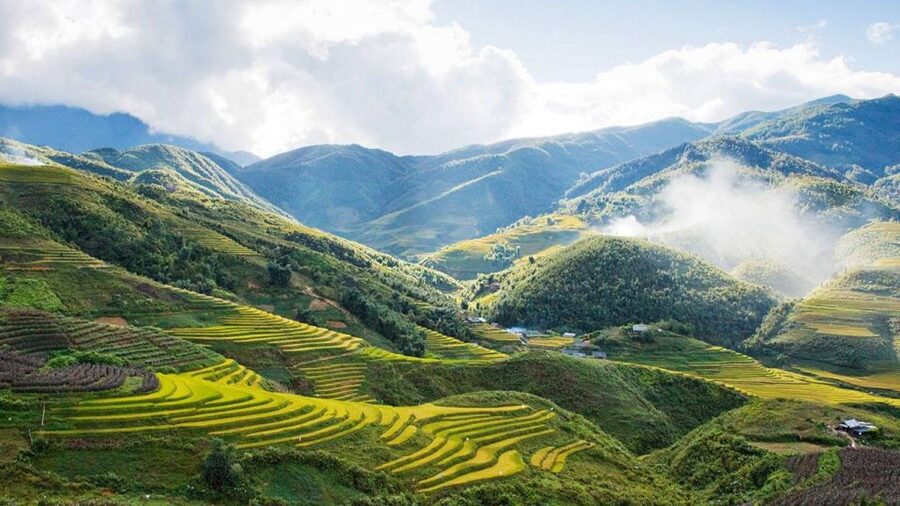
- Village-to-village trekking: Y Linh Ho → Lao Chai → Ta Van, with terraced rice scenery along the way.
- Guides who do more than translate: strong guidance examples include AI (praised for confident, informative village pacing) and Lala (credited for taking care of the group).
- Simple but satisfying evenings in Sapa: a chance to snack by charcoal fire and explore town at night after day 1.
Why the Hanoi-to-Sapa limousine setup matters for your trip
Sapa is far enough from Hanoi that the journey can either crush your energy or set the tone for the whole weekend. This tour is built around a shared limousine-style ride with scheduled breaks. That means fewer chaos moments like hunting for bathrooms mid-road, and more time arriving ready instead of wiped out.
Comfort is the other big deal. One recurring theme in the feedback is that the chairs were wider and the ride felt less punishing than the typical sleeper-bus experience. Still, it’s a mountainous highway drive—so plan for motion and wear something you can sleep in, just in case.
Also, the pickup/drop-off is designed to be convenient: you’re collected from your Old Quarter hotel area (Hoan Kiem district) and later dropped back at your Hanoi hotel. That’s the difference between a hassle-free start and spending your first hour in Vietnam playing transport Tetris.
More trails through the Sapa valleys




Day 1: the long drive, Sin Chai village trekking, and Sapa by night
Your day starts early. You’ll get picked up around 6:30–7:00 AM in Hanoi, then settle in for the drive to Sapa (about 6 hours, with 2 restroom/light-meal stops). When you arrive, lunch is served at the hotel restaurant, then you check in and get a chunk of rest before trekking.
Morning in Sapa: lunch, check-in, and a breather
This is one of the smartest parts of the schedule. Instead of immediately dumping you onto a trail, you eat first and you can freshen up. Sapa weather can be cooler and unpredictable, so having time to adjust your layers makes day 1 feel less stressful.
Afternoon trek: down to Sin Chai (Black Hmong)
After rest, your guide takes you trekking down about 4 km to Sin Chai village, where the Black Hmong community lives. Sin Chai is positioned more than 2 km from the center of Sapa town, and that distance is the point. It helps you see a quieter, more everyday village rhythm rather than only the most staged tourist stops.
What you’re likely to experience here is village life from the path level: the walking, the small household details, and a guide who can explain what you’re seeing. In the strongest feedback, guides were praised for being confident on uneven steps and for sharing a lot of useful cultural context. If you like learning while you walk (instead of sitting through a lecture), this part delivers.
Evening in Sapa: dinner plus the town’s easy night feel
Dinner is around 6:00 PM, followed by free time to explore Sapa at night. The tour offers a specific local vibe option: roasted corn and baked eggs beside a charcoal fire, or you can shop.
This is also a good night to decide how you feel about day 2. If your legs are already complaining, you’ll know early. If you feel good, you can enjoy Sapa town without worrying that you’re wasting energy.
Worth a glance beside this Hanoi pick:
- Hanoi: 2-Day Halong & Lan Ha Bay 5-Star Cruise with Balcony★ 4.8 · 3,300 reviews
- Sapa 2 Days 1 Night From Hanoi – Overnight in Ta Van Village★ 5.0 · 2,669 reviews
- Halong Bay – Le Journey Cruises – All Inclusive 2D1N and 3D2N★ 5.0 · 2,500 reviews
Where you sleep
You spend the night in a 3 or 4-star hotel in Sapa, depending on the option you choose. For a trekking trip, this matters because cold mountain air drains you quickly. A comfortable room and the included dinner/lunch rhythm help you bounce back for day 2’s walk.
Day 2: Muong Hoa valley to Y Linh Ho, Lao Chai, and Ta Van
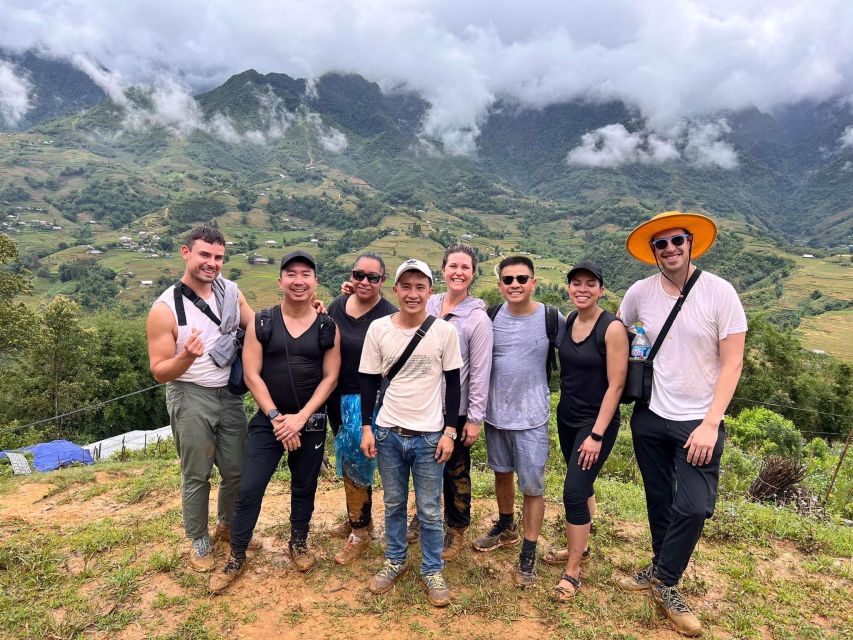
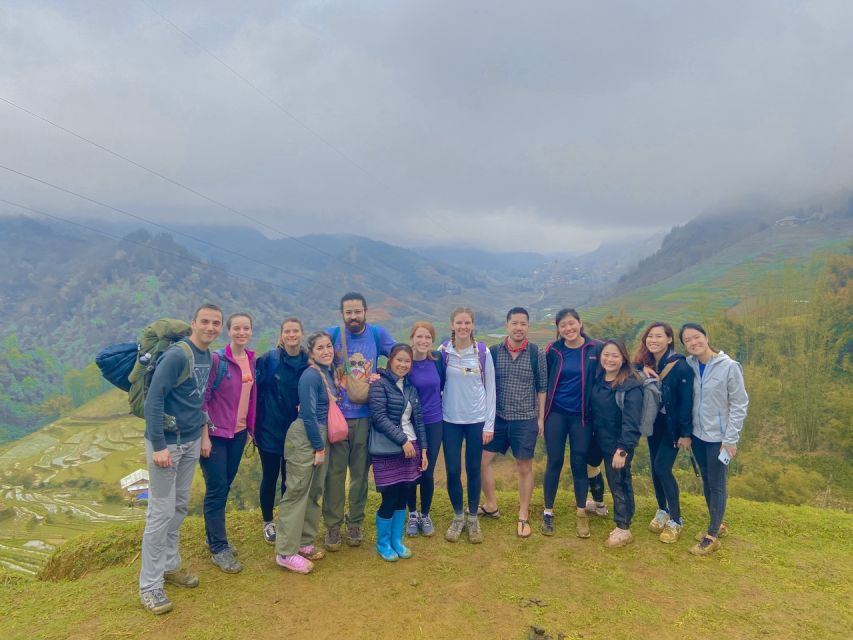
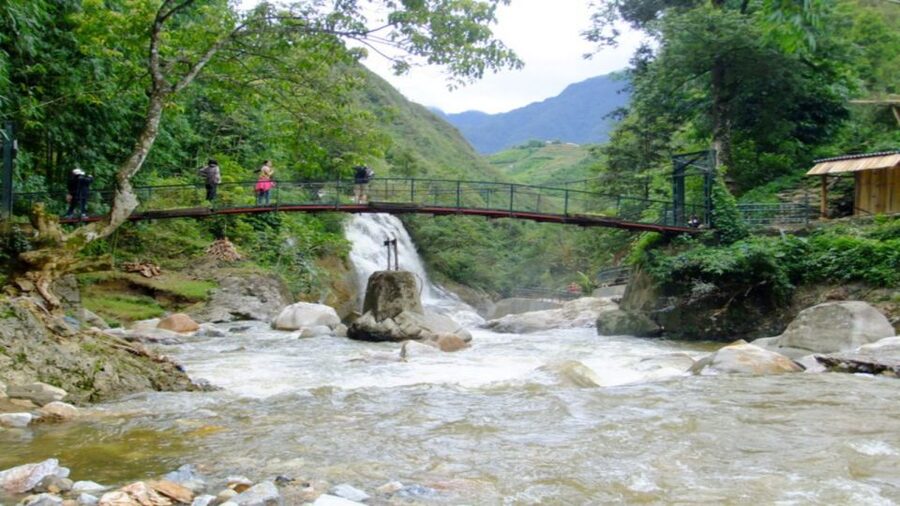
Day 2 starts with breakfast at the hotel. Then the trek begins with movement down the valley: about 6 km south east of Sapa, walking along the side of the Muong Hoa valley to Y Linh Ho village of the Black Hmong.
The Y Linh Ho segment: start with the downhill rhythm
Downhill walking can be easier in one way and harder in another. It’s easier because you’re trending down, but your knees still take a hit. This is one reason good shoe grip matters—especially if conditions are damp or foggy.
If your guide is one of the strong ones described in the feedback (AI is a name that comes up), you’ll likely feel calmer on the steps. People praised AI for guiding confidently and for being informative in every village. That kind of steady leadership is not fluff—it directly affects how safe and relaxed your walking feels.
Y Linh Ho to Lao Chai: another 2 km down
After Y Linh Ho, you continue about 2 km trekking to Lao Chai village of the H’mong community. This section is where the trip becomes more than just scenery. Village-to-village walking turns the day into a moving story: you see how paths connect daily routines, and you get the chance to look at local home architecture and how people live.
Lao Chai to Ta Van: terraced rice walking and Dzay village life
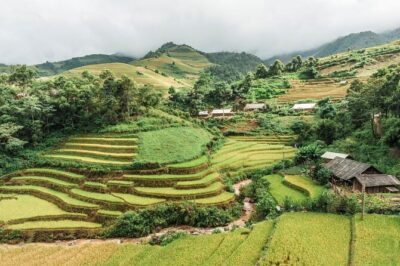
Next you walk through terraced rice fields to reach Ta Van village of the Dzay minority. The terraced rice areas are the kind of setting where you stop without meaning to. Even on an overcast day, the pattern of fields and the valley structure make the walking feel purposeful.
Ta Van is also described as a chance to learn about house architecture and day-to-day customs. This is where a good guide earns their keep, because you need context to understand what you’re seeing beyond the photos.
Afternoon wrap-up: return to Sapa and head back to Hanoi
Around 2:00 PM, you go back to the hotel, pack, and leave Sapa in the limousine at 2:30 PM. You reach Hanoi around 8:30–9:00 PM.
That timing is tight in a good way. You get a full day trekking, you still return with enough time to land at your Hanoi hotel at night, and you don’t spend the evening in transit at awkward hours.
Food and hotel comfort: what’s actually covered (and what isn’t)

You get solid meal coverage:
- 1 breakfast
- 2 lunches
- 1 dinner
Drinks aren’t included, so plan for water or juice purchases on your own. For a cold mountain town, this matters. You can easily drink less when it’s chilly, and then you feel it on the trail.
The hotel is 3 or 4-star depending on the option. Your best bet is to treat the room as recovery time, not as a second attraction. When the weather turns foggy (more on that below), you’ll appreciate having a warm place to reset.
And day 1 night food is its own bonus. The roasted corn and baked egg snack setup is an easy, local-feeling break after trekking down to Sin Chai. It’s not fancy, but it’s memorable in a normal-human way.
Trekking reality check: km numbers, rain, and how to protect your knees
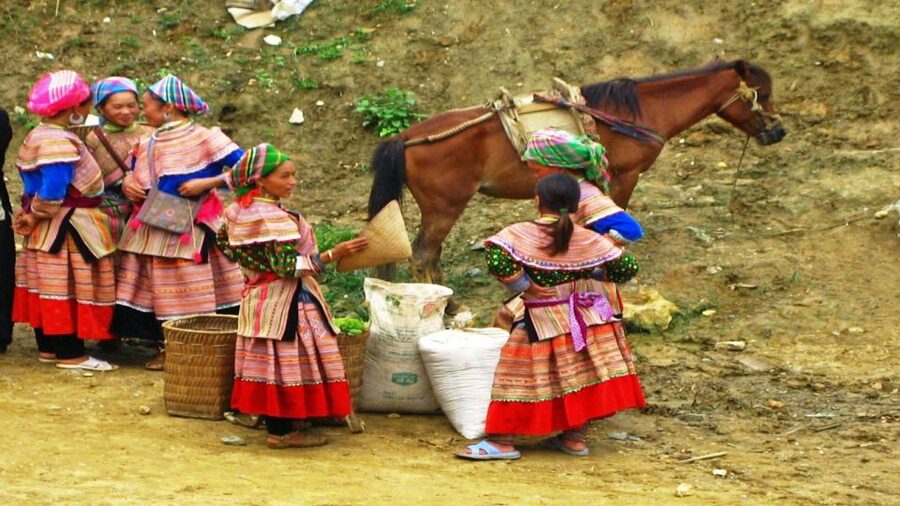
The tour is not a gentle stroll. You’re walking between villages with downhill sections and uneven terrain. The day-by-day distance isn’t listed as one final total in the itinerary, but it does include:
- Day 1: trek down to Sin Chai around 4 km
- Day 2: walking 6 km to Y Linh Ho, then about 2 km to Lao Chai, then another village-to-village walk via terraces to Ta Van
There’s also an important caution: the longer day 2 trek is described as around 9 km, and older people should avoid the long trek because it can be challenging and dangerous in rain.
So here’s how I’d think about it:
- If you’re fit and your shoes have real grip, you’ll likely enjoy this as a full hike day.
- If rain is in the forecast or you don’t trust your footing, treat the long trek caution seriously.
- If you don’t want the long trek, the tour leader can arrange another place on day 2, but you’ll pay the tickets and transportation fees yourself.
Also, the tour isn’t suitable for people with mobility impairments or wheelchair users. If you’re relying on special assistance for walking, don’t assume the route is flexible.
Cost and value: is $150 a good deal?
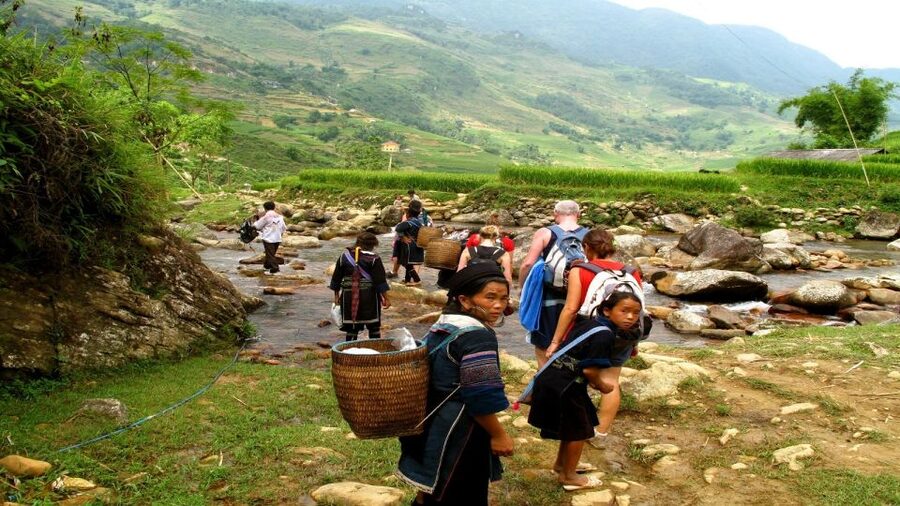
At $150 per person for a 2-day overnight experience, the value depends on what you compare it to.
You’re paying for more than a guide:
- Roundtrip Hanoi ↔ Sapa shared limousine transportation
- Hotel night (3 or 4-star depending on your option)
- An English-speaking Sapa guide
- Local transfers in Sapa
- Entry tickets to the sites mentioned in the plan
- All meals except drinks
On paper, that bundles the biggest cost drivers: transport, lodging, and guided time. If you tried to DIY Sapa with a driver, a guide, and a hotel night, the bill can add up fast—especially because you’re doing a specific village trek route.
Where value can feel weaker is if the trip’s early logistics are rough for your specific departure. Some feedback notes pickup timing problems or seat availability issues before reaching Sapa. That doesn’t mean the trekking stops are bad—it just means you should go in mentally ready for a bumpy start on the road day.
Overall, if you want a guided overnight trek and you’re okay with real walking days, $150 is fairly aligned with what you’re getting.
What to pack for unpredictable Sapa weather and altitude fog
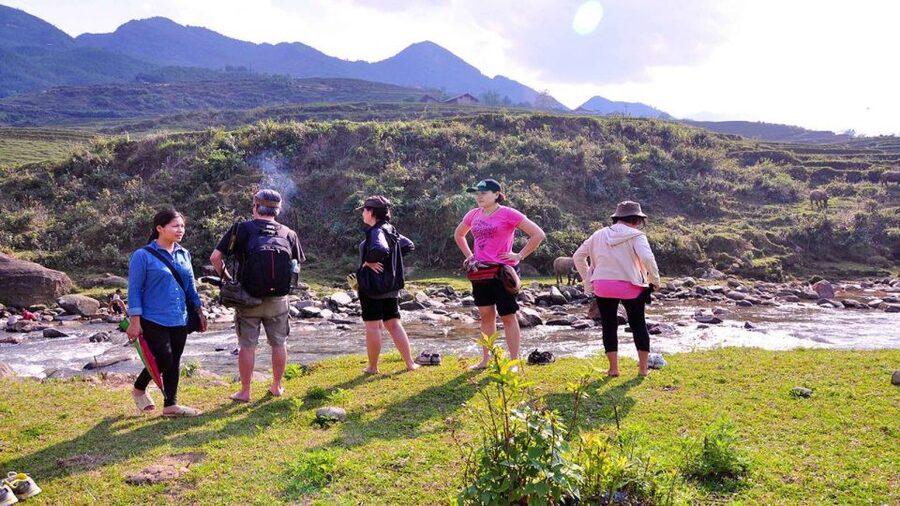
Sapa weather is famous for changing moods fast. The tour specifically advises warm layers and protection:
- Warm clothes, a scarf, and a hat or cap
- Comfortable shoes with good grip
- Sunglasses (yes, even when it’s cold)
- Camera
- Insect repellent
- Bring passport or ID card
- Bring cash for spending
Seasons matter: it’s normally cold from September to March. From December to March, it can be foggy due to altitude. Fog doesn’t ruin the trip, but it makes footing and visibility more challenging, so your shoe grip and layered warmth become your best friends.
Cash also matters. Banking systems in Sapa sometimes do not function, so bring Vietnamese dong. The tour notes US dollars, euros, and Australian dollars are accepted in Sapa, which gives you a backup plan.
How to make the village experience feel respectful (and less stressful)
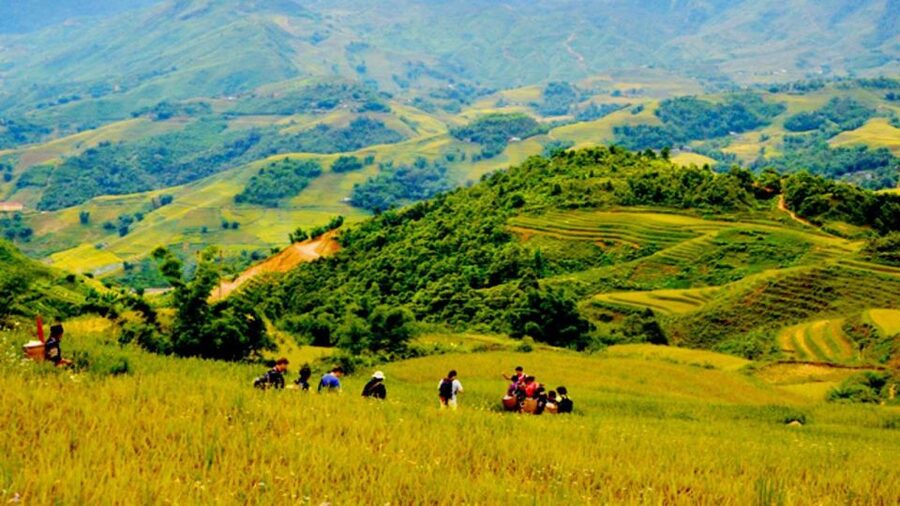
Village visits are the heart of this tour. That’s also why how you act on the path matters.
A few practical notes drawn from what’s been experienced on similar treks:
- Bring cash and be ready for small transactions, but don’t feel pressured to buy.
- When locals accompany you through parts of the trek, treat it like a cultural exchange, not a sales pitch. If someone becomes insistent at the end, you can politely keep it short and move on.
- Take your time at viewpoints. The best part is often slow walking and asking your guide questions about what you’re seeing.
Also, photo etiquette matters. If you want portraits, ask first. If you want wide shots, step back and avoid blocking movement.
Should you book this Hanoi to Sapa overnight tour?
Book it if you want:
- A guided Hanoi to Sapa overnight trip with village treks
- A real hiking day that reaches multiple communities (Sin Chai, Y Linh Ho, Lao Chai, Ta Van)
- Included meals and a hotel night so you don’t have to plan logistics at altitude
Skip or choose a shorter alternative if:
- Your legs aren’t comfortable with a long hike day (day 2 can reach a long trek option around 9 km)
- Rain makes you nervous about slipping
- You need a wheelchair-friendly or mobility-impaired route (this one is not set up for that)
If you do book, I’d aim to travel with the right mindset. This isn’t a quick photo drive. It’s a walk, a culture exchange, and an overnight reset in cold mountain air. When it clicks, it feels like Sapa earned its place in your trip.
FAQ
What time is pickup in Hanoi?
Pickup is around 6:30–7:00 AM from hotels in the Old Quarter area (Hoan Kiem district).
How long does it take to get from Hanoi to Sapa?
The drive takes about 6 hours, with 2 stops for restroom breaks and a light meal if you’re hungry.
Where does the tour go on day 1?
On day 1 you’ll trek down to Sin Chai village, where the Black Hmong live, then return to your hotel in Sapa.
What villages do you visit on day 2?
Day 2 includes Y Linh Ho village (Black Hmong), a trek to Lao Chai village (H’mong), and walking through terraced rice fields to Ta Van village (Dzay).
Is the day 2 trek long?
Yes, there is a longer trek option of about 9 km. Older people are advised not to do the long trek, especially if rain is expected.
What if I do not want the long trek on day 2?
If you don’t want the long trek, the tour leader can arrange another visit on day 2, but you’ll be responsible for any tickets and transportation fees.
What meals are included?
You get 1 breakfast, 2 lunches, and 1 dinner. Drinks are not included.
What kind of hotel do you stay in?
You stay in a hotel in Sapa with options described as 3 or 4-star depending on the option you select.
What should I bring for Sapa’s weather?
Bring passport or ID, comfortable shoes, sunglasses, a sun hat, a camera, insect repellent, and warm layers (including a scarf). Weather is often cold from September to March.
Is the tour suitable for wheelchair users or mobility impairments?
No. The tour is not suitable for people with mobility impairments or wheelchair users.
More Tours in Hanoi
- Ninh Binh Full-Day Tour from Hanoi to Hoa Lu, Tam Coc & Mua Cave Via Boat & Bike
★ 5.0 · 4,384 reviews





More Tour Reviews in Hanoi


More Sapa Treks We Walked

Latest Hanoi write-ups from our team






Sapa Trekking Tours, compared.
 ★ 5.0Sapa 2 Days 1 Night From Hanoi – Overnight in Ta Van VillageFrom $592,669 reviews
 ★ 5.0Hanoi – Sapa 2 Days 1 Night Overnight At HomestayFrom $89899 reviews
 ★ 5.0Sapa: Fansipan Cable, Cat Cat Village & Moana Instagram TourFrom $30777 reviews
 ★ 4.8From Hanoi: 2-Day Sapa Trekking Trip with Homestay & MealsFrom $71704 reviews
 ★ 5.0Sapa 3 Days 2 Nights Trekking Tour (1 Night In Ta Van Village, 1 Night In Hotel)From $139699 reviews
 ★ 5.03-Day Trekking Adventure of Sapa from Hanoi – Stay Ta Van VillageFrom $109611 reviews
 ★ 4.82-Day Sa Pa Ethnic Homestay Tour & Trek with Limousine Bus440 reviews
 ★ 5.0Sapa 2 Days 1 Night From Hanoi – Overnight in HotelFrom $89440 reviews
Browse the lists this tour appears in