
Reviewed · SAPA TREKKING TOURS
Explore Sapa 2 Days 1 Nights by Bus – Homestay
One long bus ride later, Sapa feels like a reset. This 2-day Sapa homestay adds guided trekking through rice fields and villages, plus dinner and breakfast with a local Dzay family. I like the door-to-door pickup from Hanoi’s Old Quarter and the way the days mix planned walks with real free time in Sapa town. The main downside is the homestay is basic—think simple beds, mosquito net, and public bathroom—so comfort-minded folks should know that upfront.
I also love that the trek plan is practical: you’ll walk meaningful distances (about 9 km on Day 1 and 4 km on Day 2) with breaks built in, so it’s not just a photo stop-and-go day. The local guide gives context as you move through areas tied to different ethnic communities, and you’ll see places like Lao Chai and Ta Van from the walking route, not from a viewpoint bus. You don’t have to stress about meals either, since lunch and dinner plus breakfast are provided with options for dietary needs.
One consideration: the weather up in Sapa can turn cold fast, and fog shows up in winter months. You’ll want warm layers and proper footwear because trails can be muddy and temperatures at night can be low, especially from late fall through early spring.
In This Review
- Key highlights to know before you go
- Why Sapa feels calmer than Hanoi (and still worth the effort)
- Pickup and the overnight bus: the part you don’t want to mess up
- Homestay basics with hot-water showers (simple, not careless)
- Day 1 from Sapa Market to Lao Chai: a rice-terrace afternoon that adds up
- The trek: Y Linh Ho to Lao Chai and onward to Ta Van
- The kind of hiking you get: villages, bridges, and village-to-village connections
- Day 2: bamboo forest to Giang Ta Chai views, then back to town
- Sapa town free time: shopping, pacing, and a breather that matters
- Meals included: local dishes with dietary flexibility
- What to pack for Sapa cold, fog, and slippery trails
- Price and value: why $99 can work if you want the full package
- Who this tour suits best (and who should choose differently)
- Should you book Explore Sapa 2 Days 1 Nights by Bus – Homestay?
- FAQ
- Can I get picked up from my hotel in Hanoi?
- What time does the trip start?
- Is the bus air-conditioned, and are there breaks?
- What homestay facilities are provided?
- Are meals included in the price?
- Can the tour accommodate dietary needs?
- How much trekking is there on Day 1?
- How much trekking is there on Day 2?
- What should I bring for Sapa weather?
- How many people are in the group?
Key highlights to know before you go
- Door-to-door Old Quarter pickup at 6:30 am and return bus to Hanoi by evening
- Homestay dinner + breakfast with a Dzay family, plus a basic single bed with mosquito net
- Guided trekking between villages: Lao Chai and Ta Van on Day 1; Giang Ta Chai on Day 2
- Small group size (maximum 15) for a calmer pace and easier guide attention
- Cold-weather ready itinerary with planned walks and time built in for showers and lunch after trekking
- Meals included, drinks not: local dishes are part of the package, but beverages are your cost
Why Sapa feels calmer than Hanoi (and still worth the effort)
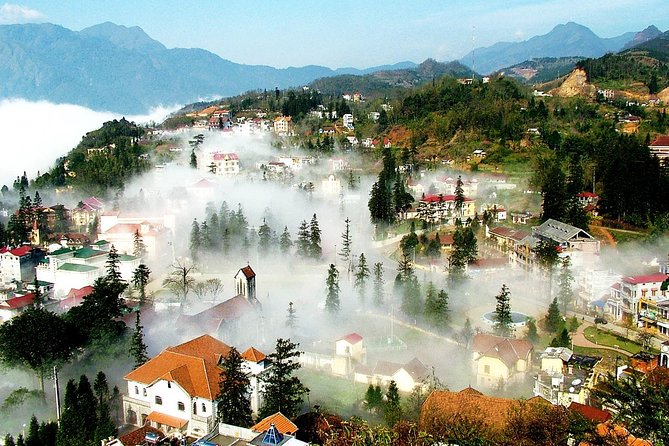
If Hanoi is loud in your head, Sapa can help you breathe again. This trip is built around two things that slow you down: an overnight bus that saves a hotel night, and a homestay night that puts you in the rhythm of rural life rather than a polished resort bubble.
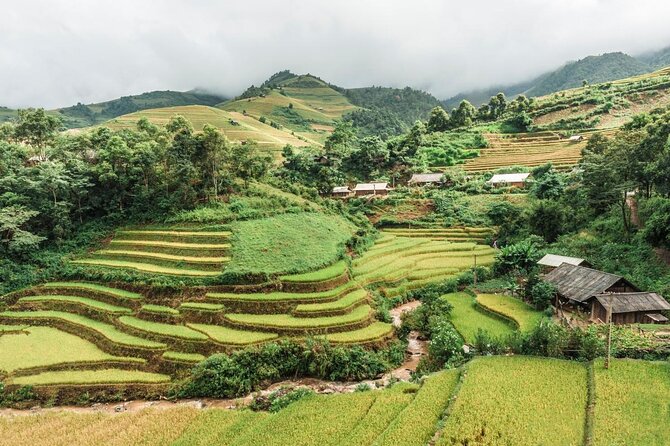
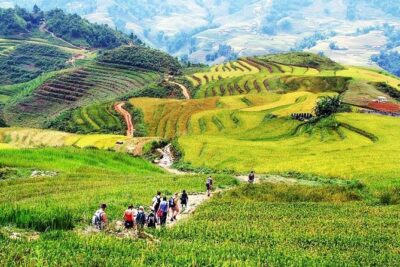
You’re not just going for views. You’re walking rice terraces and passing through small minority villages around the Hoang Lien Son Mountains. That mix matters, because it turns the trip from scenery-only into a story you remember—how people live, where they farm, and why the valleys look the way they do.
This isn’t a luxury retreat. It’s more like a guided “work and life” sampler: you sleep simply, you eat real food, and you hike to earn the views.
More trails through the Sapa valleys

Pickup and the overnight bus: the part you don’t want to mess up
The plan starts early. You’re picked up at 6:30 am in Hanoi’s Old Quarter / Hoan Kiem district area. From there, you board a big air-conditioned coach with comfortable seats and you’ll have two comfort breaks along the way (one around Lao Cai, another before approaching Sapa).
The bus portion is handled by an English-speaking tour leader during the Hanoi–Sapa–Hanoi travel, and you get two bottles of water plus tissues on board. That’s a small detail, but it helps on a long ride when you’re already half-awake and coffee isn’t guaranteed to be part of the plan.
The schedule is designed so you arrive for lunch and an afternoon walk rather than spending your first day fighting jet lag or bus fatigue. If you hate wasting time, this is a strong setup.
Homestay basics with hot-water showers (simple, not careless)
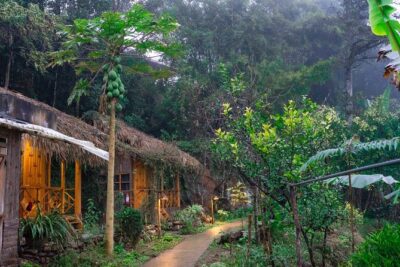
Your overnight stay is with a local Dzay family. Expect a single basic bed with a mosquito net, and a public bathroom with hot water in the homestay. That hot water point is important because Sapa nights can feel sharp, especially when you’ve been hiking.
This is also where you need the right mindset. Homestays are not hotels. Facilities are basic and the experience is part cultural exchange, part getting you close to daily village life. If you need hotel-level privacy and spotless bathrooms, this might not be your style.
That said, you’re not walking into total mystery either. Meals are included, and you’ll have breakfast prepared by the family on Day 2. You’re given a structure, but you still get the feeling that the family is living their normal day, not putting on a performance.
After your Day 2 trekking, there’s time for you to have a shower at the hotel and check out before lunch in town. So you get two chances to reset—first in the homestay stay, then again when you return to Sapa.
Day 1 from Sapa Market to Lao Chai: a rice-terrace afternoon that adds up
Day 1 starts with a morning bus departure from your hotel pickup area. Around 13:00, you arrive in Sapa town, where you’ll notice ethnic diversity immediately—traditional costumes from groups like H’Mong, Dzao, and Tay show up in and around the town area.
You’ll meet your local English-speaking guide and transfer to the office. Then you eat lunch with local Vietnamese dishes. This matters because your first trek is in the afternoon and you’ll want energy before you start walking downhill/uphill in mountain air.
The trek: Y Linh Ho to Lao Chai and onward to Ta Van
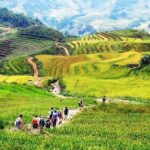
Around 14:15, you drive to Y Linh Ho and start trekking through the rice terraces and along Muong Hoa Stream. The route takes you to the Black Hmong village of Lao Chai. You’re not just looking from a distance—you’re moving alongside terraces and valley lines where farming and water shape everything.
After Lao Chai, you continue to Ta Van, which is home to the Dzay (Zay) ethnic people. The plan puts you in Ta Van in the late afternoon, which is a nice timing choice: you can see details as light softens, and you’re not rushing through the walk at full midday heat.
The trek is listed as about 9 km and lasts around 3.5 hours. That’s a real walk. You should have a moderate fitness level and a willingness to go at a guided pace rather than trying to “speed run” the itinerary.
Worth a glance beside this Hanoi pick:
- Hanoi: 2-Day Halong & Lan Ha Bay 5-Star Cruise with Balcony★ 4.8 · 3,300 reviews
- Sapa 2 Days 1 Night From Hanoi – Overnight in Ta Van Village★ 5.0 · 2,669 reviews
- Halong Bay – Le Journey Cruises – All Inclusive 2D1N and 3D2N★ 5.0 · 2,500 reviews
The kind of hiking you get: villages, bridges, and village-to-village connections
This tour’s hiking style is what makes it feel authentic. Instead of one big viewpoint trail, you’re connecting village areas that sit within the broader Sapa region and the Hoang Lien Son Mountains.
On Day 2 you’ll see that again with the Giang Ta Chai Bridge, which acts like a turning point between trail sections and the main road where the bus can pick you up. That bridge isn’t just a photo spot—it’s part of how the route links places that matter to local life.
On Day 1, the same idea is built into the walking path: terraces, stream, village, then another village. You get context because you’re moving through the spaces where daily work would happen, not just past them.
Day 2: bamboo forest to Giang Ta Chai views, then back to town
Day 2 starts with breakfast prepared by the family at around 8:00. Then you begin another morning trek that builds on yesterday’s experience.
At 8:45, you keep walking through rice paddies and get a photo session with big surrounding views. After that, you head into a bamboo forest and stop for a panorama view of Giang Ta Chai village, home of the Red Dzao people.
Then the route continues through the Giang Ta Chai Bridge toward the main road. The trek distance is listed as about 4 km, lasting around 2 hours, which makes Day 2 feel more manageable after the longer Day 1.
At 11:00, you’re trekking near the bridge and toward the road. Around 11:00 to 12:00, the bus picks you up to come back to Sapa town. That timing is a gift: you get back early enough to shower, check out, and still have afternoon leisure rather than racing the sunset.
Sapa town free time: shopping, pacing, and a breather that matters
You get a chunk of free time on Day 2: from about 13:30 to 14:45, you can relax and do your own thing in Sapa town. That window is more important than it sounds. Two days of trekking can make you feel “on” all the time, and having a reset period keeps the trip from turning into a nonstop march.
Earlier on, you also have time at Sapa Market. You pass through it in the first morning timing window (pickup and departure) and there’s another market stop listed as 08:00 on Day 2. Even if you don’t plan to buy much, it’s useful for getting your bearings—where people sell, what’s in season, and how town life feels compared to the hills.
If you want to shop, bring cash in Vietnamese Dong because the banking system in Sapa can be unreliable. US Dollar and Euro are accepted in Sapa, but it’s smart to carry local currency for smaller purchases.
Meals included: local dishes with dietary flexibility
Meals are built into the package: 2 lunches, 1 dinner, and 1 breakfast with local dishes. Drinks during meals are not included, so plan on paying for water, juice, or soda separately once you’re in town.
The good news is that dietary needs can be accommodated if you send requests before your departure date. That means you shouldn’t just hope for the best if you’re vegetarian or have a food constraint. Give the operator your needs ahead of time so the homestay and meal planning can adjust.
I like that the tour doesn’t pretend you’ll eat the same “tourist safe” menu every day. You’re here for Vietnam food in mountain settings. Just remember that “adventurous” can mean less control over sauces and spice level, so if you’re sensitive, put that in writing during the special request stage.
What to pack for Sapa cold, fog, and slippery trails
Sapa can be cold even when you’re not expecting it. The trip’s own guidance basically screams one theme: pack for unpredictable weather.
Bring warm layers—scarf, hat, and a jacket—because the temperature can be low from around September through March. Fog also shows up in the winter months, so consider sunglasses even on gray days.
Footwear is not optional. The tour suggests sneakers for getting through the itinerary, and also calls out the need for trekking shoes. If you only bring one pair, choose the one with better grip and ankle support.
Also pack:
- Sunglasses
- Sunscreen
- Insect repellent
- Medicine, just in case
Cash is practical too: take enough Dong because banking can fail when you need it. And don’t forget the simple stuff—hat + water bottle awareness. The bus gives water, but you’ll still want to stay hydrated during treks.
Price and value: why $99 can work if you want the full package
At $99 per person, this tour is positioned as a “pay once, worry less” deal. You’re not just buying a bus ticket. You get round-trip air-conditioned transport, guided travel support in Hanoi’s travel segment and a local guide in Sapa, plus meals (two lunches, one dinner, one breakfast), and an overnight homestay bed with mosquito net.
You also get practical supplies: tissues and water on the bus. You get the structure of a guided itinerary with trek routes through multiple village areas.
Where the value gets tested is in comfort expectations. Since the homestay is basic and bathrooms are public (even with hot water), this is best value for people who want real village access and are okay with simpler lodging. If you need a private ensuite and hotel-like comfort, you may feel the price would be better spent on a different accommodation style.
Group size is capped at 15 travelers, which is another value factor. Smaller groups often mean a calmer hike and less time waiting around.
Who this tour suits best (and who should choose differently)
This fits you if you want:
- A homestay night with a Dzay family and real rural pacing
- Guided trekking through areas like Lao Chai, Ta Van, and Giang Ta Chai
- Included meals so you don’t have to plan every stop
- A moderate fitness hike you can manage in a couple of hours at a time
It might not fit if you:
- Cannot handle basic facilities (the homestay is simple)
- Hate cold weather or aren’t willing to pack warm layers
- Want zero walking and only paved paths (Day 1 and Day 2 both include real treks)
Overall, this is a strong choice for people who like learning by doing—walking, eating, and watching village life change from town streets to terrace steps.
Should you book Explore Sapa 2 Days 1 Nights by Bus – Homestay?
If your ideal Sapa trip includes a guided trek, included meals, and a night with a local family, I’d say yes. The structure is solid: early pickup from Hanoi, a meaningful Day 1 trek, an easier Day 2 trek, then enough afternoon time in town to breathe.
Book it if you’re comfortable with basic lodging and you pack properly for cold mountain weather. Skip it only if you’re chasing resort comfort or you’re not willing to walk several kilometers on uneven terrain.
FAQ
Can I get picked up from my hotel in Hanoi?
Yes. Pickup and drop-off are offered in the Old Quarter area, in Hoan Kiem district only, with a start time of 6:30 am.
What time does the trip start?
The activity starts at 6:30 am.
Is the bus air-conditioned, and are there breaks?
Yes. The tour uses a modern air-conditioned coach, and the route includes comfort breaks (one at Lao Cai area and another before approaching Sapa).
What homestay facilities are provided?
You’ll have a basic single bed with a mosquito net. There is also a public bathroom with hot water in the homestay.
Are meals included in the price?
Yes. You get 2 lunches, 1 dinner, and 1 breakfast with local dishes.
Can the tour accommodate dietary needs?
Special requests for diet or vegetarian can be sent before departure, and the tour states dietary needs can be accommodated.
How much trekking is there on Day 1?
Day 1 includes a trek of about 9 km that lasts around 3.5 hours.
How much trekking is there on Day 2?
Day 2 includes a trek of about 4 km that lasts around 2 hours.
What should I bring for Sapa weather?
Bring warm clothes (scarf, hat, cap, jacket). Sapa weather is unpredictable and can be cold, especially during the listed colder months. Trekking shoes, sunglasses, suncream, insect repellent, and medicine are also recommended.
How many people are in the group?
The tour has a maximum group size of 15 travelers.
More 2-Day Experiences in Hanoi
- Doris Cruise 5 star cruise 2 days visiting Halong Bay Lan Ha Bay private balcony
★ 5.0 · 2,338 reviews




More Tour Reviews in Hanoi



More Sapa Treks We Walked

Latest Hanoi write-ups from our team






Sapa Trekking Tours, compared.
 ★ 5.0Sapa 2 Days 1 Night From Hanoi – Overnight in Ta Van VillageFrom $592,669 reviews
 ★ 5.0Hanoi – Sapa 2 Days 1 Night Overnight At HomestayFrom $89899 reviews
 ★ 5.0Sapa: Fansipan Cable, Cat Cat Village & Moana Instagram TourFrom $30777 reviews
 ★ 4.8From Hanoi: 2-Day Sapa Trekking Trip with Homestay & MealsFrom $71704 reviews
 ★ 5.0Sapa 3 Days 2 Nights Trekking Tour (1 Night In Ta Van Village, 1 Night In Hotel)From $139699 reviews
 ★ 5.03-Day Trekking Adventure of Sapa from Hanoi – Stay Ta Van VillageFrom $109611 reviews
 ★ 4.82-Day Sa Pa Ethnic Homestay Tour & Trek with Limousine Bus440 reviews
 ★ 5.0Sapa 2 Days 1 Night From Hanoi – Overnight in HotelFrom $89440 reviews
Browse the lists this tour appears in