Reviewed · HANOI
Daily Experience Authentic TaPhin Valley &Traditional Herbal bath
Rice terraces meet a medicinal bath.
This is a Sapa day built around real village rhythms, from the Black Hmong homes at Suoi Ho to a traditional herbal bath with the Red Dao at Ta Phin. I like that it mixes walking and culture instead of doing just one or the other. The main thing to consider is that you should be ready for a moderate hike, and the experience depends on decent weather.
I also appreciate the small group size (max 9) and the English-speaking guide—this keeps things personal when questions come up. Guides like Nhù, Su, or Niou (you may be paired with one of them) tend to explain customs in a practical way, including how people relate to plants and daily routines. Add lunch hosted by a local family and bottled water, and you get a day that feels more like a neighbor’s schedule than a tourist factory.
One more heads-up: extra drinks aren’t included. If you want soft drinks, you’ll pay for them, and you’ll also want to budget for tips for the guide and driver since those aren’t covered.
In This Review
- Key highlights I’d mark on your map
- Suoi Ho starts the day: Black Hmong daily life, not a photo stop
- Rice terraces on foot: where work meets scenery
- Lunch hosted by a local family: why it’s more than a break
- Bamboo forest trek to Ta Phin: the mood changes
- Ta Phin village time: Red Dao culture, daily life, herbal tradition
- The herbal bath: what to expect and how to prepare
- Price and logistics: is $39 good value?
- Group size and timing matter more than people think
- Who this day trek suits best (and who might not)
- Booking smart: small details that help the day run smoothly
- Should you book this Sapa experience?
- FAQ
- How long is the tour?
- What time does pickup usually happen in Sapa?
- Is lunch included?
- Does the price include the herbal bath and admission?
- Is there an English-speaking guide?
- What’s the group size limit?
- What should my fitness level be?
- What’s the cancellation policy if weather is bad?
Key highlights I’d mark on your map
- Suoi Ho Village time with the Black Hmong, including a chance to see daily life up close
- Rice-terrace hiking through working fields, and possible participation during rice plantation
- Lunch with a local family in a spot chosen for the trek, not a generic restaurant stop
- Bamboo forest trek on the way to Ta Phin, a nice change of pace after rice terraces
- Ta Phin Red Dao herbal bath as a hands-on cultural health moment, included in the price
Suoi Ho starts the day: Black Hmong daily life, not a photo stop

The day begins with pickup from your hotel in Sapa around 8h30 to 8h45. That timing matters in Sapa. Morning air tends to be clearer, and you’ll avoid the “everyone arrives at once” feeling you can get on longer, less coordinated tours.
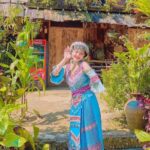
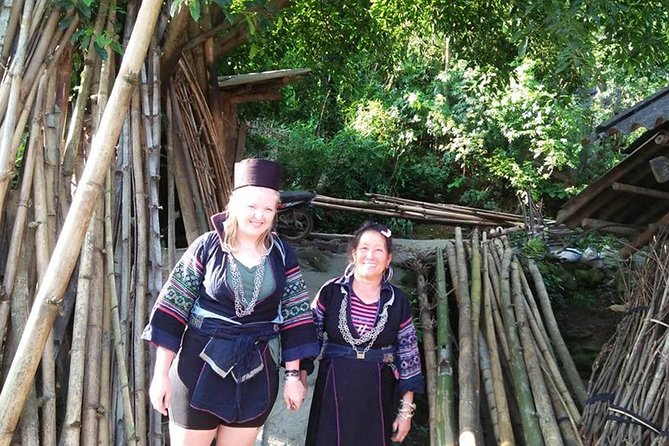
Once you’re moving, the trek takes you toward Suoi Ho village, home to the Black Hmong. This part is valuable because you’re not rushing straight to viewpoints. You get time to explore the village and take in everyday details—how people live, what they do in their routine, and how community life shapes the landscape around them.
The guide is part of the value here. With a good English-speaking guide, village visits work better because you can translate what you’re seeing into something meaningful. In the guide stories I’ve seen connected to this tour, people often highlight that the guide is both warm and genuinely familiar with customs and how daily life runs.
Practical note: village areas can be uneven. Wear shoes you trust. If you rely on sandals, you’ll spend the day thinking about your footing instead of enjoying the views.
Not sure yet? See how this one sits next to a few Sapa favourites.
Rice terraces on foot: where work meets scenery
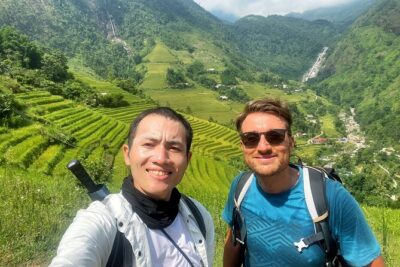
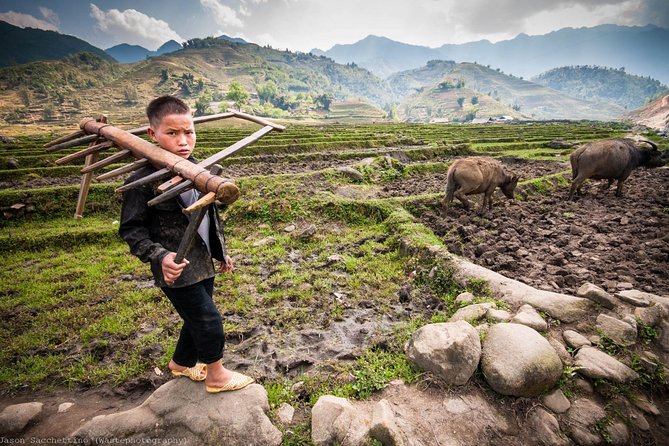
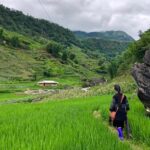
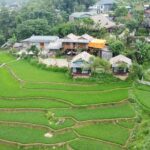
After Suoi Ho, the hiking continues on dirt paths through the rice terraces. This is where the tour earns its keep. Sapa’s terraces aren’t just pretty from a distance; in season they’re active farmland. That makes the scenery feel real, because you’re walking through spaces tied to someone’s calendar.
You may also get a chance to join rice-plantation activities if your trek lines up with the season. The wording is important: it’s conditional, so don’t assume you’ll handle seedlings or follow a specific task. But even if you’re only watching, seeing how planting changes the pace of the village day adds depth to what you came to see.
When you’re in rice fields, slow down. The best moments are often small: how people work, how families move through the terrace system, and what people carry or wear while working. If you’re the type who likes learning through observation, this section will click.
Lunch hosted by a local family: why it’s more than a break

Lunch is served at a nice spot hosted by a local family. I like these kinds of meals on trekking days because they answer one question: where does everyone eat when they’re living the routine? A restaurant meal can be fine, but a family-hosted stop usually feels like you’ve been given a seat at the day’s table.
This is also where pacing matters. After a morning hike, you want a lunch stop that’s close enough to keep you energized, but not so short that it becomes a rushed transaction. Here, lunch is built into the route, so you’re not hopping around chasing time slots.
A small practical advantage: the tour includes bottled water (1L per person). In Sapa, water and timing help you keep the walk enjoyable rather than turning it into a dehydration drill.
Bamboo forest trek to Ta Phin: the mood changes
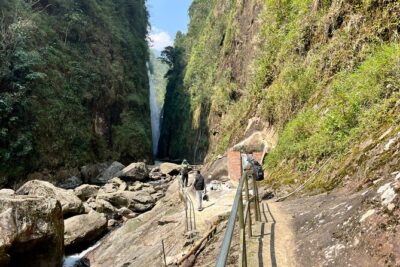
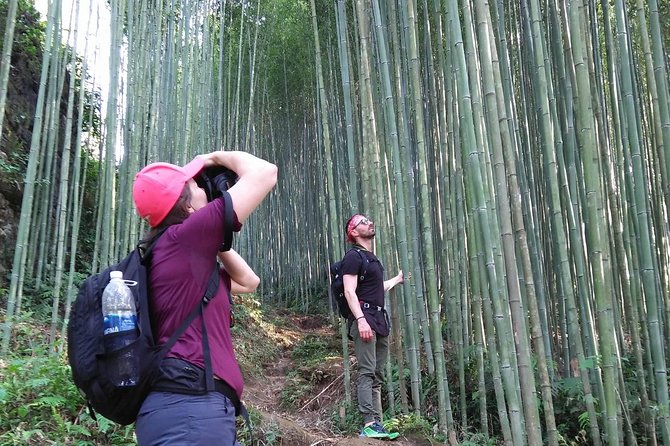
After lunch, you’ll head into a trek through a bamboo forest. This is a nice switch from rice terraces. Rice fields are open and view-driven. Bamboo tends to be cooler, quieter, and more shaded, which can make the afternoon feel less like a long “look at scenery” loop and more like walking through a place with a different rhythm.
This stretch also helps you absorb what you saw earlier. After village life and terraced fields, bamboo offers a mental reset. You’ll likely notice the pace slows naturally. It’s easier to talk, take photos without feeling rushed, and simply watch how the path threads through the forest.
If you’re someone who gets restless on long days, this bamboo section can be the bridge between “culture in the morning” and “hands-on experience later.”
Ta Phin village time: Red Dao culture, daily life, herbal tradition
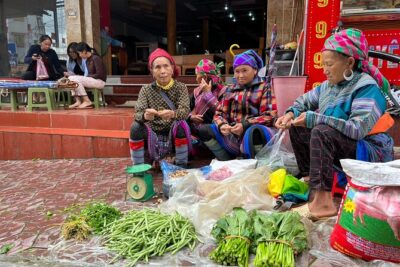
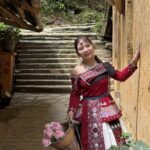
The afternoon ends at Ta Phin, inhabited by the Red Dzao (Red Dao) minority. Like the Suoi Ho stop, the goal isn’t just a quick glance. You’ll have time to stroll in the village and discover daily life.
This is where the tour’s theme really shows: you’re seeing two major ethnic groups of Sapa in one day—Black Hmong in the morning and Red Dao later. That comparison can make your notes sharper. Instead of treating Sapa’s communities as interchangeable, you start noticing how different daily routines, village layouts, and crafts fit into people’s lives.
And then comes the included highlight: the traditional herbal bath. This isn’t described as a generic spa stop. It’s tied to Red Dao tradition and herbal practice, which is exactly what makes it interesting. People often choose Sapa for views, but a bath like this gives you something you can’t replicate at home with a quick Google search.
- Number one top rated ethical cultural trekking and homestay by ETHOS★ 5.0 · 456 reviews
- Motorbike 1 Day Off The Beaten Track, Hidden Villages, rice field★ 5.0 · 203 reviews
- 1-day Authentik trek & Panorama valley views★ 5.0 · 189 reviews
The herbal bath: what to expect and how to prepare
You’re not just watching from the side. The tour includes a traditional herbal bath, which means you’ll likely need to treat this like an activity, not a short photo moment. Pack or bring anything you’d want for personal comfort—especially if you don’t travel with a swimsuit or a small towel, I’d plan to have something ready.
Also keep expectations grounded. This is a cultural health practice, not a luxury resort bath. The goal is participation and understanding, not perfect facilities.
The best way to enjoy it is to go in curious and practical: ask your guide what herbs are used (if they explain), and pay attention to how the ritual fits into daily life. If your guide is strong—people have singled out guides such as Nhù, Su, and Niou for clear communication and enthusiasm—this part can turn into the most memorable cultural moment of the day.
Price and logistics: is $39 good value?
At $39 per person for about 6 to 7 hours, this tour is reasonably priced if you factor in what’s included. You get:
- pickup from your hotel (or at least offered transport)
- an English-speaking guide
- an air-conditioned vehicle
- admission fee
- lunch
- traditional herbal bath
- bottled water (1L per person)
- a mobile ticket
What you don’t get is equally clear: soft drinks, personal expenses, and personal insurance are not included. Tips for guide and driver are also on you. If you want a French guide, that’s case by case and may cost extra.
So is it value? For me, the best sign is that the price includes two things that often cost extra on their own: the admission and the herbal bath, plus a full lunch. Add a small group cap of 9 travelers, and you’re not paying “big-group budget” prices while getting “big-group rushed” service. That’s where the value lands.
Group size and timing matter more than people think
With max 9 people, the pace stays manageable. You can ask questions during village time and still move with the group without feeling like you’re slowing down a conveyor belt.
Start time is also firm: pickup around 8h30–8h45 means you’ll be done by early afternoon depending on pace and weather. It’s a good way to pack culture into a short Sapa stay without committing to an all-day trek that drains you.
Who this day trek suits best (and who might not)
This experience is ideal if you:
- want culture plus walking in one day
- enjoy village visits and don’t mind learning through questions
- like nature, but you also want the human side of Sapa, not just views
- want an included activity beyond sightseeing, like the herbal bath
- prefer smaller groups rather than crowded tour buses
You should think twice if:
- you’re not comfortable with a moderate fitness level hike (the walking is part of the plan)
- you struggle with uneven paths or long stretches on dirt trails
- weather is a concern for your trip dates, since the tour requires good weather and may be changed or refunded in case of poor conditions
The good news is that because the tour is only 6 to 7 hours, it’s intense but not endless.
Booking smart: small details that help the day run smoothly
A few practical pointers will make this tour feel easier.
First, wear layers. Sapa weather can shift quickly, and you’ll be walking from open rice fields to shaded bamboo forest. Bring something you can add or remove without turning your day into a garment store.
Second, plan for cash or card for what’s not included. Soft drinks and personal expenses are yours. And while this is optional, tips for guide and driver are expected since they’re not part of the package.
Third, if you like getting the most out of village time, come with 2–3 basic questions ready. Things like daily routines, traditional crafts, or herbal practices often lead to better conversations than asking for facts you could read later.
Should you book this Sapa experience?
I’d book it if your ideal day includes a mix of two ethnic village visits, a hike through rice terraces and bamboo, and an included cultural activity like a traditional herbal bath. It’s also a good pick for first-time Sapa visitors because it gives you variety without turning the schedule into a marathon.
I would skip or postpone it if you’re sensitive to moderate hiking, or if your trip dates are your one-shot chance and you can’t flex if the weather turns. Since the tour requires good weather, you’ll want a bit of flexibility in your calendar.
Overall, for $39 with lunch, guide, admission, and the herbal bath included, this one is a solid value. It doesn’t just show Sapa. It gives you a day where you can understand how people live there.
FAQ
How long is the tour?
It runs for about 6 to 7 hours.
What time does pickup usually happen in Sapa?
Pickup is offered from your hotel around 8h30 to 8h45am.
Is lunch included?
Yes. Lunch is included in the tour price.
Does the price include the herbal bath and admission?
Yes. The admission fee and the traditional herbal bath are included.
Is there an English-speaking guide?
Yes. The tour includes an English speaking guide.
What’s the group size limit?
The tour has a maximum of 9 travelers.
What should my fitness level be?
You should have a moderate physical fitness level since the day includes trekking.
What’s the cancellation policy if weather is bad?
You can cancel for a full refund if you cancel at least 24 hours in advance. The experience requires good weather, and if it’s canceled due to poor weather, you’ll be offered a different date or a full refund.