
Reviewed · SAPA TREKKING TOURS
Bac Ha, Sapa and Mu Cang Chai Tour
Rice terraces and markets, stitched into five days. This private circuit across Bac Ha, Sapa, and Mu Cang Chai puts you in hill-tribe villages and keeps a private English-speaking guide with you from Hanoi to the last valley walk.
I love that you sleep in a mix of homestays and lodges/guesthouses, so you see northern Vietnam as lived-in daily life, not a staged stop. You’ll also get included breakfasts, lunches, and dinners that make the long travel days feel easier.
One consideration: the pace includes real trekking and the route can be weather-sensitive. Even a simple boat ride on the Chay River depends on water level, so some days may feel a bit more flexible than you expect.
In This Review
- Quick Takeaways
- Why This Route Feels Different From a Typical Sapa Trip
- Price and Logistics: What $689.75 Really Buys You
- Day 1: Hanoi to Bac Ha With a Chay River Pause and a Tay Village Walk
- What you’ll do
- Why this first day works
- Small drawback to expect
- Day 2: Bac Ha Market Morning and the Drive Up to Sapa
- Bac Ha Market experience (the main event)
- After the market: Sapa reset
- What to watch for
- Day 3: Muong Hoa Valley Trek to Black H’mong Villages, Then a Stilt-House Night Near Mu Cang Chai
- Muong Hoa Valley trek
- Lunch and drive
- Mu Cang Chai: Thai stilt-house homestay
- Why this second-night setup feels smart
- Practical note
- Day 4: Long Rice-Terrace Trek From Che Cu Nha to La Pan Tan, Then Tu Le
- The trek route
- Why this day is a highlight
- What to do with your expectations
- Day 5: Tu Le Valley Walk and Back to Hanoi
- Why the ending location works
- Homestays and Lodges: How to Make It Comfortable (and Respectful)
- Fitness, Weather, and the Little Things That Matter
- Packing basics that won’t waste space
- Who This Tour Suits Best (and Who Might Want Something Else)
- Should You Book This Tour? A Practical Decision Guide
- FAQ
- How long is the Bac Ha, Sapa and Mu Cang Chai tour?
- Where does the tour start, and what time do you meet?
- Is this a private tour, and do I get an English-speaking guide?
- What meals and accommodations are included?
- Do I need a certain fitness level, and what should I bring?
- What if I visit on Sunday for the Bac Ha market?
Quick Takeaways
- Homestays plus lodges give you variety: village mornings one night, a more standard hotel the next.
- Hill-tribe markets in Bac Ha (including the Sunday market option) are colorful and active, with plenty to photograph.
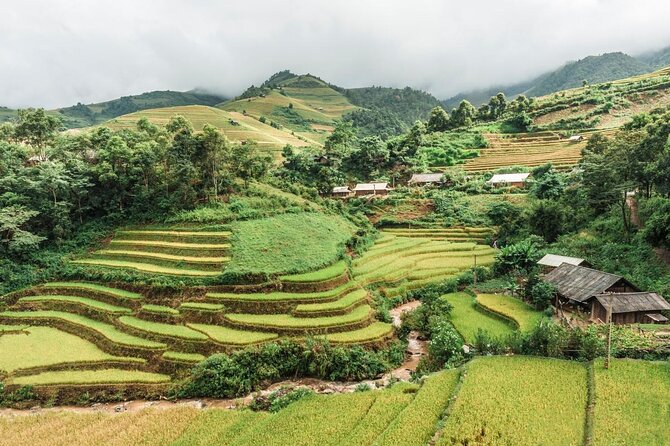
- Trekking days are planned with purpose, including Muong Hoa Valley village walks and a long rice-terrace route near Mu Cang Chai.
- The private setup matters: your guide and air-conditioned vehicle stay with you, so you’re not stuck waiting around.
- Good shoes are not optional. The itinerary favors walking paths and small routes, not paved sightseeing strolls.
- Cost includes a lot: guide, vehicle, tickets/entrance fees, and most meals, which helps keep the trip from turning into a surprise budget buster.
Why This Route Feels Different From a Typical Sapa Trip
If you’ve only seen Sapa from day-trip viewpoints, this route feels like the whole story. Bac Ha leans into hill-tribe village life and market energy. Sapa adds a base-town feel where you can reset. Mu Cang Chai brings the big rice-terrace show, with trekking between villages and terrace zones.
What makes this circuit especially satisfying is the combination of:
- market time in Bac Ha
- village walks in Muong Hoa Valley
- stilt-house nights near Mu Cang Chai
- a long, scenic trek with a picnic lunch
It’s not just “see a view.” It’s “walk through the places that create the views.”
And because it’s private, you’re not sharing a van with strangers while the guide tries to keep a group together at every stop.
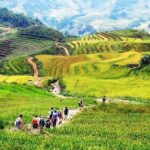
More trails through the Sapa valleys

Price and Logistics: What $689.75 Really Buys You
At $689.75 per person for about 5 days, this tour can feel like good value if you compare it to piecemeal bookings. Here’s what’s included that usually costs extra when booked separately:
- Private English-speaking guide throughout
- Private air-conditioned vehicle with driver
- Bottled water during the drive
- Sightseeing tickets and entrance fees
- Meals included: breakfast (4), lunch (5), dinner (3)
- Accommodation on a twin-shared basis (Hanoi not included)
- Pickup offered and a mobile ticket
So you’re paying for a full package of transportation, guide time, and daily logistics. That’s a big deal on this kind of Northern Vietnam route, where distances add up and schedules matter.
If you’re a solo traveler, a couple, or a small group, private touring can also feel less stressful. And when I look at planning notes shared by past clients of Custom Asia Travel—names like Minh Ninh (planning support) and Mr. Lam (guide mentioned in stories)—it suggests the operator pays attention to organizing the pieces so the days flow.
Day 1: Hanoi to Bac Ha With a Chay River Pause and a Tay Village Walk
Your day starts early in Hanoi. The meeting time is 7:00 am, and departure toward Bac Ha is listed at 8:00 am, with a countryside drive on Highway Noi Bai – Lao Cai.
What you’ll do
- Stop in the Bac Ha area after a long scenic drive (with lunch along the way)
- If conditions allow, take a short boat ride on the Chay River
- Walk to Trung Do village, home to the Tay ethnic minority
- Check in for the night at a local homestay
Why this first day works
This is a gentle “arrive and start connecting” day. You’re not dropped into a strenuous trek right away. Instead, you get that classic northern Vietnam rhythm: travel, short activity, then homestay life.
- Hanoi Jeep Tour: Food, Culture and Fun by Vietnam Army Jeep★ 5.0 · 15,222 reviews
- Full-Day Ninh Binh Highlights Tour from Hanoi★ 5.0 · 7,761 reviews
- Hanoi: Ha Long Bay Day Cruise – Swimming, Meal, Kayaking★ 4.7 · 7,415 reviews
Small drawback to expect
The boat ride depends on water level. If the river isn’t cooperative, the day simply shifts toward walking and village time. Either way, it’s still a meaningful way to start.
Day 2: Bac Ha Market Morning and the Drive Up to Sapa
Day 2 begins with a very real countryside wake-up. The itinerary notes you may be roused early by domestic animals such as roosters or pigs, which is part of what makes homestays feel authentic.
Bac Ha Market experience (the main event)
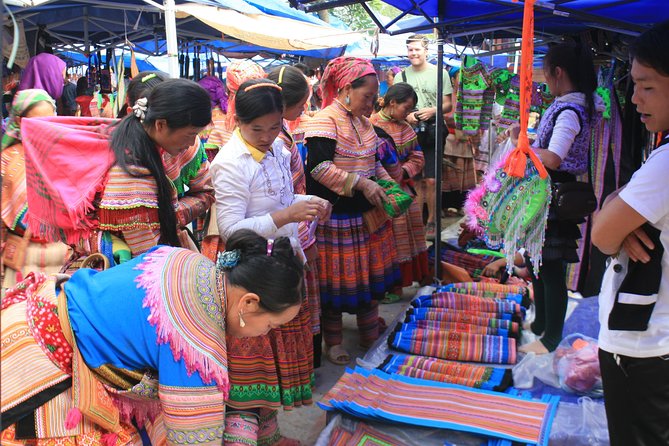
After breakfast, you transfer into town for strolling around the colorful hill-tribe market. In Bac Ha, the Flower H’mong community is a major presence, and the market colors connect to why they’re known as Flower H’mong.
This is one of those mornings where you’ll likely enjoy the full sensory mix:
- quick conversations while people trade goods
- fabrics, crafts, and everyday items being sold
- constant movement that makes photos easier than you’d think
The itinerary also calls out a key scheduling tip: if you go on Sunday, you can experience the local market. If you have flexibility, this is worth trying to align.
After the market: Sapa reset
Once lunch is done at a local restaurant, you head back down toward Lao Cai and continue up to Sapa town, where you check into your hotel and rest.
What to watch for
Market mornings are energetic. Wear comfortable shoes and keep expectations realistic—this is a living marketplace, not an open-air museum.
Day 3: Muong Hoa Valley Trek to Black H’mong Villages, Then a Stilt-House Night Near Mu Cang Chai
Today has two distinct halves: a trekking morning around Muong Hoa Valley, then a transition into Mu Cang Chai’s terrace country.
Muong Hoa Valley trek
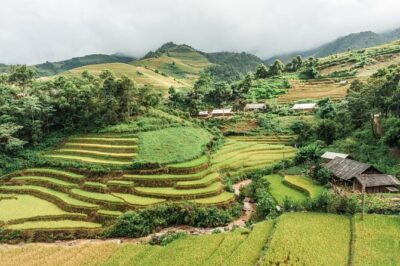
You’ll transfer to a trekking point in Muong Hoa Valley and walk to visit a few villages of the Black H’mong, with terraced paddy fields in the area.
This is a great day if you like walking at a steady pace and want the terraces in context—fields, paths, and small village stops—not just a far-away photo spot.
Lunch and drive
After trekking, you return to town for lunch, then get ready for a scenic drive onward to Mu Cang Chai.
Mu Cang Chai: Thai stilt-house homestay
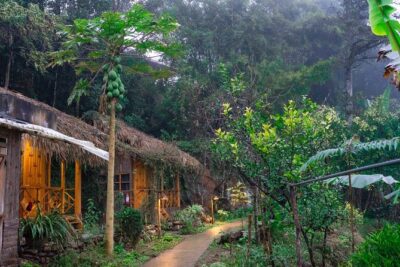
In the afternoon, you reach Mu Cang Chai and check into a stilt-house homestay of the Thai people nearby the town, with dinner and overnight.
Why this second-night setup feels smart
You get a different village housing style than the Bac Ha homestay. It also helps you avoid “homestay fatigue.” Two village experiences in different forms can feel more like cultural variety and less like routine.
Practical note
The itinerary mentions you may have time for picture stops along the way. But don’t count on long breaks at every view—driving days still run on time.
Day 4: Long Rice-Terrace Trek From Che Cu Nha to La Pan Tan, Then Tu Le
This is the most physically focused day of the tour. Plan for a long scenic trek on small paths and back roads.
The trek route
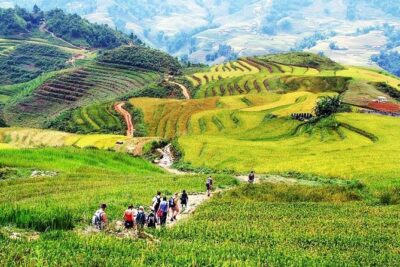
You’ll trek from Che Cu Nha to La Pan Tan, which the itinerary specifically frames as the best part of the region for admiring rice terraces. Lunch is simple but provided as a picnic during the trek.
Late in the day, you drive to Tu Le town and spend the night at a local hotel.
Why this day is a highlight
Mu Cang Chai’s terraces are often photographed from viewpoints. Walking between them changes how they feel. The terraces become something you pass through, not just something you look at.
This is also where your guide’s role matters most. A guide helps you keep the walk flowing, keeps timing sensible, and handles village interactions so you don’t feel lost.
What to do with your expectations
A long trek day means you should expect tired legs. This is also why the tour asks for moderate physical fitness.
Day 5: Tu Le Valley Walk and Back to Hanoi
On the final morning, you take a short walk to visit Tu Le valley, then check out and drive back to Hanoi.
Lunch is at a local restaurant on the way, and you end the tour with arrival in Hanoi and finish at the door of your hotel.
Why the ending location works
Tu Le is a calmer note compared with the busier market morning and the longer terrace trek. That short walk at the end gives you a last taste of the valley scenery without demanding another big trek day.
Homestays and Lodges: How to Make It Comfortable (and Respectful)
This tour uses a mixture of homestays and lodges/guesthouses, and that’s a big part of why it feels more real than a sightseeing-only trip.
Here are a few practical ways to make these nights go smoothly:
- Expect early sounds: the itinerary explicitly mentions you might wake up to animals like roosters and pigs. Bring earplugs if you’re a light sleeper.
- Pack for walking first: comfortable trekking shoes are recommended, and you’ll be on small paths during treks.
- Bring a little flexibility: homestay life is local life. Basic comfort levels can vary by room and by weather.
- Use your guide as your translator: your guide is there the whole time, so if you want to ask about meals, routines, or village rules, you don’t have to guess.
In the operator stories shared by clients, there’s also a pattern of responsiveness—people note help when needed and planning that matches real expectations. The named support (like Molly in one planning story, plus Minh Ninh and guide Lam) suggests the company doesn’t treat your trip like a factory product.
Fitness, Weather, and the Little Things That Matter
This itinerary is designed for people with moderate physical fitness. That means:
- you’ll walk enough to feel it
- you’ll do at least one longer trek day
- you’ll benefit from good shoes and a steady pace
Weather matters too. The experience notes it requires good weather. If weather is poor, you’ll be offered a different date or a full refund. Also, a few parts of the plan are naturally weather-dependent, like the Chay River boat ride.
Packing basics that won’t waste space
The tour data strongly points to one item: comfortable trekking shoes. Beyond that, for real comfort on northern Vietnam trails, bring layers you can adjust while walking, plus a small daypack for water and a few essentials.
Who This Tour Suits Best (and Who Might Want Something Else)
This is a strong fit for you if:
- you want private, guided travel rather than a group scramble
- you like markets and villages, not only viewpoints
- you’re okay with two homestay-style nights (plus hotels on other nights)
- you’re comfortable doing planned treks with moderate fitness
It may be less ideal if:
- you want a mostly flat, minimal-walking itinerary
- you’re very sensitive to early morning noise
- you can’t be flexible about weather or short schedule changes
Should You Book This Tour? A Practical Decision Guide
I’d book this tour if you want the real northern Vietnam feel: markets with color, terraces you actually walk through, and homestay nights that connect you to daily life. The included meals, private guide, and transport make it easier to stay focused on the experience instead of managing logistics.
If you’re the type who likes clean comfort and very little walking, consider whether the trek-heavy days match your energy level. But if you’re ready for a meaningful route through Bac Ha, Sapa, and Mu Cang Chai, this one is built to deliver—without making you piece everything together yourself.
FAQ
How long is the Bac Ha, Sapa and Mu Cang Chai tour?
It’s listed as 5 days (approx.).
Where does the tour start, and what time do you meet?
You’ll have a 7:00 am meeting time, with the first day’s departure toward Bac Ha listed at 8:00 am.
Is this a private tour, and do I get an English-speaking guide?
Yes. It’s a private tour with a private English-speaking guide (other languages may be available on request).
What meals and accommodations are included?
The tour includes breakfast (4), lunch (5), and dinner (3). Accommodation is included except Hanoi, with lodging on a twin-shared basis at listed hotels or similar options.
Do I need a certain fitness level, and what should I bring?
You should have moderate physical fitness. The tour highlights bringing comfortable trekking shoes for the walking days.
What if I visit on Sunday for the Bac Ha market?
The tour notes that if you go on Sunday, you can experience the local market.
More Tours in Hanoi
- Ninh Binh Full-Day Tour from Hanoi to Hoa Lu, Tam Coc & Mua Cave Via Boat & Bike
★ 5.0 · 4,384 reviews




More Tour Reviews in Hanoi

More Sapa Treks We Walked

Latest Hanoi write-ups from our team




Sapa Trekking Tours, compared.
 ★ 5.0Sapa 2 Days 1 Night From Hanoi – Overnight in Ta Van VillageFrom $592,669 reviews
 ★ 5.0Hanoi – Sapa 2 Days 1 Night Overnight At HomestayFrom $89899 reviews
 ★ 5.0Sapa: Fansipan Cable, Cat Cat Village & Moana Instagram TourFrom $30777 reviews
 ★ 4.8From Hanoi: 2-Day Sapa Trekking Trip with Homestay & MealsFrom $71704 reviews
 ★ 5.0Sapa 3 Days 2 Nights Trekking Tour (1 Night In Ta Van Village, 1 Night In Hotel)From $139699 reviews
 ★ 5.03-Day Trekking Adventure of Sapa from Hanoi – Stay Ta Van VillageFrom $109611 reviews
 ★ 4.82-Day Sa Pa Ethnic Homestay Tour & Trek with Limousine Bus440 reviews
 ★ 5.0Sapa 2 Days 1 Night From Hanoi – Overnight in HotelFrom $89440 reviews
Browse the lists this tour appears in