
Reviewed · HA LONG BAY CRUISES
8-Days Hanoi, Sapa Trekking And Halong Bay Cruise
Three worlds in eight days. I like how this route threads Hanoi’s Old Quarter with the UNESCO Halong Bay cruise and a real Sapa trekking day, so your trip feels like one coherent north-to-mountains journey. I also love that so many key sights are handled for you with guides, tickets, and pre-set timing. One heads-up: you’ll still deal with long travel blocks—especially the Hanoi to Sapa ride of about 6 hours—so it’s not the best fit if you want a slow, lazy pace.
You get a mix of guided structure and breathing room. Some days are full-on sightseeing with museum time and a prison museum visit; other days give you free time to roam markets or simply recover after hiking. The group size is capped at 15, and logistics are built around pickup and drop-off, which tends to reduce the usual Northern Vietnam stress.
In This Review
- Key points to know before you go
- Hanoi on arrival: private pickup and an easy first evening
- A full Hanoi day built around big landmarks (and practical dress rules)
- Halong Bay cruise: what you gain from doing it overnight
- Back in Hanoi: free time you can actually use
- The Sapa transfer: long ride, but it sets up your trek
- Trekking Day 1 in Sapa: Y Linh Ho to Lao Chai
- Trekking Day 2: red Dzao, H’mong villages, waterfall, and a rattan bridge
- Final day in Hanoi: markets and an airport send-off
- Price ($854) and value: what you’re really paying for
- Who this tour is best for (and who should rethink it)
- Should you book this 8-day Hanoi, Sapa trek, and Halong cruise?
- FAQ
- Where does the tour start and where do I end up?
- How long is the Hanoi to Sapa transfer?
- What meals are included?
- Are sightseeing tickets included?
- What activities can I expect on the Halong Bay cruise?
- What happens if the Vietnam Museum of Ethnology is closed?
- When is the Ho Chi Minh Mausoleum closed?
- How big is the group?
Key points to know before you go
- Old Quarter base on Day 1 so you can reset after your flight and start walking quickly
- Ho Chi Minh Mausoleum rules and closure days shape the exact flow of your Hanoi day
- Halong Bay kayaking/caves depend on the boat plan, but an overnight gives you more than a day-trip view
- Real village trekking with H’mong and Dzay/red Dzao communities, including an overnight stay in Ta Van
- Short group cap (max 15) usually means a calmer experience than big buses and crowded group photo lines
Hanoi on arrival: private pickup and an easy first evening
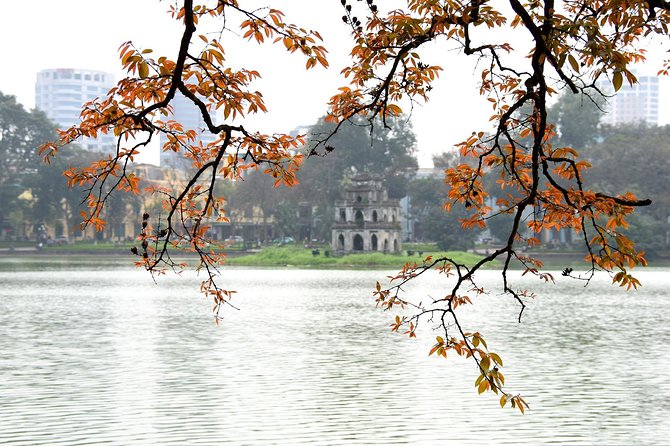
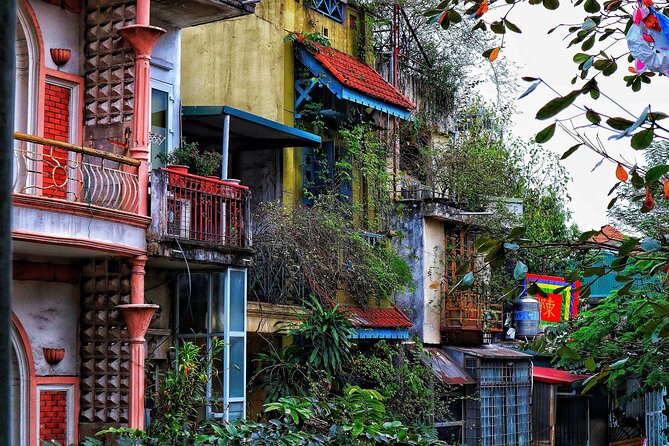
Your trip starts at Noi Bai Airport with a private driver meeting you with a signboard and escorting you to your hotel in central Hanoi, right where the Old Quarter is within easy reach. That matters more than it sounds. After a flight, Hanoi can feel chaotic; being dropped in the right area lets you get your bearings fast and decide whether you want a quiet dinner or a first walk around the streets.
On Day 1, you’re basically on your own by design. I like that. You don’t get jammed into a schedule before you’ve had a chance to eat, shower, and adjust to the noise and traffic. If you’re jet-lagged, you can simply rest. If you’re wide awake, you can start tasting Vietnamese street food with a little direction already paid for.
More boats worth boarding on Ha Long Bay




A full Hanoi day built around big landmarks (and practical dress rules)
Day 2 is the classic “greatest hits” Hanoi day, but it’s not just random stops. It’s structured in a logical order, with plenty of time blocks and included entrances.
You start with Tran Quoc Pagoda on Golden Fish Island in West Lake. It’s one of those places that immediately teaches you Hanoi isn’t only about fast roads and scooters. Even if you’re short on time, this pagoda gives you a calm counterpoint.
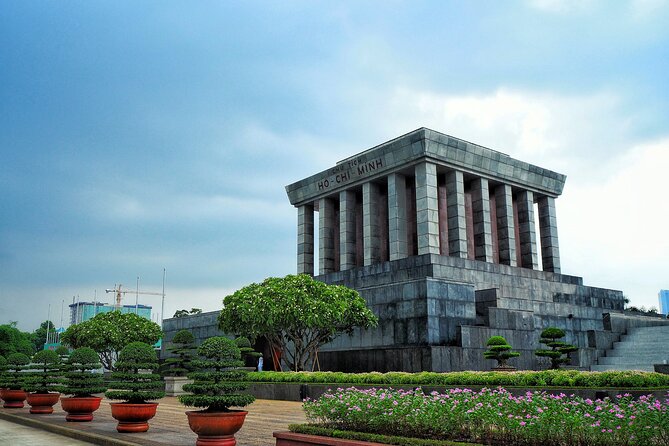
Next comes the Ho Chi Minh Mausoleum complex. The highlight is the chance to see the embalmed body of Ho Chi Minh, plus the gardens and the houses where he lived and worked from 1954 to 1969. One practical note: you must dress modestly—shoulders and knees covered—for the mausoleum, temples, and pagodas. Also, the mausoleum is closed on Mondays and Fridays, and from 15 June to 15 August for annual maintenance. That means your exact experience can depend on the day you travel, so keep flexibility in mind.
After that, you visit the Vietnam Museum of Ethnology to learn about Vietnam’s 54 ethnic groups. If the ethnology museum is closed on Mondays, it’s replaced by the Women’s Museum, so you still get museum time rather than a dead end.
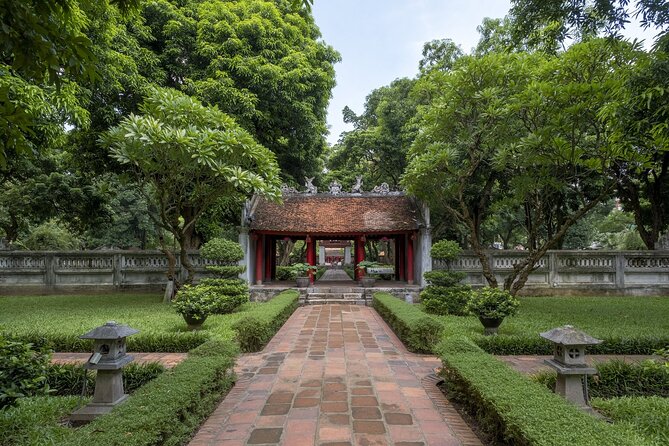
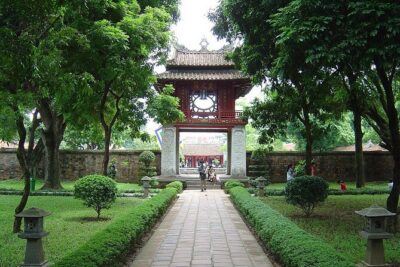
Lunch is included at a local restaurant, then you move to the Temple of Literature & National University—the first university in Vietnam, established in the 11th century. This stop is a great reminder that Hanoi’s story includes scholarship and study, not just politics and colonial-era buildings.
Finally, you end with Hoa Lo Prison, used by French colonists for political prisoners and later known to American POWs as the Hanoi Hilton. It’s heavy, but it’s also a key stop if you want context for how the city and the country remember the war years.
By mid-afternoon, you’re back at your hotel (around 16:15–16:30). I like that finish time. You can do something human—coffee, shopping, or just walking—without feeling like you’ll miss the last bus back to your room.
Halong Bay cruise: what you gain from doing it overnight
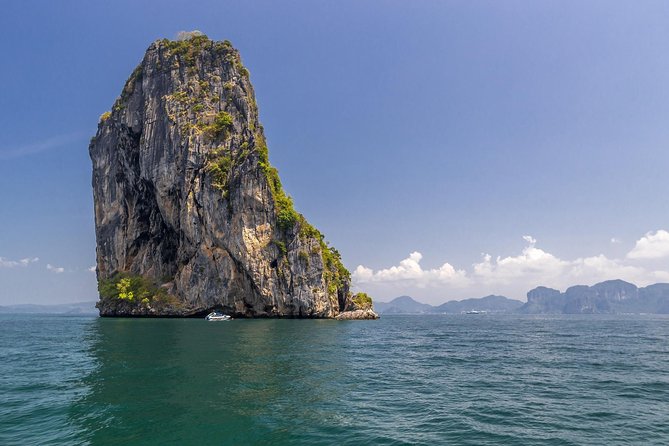
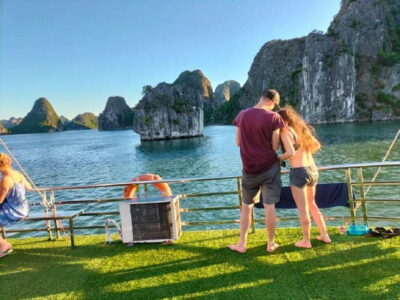
Day 3 and Day 4 are your Halong Bay segment, and the overnight is a big deal. A day-trip can show you the scenery; an overnight lets you actually experience the bay’s light—morning glow, afternoon haze, and sunset color.
On Day 3, you check out of Hanoi, then you head to the jetty. You’re met by the cruise team at your hotel lobby (time confirmed the day before). You arrive at the jetty around noon, transfer onto the boat, and do a welcome/check-in before lunch. Lunch happens while the boat moves through the hundreds of islets, so you’re watching the bay unfold rather than staring at it all at once.
Afternoons are flexible by boat itinerary. You might swim and kayak, or you might visit caves, or you might do some combination—your plan depends on the specific cruise schedule. If your dream is kayaking, don’t assume it’s guaranteed; it’s listed as an option. Still, the fact that the tour includes these kinds of activities is a win compared to cruises that treat everything as “watch only.”
As the day winds down, the boat anchors for the night in a scenic spot. The tour schedule emphasizes sunset, and I agree with the idea: sunsets in Halong Bay are the kind of moment that makes the whole travel effort worth it.
On Day 4, you catch the sunrise on Halong, then have breakfast while cruising back slowly. After early lunch, you arrive at port and disembark. Then you return to Hanoi and the rest of your day is free. This is the smart part: you get the big experience, then you don’t force more sightseeing the same day you’re coming off the water.
Back in Hanoi: free time you can actually use
After Halong Bay, you return to Hanoi on Day 4 and you have the rest of the day free. That free time is more valuable than it looks. Travel days compress your attention span; free time lets you choose what fits your energy.
If you want to shop, this is a good day to do it without feeling rushed. If you want a low-key meal and a longer walk, you can. And if you simply want downtime after two packed days, that’s a legitimate choice too.
I also like that this free time sits between Halong and Sapa. It gives you a “buffer” before trekking and village stays, where you’ll want to feel rested.
The Sapa transfer: long ride, but it sets up your trek
Day 5 starts with an early breakfast and checkout, then you ride a limousine bus to Sapa. The travel time is about 6 hours. That’s long enough that you should plan for it mentally: this isn’t a quick hop. Bring a water bottle (you’ll have water on coach as part of the tour), wear layers you can adjust, and expect to spend a good chunk of the day on the road.
When you arrive, you get a transfer to your accommodation and the rest of the day is free. I like this setup because Sapa is all about rhythm. Some people want to walk into town, some want views from a café, and some want to save energy for trekking the next day. You can do any of those here.
More trails through the Sapa valleys
- Sapa 2 Days 1 Night From Hanoi – Overnight in Ta Van Village★ 5.0 · 2,669 reviews
- Hanoi – Sapa 2 Days 1 Night Overnight At Homestay★ 5.0 · 899 reviews
- From Hanoi: 2-Day Sapa Trekking Trip with Homestay & Meals★ 4.8 · 704 reviews
Trekking Day 1 in Sapa: Y Linh Ho to Lao Chai

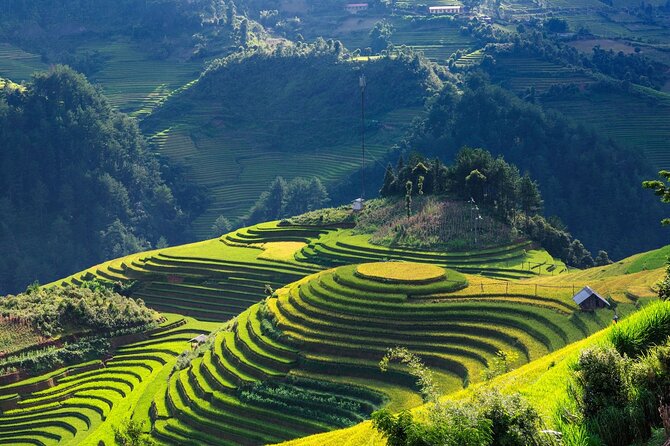
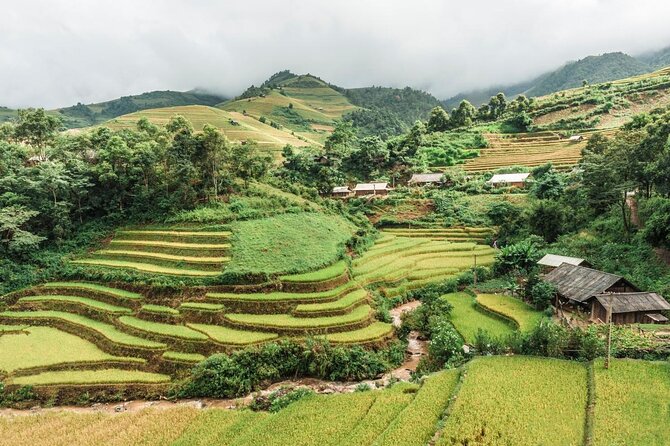
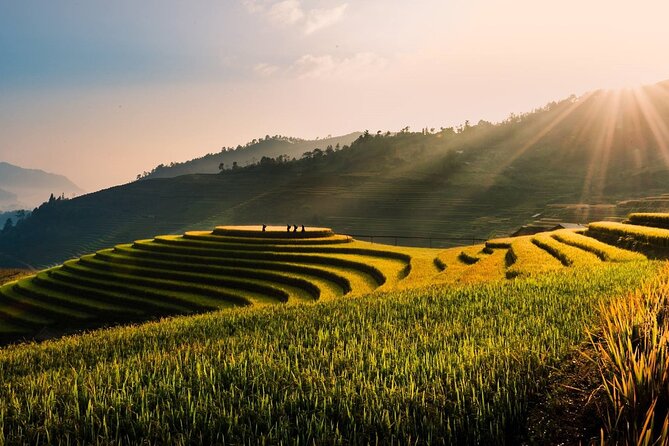
Day 6 is your first trekking day and it’s a solid one: about a 12 km hike. You meet your guide around 9:30 and head to the Y Linh Ho area, then continue to Lao Chai to visit villages of the H’mong minority.
This day is built around walking plus conversation. The tour includes lunch at a local family in Lao Chai or at a nearby drinking shop by the river bank. That kind of meal stops you from treating the villages like photo sets. You get food and a sense of daily life.
After lunch, you keep hiking and then reach Ta Van village, where you stay overnight with a local family. That overnight matters. Even if you don’t understand every word of a local story, you’ll feel the difference between visiting a place and sharing time with people who live there.
If you’re prone to feeling sore, this is where you’ll appreciate good footwear. The tour also suggests comfortable shoes, plus a hat and sunblock—basically a reminder that Sapa days still involve sun and uneven ground.
Trekking Day 2: red Dzao, H’mong villages, waterfall, and a rattan bridge
Day 7 continues with another hiking block. You start trekking at 9:30 and cover about 8 km to visit two villages of the red Dzao and the H’mong: Giang Ta Chai and Su Pan. Along the way you visit a waterfall and a rattan bridge, plus you move through bamboo forest sections before heading back toward the main road.
The tour includes a jeep return to Sapa after the trek, and the tour finishes in Sapa by around 15:00. That timing is practical because it lets you then travel back toward Hanoi the same day. You’ll ride back via limousine bus and overnight in Hanoi.
This is the day where fatigue can creep in. You’ve done two trekking days in succession, and then you’re adding a transfer. I’d treat your schedule like this: focus on the walk and the villages, take rest breaks when offered, and don’t try to squeeze extra sightseeing in Sapa beyond what you can comfortably do.
Final day in Hanoi: markets and an airport send-off
Day 8 is your easy day. You have breakfast, complete hotel check-out formalities, then you can visit local markets to pick up souvenirs. Later, a private driver transfers you to the airport for your flight home.
This is a nice wrap because it doesn’t try to pack in another big “must-see.” Markets in Hanoi are the kind of place you’ll understand better after your previous visits: you know what you’ve already seen, what you want to bring home, and what you can skip.
Price ($854) and value: what you’re really paying for
At $854 per person for an 8-day trip, you’re paying for a packaged flow that combines long-distance transport, multiple guided sightseeing blocks, and meals. The inclusions list is the clearest clue that this isn’t just a “suggested itinerary.”
You get:
- Sightseeing tickets for the stops in the schedule
- Door-to-door pickup and drop-off by private car at the start and end
- Air-conditioned transportation for key transfers (including Hanoi to Halong Bay and back)
- Limousine bus Hanoi ⇄ Sapa
- Meals: 7 breakfasts, 5 lunches, and 2 dinners
- Water and tissues on coach, plus service charges and taxes
- A 24/7 hotline for support
The value equation comes down to one question for you: are the lodging nights in Hanoi and Sapa included in the package you’re booking? The details you provided list meals and transport clearly, but it doesn’t specify hotel categories or what’s included for nights. Before you commit, confirm exactly what room type and hotel level you’re getting for the overnight stays.
If lodging is included at a reasonable standard, then $854 can be competitive for a trip that includes an overnight cruise and two active trekking days. If lodging upgrades push you into a higher total cost, it might still be fair, but it won’t feel as cheap.
Who this tour is best for (and who should rethink it)
This is a strong match if you want:
- A structured way to see Hanoi’s major cultural sites without building a plan yourself
- The Halong Bay overnight experience, not just a quick pass
- Two trekking days in Sapa with village visits and an overnight with a local family
- A group capped at 15 travelers, with guides and tickets handled
You might rethink it if:
- You dislike long transfers and tight daily timing
- You want a fully independent trip with no fixed mornings
- You’re not comfortable with trekking distances around 12 km and then 8 km
Also, if you travel during the period when the mausoleum is closed (Mondays/Fridays or 15 June to 15 August), your Day 2 highlights may shift. The plan is designed for those possibilities, but it still affects your experience.
Should you book this 8-day Hanoi, Sapa trek, and Halong cruise?
Yes, if you want a trip that feels like three chapters—Hanoi culture, Halong’s water world, and Sapa’s village trails—without you doing the heavy planning. I’d especially recommend it if you like the idea of overnight Halong Bay plus a real Sapa trekking rhythm rather than only viewpoints.
Before booking, do two quick checks: confirm what’s included for hotel nights and be honest with yourself about energy for back-to-back trekking and then a return to Hanoi on Day 7. If those fit your travel style, this is an efficient way to cover Northern Vietnam with less guesswork and more time spent where it counts.
FAQ
Where does the tour start and where do I end up?
The tour starts at Noi Bai International Airport (Phú Minh, Soc Son, Hanoi) and ends back at the same meeting point.
How long is the Hanoi to Sapa transfer?
The limousine bus from Hanoi to Sapa takes around 6 hours.
What meals are included?
The tour includes 7 breakfasts, 5 lunches, and 2 dinners.
Are sightseeing tickets included?
Yes. All sightseeing tickets according to the itinerary are included.
What activities can I expect on the Halong Bay cruise?
Depending on the cruise itinerary, you may have options like swimming and kayaking or visiting caves. Relaxing onboard is also part of the day.
What happens if the Vietnam Museum of Ethnology is closed?
If the Vietnam Museum of Ethnology is closed on Mondays, it is replaced by the Women’s Museum.
When is the Ho Chi Minh Mausoleum closed?
It is closed on Mondays and Fridays, and it is also closed from 15 June to 15 August for annual maintenance.
How big is the group?
The group size has a maximum of 15 travelers.
More Tour Reviews in Hanoi




More Sapa Treks We Walked






Ha Long Bay: More Cruises We Rated

Latest Hanoi write-ups from our team


Ha Long Bay Cruises, compared.
 ★ 4.7Ha Long Bay Day Cruise – Swimming, Meal, KayakingFrom $417,415 reviews
 ★ 5.0Amanda Cruise – Ha Long, Lan Ha Bay – All Inclusive 2D1N & 3D2NFrom $564,358 reviews
 ★ 5.0Cozy Bay Halong 5-Star Day Cruise, Buffet, Cave, Kayak, SwimmingFrom $483,512 reviews
 ★ 4.5Featured: All-Inclusive OVERNIGHT Halong Cruises – many optionsFrom $1493,490 reviews
 ★ 4.82-Day Halong & Lan Ha Bay 5-Star Cruise with BalconyFrom $1883,300 reviews
 ★ 5.0Halong Bay Day Tour With Titop Island, Cave, Kayak & LunchFrom $402,551 reviews
 ★ 5.0Mon Chéri Cruise 5 star: Unique 2 Days Tuan Chau – Halong bay – Lan Ha BayFrom $1952,422 reviews
 ★ 5.0Doris Cruise 5 star cruise 2 days visiting Halong Bay Lan Ha Bay private balconyFrom $2352,338 reviews
Browse the lists this tour appears in