
Ha Giang and Sapa are a lot of Vietnam in one trip, and this one actually slows down. I like that you mix Ha Giang’s wild driving days with a real trekking focus (about 5–15 km/day) instead of treating villages like a drive-by photo stop. The trip also includes staying in a traditional homestay style setup, so you’re not just passing through.
My other big win: the package runs for a small group (max 12) and the support feels hands-on—especially if you ride a motorbike. One thing to think about: this isn’t a lazy itinerary. You’ll be on buses for long chunks and doing hikes with steep bits, so you should come ready for sore legs.
In This Review
- Key highlights worth prioritizing
- A 6-day mix that actually feels like two regions, not one blur
- Day 1: Hanoi’s Old Quarter to Ha Giang by sleeper bus (and why that timing works)
- Day 2: Quan Ba Heaven Gate, Thẩm Mã road, and the Đồng Văn heartland
- Day 3: Ma Pi Leng and Mèo Vạc, then the Du Gia homestay evening
- Day 4: Du Gia Waterfall, Lung Tam weaving craft, and the handoff to Sapa
- Day 5: Muong Hoa Valley villages—Y Linh Ho, Lao Chai, and Ta Van
- Day 6: Giang Ta Chai Red Dao village trek, then Sapa and back to Hanoi
- Price and value: what $380 realistically covers on this route
- Motorbike comfort: equipment, guidance, and whether you ride as driver
- Who should book—and who should skip this pace
- Should you book this Ha Giang Loop & Sapa trekking package?
- FAQ
- What is the price of this 6-day Ha Giang Loop and Sapa trekking package?
- How long is the tour?
- Where does the tour start, and when is the meeting time?
- Is pickup offered?
- What transportation is included?
- What meals are included?
- Are entrance fees included?
- How large is the group?
- FAQ
- Is free cancellation available?
- Can I cancel later than 24 hours before the start time?
Key highlights worth prioritizing
- Ha Giang Loop with major viewpoint passes like Quan Ba and Ma Pi Leng, plus stops in Dong Van-area landmarks
- Trekking built into the days (not just a few short walks), with village-to-village footpaths
- Homestay living in local-style houses, with shared meals and a slower pace
- Muong Hoa Valley villages such as Y Linh Ho, Lao Chai, Ta Van, and Giang Ta Chai
- Small group size (up to 12) that helps guidance feel more personal
- Motorbike equipment and step-by-step guidance are called out as solid in rider feedback
A 6-day mix that actually feels like two regions, not one blur
This package tries to give you two very different kinds of Northern Vietnam: the motorbike-forward drama of Ha Giang and the foot-travel rhythm of Sapa. That’s a smart combo. Ha Giang rewards movement—winding roads, big viewpoints, quick changes in weather—while Sapa rewards walking—terraced fields, narrow paths, and conversations that happen because you’re actually there on the ground.
What makes it more than a checklist is the trekking emphasis. You’re not just “checking in.” The trip is designed around hikes of roughly 5–15 km per day, weaving through villages and mountain paths. If you want scenery plus culture, and you don’t mind earning both with your feet, this is the right direction.
The value angle matters here. At $380 per person (with a booking lead time of about 11 days on average), the cost is usually easier to justify when transportation, meals, and entrances are bundled. This one includes transportation plus lots of meals across the 6 days, not just “basic logistics.”
If you’re the type who gets bored on long rides between viewpoints, you might still enjoy this—but you should plan to trade comfort for the payoff. The itinerary has plenty of driving and waiting time. The upside is that you’re not stuck in the car the whole time.
More trails through the Sapa valleys


Day 1: Hanoi’s Old Quarter to Ha Giang by sleeper bus (and why that timing works)
You start in Hanoi’s Old Quarter with a meeting time listed for 8:30 am. The plan then shifts into an overnight travel rhythm: a sleeper bus from Hanoi toward Ha Giang, with the travel time shown as about 6 hours.
This timing is practical. If you tried to drive all the way in daylight, you’d lose a chunk of your limited trekking time. The sleeper bus approach protects your schedule and keeps the trip moving without burning a full day.
A small reality check: sleeper buses can be hit-or-miss for comfort, even when they’re “good enough.” You should pack for fatigue. Bring a layer for the bus (northern Vietnam can feel chilly at night), and keep the basics within reach—water, a light snack, and whatever helps you sleep.
Your first day is mostly about positioning yourself. You’re not doing major exploring yet. Think of it as Day 0 energy management, so you can enjoy Day 2 and beyond.
Day 2: Quan Ba Heaven Gate, Thẩm Mã road, and the Đồng Văn heartland
Day 2 is where Ha Giang’s visual story starts stacking up. You have a sequence of stops that mix big viewpoint moments with heritage-style sights.
Quan Ba Heaven Gate is the opening. From the top of the pass you get panoramic views over the Tam Son valley, with winding limestone formations and terraced fields. The stop is shown at 45 minutes, which is about right. These viewpoint places are best for short, focused time: grab photos, take in the scale, and then keep moving before the light shifts too much.
Next comes the Dong Van Karst Plateau Geopark area, tied here to the Thẩm Mã Pass stretch (between Yên Minh and Đồng Văn along QL4C, often called the Happiness Road). You get around 30 minutes. This is another quick-hit stop. For this kind of road, you don’t want to overstay—you want to keep traveling and let the scenery keep changing.
Then you visit Dinh Vua Meo (Vuong Palace) in the Sa Phin Valley, tied to Vuong Chinh Duc, known as the Hmong King. The stop is about 1 hour. Even if you don’t plan to read every sign in detail, the setting matters: you’re seeing how people historically anchored power and community in a highland context.
Finally, you reach Đồng Văn and the schedule shows a longer block (about 10 hours). That usually means you’re spending the bulk of the day in transit and in the wider district area rather than doing nonstop walking. The “consideration” here is simple: this is not a light, leisurely day. It’s a scenic-driving day with a couple of key stops.
If you’re sensitive to long days, bring water and snacks (even though meals are included later). Also, wear shoes you can handle for uneven ground. You may not walk much, but highland stops often involve slippery rocks or uneven steps.
Day 3: Ma Pi Leng and Mèo Vạc, then the Du Gia homestay evening
Day 3 is a big one for views and for the switch from day-driving into community living.
First is Ma Pi Leng Pass, about 20 km along the Happiness Road between Đồng Văn and Mèo Vạc. The stop time shown is 2 hours, so it’s not rushed. This is the kind of place where photos don’t capture the full “drop” feeling. Expect windy conditions near overlooks, and don’t plan to linger in one spot if the weather flips.
You then stop in Mèo Vạc for about 2 hours. It’s a more remote-feeling stop, and that remoteness is part of the point—you’re getting out of the tourist-cluster mode and into the highland rhythm.
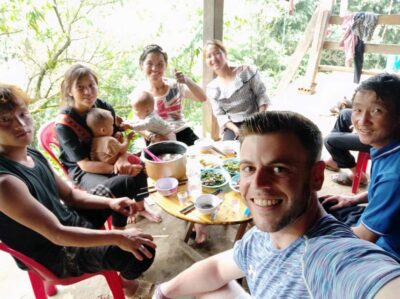
In the afternoon you arrive in Du Gia around 16:00, check into your homestay, shower, relax, and have dinner with the family. The schedule shows about 3 hours for this evening block. This is one of the most valuable transitions on the whole tour: you stop being a “visitor group” and become guests in a household routine.
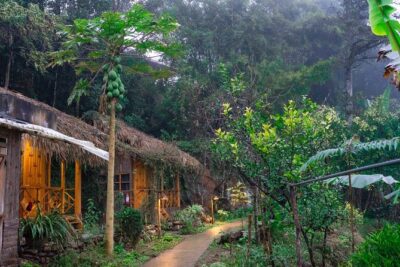
The homestay style is described as stilt-house / traditional local living, plus shared cooking and eating. There’s also mention of bathing in Red Dao herbal medicine. Whether that’s offered every night can vary by homestay setup, but the intent is clear: this is meant to be cultural contact, not just a bed.
Practical tip: keep a little patience for basic facilities. You’re paying for the experience quality, not a hotel-style bathroom setup. Pack travel essentials you trust.
Day 4: Du Gia Waterfall, Lung Tam weaving craft, and the handoff to Sapa
Day 4 continues the Ha Giang Loop story but also turns the page toward Sapa.
You begin with Du Gia Waterfall, a multi-tiered waterfall about 6 meters high, with a 2-hour stop time. For a waterfall stop, it’s nicely paced. You get enough time to walk a bit, take photos, and enjoy the misty air without feeling rushed.
Next is Lung Tam Village in the Quản Bạ area, known for H’mông weaving craft (linen and brocade). The stop is about 1 hour. This kind of craft visit works best if you ask simple questions: how long it takes, what materials are used, and what everyday work looks like. Even if you don’t speak the language, the process tells you plenty.
Then you finish the Ha Giang Loop around 15:00–16:00 at your Ha Giang hostel. The schedule includes shower time and then a 6-hour bus transfer to Sapa, arriving around midnight.
That late arrival is the main day-structure drawback. It’s not dangerous, but it affects sleep. Plan a slow morning the next day, and don’t schedule anything else after arriving. You’ll want to recover, eat, and let your body reset for trekking.
More runs around the Ha Giang loop
- Ha Giang Loop 3 days Small group- From Ha Noi★ 5.0 · 1,114 reviews
- Ha Giang Loop Tour 4 Days 3 Nights with Ha Giang Vision Tour★ 5.0 · 675 reviews
- 3-Day Ha Giang Loop Tour from Ha Noi and Return★ 5.0 · 652 reviews
Day 5: Muong Hoa Valley villages—Y Linh Ho, Lao Chai, and Ta Van
Now the trip switches gears into the Sapa trekking mode. This is where the “real trip” claim matters, because your time becomes more about footpaths than car windows.
You visit Y Linh Ho Village first (about 3 hours). The village is described as H’mông and Dao, about 5 km southwest of Sapa in the Muong Hoa Valley. This stop is long enough that you can actually slow down, see how homes sit in the valley, and understand village life beyond one photo point.
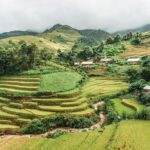
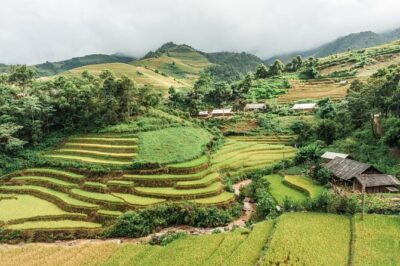
Next is Lao Chai, about 7 km southeast of Sapa, with famous terraced rice fields and ethnic culture (Black H’mông community). The visit time here is about 2 hours. Terraced areas can look stunning from the road, but the walking view is different. You’ll likely get a better sense of the work that goes into farming on steep ground.
Then you move to Ta Van Village, about 3 km from Lao Chai. The schedule shows 18 hours for this stop, which strongly suggests you spend most of the day and likely the night there (consistent with the overall 5 nights / 6 days framing). Ta Van is described as home to H’mông, Giay, and Red Dao ethnic groups.
This day is valuable because it builds a pattern. You’re not “collecting” villages. You’re watching how each place relates to the next—same valley, different community details. If you care about authentic travel, this kind of sequencing beats random stops.
Trekking note: even though the itinerary doesn’t list exact daily distances per day, the overall design focuses on daily walking and a route that includes steep bits at times. Wear grippy shoes and bring something for sore knees (a small knee brace can help).
Day 6: Giang Ta Chai Red Dao village trek, then Sapa and back to Hanoi
Your final trekking focus is Giang Ta Chai Village, about 5 km from Ta Van in the Muong Hoa Valley. It’s described as a Red Dao village, on terraced terrain. The route description mentions paths through bamboo groves.
This matters because bamboo and terraces change the “feel” of walking. The shaded sections keep you cooler, and the terrace edges give you frequent views and photo chances. Expect the final day to feel like the hardest part emotionally—because after this, it’s transport home—but physically it depends on your pace.
After the trek, the schedule shows that you reach Sapa around 14:00–15:00. The driver picks you up back to Saparis Station Hostel. Then you shower and wait for the return bus to Hanoi. The return travel shown is about 6 hours, and you end back in Hanoi’s Old Quarter around 15:00–16:00.
One more reality check: motorbike days and trek days hit different muscle groups. Many people do better with slower pacing on Day 6 and saving energy for the ride back. Don’t go all-in at the start of the day just because it’s your last hike.
Price and value: what $380 realistically covers on this route
At $380 per person, this trip isn’t priced like a “budget to nowhere.” It’s closer to: you’re paying for multiple transport legs, meals, entrances, and homestay-style accommodation and guidance. The inclusions listed are substantial:
- Transportation
- Entrance fees
- Breakfast (5), Lunch (5), Dinner (3)
- Dinner and meals included as part of the daily flow
There are a few things not included: tips, personal expenses, and anything outside listed services. That’s normal.
When I look at value here, I weigh three things:
- Time you don’t spend planning (bus legs, stop sequence, guidance)
- Time you spend actually doing things (trekking focus, not just driving)
- Small-group handling (max 12), which often improves pacing and responsiveness
If you were to piece this together yourself, you’d spend time coordinating transport and would likely still need local support for safe trekking routes and homestay connections. That’s where the packaged price tends to make sense.
Motorbike comfort: equipment, guidance, and whether you ride as driver
This is listed as an easy rider style Ha Giang Loop component, and rider feedback points to good practical support. One person specifically noted good equipment and guidance, plus receiving new instructions for each step. That’s exactly what you want when the roads are tight and conditions change fast.
You may also have a choice about how you ride. Feedback mentions that if you have an international driving licence, you can ride yourself. I’d treat that as an option worth confirming with the operator in advance, especially since rules and documentation can vary.
Practical advice:
- If you’re sensitive to speed or noise, ask how the easy rider role works for your group size.
- If you plan to drive, bring the right license and keep it accessible.
- Either way, wear long sleeves and bring a small rain layer if forecasts look uncertain.
Who should book—and who should skip this pace
This package suits you best if:
- You want a meaningful mix of Ha Giang’s mountain roads and Sapa’s trekking villages
- You’re okay with long travel days and a bit of discomfort (not a resort rhythm)
- You enjoy walking with a purpose: villages, terraces, and viewpoints in a sequence
- You want homestay living with shared meals rather than a hotel bubble
You might want to skip or choose a lighter alternative if:
- You don’t handle steep terrain well. Even when hiking is mostly downhill at times, there can be steepness that feels intense.
- You expect guaranteed luxury comfort throughout. This is a homestay experience by design.
- You want lots of free time to wander independently. This itinerary is guided and scheduled, even though it slows down for trekking.
Should you book this Ha Giang Loop & Sapa trekking package?
I’d book it if you want the kind of trip that leaves you with more than photos. The combination is the appeal: pass viewpoints in Ha Giang, then walking in Muong Hoa Valley villages in Sapa, with homestay life as the cultural anchor.
If you’re on the fence, use this quick filter:
- If you can handle a few tough hours (buses, steep trail bits), this feels like good value for the amount of ground covered.
- If you want a purely comfortable vacation with minimal physical effort, the trekking emphasis will annoy you.
If you do book, pack for sore legs and changing weather. And when you arrive at the homestay, be ready to slow down and accept simple routines. That’s where the experience earns its price.
FAQ
What is the price of this 6-day Ha Giang Loop and Sapa trekking package?
The price is $380.00 per person.
How long is the tour?
It runs for 6 days (approx.).
Where does the tour start, and when is the meeting time?
The meeting point is in Hanoi’s Old Quarter, with a start time listed as 8:30 am.
Is pickup offered?
Pickup is listed as offered. (Check your voucher details for how it works for your specific pickup location.)
What transportation is included?
Transportation is included, and the schedule shows travel by sleeper bus from Hanoi to Ha Giang and a bus transfer between Ha Giang and Sapa, then back to Hanoi from Sapa.
What meals are included?
Breakfast is included for 5 days, lunch for 5 days, and dinner for 3 days.
Are entrance fees included?
Yes, entrance fees are included.
How large is the group?
The tour lists a maximum of 12 travelers.
FAQ
Is free cancellation available?
Yes. Free cancellation is offered up to 24 hours in advance for a full refund.
Can I cancel later than 24 hours before the start time?
If you cancel less than 24 hours before the experience’s start time, the amount paid will not be refunded.
More Tour Reviews in Hanoi




More of the Ha Giang Loop



More Sapa Treks We Walked

Latest Hanoi write-ups from our team




Sapa Trekking Tours, compared.
 ★ 5.0Sapa 2 Days 1 Night From Hanoi – Overnight in Ta Van VillageFrom $592,669 reviews
 ★ 5.0Hanoi – Sapa 2 Days 1 Night Overnight At HomestayFrom $89899 reviews
 ★ 5.0Sapa: Fansipan Cable, Cat Cat Village & Moana Instagram TourFrom $30777 reviews
 ★ 4.8From Hanoi: 2-Day Sapa Trekking Trip with Homestay & MealsFrom $71704 reviews
 ★ 5.0Sapa 3 Days 2 Nights Trekking Tour (1 Night In Ta Van Village, 1 Night In Hotel)From $139699 reviews
 ★ 5.03-Day Trekking Adventure of Sapa from Hanoi – Stay Ta Van VillageFrom $109611 reviews
 ★ 4.82-Day Sa Pa Ethnic Homestay Tour & Trek with Limousine Bus440 reviews
 ★ 5.0Sapa 2 Days 1 Night From Hanoi – Overnight in HotelFrom $89440 reviews
Browse the lists this tour appears in