Reviewed · HANOI
6 – 8 Day Vietnam Itinerary | Magnificent | Best 2026 Northern
Green mountains and border roads, neatly packed.
This 8-day Northern Vietnam trip strings together Sapa, Ha Giang, Ban Gioc, and Ba Be with a small-group feel, pickup options, and mostly all-included meals, so you spend less time figuring things out and more time enjoying the views.
I love the hands-on culture stops, especially village time around Y Linh Ho and Lao Chai in Sapa, plus the chance to eat at a small traditional restaurant run by a Hmong family. I also like the practical touches that make early travel easier, like having a place to shower and store luggage when you arrive in Sapa.
One drawback to consider: the driving days are long. You’ll ride a limousine bus from Sapa to Ha Giang (about 6 hours, with stops), and then keep going with another full set of road hours after that. Pack layers and plan for motion if you’re sensitive to winding mountain passes.
In This Review
- Key highlights to notice before you go
- The basic value: what $690 buys you in Northern Vietnam
- Day 1 in Sapa: arriving early and easing into mountain life
- Day 2 Sapa highlights plus optional Fansipan or market time
- Day 3 Ha Giang transfer: long ride, then village exploration
- Day 4 deep mountain road: Heaven’s Gate and Lung Cam Village
- Day 5 Dong Van market (Sunday option) and Ma Pi Leng Pass
- Day 6 Cao Bang: the road gets more remote
- Day 7 Ban Gioc/Detian Falls and Nguom Ngao Cave
- Day 8 Ba Be National Park: boat time on Vietnam’s biggest natural lake
- Guides, drivers, and that small-group advantage
- Meals and private rooms: budget relief that still feels flexible
- Weather and timing: the only real curveball
- Who this trip suits best
- Should you book this Northern Vietnam tour?
- FAQ
- How long is this Northern Vietnam tour?
- Where does the trip begin?
- What’s included in the price?
- What’s the group size limit?
- Is pickup offered?
- Is there a mobile ticket?
- What is not included?
- What happens if weather is poor?
Key highlights to notice before you go
- Small group cap (max 10): easier pace, fewer bottlenecks at viewpoints and markets.
- Village and minority-market time: Sapa hamlets, Ha Giang area villages, and a Sunday market option in Dong Van.
- Big-name scenery, done thoughtfully: Ma Pi Leng Pass, Heaven’s Gate, Ban Gioc/Detian Falls, and Ba Be Lake by boat.
- A real “logistics handled” setup: guide, air-conditioned vehicle, and entrance fees for included sites.
- Meals are largely covered: 7 breakfasts, 8 lunches, and 7 dinners included.
- Flex time built in: Sapa market or Fansipan cable car is an optional afternoon add-on.
The basic value: what $690 buys you in Northern Vietnam
At $690 per person for about 8 days, this tour isn’t trying to be the cheapest way to travel north. The value is in how much is bundled together: private room lodging, a tour guide, an air-conditioned vehicle, entrance fees for the scheduled sights, and most meals (7 breakfasts, 8 lunches, 7 dinners).
That matters because North Vietnam is not a place you always want to “figure out” between hilltop villages and remote stops. When roads take hours and weather can change plans, having the route set up saves energy. You still get free time on a couple of days, but the backbone of the trip is planned for you.
The other value point is group size. With a maximum of 10 travelers, you’re less likely to feel like you’re just one face in a crowd. You can ask questions, and the guide can actually keep track of the group when the plan shifts slightly due to traffic or timing.
Not sure yet? See how this one sits next to a few Hanoi favourites.
Day 1 in Sapa: arriving early and easing into mountain life
The trip starts with an early arrival at Lao Cai train station. From there, you take a minibus for the final stretch to Sapa. Once you reach town, there’s a place for you to shower and store luggage, which is a small thing that turns into a big stress reducer. You don’t want to start a mountain journey feeling grimy and overloaded.
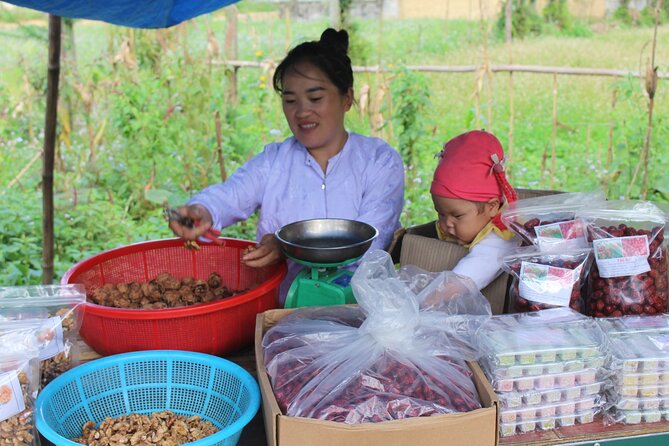
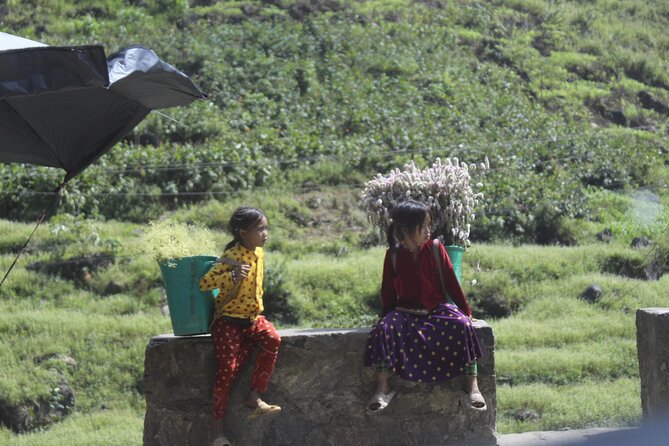
Then you move into food and village time. The schedule includes a morning block and a later lunch stop in the Sapa area, with a traditional local restaurant tied to Y Linh Ho village and a follow-on visit heading toward Lao Chai (a Black Hmong community).
What I like about this structure is that it gets you outside early enough to feel the mountain atmosphere, without pretending you can see everything in one go. Sapa is busy in the center, but the countryside around it is where the day becomes memorable.
Practical note: mornings in Sapa can feel cooler than you expect, especially if you’re used to Hanoi heat. Bring a light layer and you’ll be happier on early walks.
Day 2 Sapa highlights plus optional Fansipan or market time
Day 2 starts with a pickup around 9:00, so you’re not stuck in your room waiting for something that never arrives. The guide takes you around Sapa’s highlights, including a stop labeled Love Wa in the schedule (you’ll follow what your guide directs on the day).
After the main guided block, you get free time in the afternoon. This is where you can choose your pace:
- Visit the local Sapa market
- Or take the cable car up Fansipan (highest mountain in Vietnam)
This is a good design for two reasons. First, it gives you control over how much trekking you want. Second, it lets you decide if you want a cultural scene (market) or a big view payoff (Fansipan).
If you’re the type who gets restless in free time, use this window to buy a few snacks and a water refill. It saves you later on bus days when convenience disappears.
Day 3 Ha Giang transfer: long ride, then village exploration
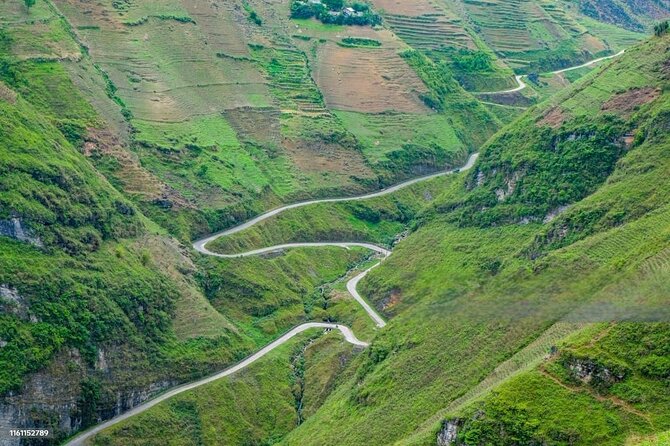
On day 3, you switch from Sapa into Ha Giang with a limousine bus departing from a meeting point in Sapa town. The trip is about 6 hours, with 1 or 2 stops along the way for toilet breaks and food/drinks.
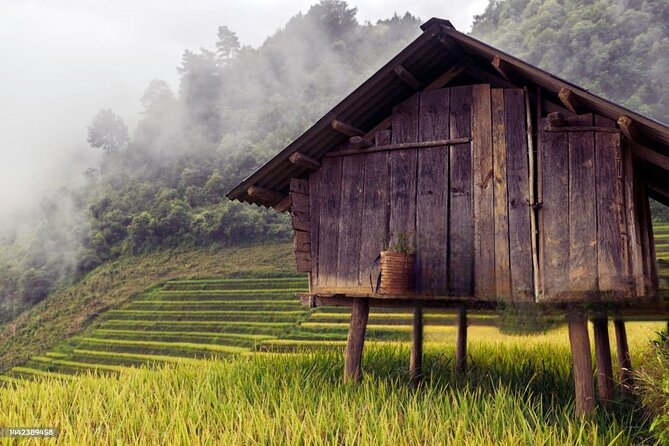
When you arrive, you get free time around 15:30 to explore an authentic minority village area. The schedule notes that houses are built on stilts, with rice fields nearby, and there’s also an option to walk up a hill for views.
This day is less about checklists and more about arrival rhythm. You’ll get the road time, then a chance to stretch your legs and see the Ha Giang style of village life up close.
If you get carsick easily, this is the day to be ready. Ha Giang roads can be winding, and even if you’re fine, it’s nice to have a bit of a buffer plan.
Day 4 deep mountain road: Heaven’s Gate and Lung Cam Village

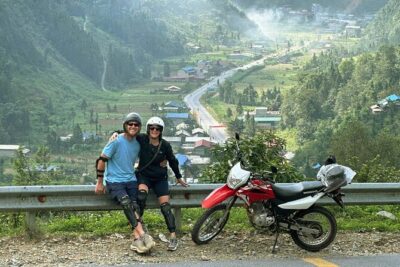
After breakfast at your homestay, the tour heads into some of the most dramatic mountain scenery in Southeast Asia. A key stop is Heaven’s Gate, listed as a viewpoint at about 1500m height.
Then the drive continues through Sung La Valley, including another mountain pass. The schedule also includes Lung Cam Village, described as having very old houses, plus a house known locally for something highlighted in the itinerary text (your guide will explain what makes it special).
What makes day 4 work is the pacing: you’re not just sitting on a bus staring out. You’re stopping at viewpoints and village locations where you can actually process what you’re seeing. Heaven’s Gate is the kind of stop that helps the whole Ha Giang route click in your head: you start to understand why this area is famous beyond photos.
Bring water and keep your phone charged for viewpoint stops. The road can eat battery life faster than you think.
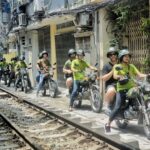
- Hanoi Motorbike Tour: Food, Culture and Fun by Vintage Motorbike★ 5.0 · 6,699 reviews
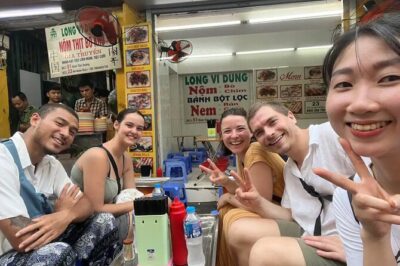
- Hanoi: Guided Food Tour with Train Street Visit★ 4.9 · 6,239 reviews
- Hanoi Cooking Class: Culture, Local Market & Meaning CSR Impact★ 5.0 · 5,147 reviews
Day 5 Dong Van market (Sunday option) and Ma Pi Leng Pass
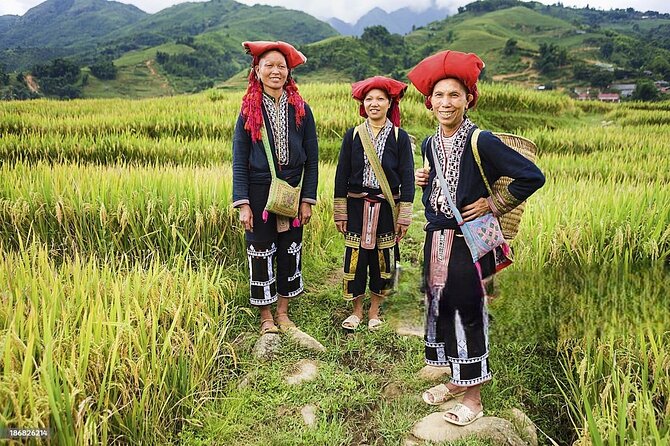
Day 5 is one of the “this is why I came” days. If your departure lands on a Sunday morning, the schedule points to a large minority market on the square in Dong Van, known for lots of color due to different traditional clothing.
Then the afternoon centers on the big driving payoff: Ma Pi Leng Pass. This is described as the absolute highlight for most people, and it’s often called the king of mountain passes. The itinerary warns that if your head is prone to dizziness, you’ll want to be careful on this route.
Here’s the practical takeaway: choose your seat thoughtfully when you can, and don’t pretend you’re invincible if you’ve had motion sickness problems before. The scenery is worth it, but comfort keeps you enjoying it instead of white-knuckling the ride.
Also, consider timing your photos. On a long pass, it’s tempting to shoot everything at once and end up with a thousand blurry frames. A better strategy is to pause, watch first, then capture a few clean moments.
Day 6 Cao Bang: the road gets more remote
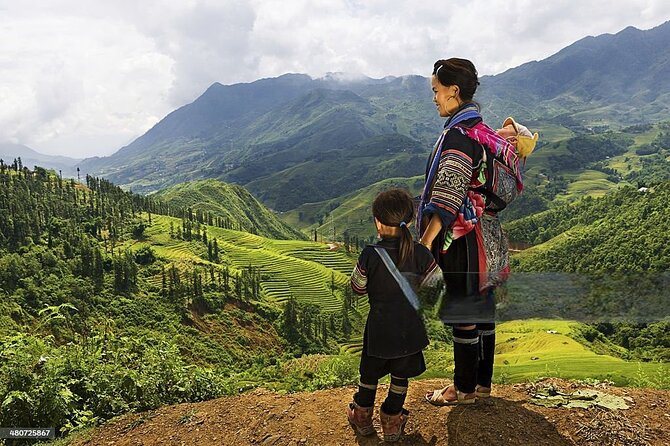
Day 6 is a longer drive through even more remote parts of northern Vietnam, heading toward Cao Bang. The schedule notes you’ll see local villages of ethnic minorities and high mountains along the way, plus an additional scenery stop halfway in Cao Bang (the text cuts off, but the idea is clear: there’s more than one planned break).
This day tends to feel different from Ha Giang. In Ha Giang, you often feel the bustle of markets and village stops. In Cao Bang, you’re more likely to feel the “less visited” side of the north: more open road, more quiet, and scenery that looks bigger because there are fewer distractions.
If you like slow-burn travel, this day will reward you. If you only want constant attractions, it might feel like a “travel day.” But it’s still part of the payoff: you’re getting deeper into the remote north.
Day 7 Ban Gioc/Detian Falls and Nguom Ngao Cave
Day 7 is the border-country highlight. After breakfast, the tour drives north to the border with China for Ban Gioc Waterfall, also known as Detian Falls. The entrance is included, and the schedule emphasizes the scale: the waterfall sits amid rice fields, forests, and mountains.
Then you stop at Nguom Ngao Cave. There’s a path leading to a section where you can see stalactites and stalagmites, plus the cave route is planned enough that you don’t have to guess what’s open or worthwhile.
This combination makes sense. Waterfall day can be exhausting if it’s all walking in humid air. Adding a cave stop gives you a different kind of cool, which also breaks up the day so you don’t feel drained by the time you return toward Cao Bang.
For this day, plan to wear shoes you trust. The walking around waterfalls and cave entrances can be slippery depending on weather.
Day 8 Ba Be National Park: boat time on Vietnam’s biggest natural lake
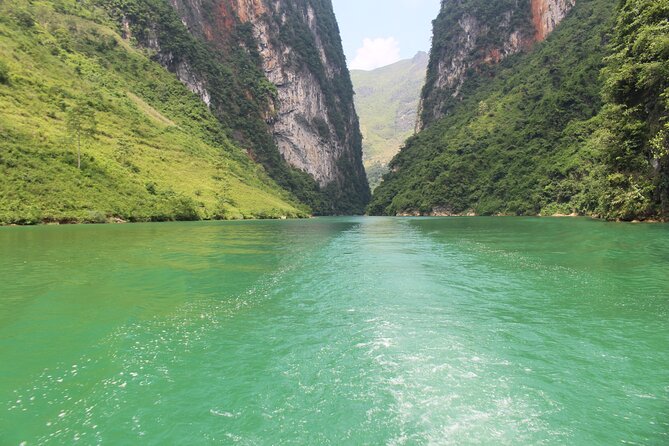
On the final day, you head to Ba Be National Park. The morning is focused on the lake: Ba Be Lake by boat. The schedule calls it the biggest natural lake in Vietnam, surrounded by minority villages and jungle within the national park.
The best part of the last day is that it slows down the pace. After days of passes and road views, a boat ride helps you shift gears and notice details that you might miss from a vehicle window.
Even the way the schedule is written suggests a relaxed mood: you’ll have morning boat time, and the rest of the day is more about enjoying the setting at an easier speed. If you’ve had a busy trip, this ending tends to feel like a quiet reset rather than a rush to the airport.
Guides, drivers, and that small-group advantage
A big reason people rate this kind of northern loop highly is the human layer: tour guide + experienced drivers. The tour includes a guide and uses an air-conditioned vehicle throughout the route.
From the feedback included with this package, the team’s communication shows up repeatedly. Names like Mr Son (itinerary support), Ms Hang (customer service), and guides such as Thiep and Tony are mentioned, along with helpers like Jenney, Hanna, and Minh and Jenny. The main pattern you should take from that is responsiveness: when questions pop up before or during the trip, the company is set up to answer.
That matters for you because North Vietnam can be sensitive to small timing changes. A guide who can explain what’s coming next, and adjust pacing on the fly, keeps the trip from feeling stressful.
Also, with a max group of 10, you’re less likely to lose track of individuals on busy stop days. You’re more in “together” mode, not “spot the group again” mode.
Meals and private rooms: budget relief that still feels flexible
One of the simplest wins here is meal coverage. The tour includes breakfast 7 times, lunch 8 times, and dinner 7 times, plus entrance fees for included sights. Tips and alcohol aren’t included, but the essentials are covered.
This is good value because it reduces your daily decision fatigue. You don’t have to hunt for a place to eat after a long drive, and you don’t have to compare menus in languages you don’t speak.
It’s also a nice fit for days like Ma Pi Leng Pass and Ban Gioc, where you’d rather be at a viewpoint than searching for lunch. The Y Linh Ho meal stop in Sapa is a good example of why included meals can be more than just convenience. It’s part of the cultural texture of the route.
For private rooms: you’re not sharing dorm-style. That’s an underrated advantage on multi-day road trips. You get space to recharge, and that makes the next morning feel easier.
Weather and timing: the only real curveball
North Vietnam is beautiful, but it’s not always predictable. The tour is described as requiring good weather. If it’s canceled because of poor weather, you’re offered another date or a full refund.
Even when the tour isn’t canceled, weather can affect how comfortable certain stops are. If you’re choosing clothing, go for layers and a packable rain option. Also, bring a small day bag so you’re not constantly digging into luggage when you get to viewpoints.
Who this trip suits best
This tour is a strong match if you want:
- A structured route through Sapa, Ha Giang, Cao Bang, Ban Gioc, and Ba Be
- Village and market experiences without planning them yourself
- Mountain scenery with stops at key viewpoints
- Meals and entrances mostly handled, so you can travel with less friction
- A small group limit (max 10) for a calmer feel
If you hate long drives or you want a more spontaneous itinerary with lots of unplanned side trips, you might find the fixed schedule a bit rigid. Also, if you get motion sick, the pass days (especially the Ma Pi Leng segment) are something to plan for.
Should you book this Northern Vietnam tour?
Yes, you should book if you want a well-paced northern route that hits the big sights (Ma Pi Leng Pass, Ban Gioc/Detian Falls, Ba Be Lake) while also giving you village time that feels real. The private room setup and meal coverage make it easier to enjoy the scenery without constantly budgeting time for food and tickets.
Don’t book if you’re only in it for one kind of experience. This trip mixes road time, viewpoints, markets, caves, and boat scenery. You’ll enjoy it most if you like variety and can handle a few long transit stretches.
If you go, do two things: pack for temperature swings and bring a motion-sickness backup strategy just in case. Then you’ll be free to enjoy what this route does best: north Vietnam’s dramatic edges, seen at human scale.
FAQ
How long is this Northern Vietnam tour?
It runs for about 8 days.
Where does the trip begin?
On the Sapa portion, the schedule starts with arrival at Lao Cai train station, then a minibus ride to Sapa.
What’s included in the price?
The package includes a private room, a tour guide, an air-conditioned vehicle, all entrance fees for included sightseeing, plus meals: breakfast 7 times, lunch 8 times, and dinner 7 times.
What’s the group size limit?
This tour has a maximum of 10 travelers.
Is pickup offered?
Yes, pickup is offered.
Is there a mobile ticket?
Yes, mobile tickets are listed as part of the package.
What is not included?
Tips, alcoholic drinks, soft drinks, and personal expenses are not included.
What happens if weather is poor?
The tour requires good weather. If it’s canceled due to poor weather, you’ll be offered a different date or a full refund.