
Reviewed · SAPA TREKKING TOURS
3D2N- Rice Terraces Treks & Easy rider from Sa Pa
Rice terraces, minus the crowds.
This 3D2N trip threads Khau Pha Pass views with Mu Cang Chai rice-field walking and village time in the Lim Mong area, guided all the way. I like that it’s built around small-group pacing (max 20) and local leadership, not a cattle-call route.
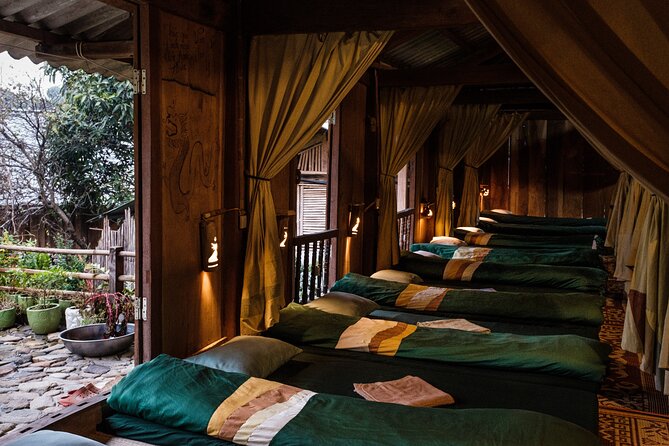
What I really loved most is the stilt-house homestay setup—you sleep in a traditional home on a thin mattress in a shared communal space, with dinner shared as part of village life. I also liked the practical “body reset” touch: a herbal foot bath after the hike, using hot wild-leaf water or an herbal soak.
One possible drawback to plan for: there’s no private room, and you’ll sleep on the floor, so pack patience (and a pair of socks you trust).
In This Review
- Key things that make this trek worth your time
- How this route connects Sapa’s passes to Mu Cang Chai and Lim Mong
- Getting there without wasting your day: buses, motorbike transfers, and timing
- Day 1 Cao Phạ: stilt-house homestay life sets the tone
- Day 2 Mu Cang Chai: choosing your pace with a motorbike day or terrace trek
- The iconic Khau Phạ Pass stop: big valley views and paragliding energy
- Day 3 Lim Mong Village trekking: Nam Kim Stream, a suspension bridge, and three-stream crossroads
- Meals, comfort, and what to pack for this kind of homestay trek
- Price and value: is $311 worth it for rice terraces and a real homestay?
- Who should book this trek, and who might want a different style
- Final call: should you book this Sapa to Mu Cang Chai trek?
- FAQ
- What’s the duration and when do I arrive back in Hanoi?
- Where does the tour start and end?
- What accommodation do I get on the homestay nights?
- Do I get trekking gear included?
- What are my options for Day 2 in Mu Cang Chai?
- How many people are in the group?
Key things that make this trek worth your time
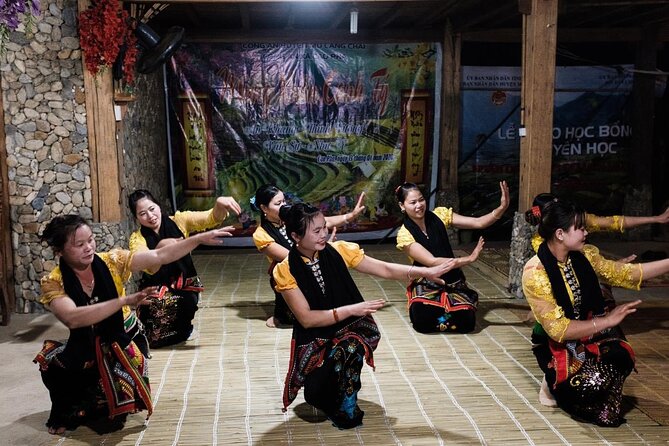
- Khau Pha Pass viewpoints: big valley views and a stop tied to Vietnam’s paragliding area around the pass
- Two guided days: one motorbike day option plus one trek day with local guidance
- Homestay realism: traditional stilt house, communal sleeping, simple comfort
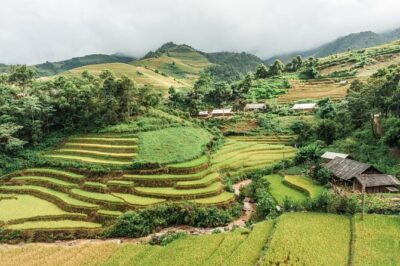
- Nam Kim Stream trek: narrow creek paths, terraced rice on both sides, and a tiny suspension bridge
- Less peak-season crowding: during high season timing, your guide can redirect to alternatives
- Hot wild-leaf foot bath: a welcome recovery moment after walking
How this route connects Sapa’s passes to Mu Cang Chai and Lim Mong
This trip is designed like a story with scenery chapters. You start in the Sapa side of the mountains, then work your way toward Mu Cang Chai (famous for rice terraces), and finish with a trekking morning around the Lim Mong area—where the walk stays closer to village rhythms.
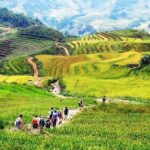
You’ll spend time on roads that twist over passes and then switch into narrow paths beside streams and rice terraces. That mix matters because it changes the feel of the days: one part is “watching from above,” the other part is “walking in the working landscape.”
Also, this is framed as responsible tourism and a sustainable project, which shows up in the format: local homestay families, local guides, and small-group pacing. You’re not just taking photos—you’re interacting with how people live here.
If you want a trip that’s mostly guided and structured, this fits. If you want total freedom to wander alone with no planning, you might find the schedule tighter than you’d like.
More trails through the Sapa valleys
Getting there without wasting your day: buses, motorbike transfers, and timing
Transport is one of the biggest hidden values in a mountain trek like this. Your included ride covers a long bus segment from Sapa to Khau Pha (about 6–7 hours, with a couple breaks), plus a late-night sleeping bus back to Hanoi.
On the way out, the timeline is early enough to arrive in the afternoon: the bus leaves around 9:00 AM and you reach Khau Pha around 3:00 PM. Then you go down to the village by motorbike taxi so the last stretch stays efficient.
On the way back, the timing is serious mountain-to-city logic. You transfer by motorbike to the bus pick-up point at about 10:00 PM, board the sleeping bus at 10:30 PM, and arrive in Hanoi around 5:00 AM, then transfer back toward Hanoi Old Quarter. That means you’ll lose a normal sleep schedule, but you do gain a full extra day in the mountains.
For smoother energy, plan for a late-day caffeine strategy in Hanoi beforehand. And if you’re prone to motion sickness, consider packing something you already know works.
Day 1 Cao Phạ: stilt-house homestay life sets the tone
Day 1 is all about arrival and settling in. You travel from Sapa by local bus toward Khau Pha, then transfer by motorbike down to the homestay village. When you check in around mid-afternoon, you’re not rushing—there’s time to get oriented, eat, and adjust.
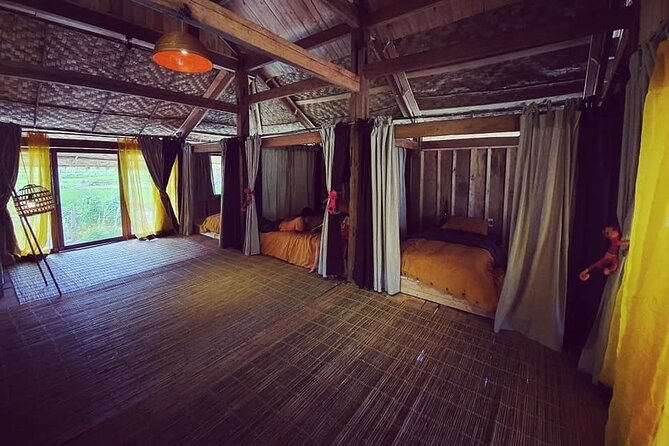
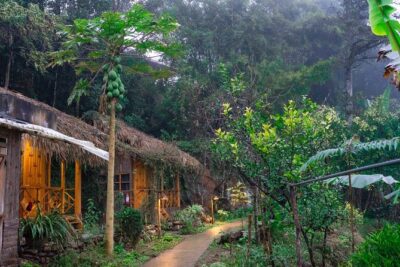
The homestay experience is traditional in a very literal way. Your accommodation is a local family’s stilt house, and you sleep in a shared communal area—no private room. You’ll use a single mattress in a sleeping corner, and it’s described as thin, so comfort is simple rather than cushy.
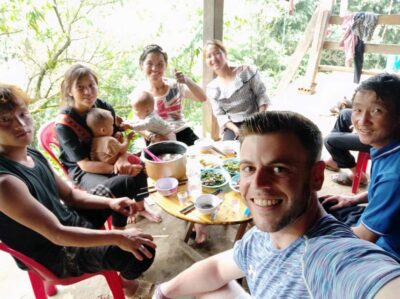
Dinner is included, and the format matters here. This isn’t a “drop-in restaurant meal” vibe; it’s dinner prepared as part of staying with the family. You’ll learn the rhythms fast: where people gather, how space is shared, and what the evenings feel like when you aren’t in a hotel bubble.
If you’re traveling with high expectations of privacy, this is the point to recalibrate. But if you want a real feel for daily life in the highlands, the setup is the whole point.
Day 2 Mu Cang Chai: choosing your pace with a motorbike day or terrace trek
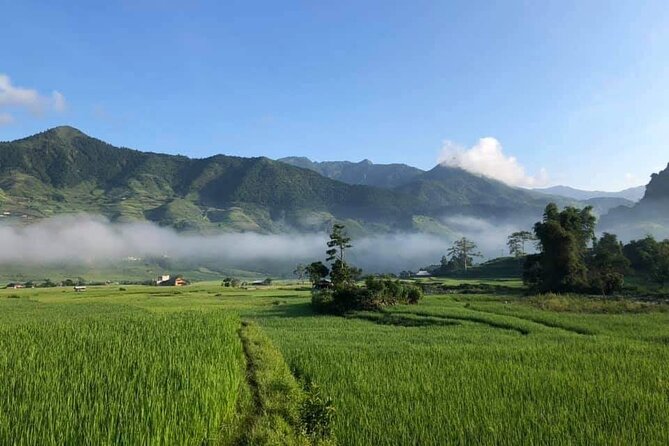
After breakfast, Day 2 starts with movement toward Mu Cang Chai, passing the Khau Pha Pass. From there, the day divides into two possible tracks that you choose when booking:
1) a pillion motorbike tour with a local guide and rider, or
2) rice terrace treks with a local guide.
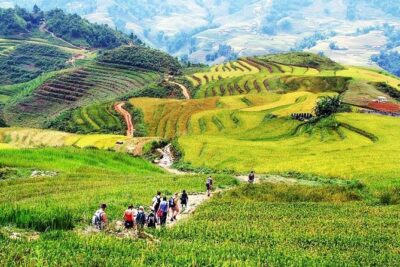
Either choice still centers on terraced rice views and village encounters. You’ll start with an outskirts village visit where you can admire a major system of terraced rice fields and meet an H’mong family, walking around and learning about their culture.
Then comes the bamboo forest stop, described with a comparison to Arashiyama Bamboo Grove. You’ll stop long enough for a picnic lunch under bamboo foliage, which is one of those small moments that makes the day feel different from pure walking.
In the afternoon, the ride continues to famous viewpoints like Mâm Xôi Hill and Mong Ngua Hill (in La Pan Tan Commune) and Che Cu Nha Commune. The roads can be bumpy, so it helps if you’re comfortable riding for stretches.
One smart detail: in high season (end of September to mid-October), your guide can swap in alternative spots that are still impressive but may have fewer crowds. That’s a real quality-of-life upgrade when the region gets busy.
The iconic Khau Phạ Pass stop: big valley views and paragliding energy
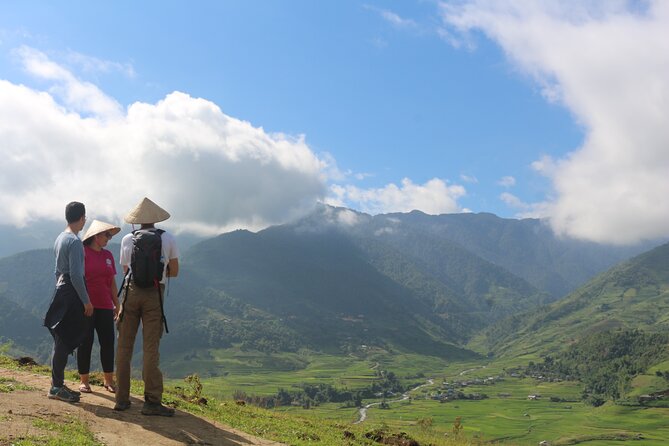
Near the end of Day 2—on the way back to the homestay—you’ll make a stop at the peak of Khau Pha Pass. This is where the terraced rice down Lim Mong Valley drops away in front of you, and the height makes it feel like you’re looking over a patchwork made of time and water.
This pass is also selected as a paragliding spot in Vietnam, so even if you’re not flying, the area has that distinct “watch the sky” energy. It’s a nice change from the village pace: you get a clear view and a moment to just watch.
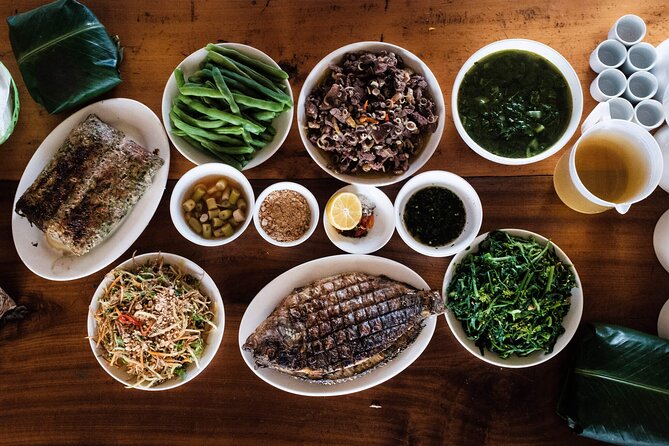
Dinner is included again, and the food is noted as prepared with Thai ingenuity. Even if you don’t pin down the exact style, you can expect a proper mountain meal—something meant for after a full day of movement and long views.
Sleep comes again in the stilt-house communal setup. If you’re sore from the ride or the walking, use the quiet time to reset your legs. Day 3 comes early.
Worth a glance beside this Hanoi pick:
- Halong Bay Full Day with Kayaking, Hiking viewpoint, Cave – Deluxe To Luxury★ 5.0 · 884 reviews
- From Hanoi: 2-Day Sapa Trekking Trip with Homestay & Meals★ 4.8 · 704 reviews
- Sapa 3 Days 2 Nights Trekking Tour (1 Night In Ta Van Village, 1 Night In Hotel)★ 5.0 · 699 reviews
Day 3 Lim Mong Village trekking: Nam Kim Stream, a suspension bridge, and three-stream crossroads
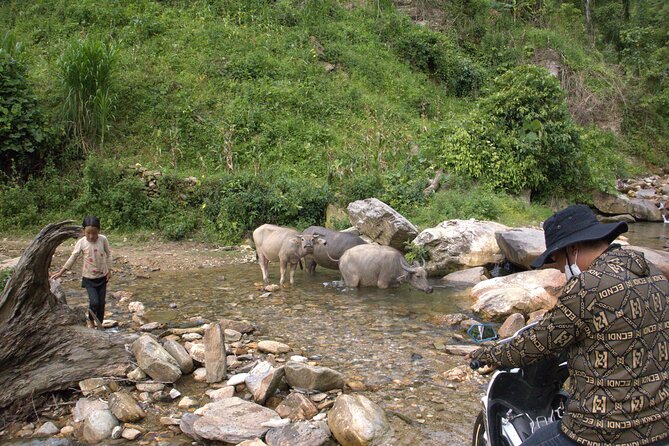
Day 3 begins around 7:00 AM. You go from the homestay up to Ta Dzong village, which is on the other side of Lim Mong Valley. That early timing matters because you’re able to admire the valley in the morning light before the hike narrows into the stream paths.
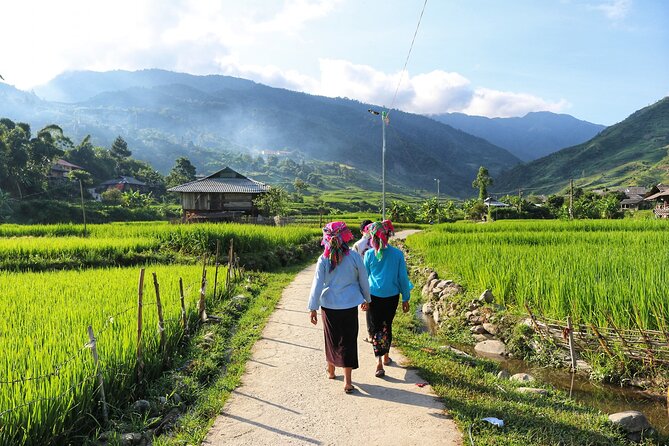
From Ta Dzong, you move along a narrow path into Nam Kim Stream—a creek route where you can see mountains, winding water, and rice terraces tied to H’mong village life. After more than 1 hour of walking, you rest at a larger creek area, then cross a tiny suspension bridge.
After the bridge, the trail follows a road with rice terraces on both sides before heading up to Khao Nha Duoi village. This is the part of the day that feels most hands-on. You’re not just looking at terraces—you’re walking alongside how people farm and live in the hills.
Later, after about 2 hours of walking, you reach the intersection of three streams: Nam Kim, Nam Lung, and Mong Han. You cross the stream, then follow mountain trails back toward your village. That three-stream crossing is a natural “checkpoint moment,” and it’s also a reminder that this isn’t a theme-park trek. Water is the main character here.
After you return, dinner is included, and then you get the recovery: soak your feet in hot wild-leaf water, or choose an herbal bath with leaves gathered from the forest. This is one of those included touches that you’ll really appreciate when your calves feel like they’ve done extra work.
Meals, comfort, and what to pack for this kind of homestay trek
Included meals are a big part of the value here. You get 2 breakfasts, 2 lunches, and 3 dinners across the trip, plus the picnic lunch in the bamboo forest. If you’ve ever done mountain trekking where you end up paying restaurant prices every day, this structure feels sensible.
Comfort is simple, not fancy. The stilt-house sleeping setup is communal, and you should treat the thin mattress as a given. A practical strategy: bring sleepwear that can double as cold-weather layers, since mountain nights can feel cooler than Hanoi.
Trekking gear isn’t included, so you’ll want your own essentials like a backpack and shoes. The trail involves narrow paths, stream crossings, and a suspension bridge, so footwear matters more than fashion. If your shoes are slippery on wet ground, this will be annoying.
Also plan for a full day in wind and weather. The tour’s additional info says it requires good weather, so keep a little flexibility in your travel schedule.
One more small but important detail: you’ll use a mobile ticket, so make sure your phone battery plan is solid. If you rely on your phone for everything, bring a power bank you trust.
Price and value: is $311 worth it for rice terraces and a real homestay?
At $311 per person, you’re not just buying viewpoints. You’re paying for transport (bus Sapa to Khau Pha, plus sleeping bus back), transfers by motorbike taxi, and two guided full days—one motorbike day and one trekking day. Guides and local leadership are part of the package.
You’re also getting lodging through the homestay (two overnights in the stilt house), and meals: breakfasts, lunches, dinners, plus the bamboo-forest picnic. That’s the kind of bundled convenience that adds up quickly in Vietnam when you’re doing rural routes.
What you’re not paying for is mostly personal stuff: trekking gear, beverages, personal expenses, and insurance. VAT and other taxes aren’t included either. So the real “all-in” cost is very manageable if you pack smart and keep extra spending low.
In plain terms: if you want a guided, organized route through Mu Cang Chai and Lim Mong with homestay life built in, the price looks fair. If you’re trying to do this independently with zero guidance and minimal planning, you might spend less on paper but far more in time and logistics.
Who should book this trek, and who might want a different style
This works best for you if:
- you’re comfortable sleeping in a communal stilt-house setting
- you want guided trekking with local context rather than DIY navigation
- you don’t mind a late-night return to Hanoi, because it buys you a full mountain day
It might feel like too much if:
- you need a private room and strong mattress comfort
- you dislike long transport blocks and would rather return earlier each night
- you’re at the low end of fitness and don’t like steep or uneven walking
One safety note from experience accounts: two young women traveling alone highlighted that safety was a priority. That tracks with how the trip is structured—local guides, motorbike taxi transfers, and a small-group cap help you avoid doing everything on your own in rural areas.
If you’re the type who cares about how tourism affects communities, you’ll probably appreciate the model more than the “just take a photo” style. The homestay and local guiding are the heart of it.
Final call: should you book this Sapa to Mu Cang Chai trek?
I’d book this if you want a serious dose of rice-terrace scenery paired with real village life, and you’re okay trading hotel comfort for closeness to the mountains. The day-by-day structure is efficient: bus in, homestay night, bamboo-and-viewpoint day, then a stream-and-terrace trek followed by a herbal foot soak. It feels like a full experience, not a rushed hit-and-run.
Before you say yes, decide if you’re truly comfortable with the no private room sleeping setup and the thin mattress. If that’s a dealbreaker, look for a different kind of trek.
If it’s not, then this is the kind of trip where names start to matter. In one account, the organization from Lam was described as super smooth, and the homestay family named Jack made the stay feel warm and easy. That’s exactly what you hope for when you’re traveling in remote terrain.
If weather cooperates and you pack for comfort over luxury, you’ll likely come away with both great views and a better sense of how life works here.
FAQ
What’s the duration and when do I arrive back in Hanoi?
The trip is listed as 3 days (approx.). You return late, transferring by motorbike to the bus pick-up point around 10:00 PM, boarding the sleeping bus at 10:30 PM, and arriving in Hanoi around 5:00 AM.
Where does the tour start and end?
The meeting point is DCT Responsible Travel at 24A Đ. Tô Ngọc Vân, Tây Hồ, Hà Nội 10000, Vietnam. The service ends back at the meeting point area.
What accommodation do I get on the homestay nights?
You stay with a local family in a traditional stilt house. There’s no private room; you sleep on the floor in a shared communal area, with a single mattress in a sleeping corner.
Do I get trekking gear included?
No. Trekking gears such as backpack and shoes are not included.
What are my options for Day 2 in Mu Cang Chai?
After breakfast, you can choose between a pillion motorbike tour with a local guide and rider, or rice terrace treks with a local guide. You should let the operator know your preference when booking.
How many people are in the group?
The tour has a maximum of 20 travelers.
More Hiking & Trekking in Hanoi

More Tour Reviews in Hanoi



More Sapa Treks We Walked
Latest Hanoi write-ups from our team



Sapa Trekking Tours, compared.
 ★ 5.0Sapa 2 Days 1 Night From Hanoi – Overnight in Ta Van VillageFrom $592,669 reviews
 ★ 5.0Hanoi – Sapa 2 Days 1 Night Overnight At HomestayFrom $89899 reviews
 ★ 5.0Sapa: Fansipan Cable, Cat Cat Village & Moana Instagram TourFrom $30777 reviews
 ★ 4.8From Hanoi: 2-Day Sapa Trekking Trip with Homestay & MealsFrom $71704 reviews
 ★ 5.0Sapa 3 Days 2 Nights Trekking Tour (1 Night In Ta Van Village, 1 Night In Hotel)From $139699 reviews
 ★ 5.03-Day Trekking Adventure of Sapa from Hanoi – Stay Ta Van VillageFrom $109611 reviews
 ★ 4.82-Day Sa Pa Ethnic Homestay Tour & Trek with Limousine Bus440 reviews
 ★ 5.0Sapa 2 Days 1 Night From Hanoi – Overnight in HotelFrom $89440 reviews
Browse the lists this tour appears in