
Reviewed · SAPA TREKKING TOURS
3-Days Sapa Trekking With Local Guide Overnight in Tavan Village
Sapa treks start with a bus ride that’s actually worth it. This 3-day trip focuses on walking through the rice terraces around Ta Van, meeting hill-tribe communities, and staying overnight close to where the trail life happens. I especially like how the tour keeps the day moving—pickup in Hanoi, then straight to the mountain towns—without you having to plan every step.
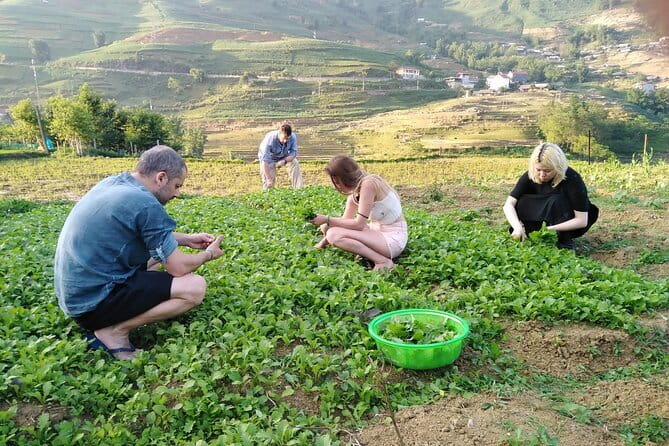
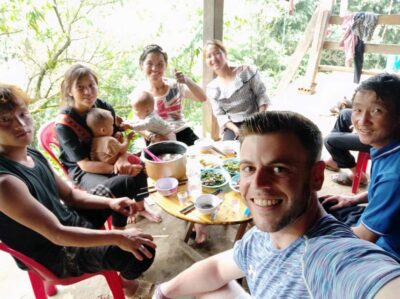
I also like the human side of it: you’ll cook with your hosts and share meals that feel homemade, not tour-cafeteria food. On my checklist, that cooking class part is a big deal, especially learning dishes like phở and nem cuốn alongside the family.
One thing to think about first: this is a proper walking trip. The tour notes moderate fitness, and the trekking can feel long for beginners, even though guides can help with pace and shortcuts if you need them.
In This Review
- Key things to know before you go
- Hanoi to Sapa: the start that sets the tone
- Arriving in Sapa: quick timing, then you’re on the move
- Ta Van and the rice-terrace trek: the part built for real walking
- Who will love this section
- The main drawback to plan around
- Day 2 in Ta Van: cooking class plus a gentler culture rhythm
- Afternoon in Ta Van: downtime that prevents burnout
- Giang Ta Chai viewpoints: where the walking turns scenic and photo-friendly
- Day 3: the 6 km Lao Chai to Hang Cung walk, then back to Hanoi
- Practical takeaway for your last day
- Homestay and bungalow basics: what comfort level to expect
- Value check: what $82 buys on a trekking itinerary
- Who should book this Sapa trek, and who should skip it
- Should you book this 3-day Sapa trek with overnight in Ta Van?
- FAQ
- How long is the Sapa trekking tour?
- What’s included in transportation?
- Where is the meeting point in Hanoi?
- Is an English-speaking guide included?
- How many nights do I stay overnight?
- What meals are included?
- Is the cooking class part of the tour?
- How far is the trek on Day 3?
- Is there any free time during the trip?
- What’s the cancellation and refund window?
Key things to know before you go
- Small group size (max 15): you get more real interaction with your guide and less waiting around.
- English-speaking guide included: the trail feels clearer when someone explains what you’re seeing.
- Home-style food experiences: breakfast, lunch, and dinners are included, plus a hands-on cooking class (phở, nem cuốn).
- Village names you’ll actually remember: Ta Van, Lao Chai, Giang Ta Chai, Hang Cung, plus the Y Linh Ho area.
- Guides can adjust the pace: at least one recent traveler called out that routes/effort can be adapted for beginners.
- Two different trekking days: a daytime mix of rice terraces, stream walking, bamboo forest, and viewpoint stops.
Hanoi to Sapa: the start that sets the tone
The tour begins in Hanoi’s Old Quarter area, with pickup listed at 30 P. Lý Thái Tổ. You’re picked up early (the guide notes support pickup around 6:00), then you transfer to a modern air-conditioned bus with comfortable seats.
This matters more than it sounds. When you’re heading to Sapa for a trekking-focused itinerary, the wrong transport plan can turn the first day into stress: too many stops, too-little rest, and no clear handoff when you arrive. Here, the bus is positioned as a smooth transfer—plus you get water bottles on the ride—so you start the mountain portion feeling human, not wrecked.
On the way, you stop for rests in Lào Cai city (one rest stop after the highway, then another stop before continuing to Sapa). You arrive in Sapa around early afternoon, and that transition from city to hillside town is where your schedule becomes important: you don’t just drop off and wander. You wait about 30 minutes at the bus station for the guide and driver to take you onward.
More trails through the Sapa valleys


Arriving in Sapa: quick timing, then you’re on the move
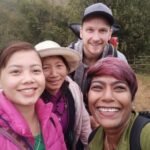
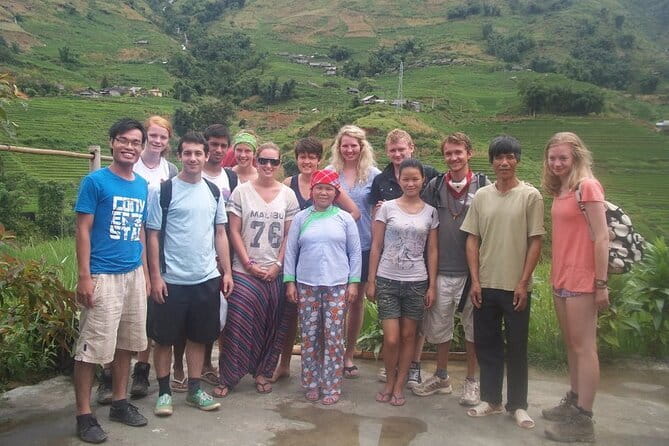
Sapa is the gateway, and you’ll see it right away through the colorful clothing of local ethnic groups (H’mong, Dzao, and Tay are specifically mentioned). This is a nice moment because it gives you context before the trek begins: you’re not just walking in fog and mountains, you’re walking in a place with living culture.
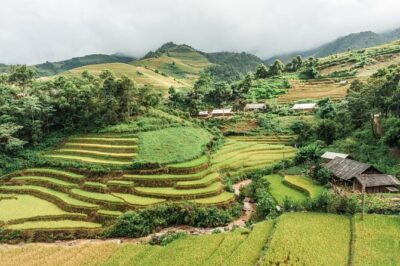
Then the pace changes. About mid-afternoon, trekking starts in the direction of Ta Van, moving through areas such as Y Linh Ho and along the Muong Hoa Stream. This part of the trip is often what people remember most, because it’s where the views open up and where village life becomes visible without feeling staged.
One practical consideration: when you arrive in Sapa, you’ll likely have a short wait for the guide and driver to coordinate. That’s normal for group operations, but it’s still good to mentally budget time so you don’t feel rushed or confused.
Ta Van and the rice-terrace trek: the part built for real walking
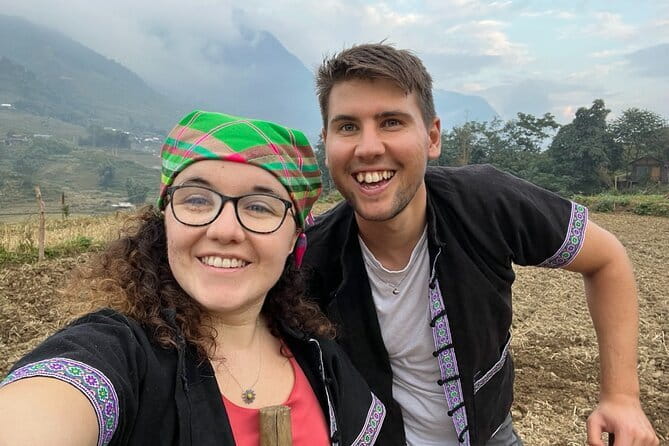
By the time you’re heading through Ta Van and onward, the tour’s theme becomes clear: rice terraces, river/stream paths, and village stops that connect the scenery to people.
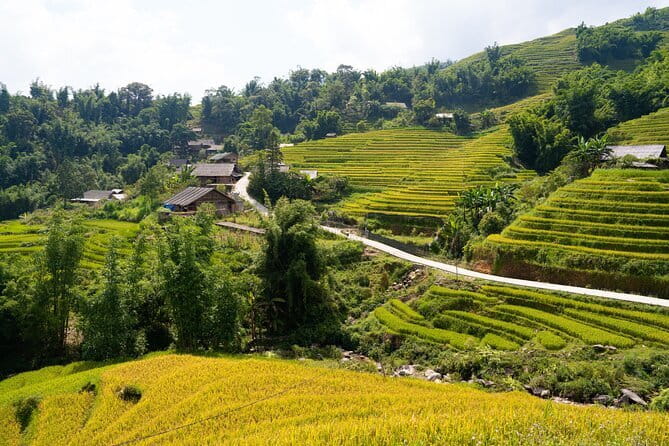
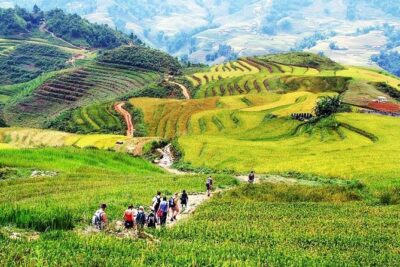
The route includes walking past the Black Hmong village of Lao Chai and then taking in dramatic views of Hoàng Liên Sơn Mountain. That’s a big name on the map, but the payoff here is sensory and immediate: you’re walking through working terraces and seeing how the hills are farmed, not just looking at a photo viewpoint.
Day 1 is described as a long trekking day that ends with overnight in Ta Van-style accommodation. The exact walking total isn’t pinned to a single number in the details, but it’s clearly not a short stroll. If you’re the type who likes to stop every few minutes for photos, you can still do that—just expect the day to run long.
Who will love this section
You’ll enjoy it most if you like:
- walking at a steady pace
- seeing villages up close (not just passing by)
- having a guide explain what you’re noticing
The main drawback to plan around
If you’re new to hiking, the length and uneven ground can feel like a lot. One recent traveler specifically noted trekking can be long for beginners, while also saying guides know experienced pacing and can manage shortcuts if needed. So yes, you can go—but don’t show up with your most tired sneakers and zero stamina.
Worth a glance beside this Hanoi pick:
- Hanoi: Guided Food Tour with Train Street Visit★ 4.9 · 6,239 reviews
- Hanoi: Guided Street Food Tour with Train Street Experience★ 4.9 · 2,479 reviews
- Ninh Binh Full-Day Small Group of 9 Guided Tour from Hanoi★ 5.0 · 1,422 reviews
Day 2 in Ta Van: cooking class plus a gentler culture rhythm
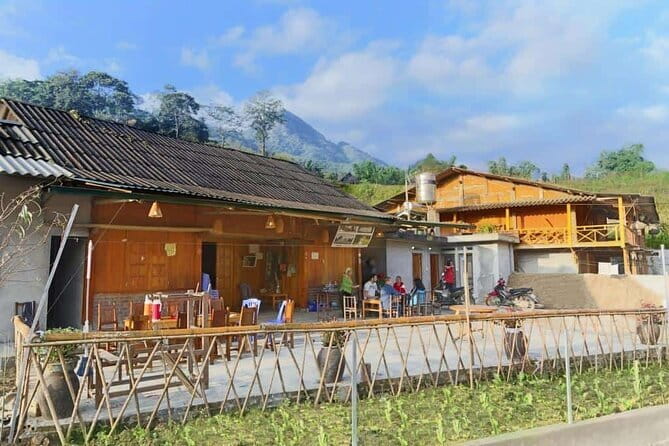
Day 2 starts with breakfast prepared by the family—a good sign because it signals you’re eating where people live, not in a separate restaurant bubble. Then the tour adds something hands-on: a cooking class.
You’ll learn how to make dishes like phở and nem cuốn. Even if you’ve eaten those foods before, this is different. When you learn the process, you start tasting details you normally overlook. It also gives you a simple way to connect with your hosts, since cooking becomes shared language without needing perfect conversation.
After breakfast and class time, you hit the trail again. The morning walk continues through rice paddies with a dedicated photo session and then moves into a bamboo forest. You also reach a panorama view point around Giang Ta Chai Village.
This is the section where the trek feels most balanced. It’s active enough to satisfy hiking people, but the day includes breaks, scenery goals, and cultural moments that help you avoid that “just keep moving” fatigue.
Afternoon in Ta Van: downtime that prevents burnout
In the afternoon, you get free time to explore Ta Van by yourself. That’s a small detail, but it’s one of the best parts of multi-day treks. You’ll already have done a long walking day, plus cooking and meals. That free window gives you breathing room to buy a small snack, take more photos, or just sit and watch life happen.
The second night is included, described as overnight in a bungalow.
Giang Ta Chai viewpoints: where the walking turns scenic and photo-friendly
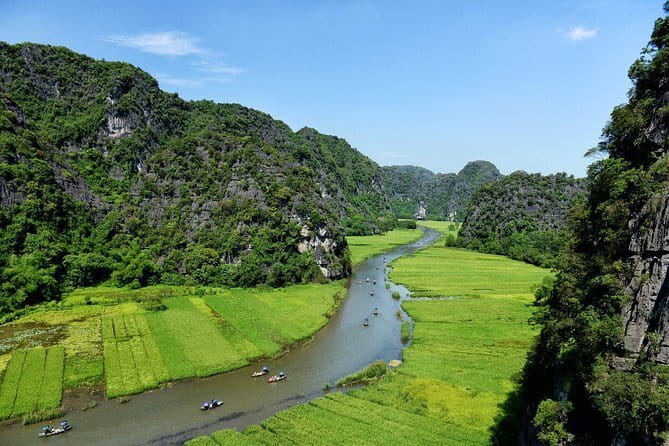
Giang Ta Chai is where the trek shifts into “wow” mode. Rice paddies spread out around you, and the tour includes both a photo-focused stop and viewpoint time.
The bamboo forest segment is a nice change of texture from terraces and stream paths. It breaks up the visual pattern and gives your eyes something different to track. Then the route climbs into panorama-style views, which is often when people finally slow down and just look.
This is also where a good guide makes a visible difference. One traveler praised a guide named Ai for being helpful and informative, saying the trek felt smooth and the views were magnificent. Another guide named Chao was called out for making the experience memorable and for strong support. While you won’t be able to control who you get, the point stands: having an English-speaking guide who knows the trail and the local context helps you appreciate what’s around you instead of just walking through it.
Day 3: the 6 km Lao Chai to Hang Cung walk, then back to Hanoi

Day 3 begins with breakfast again at the homestay, then you set off around 8:30–8:45 toward Lao Chai and onward to Hang Cung Village.
Here’s one of the clearest distance markers in the details: the trek distance is about 6 kilometers, and it lasts over 2 hours. That’s helpful because it gives you a realistic expectation. It’s long enough to count as a real hike, but it’s also short enough that you usually still have energy to enjoy the views.
The route includes walking through the Ta Van Mong Village area, then toward Hang Cung Village, with a break for the terraced rice fields and views along the way.
After this final walk, you return by bus. The tour notes you get on the bus at 15:00 and arrive back in Hanoi around 21:30, then you’re back to your hotel area by yourself.
Practical takeaway for your last day
Go into Day 3 knowing it’s not a rest day—but it’s also not the hardest day. Plan to keep your pace steady, not heroic. Your legs will thank you when you’re riding back toward Hanoi.
Homestay and bungalow basics: what comfort level to expect
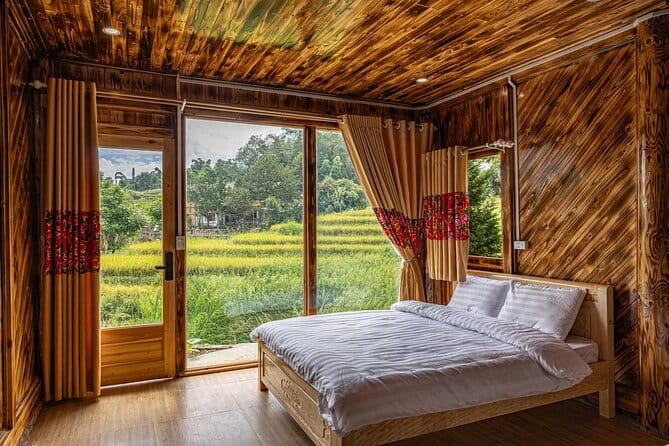
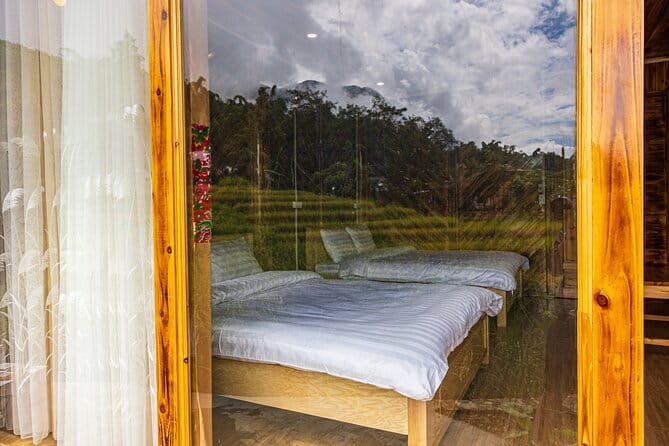
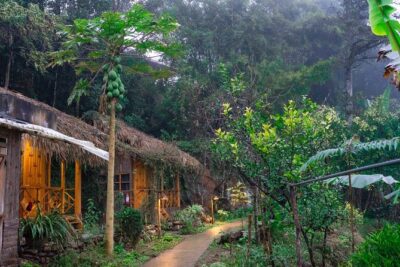
The experience is described as including 2 nights at a basic hill-tribe homestay and 1 night in a hotel, but the included list specifies 2 nights in bungalow accommodations. That means you should be prepared for the “basic” side of rural staying.
The good news: the tour’s included meals (breakfast, lunch, dinner) are tied to those stays, and that’s where value shows. If you’ve ever done homestay trips that feel like you’re sleeping in a room but eating like you’re detached from the place, this tour reads more connected than that.
Based on the experience tone, you should expect:
- simple accommodations
- family-style meals
- a more “live nearby the trail” feel than a luxury lodge vibe
One traveler used the word cozy when describing the bungalow stay. Another praised fresh, homemade food and the attention of homestay owners. That’s the emotional core here: the stay is part of the experience, not just a place to sleep.
Value check: what $82 buys on a trekking itinerary
At $82 per person, this tour is priced for travelers who want the big essentials bundled: transport, guide, meals, and overnight stays.
Look at what’s included:
- air-conditioned bus from Hanoi to Sapa and return
- experienced drivers and English-speaking guide
- 2 bottles of water per person on the bus rides
- 2 nights in included accommodations (with the overall description mentioning a hotel night as well)
- meals: 2 breakfasts, 3 lunches, 2 dinners
- a cooking class segment
- group logistics that keep the multi-day trek from becoming chaos
What you don’t get:
- drinks/soft beverages
- travel insurance
- VAT and personal expenses
- any public-holiday surcharge (the details mention Lunar New Year can add a surcharge payable onsite)
So is it good value? If you would otherwise pay separately for a guided trek, homestay meals, and round-trip transport, the bundle makes sense. The small group size (max 15) also supports better value than tours that cram more people in.
If your priority is a private guide or luxury comfort, this likely won’t match your style. But if you want a guided walking route with meals and a genuine connection to the villages, it’s a practical way to spend 3 days in Sapa.
Who should book this Sapa trek, and who should skip it
This tour fits best if you:
- want a guided trek with a small group (max 15)
- like rice-terrace scenery and want village context, not just views
- are comfortable with basic overnight accommodations
- can handle moderate fitness walking for multiple hours
You might want to look at other options if you:
- have very limited hiking ability (the tour explicitly calls out moderate fitness)
- want a fully “rest day” schedule (Day 2 and Day 3 are both active)
- expect all-day relaxation in Sapa town (you have an afternoon free window in Ta Van, but the focus stays on trekking)
Also, if you’re the kind of traveler who likes names and human details, pay attention to guide quality. Recent feedback highlighted Ai and Chao for being helpful, informative, and supportive. That’s a good sign for anyone who values a smooth trail experience.
Should you book this 3-day Sapa trek with overnight in Ta Van?
I’d book it if you want a trekking-centered Sapa visit that doesn’t separate the “countryside experience” from the practical stuff like meals and transport. The mix—terrace walking, bamboo forest, village stops, and a cooking class—gives you more than one type of memory.
I’d hesitate if you’re a total beginner expecting easy walking. The trip can feel long, but guides may adjust pace or offer shortcuts, so you can still go—just set your expectations and pace yourself.
If you’re ready for a guided, small-group Sapa trek with homestay-style staying and food that feels connected to the place, this is a solid choice.
FAQ
How long is the Sapa trekking tour?
It runs for about 3 days.
What’s included in transportation?
You get a modern air-conditioned bus with comfortable seats from Hanoi to Sapa and back, plus modern buses in Sapa with experienced drivers.
Where is the meeting point in Hanoi?
Pickup is listed around 30 P. Lý Thái Tổ in Hanoi (and the drop-off is also at 30 P. Lý Thái Tổ).
Is an English-speaking guide included?
Yes, an English speaking tour guide is included.
How many nights do I stay overnight?
The overview describes 2 nights at a basic hill-tribe homestay and 1 hotel night, while the included list specifically calls out 2 nights in bungalow accommodations.
What meals are included?
Meals included are 2 breakfasts, 3 lunches, and 2 dinners.
Is the cooking class part of the tour?
Yes. On Day 2 you can join a cooking class and learn foods like phở and nem cuốn.
How far is the trek on Day 3?
Day 3 includes a trek of about 6 kilometers, lasting over 2 hours.
Is there any free time during the trip?
Yes. In the afternoon on Day 2, you have free time to explore Ta Van on your own.
What’s the cancellation and refund window?
Free cancellation is available up to 24 hours in advance for a full refund. If you cancel within 24 hours, the amount paid is not refunded.
More Guided in Hanoi





More Tour Reviews in Hanoi



More Sapa Treks We Walked
Latest Hanoi write-ups from our team




Sapa Trekking Tours, compared.
 ★ 5.0Sapa 2 Days 1 Night From Hanoi – Overnight in Ta Van VillageFrom $592,669 reviews
 ★ 5.0Hanoi – Sapa 2 Days 1 Night Overnight At HomestayFrom $89899 reviews
 ★ 5.0Sapa: Fansipan Cable, Cat Cat Village & Moana Instagram TourFrom $30777 reviews
 ★ 4.8From Hanoi: 2-Day Sapa Trekking Trip with Homestay & MealsFrom $71704 reviews
 ★ 5.0Sapa 3 Days 2 Nights Trekking Tour (1 Night In Ta Van Village, 1 Night In Hotel)From $139699 reviews
 ★ 5.03-Day Trekking Adventure of Sapa from Hanoi – Stay Ta Van VillageFrom $109611 reviews
 ★ 4.82-Day Sa Pa Ethnic Homestay Tour & Trek with Limousine Bus440 reviews
 ★ 5.0Sapa 2 Days 1 Night From Hanoi – Overnight in HotelFrom $89440 reviews
Browse the lists this tour appears in