
Reviewed · SAPA TREKKING TOURS
3 Days SAPA Real Experience at Local People House
A homestay trek beats Sapa postcard views. This 3-day rural Sapa experience mixes short logistics with real village life: you walk between villages, sleep in a local people’s house, and eat Vietnamese meals with your hosts along the way, while the trip from Hanoi is handled for you with an air-conditioned sleeper bus and onboard support. You’ll spend serious time around Sapa and Ta Van rather than just taking photos from the road.
I really like two things: first, the chance to cook with the family and join day-to-day activities, with names like Mama Zuzu and Mama Letti coming up in how hosts welcome people. Second, the meals are included across the trip (breakfast, lunch, and dinner where listed), so you’re not constantly budgeting or searching after a long walk.
The main drawback to think about is physical effort. The route includes trekking time (with a longer first-day walk through terrace areas), and it’s not recommended for anyone with physical difficulties or who is over 60. If you’re expecting an easy stroll, this probably won’t fit.
In This Review
- Key highlights worth your attention
- Why this Sapa tour feels different: homestay first, sightseeing second
- Price and value: why $98 can make sense here
- Hanoi departure at 6:30am: the part you’ll either love or hate
- Day 1: terrace fields, Sapa arrival, and your first village walk
- Ta Van Village: where the trip turns personal
- Day 2: more trekking and field work learning
- Day 3: waking with the host rhythm and optional bamboo views
- What the homestay is actually like (simple, but the point is connection)
- Small group size (max 15) and the local guide factor
- Logistics that make or break trekking tours
- Meals included: why it’s more than just saving money
- Travel insurance and what’s not covered
- Who should book this Sapa homestay trek
- Practical tips so you enjoy the walk more
- Should you book this 3-day Sapa Real Experience at Local People House?
- FAQ
- How much does the 3-day Sapa experience cost?
- How long is the tour?
- Is round-trip transportation from Hanoi included?
- What meals are included?
- Where is the pickup point in Hanoi?
- Is pickup outside the Old Quarter included?
- How many people are in the group?
- Is travel insurance included?
- Who should avoid this tour based on age or mobility?
Key highlights worth your attention
- Local homestay time for two nights: You sleep in a local home, not a tour lodge.
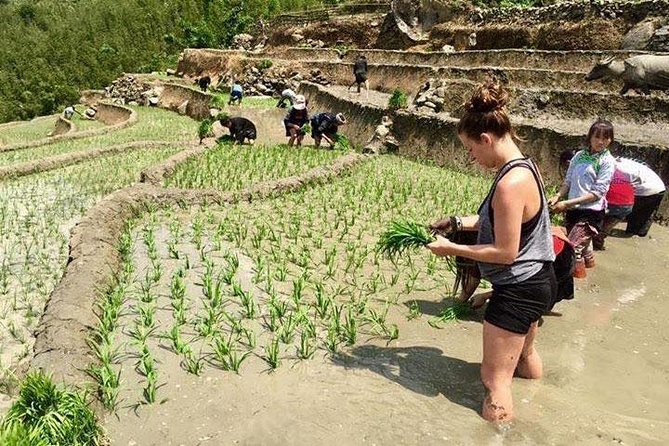
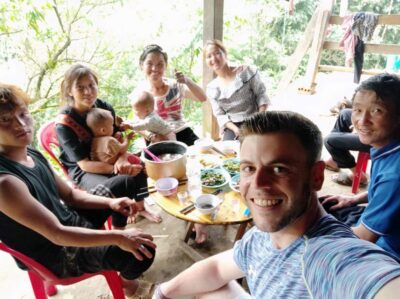
- Hands-on village life: Cooking with hosts and experiencing daily farm routines is part of the plan.
- Ta Van Village trekking focus: You’ll spend meaningful time walking through minority areas.
- Meals included as part of the value: Lunches and dinners with local food are scheduled in.
- Small group size (max 15): Easier pace and more personal help from your local guide.
- Hanoi–Sapa sleeper bus included: Fewer logistics means more time for the experience.
Why this Sapa tour feels different: homestay first, sightseeing second
Sapa can be a lot of things: misty viewpoints, market strolls, and bus tours that feel rushed. This one leans harder toward the human scale. The heart of the trip is two nights in a local people’s house, where you’re expected to participate—not just watch. That shift changes how you remember the days.
From the start, the trip is set up so you don’t need to manage connections. You’re picked up in Hanoi, placed onto a sleeper bus, and then guided through the Sapa region with a local English-speaking guide in Sapa (your host team). The maximum group size of 15 also matters. In a bigger crowd, homestay time can feel like a show. Here, it’s more likely to feel like you’re joining a family rhythm for a couple of days.
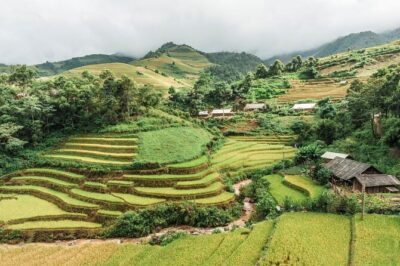
And yes, you’ll still see scenery—terrace fields, village paths, and rural views. But the “wow” isn’t only the postcard part. It’s also learning how people live day to day in the Sapa area, including working on fields and sharing meals.
More trails through the Sapa valleys
Price and value: why $98 can make sense here
At $98 per person for about 3 days, the first question is always: what are you paying for? In this case, you’re not just paying for a route. You’re paying for the parts that usually cost extra when you DIY: transportation from Hanoi and back, the homestay bed for two nights, meals across the schedule, and included entrance fees.
Here’s the value logic I see:
- Transportation is included with return Hanoi–Sapa–Hanoi by sleeper bus, plus air-conditioning and a blanket. That’s a big chunk of most independently planned budgets.
- Homestay is included for two nights in a local people’s house. That’s the main “experience purchase.”
- Meals are included as listed (local breakfast and lunches/dinners where scheduled). That reduces daily hassles after trekking.
- A local host/guide is included, with trekking and photo-taking time built in.
The one “cost” you should factor is effort. This is a trekking-style homestay experience, not a sit-in-a-van tour. So the real trade-off isn’t money—it’s energy.
Hanoi departure at 6:30am: the part you’ll either love or hate
Your day begins early. You’re asked to be at the pickup point at 6:30am in Hoàn Kiếm (near the Hanoi Old Quarter area). Bus staff pick up your group by name, then you transfer to the sleeper bus for the trip to Sapa.
This is one of those travel moments where the logistics can either irritate you or make your life easy. For me, it’s the “make it simple” approach. Instead of figuring out your own Sapa transport and then scrambling to meet a guide, you’re handed the plan from the first minute.
Two notes that matter:
- Pickup outside Hanoi Old Quarter is not included, so plan to start near the Old Quarter area.
- The tour is not recommended for people with physical difficulties, and it also notes not for travelers over 60. If morning wake-ups are tough for you, take that seriously.
Day 1: terrace fields, Sapa arrival, and your first village walk
Day 1 starts with transportation out of Hanoi, then you hit Sapa and begin the experience. After arrival, there’s time to get welcomed by the local guide and start the day’s rural focus.
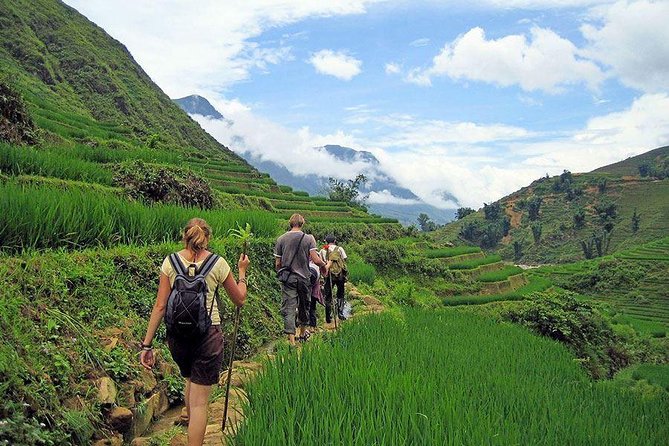
One key detail: you’ll do a 12km trekking segment through terrace fields to reach the homestay area. That’s a meaningful distance, especially on rural paths where footing can be uneven.
Then you’ll spend time in village areas such as Ta Van Village, walking through communities so you can understand how ethnic minority life works on the ground. The tone here is “simple house, simple life, real people,” with a feeling that makes you want to stay longer.
What to expect on the ground
- You’ll walk village-to-village with guidance from your host team.
- You’ll have photo-taking time during the route.
- The pace can be weather-dependent, which matters a lot in Sapa.
Potential drawback
If you’re not comfortable with a longer first-day trek, Day 1 can feel like a “sink or swim” moment. Give your guide a heads-up if you’re slower than average so alternatives can be arranged.
Ta Van Village: where the trip turns personal

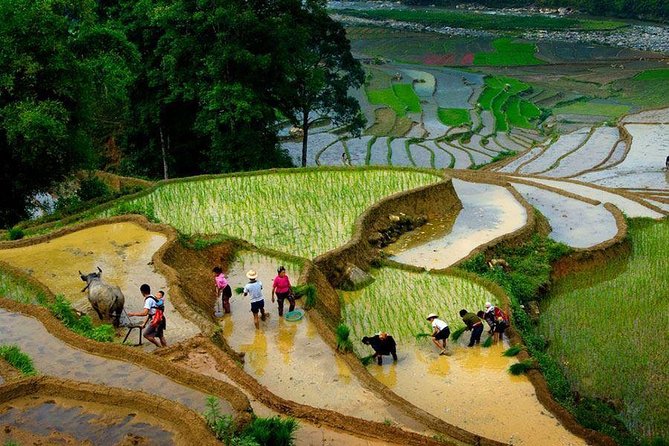
Ta Van Village is the tour’s anchor village area. The goal isn’t just to see houses; it’s to understand daily life—especially the work tied to the fields.
During the time spent here, you’re walking through village spaces where daily routines shape the scenery. You’re not asked to stay silent. You’re guided to learn, ask questions, and notice details that you’d miss if you only visited a market.
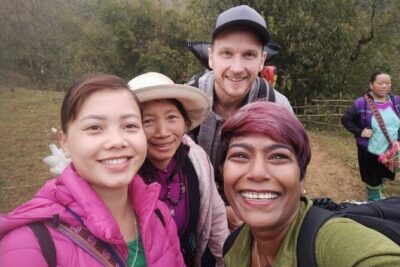
This is also where the homestay connection becomes real. Your hosts aren’t nameless background characters. In the reviews shared by past participants, host family warmth shows up again and again, including specific names like Mama Zuzu and Mama Letti. That kind of personal hosting changes the feel of the trip. You’re not just eating dinner; you’re sharing a meal with the people who live there.
Worth a glance beside this Hanoi pick:
- Amanda Cruise – Ha Long, Lan Ha Bay – All Inclusive 2D1N & 3D2N★ 5.0 · 4,358 reviews
- Halong Bay – Le Journey Cruises – All Inclusive 2D1N and 3D2N★ 5.0 · 2,500 reviews
- Hanoi: 3-Day Ninh Binh, Ha Long, & Lan Ha Bay 5-Star Cruise★ 4.8 · 1,401 reviews
Day 2: more trekking and field work learning
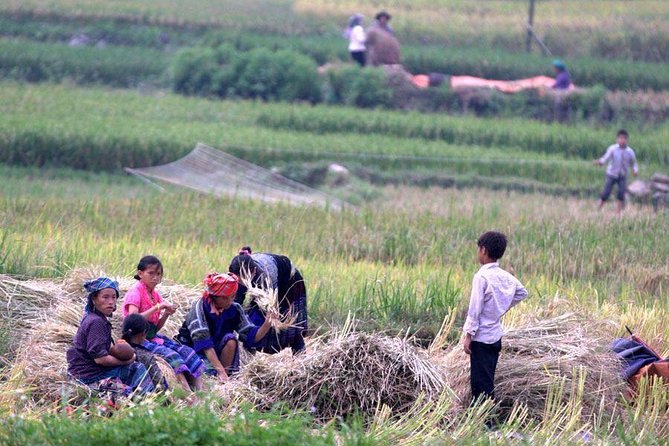
Day 2 keeps the focus on rural village life. After breakfast, the guide takes you trekking to another village area farther from the homestay.
This is the day where you’ll spend time seeing how local ethnic people work on fields. The experience description suggests learning how planting happens—rice, potato, and other crops depending on what’s going on. Even if you’re not doing full “farmer labor,” the idea is hands-on understanding: what gets planted, how people manage seasonal work, and what it looks like from inside the community.
From a traveler’s point of view, this is the day that usually separates a good tour from a great one. It’s not only the views—it’s the practical knowledge. You start connecting the landscape to the people’s calendars.
Your consideration here: Day 2 is still trekking. The tour is built for people who are okay with walking and changing elevations. If your knees, stamina, or balance are an issue, don’t wait until the first steep moment to mention it.
Day 3: waking with the host rhythm and optional bamboo views
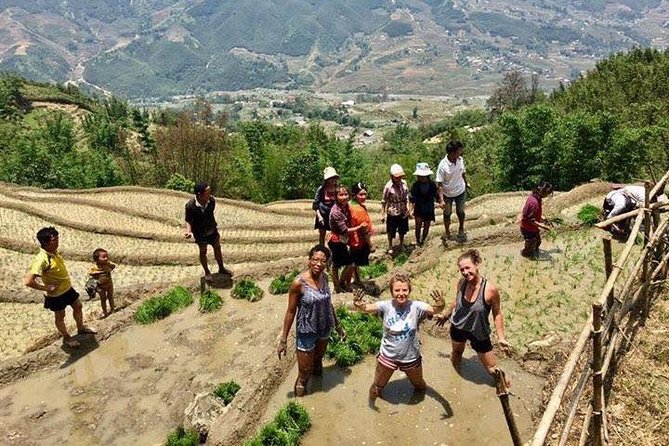
Day 3 starts gently compared with the full trekking day energy. You can wake early to see how hosts start a new day. Then there’s a cooking breakfast moment where you join together—again, this is one of the real “local” parts that feels more meaningful than a quick restaurant stop.
You also have options for additional exploration. The plan includes the possibility of trekking to further village and scenery through a bamboo forest route area. If you want an extra dose of nature and quiet, this is likely to be the most “Sapa-ish” moment of the third day without feeling like you’re only doing viewpoints.
Finally, you get on the sleeper bus back to Hanoi. You’ll return around 15:30 and arrive in the Old Quarter area around 21:30.
What the homestay is actually like (simple, but the point is connection)
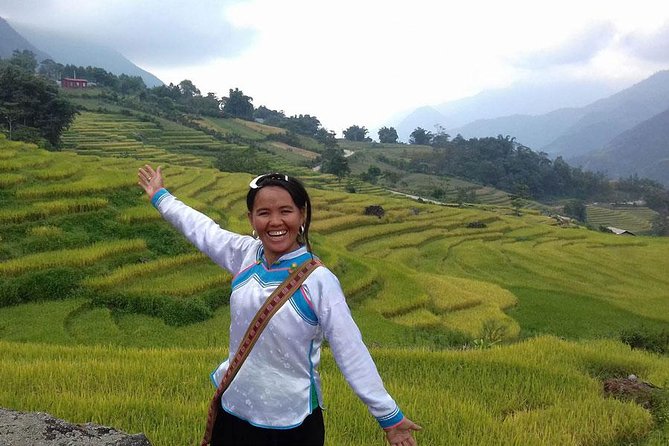
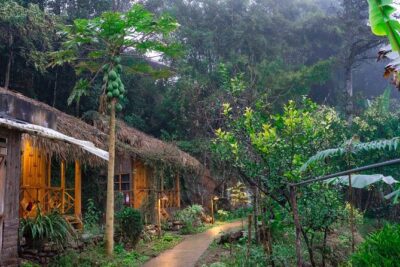
This is a homestay, not a hotel. Accommodation is in a local people’s house for two nights. The reviews emphasize that the place is simple, but it’s warm and familiar. The main value is not comfort level by resort standards; it’s relationship level—sharing meals, cooking together, and seeing how daily life runs.
The practical included items matter:
- You’ll have a blanket on the sleeper bus.
- The sleeper bus is air-conditioned.
- Entrance fees are included.
- Meals are scheduled across the trip (with breakfast/lunch/dinner as listed).
If you’re coming from Hanoi and expecting a polished room with predictable amenities, shift your mindset now. Think more along the lines of: a local home, a local family, and a warm welcome centered around the day’s activities.
Small group size (max 15) and the local guide factor
With a cap of 15 travelers, the group doesn’t feel like a conveyor belt. That usually means:
- Your questions get answered.
- It’s easier to adjust pacing if someone needs a break.
- Your guide’s local knowledge can actually show up while you’re walking.
You also get a local English-speaking tour guide in Sapa, described as a local host. That’s important because a rural homestay experience works best when you understand what you’re seeing. The tour also includes photo-taking time, which helps you capture memories without turning everything into a selfie session.
Logistics that make or break trekking tours
This tour has some standard pieces, but they’re worth noting because they affect your comfort.
Trekking distance and pace
- Day 1 includes a longer 12km terrace field trek.
- Other days include trekking through villages and areas farther from the homestay.
Health and mobility
The experience is not recommended for travelers over 60 and not recommended for people with any physical difficulties. If you’re in that zone, don’t treat the warning as fine print.
Weather reality
Sapa weather can change quickly, and that can affect what paths feel like on the day. You’ll get more enjoyment if you pack for the “wet and cool” possibility and you tell your guide your comfort level early.
Meals included: why it’s more than just saving money
The tour includes Vietnamese meals throughout, with specific breakfasts, lunches, and dinners listed. That matters because in a village homestay setting, food is part of the culture you’re there to experience.
Even better, the schedule includes cooking with hosts. That’s a direct way to understand local ingredients and daily kitchen rhythms. It also turns meals into an event—something you share with the family rather than something you rush through.
You’re also less likely to get stuck hunting for food on days when the trekking has a way of draining your energy.
Travel insurance and what’s not covered
One of the biggest practical reminders in the experience notes is: get travel insurance before you go. Travel insurance isn’t included, and trekking plus rural transit means you should be covered for more than just lost luggage.
Also note that:
- Visa for Vietnam is not included.
- Tips and personal expenses aren’t included.
If you’ve never bought insurance for a trekking itinerary, this is a case where it’s worth taking seriously.
Who should book this Sapa homestay trek
This tour is a good match if you:
- Want a real homestay experience in Sapa, not only viewpoints.
- Enjoy walking and you’re comfortable with rural paths.
- Like learning from local people, including cooking and farm life.
- Prefer a small group (max 15) with an English-speaking local guide.
It’s not a great match if you:
- Have mobility limitations or need a very easy itinerary.
- Are over 60, since it explicitly notes it’s not recommended.
- Expect a low-effort sightseeing schedule.
Practical tips so you enjoy the walk more
A few simple moves make the biggest difference:
- Wear proper footwear for trekking days. Village paths can be uneven.
- Tell your guide early if you need a slower pace. The experience is built around trekking, so communication helps.
- Plan for cool conditions. Even if the day starts mild, temps can shift in the Sapa region.
- Keep your daypack light. You’ll be walking enough that extra weight turns into fatigue.
Also: be ready for early mornings. The 6:30am start in Hanoi is part of the trade-off for having a guided, logistics-light experience in the countryside.
Should you book this 3-day Sapa Real Experience at Local People House?
If you want Sapa that feels human—meals shared, cooking with hosts, and village walks with a real local guide—this is the kind of tour that usually delivers. The best reason to book is the combination of homestay (two nights) plus included meals and included transport from Hanoi, all wrapped into a small group setup.
I’d only hesitate if you’re sensitive to trekking distances or need an accessibility-friendly plan, because the schedule includes a longer first-day walk and the experience explicitly warns against physical difficulty. If you’re fit enough and curious enough, you’ll likely come away with stories that aren’t just about views—they’re about people, work, and daily life in Sapa.
FAQ
How much does the 3-day Sapa experience cost?
It costs $98.00 per person.
How long is the tour?
The duration is about 3 days.
Is round-trip transportation from Hanoi included?
Yes. Return transportation Hanoi–Sapa–Hanoi by sleeper bus is included.
What meals are included?
Meals are included as mentioned in the plan: breakfast (2), lunch (3), and dinner (2) with local food, plus cooking with the host.
Where is the pickup point in Hanoi?
The listed start point is in Hoàn Kiếm near the Hanoi Old Quarter area at 166 Đ. Trần Khánh Dư. Start time is 6:30am.
Is pickup outside the Old Quarter included?
No. Pick up and drop off outside Hanoi Old Quarter is not included.
How many people are in the group?
The tour has a maximum group size of 15 travelers.
Is travel insurance included?
No. Travel insurance is not included, and you’re advised to get it before you go.
Who should avoid this tour based on age or mobility?
It is not recommended for travelers over 60 and not recommended for those who have any physical difficulties.
More 3-Day Experiences in Hanoi




More Tour Reviews in Hanoi



More Sapa Treks We Walked
Latest Hanoi write-ups from our team





Sapa Trekking Tours, compared.
 ★ 5.0Sapa 2 Days 1 Night From Hanoi – Overnight in Ta Van VillageFrom $592,669 reviews
 ★ 5.0Hanoi – Sapa 2 Days 1 Night Overnight At HomestayFrom $89899 reviews
 ★ 5.0Sapa: Fansipan Cable, Cat Cat Village & Moana Instagram TourFrom $30777 reviews
 ★ 4.8From Hanoi: 2-Day Sapa Trekking Trip with Homestay & MealsFrom $71704 reviews
 ★ 5.0Sapa 3 Days 2 Nights Trekking Tour (1 Night In Ta Van Village, 1 Night In Hotel)From $139699 reviews
 ★ 5.03-Day Trekking Adventure of Sapa from Hanoi – Stay Ta Van VillageFrom $109611 reviews
 ★ 4.82-Day Sa Pa Ethnic Homestay Tour & Trek with Limousine Bus440 reviews
 ★ 5.0Sapa 2 Days 1 Night From Hanoi – Overnight in HotelFrom $89440 reviews
Browse the lists this tour appears in