
Reviewed · SAPA TREKKING TOURS
2-Day Trekking in Sa Pa from Ha Noi by sleeping bus
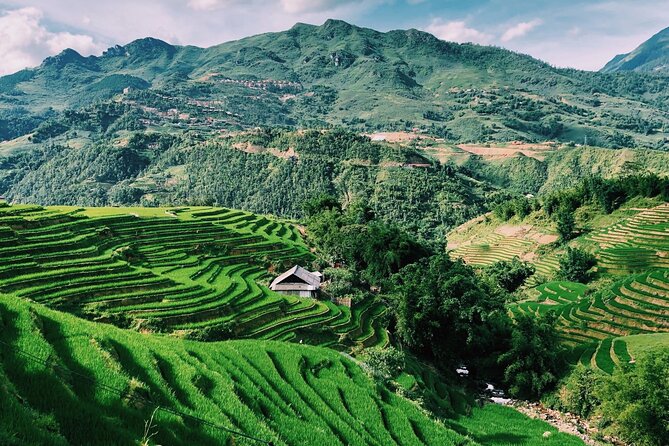
Sapa hits different when you spend real time away from the main drag. This 2-day trek pairs a Hanoi sleeping bus ride with guided walks through Muong Hoa valley rice terraces and village trails, ending with an overnight stay in Ta Van. You’re not just collecting viewpoints—you’re moving through the places locals actually live and work.
What I like most is the focus on small groups (max 10) and local H’mong experts who guide the route. I also like that the day plan is built around multiple villages—Y Linh Ho, Lao Chai, Ta Van, and more—so the experience feels like a journey through culture and scenery, not one long photo stop.
A heads-up: this is a trek with moderate walking, and you’re dependent on weather since the tour requires good conditions. If rain makes trails slippery, the whole plan may change or shift dates.
In This Review
- Key highlights worth knowing
- Hanoi sleeper bus to Sapa: the timing game that actually works
- How the guide experience shapes the trek (and why names matter)
- Day 1 from Sapa into Muong Hoa valley: Y Linh Ho and Lao Chai
- Stop: Y Linh Ho (about 1 hour)
- Stop: Lao Chai (about 1 hour)
- Ta Van village overnight: Giay stilt houses, dinner, and real village time
- What “homestay night” really gives you
- Day 2: Bamboo forest, Red Dao village customs, and Su Pan views
- Bamboo forest path (about 1 hour)
- Giang Ta Chai village (about 1 hour)
- Su Pan (about 1 hour)
- Included meals, bottled water, and what you’ll still want to plan for
- Price and value: is $89 worth it for a Hanoi-to-Sapa trek?
- Who should book this trek (and who should rethink it)
- Weather, comfort, and safety: practical planning for a two-day hike
- Should you book Saigonese Trekking House’s Sapa trek?
- FAQ
- How long is the trek?
- Where do I meet the tour, and where do you drop me off?
- What time does the tour start?
- What’s included in the price?
- What is not included?
- Is this trek suitable for beginners?
- How large are the groups?
- What happens if the weather is bad?
- Can I cancel for a full refund?
Key highlights worth knowing
- Small group size (up to 10) keeps the pace human and the guide easy to ask questions
- H’mong-guided routes take you toward villages many people never reach
- Ta Van homestay night means shared meals, stories, and the rhythm of village life
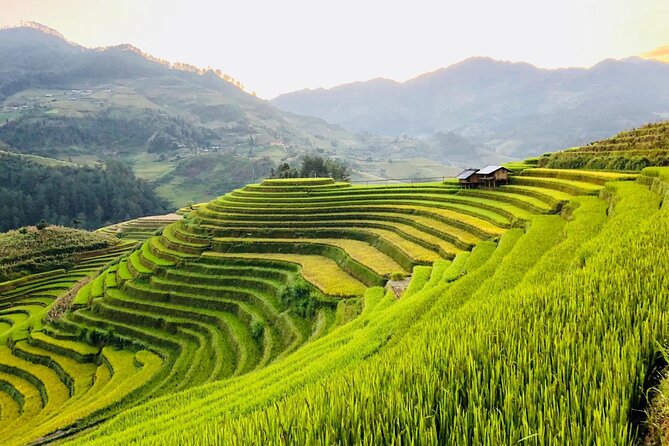
- Muong Hoa valley villages like Y Linh Ho and Lao Chai add depth beyond Sapa town
- Red Dao and Giay communities give you more than scenery—you learn how people live
- Included basics (water, lunch, breakfast, entrances) reduce the hassle of budgeting day-to-day
Hanoi sleeper bus to Sapa: the timing game that actually works
This trip is designed to work with a classic Vietnam travel rhythm: you start with a sleeping bus from Hanoi and reach Sapa the next morning. The tour runs about 23 hours to 1 day (approx.), so plan your expectations around a fast, packed schedule rather than a slow vacation pace.
One practical win is that you’re not losing a full day to transportation. You roll off the bus, meet your guide at the station, and start walking. That means your first day already feels like trekking time, not just “arrive and figure things out.”
The trade-off is exhaustion. A sleeper bus is comfortable enough for many people, but you’ll still want to treat the first hours in Sapa like an active transition day. If you prefer to take things gently, this route may feel intense—but if you like getting outside quickly, it’s a smart format.
More trails through the Sapa valleys




How the guide experience shapes the trek (and why names matter)
This tour is guided by local H’mong experts who know the trails and the communities along the way. That matters because Sapa walking can turn into a random shuffle if your route is generic. Here, you’re guided through multiple villages and connected paths, with enough context to help you understand what you’re seeing.
The real quality shows up in the way guides handle people and questions. In past experiences with Saigonese Trekking House, guides named Sisi and Dzi were praised for being accommodating, patient, friendly, and knowledgeable about the tribes and local economy. Even if you’re not the type who asks a lot, a guide who explains small things—why a path is where it is, what a village is known for—changes how you experience the trek.
Also, your group size stays under 10. That’s not just a comfort detail. It helps with pacing on narrow paths, makes it easier to hear instructions, and gives you time for quick conversations without feeling rushed.
Day 1 from Sapa into Muong Hoa valley: Y Linh Ho and Lao Chai
The first part starts with a meeting at the bus station once you arrive in Sapa. Then you head into the first trek segment—about 5 hours—before reaching village stops. This is the part of the day where you’ll feel the “moderate fitness” note. The time includes walking between places, and you should expect changing terrain as you leave the town area.
Stop: Y Linh Ho (about 1 hour)
Y Linh Ho sits in the Muong Hoa valley area and is described as peaceful and scenic. This is a good “settling in” stop. You get a break from continuous hiking while still staying in trekking mode. It’s also the kind of village stop that helps you shift from viewing Sapa as a town to seeing it as a valley system of communities.
What to consider here: since it’s a shorter segment, you may not get a long, deep conversation at every stop unless you ask. If that’s important to you, bring curiosity—ask what daily life looks like, or what visitors usually misunderstand.
Stop: Lao Chai (about 1 hour)
Lao Chai is about 7 km southeast of Sapa town and sits in a deep Muong Hoa valley. This stop is a classic Sapa village style: layered views, terrace edges, and a setting where the mountains close in around daily life.
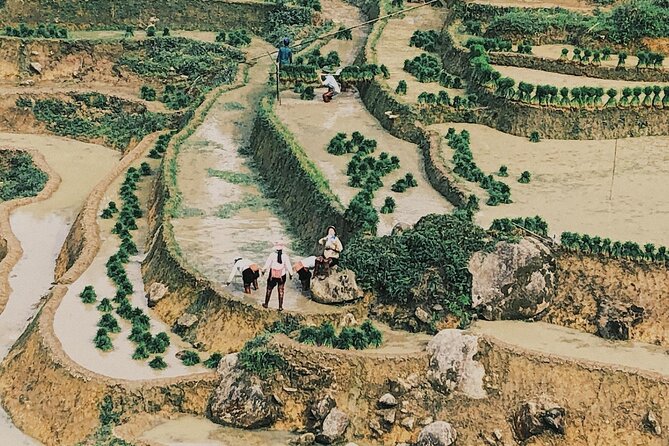
This is where many people start noticing how the valley shapes everything—walking paths, farming, even how villages connect to each other. If you like photography, you’ll have chances, but the bigger payoff is understanding the village positioning rather than just snapping a single view.
Worth a glance beside this Hanoi pick:
- Halong Bay Full Day with Kayaking, Hiking viewpoint, Cave – Deluxe To Luxury★ 5.0 · 884 reviews
- From Hanoi: 2-Day Sapa Trekking Trip with Homestay & Meals★ 4.8 · 704 reviews
- Sapa 3 Days 2 Nights Trekking Tour (1 Night In Ta Van Village, 1 Night In Hotel)★ 5.0 · 699 reviews
Ta Van village overnight: Giay stilt houses, dinner, and real village time

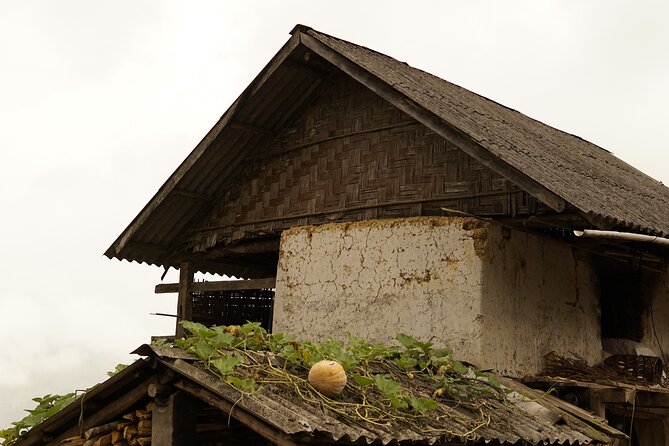
After the first day’s hiking and village stops, you shift into the Ta Van experience. Ta Van is associated with the Giay minority group and is known for warm hospitality and stilt houses by the river. The tour includes an overnight stay in a family-run homestay, which is a major difference between this trek and cookie-cutter day tours.
What “homestay night” really gives you
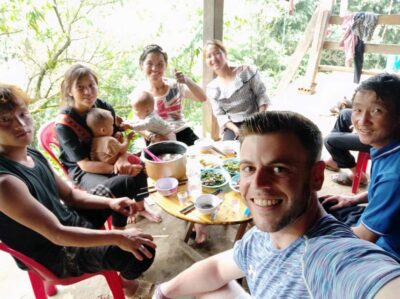
You’re not just changing beds. You’re spending evening time with your hosts—sharing dinner and stories, which makes the whole trip feel more human. Even if you don’t share the same language, the flow of the night can be the most memorable part: the pace slows, you hear how people describe their lives, and you realize the valley isn’t a backdrop—it’s home.
One practical consideration: the included meal list specifies lunch and breakfast, but the experience description also points to dinner with the family. If you have dietary needs, you’ll want to confirm what’s covered for you.
Also, remember the trek already starts early and stays active. The homestay night helps you reset, but don’t expect a full “vacation sleep-in” the next morning.
Day 2: Bamboo forest, Red Dao village customs, and Su Pan views

Day 2 continues the trekking loop and adds variety. You move from village to village with short but meaningful segments, including bamboo shade and deeper valley paths.
Bamboo forest path (about 1 hour)
The route through a bamboo forest connects Giang Ta Chai to Su Pan. This is your recovery-with-a-view segment. Bamboo shade makes a real difference compared to exposed trails, and it breaks up the hard parts of walking.
Even better: you’re not just walking for distance. You’re walking through a corridor that shapes the soundscape and light. Expect the pace to feel different here—more muted, more shaded, and often less stressful than open-sun stretches.
Giang Ta Chai village (about 1 hour)
Giang Ta Chai is associated with the Red Dao people and sits deeper in the valley, with bamboo forests and waterfalls mentioned in the description. This stop is more than a photo break. You learn about traditional herbal medicine and Red Dao customs.
This is the sort of cultural stop that’s easy to skim if your guide rushes. The upside is that guides on this tour are described as knowledgeable and patient, which tends to mean better explanations and less “stand here, move on.”
Still, one thing to manage: herbal medicine discussions can be different from what you’re used to, so keep an open mind and ask questions if something is unclear.
Su Pan (about 1 hour)
Su Pan is a quieter village with panoramic views of terraced fields and rugged mountains. This is the “take it in” moment. After two days of movement, it’s where you’ll appreciate how the valley layers—fields, ridgelines, and village dots—fit together as one system.
Then you return to Sapa by motorbike or car for comfort. That part matters because you’re not walking back to town. You get to recharge before the bus ride.
Included meals, bottled water, and what you’ll still want to plan for
The tour includes bottled water, lunch, and breakfast, plus entrance tickets. That’s helpful because Sapa treks can come with extra “small” costs that add up when you’re tired.
Here’s how the included items usually affect your day:
- Water helps you avoid frequent stops for drinks during hikes.
- Lunch and breakfast reduce the need to hunt for food while your energy is focused on walking.
- Entrance tickets mean you don’t have to negotiate or re-check fees at each stop.
What’s not included is insurance and tips. Insurance isn’t glamorous, but it’s a smart add-on for a trek where you’re moving through uneven paths. Tips are optional in theory, but in practice, guides and drivers work hard for small groups, so you’ll likely budget something.
Also, the homestay dinner is mentioned in the experience description, but since the included list doesn’t explicitly state dinner, treat it as “part of the cultural evening” rather than assuming it’s a fully itemized package unless you confirm when booking.
Price and value: is $89 worth it for a Hanoi-to-Sapa trek?

At $89 per person, the price can feel either like a bargain or a gamble—depending on what you think a trek should include.
Here’s the value logic:
- You’re getting a round-trip sleeping bus between Hanoi and Sapa.
- You also get transfers in Sapa (motorbike or car after trekking).
- The day includes multiple village stops with entrance tickets, plus water and meals.
What you’re paying for is not just hiking distance. You’re paying for guidance by local H’mong experts, cultural context at several points, and reduced stress in routing. That’s why the small group size matters. With max 10 people, it’s less likely you’ll feel like a numbered body moving through checkboxes.
If you’re the kind of traveler who prefers DIY travel, you might be able to stitch together similar routes. But you’d still need local knowledge for smooth connecting trails, and you’d lose the homestay cultural time unless you already know the right contacts.
In short: if you want a real Sapa valley experience without planning every step, this price can be solid.
Who should book this trek (and who should rethink it)

This is a great fit if:
- You’re comfortable with moderate physical fitness and a full walking schedule.
- You want more than Sapa town and want village life in places like Ta Van, Y Linh Ho, and Lao Chai.
- You value guides who can explain tribes, customs, and local economy (Sisi and Dzi have earned that reputation).
- You like small groups and a paced itinerary where questions don’t get dismissed.
You may want to reconsider if:
- You dislike early starts and long days. The schedule is active, and the sleeping bus adds tiredness.
- You get anxious about weather. The trip requires good conditions, and plans may be adjusted or dates changed if weather turns.
Weather, comfort, and safety: practical planning for a two-day hike
The tour requires good weather. That doesn’t mean you’ll always have perfect skies, but it does mean you shouldn’t treat this like a guaranteed walk no matter what. If conditions are poor, the tour may be canceled and you’ll be offered another date or a full refund.
For comfort, remember you’ll be hiking multiple segments and also doing an overnight stay. Bring a mindset that expects:
- uneven footing and valley paths
- a need to rest when breaks come
- a return to Sapa by vehicle before the bus home
One more practical note: insurance is not included. That’s worth considering, especially when you’re away from town and moving along trails.
Should you book Saigonese Trekking House’s Sapa trek?
If your goal is to see Sapa as a living valley—not a single town—you’ll likely be happy with this trek. The combination of village-to-village walking, an overnight Ta Van homestay, and guided context gives it real substance for the money.
My recommendation: book it if you’re okay with moderate hiking and you’re traveling when the forecast looks decent. If you’re chasing comfort over effort, or you’re easily frustrated by weather changes, you might prefer a lighter day tour.
FAQ
How long is the trek?
The total duration is about 23 hours to 1 day (approx.), including walking time between Sapa and the villages, plus the return journey back to Hanoi late at night.
Where do I meet the tour, and where do you drop me off?
You start at Saigonese Trekking House, 02 Nguyễn Chí Thanh, TT. Sa Pa, Sa Pa, Lào Cai. After the trekking trip, a car or van drops you back in Sapa town at the provider’s office.
What time does the tour start?
The start time is 7:00 am.
What’s included in the price?
The price includes entrance tickets, bottled water, lunch, and breakfast.
What is not included?
The tour does not include insurance or tips.
Is this trek suitable for beginners?
It’s best for travelers with moderate physical fitness, since the itinerary includes several walking segments and trekking between villages.
How large are the groups?
The tour has a maximum group size of 10 travelers.
What happens if the weather is bad?
This experience requires good weather. If it’s canceled due to poor weather, you’ll be offered a different date or a full refund.
Can I cancel for a full refund?
Yes. You can cancel up to 24 hours in advance for a full refund.
More Hiking & Trekking in Hanoi


More Tour Reviews in Hanoi





More Sapa Treks We Walked

Latest Hanoi write-ups from our team






Sapa Trekking Tours, compared.
 ★ 5.0Sapa 2 Days 1 Night From Hanoi – Overnight in Ta Van VillageFrom $592,669 reviews
 ★ 5.0Hanoi – Sapa 2 Days 1 Night Overnight At HomestayFrom $89899 reviews
 ★ 5.0Sapa: Fansipan Cable, Cat Cat Village & Moana Instagram TourFrom $30777 reviews
 ★ 4.8From Hanoi: 2-Day Sapa Trekking Trip with Homestay & MealsFrom $71704 reviews
 ★ 5.0Sapa 3 Days 2 Nights Trekking Tour (1 Night In Ta Van Village, 1 Night In Hotel)From $139699 reviews
 ★ 5.03-Day Trekking Adventure of Sapa from Hanoi – Stay Ta Van VillageFrom $109611 reviews
 ★ 4.82-Day Sa Pa Ethnic Homestay Tour & Trek with Limousine Bus440 reviews
 ★ 5.0Sapa 2 Days 1 Night From Hanoi – Overnight in HotelFrom $89440 reviews
Browse the lists this tour appears in