Reviewed · HANOI
Vietnam War: Uncovering Hanoi’s Untold Stories
A Vietnam War walk with real street texture. In about 2.5 hours, this Hanoi experience connects the planned economy, broken lives, and the quieter history behind famous sites you’ve probably seen from afar. It’s built as a conversation with local context, not a slideshow, and it takes you into neighborhoods most guides skip.
What I like most is the way it blends heavy topics with practical human details—veteran stories in Duờng Tau and everyday survival in Chợ Giời. Second, the format feels easy to follow: short stops, time to ask questions, and coffee/tea to reset your brain before the next scene.
One consideration: this is not a light history stroll. You’ll be looking at war trauma and its aftermath, including the Agen Orange legacy, so go in ready for an emotional subject.
In This Review
- Key moments that make this tour worth your time
- Getting your bearings at 24 P. Chùa Vua
- Duờng Tau: veterans, daily life, and a quieter kind of history
- Kham Thiên B52 Memorial: remembering with context, not just a photo stop
- Chợ Giời: the black market after the war and the survival economy
- Hanoi Train Street community: seeing how the city keeps moving
- The walking rhythm and the small-group advantage
- Coffee and private transportation: small costs, big comfort
- A note on the donations: why your fee has a second purpose
- Who this tour is best for (and who should think twice)
- Should you book Vietnam War: Uncovering Hanoi’s Untold Stories?
- FAQ
- How long is the Hanoi Vietnam War tour?
- What does the tour cost?
- Where does the tour start and end?
- Is the tour fully guided, and how is it taught?
- How many people are in a group?
- Are food and transportation included?
- Do I need to pay for entry fees at each stop?
- Is the tour refundable if my plans change?
- Can I bring a service animal?
Key moments that make this tour worth your time
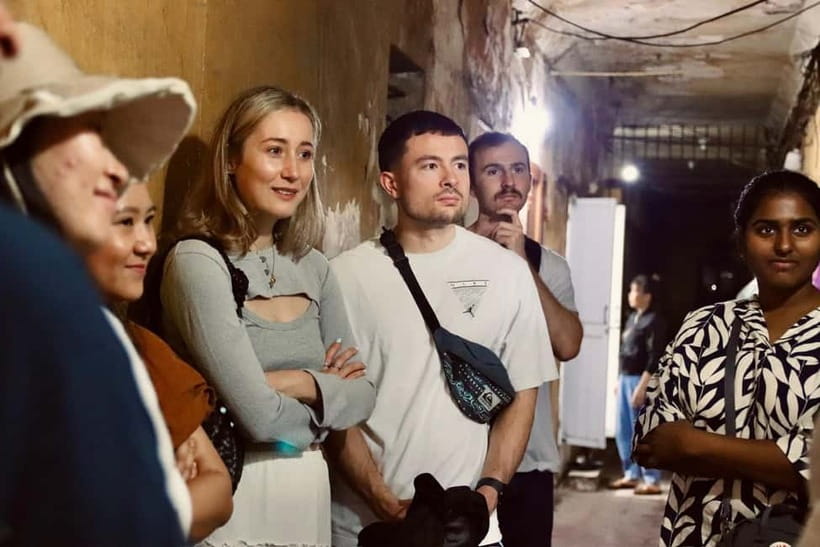
- Duờng Tau (about 30 minutes): veteran-linked stories that explain what war did to daily life
- Kham Thiên B52 Memorial (about 15 minutes): more than photos, more than a quick stop
- Chợ Giời (about 1 hour): how a secret economy and local ingenuity helped people cope after the fighting
- Hanoi Train Street community: a chance to see how daily life adapts in tight urban spaces
- Guides like Dung, Kien, and Thomas: consistently praised for friendly, first-hand context and solid storytelling
- 20% of profit donated to support Agen Orange/Dioxin victims and Blue Dragon’s Children Foundation
Getting your bearings at 24 P. Chùa Vua
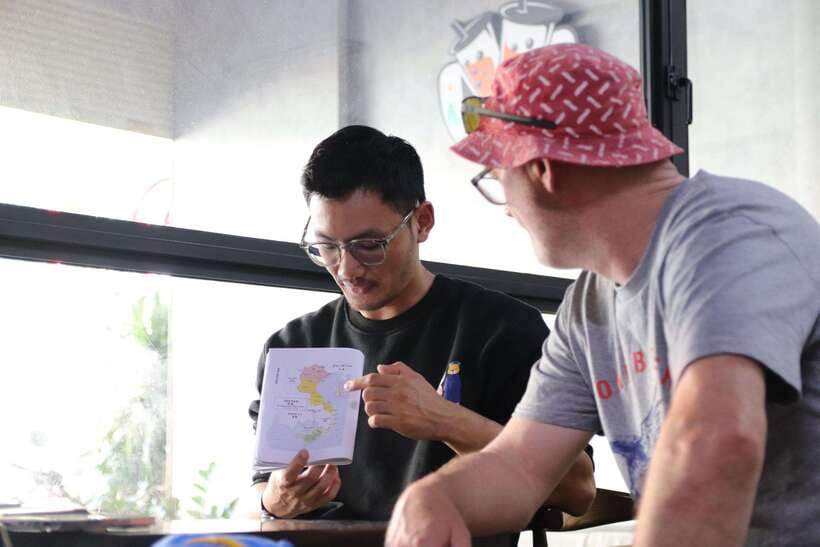
The tour starts at 24B P. Chùa Vua, Phố Huế in central Hanoi. I like this opening because it’s not straight into crowds and conflict. You begin with a sit-down conversation led by a local expert, giving you the timeline and vocabulary before you walk the streets.
That matters. Without context, memorials can feel like isolated monuments. With it, they start to connect: why people moved, how the North and South experienced different realities, and what unification meant in everyday life—right down to how neighborhoods functioned afterward.
You’ll also get a clear sense of the route flow. Expect a short taxi ride halfway through, then more walking at a moderate pace. The total time is around 2 hours 30 minutes, and the group stays small with a maximum of 10 travelers, which helps the conversation feel real.
Not sure yet? See how this one sits next to a few Hanoi favourites.



Duờng Tau: veterans, daily life, and a quieter kind of history
Stop 1 is Duờng Tau, and it’s designed as a rest-and-context stop. The emphasis here is on stories from veterans and the lives of local people around that period. It’s also where the tour gives you a breather after you’ve been orienting yourself.
What makes Duờng Tau work on the ground is the tone. Instead of turning history into a checklist of dates, you’re hearing how people endured—what changed, what disappeared, and what people did just to get through the day. In a city where grand monuments can dominate your first impressions, this stop redirects your attention back to humans.
Practical note: the tour says moderate physical fitness is recommended. Duờng Tau is still part of a walk-and-transit experience, so wear shoes that handle uneven sidewalks and take your time.
Kham Thiên B52 Memorial: remembering with context, not just a photo stop
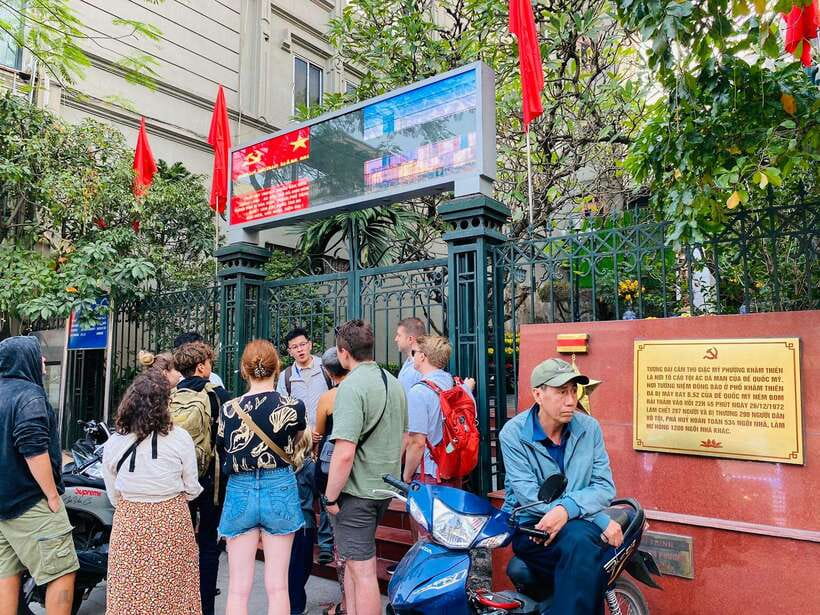
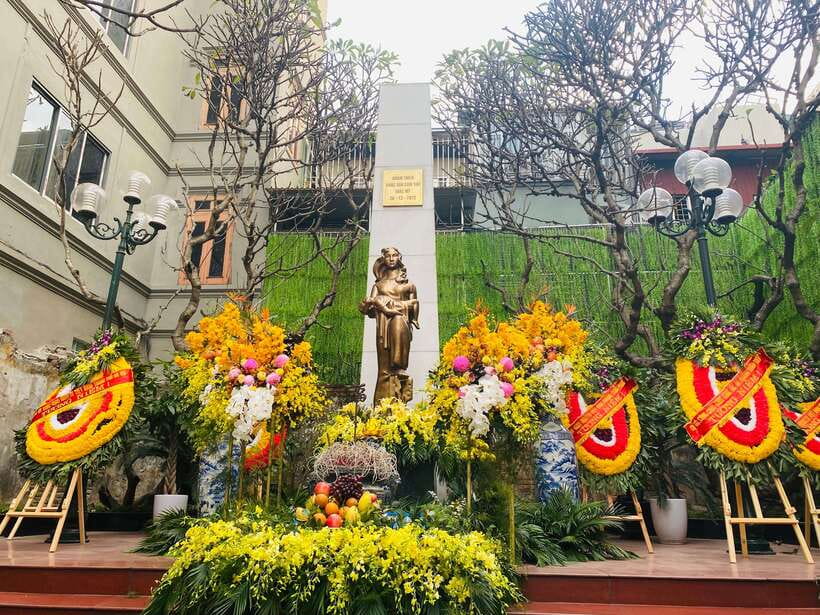
Next you head to Kham Thien, specifically the B52 memorial. This is one of the shorter stops (about 15 minutes), but it’s also framed as more than a memorial visit. The idea is to reflect on what happened and, crucially, to learn from it—so you understand why the site matters today, not only what occurred back then.
If you’ve ever done “hit-and-run” memorial tourism, you’ll appreciate the pacing here. A short visit can still be meaningful when the guide sets the context first and encourages you to notice what the memorial is trying to teach.
Another value point: access is listed as admission free for this stop. In a tour priced at $37 per person, it’s one of the places where you’re getting strong educational weight without adding extra entry fees.
Chợ Giời: the black market after the war and the survival economy
Chợ Giời is the kind of place you’d miss if you only follow postcard routes. It’s presented as a historic black market, and the focus is the war’s aftermath: how people built a secret economy to survive under the constraints of the time.
I like that the tour treats Chợ Giời as more than a “cool” neighborhood story. It connects the planned economy and real shortages to everyday creativity—how locals adapted when official systems didn’t meet human needs. That’s a bigger lesson than you might expect from a single street market.
This stop lasts about 1 hour, giving time for the story to breathe rather than rushing past storefronts and lanes. If you’re a history buff, this is the part that often feels the most “lived-in.” You see how policy and politics translated into real choices: trading, bartering, and informal networks that kept families afloat.
Also, it’s admission free here, which is nice when you’re trying to keep costs under control while still getting depth.
Hanoi Train Street community: seeing how the city keeps moving
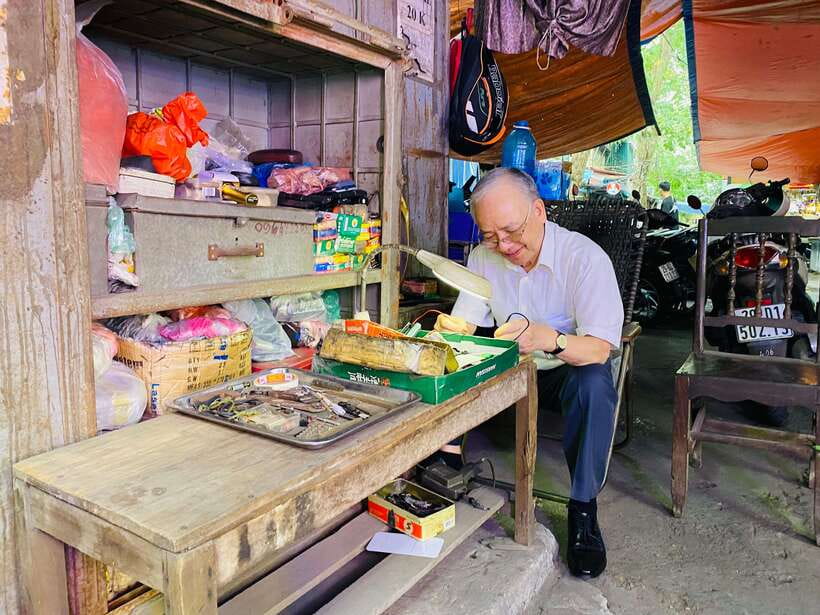
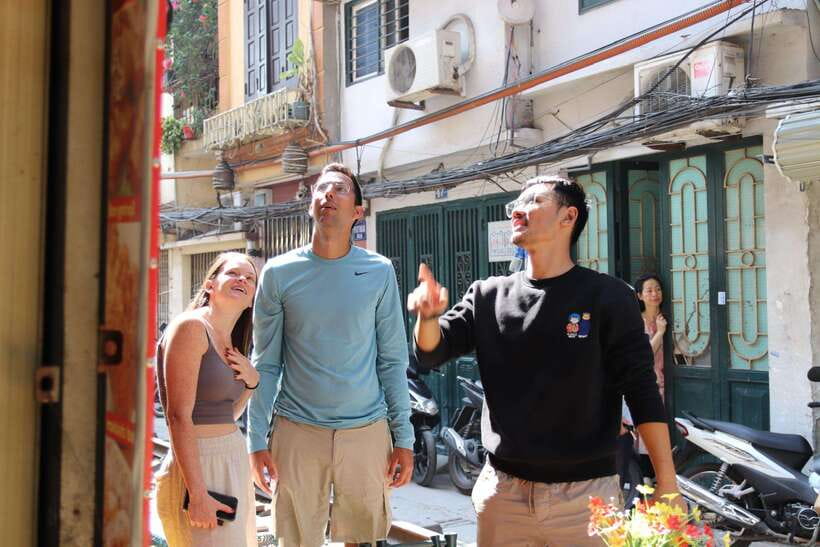
The tour also includes time for the Hanoi Train Street community. Even without a big museum feel, this kind of stop can be powerful because it shows adaptation in cramped urban realities—how people organize daily life when space is tight and infrastructure is close.
I find this complements the war theme in a subtle way. War isn’t just a past event; it shapes urban patterns, housing pressures, and the way neighborhoods evolve. Seeing daily life near train tracks helps you connect the dots between history and what you can still observe now.
One reason this stop works inside a guided experience: you’re not just looking at an area. You’re understanding what you’re seeing through a local expert’s lens.
- Hanoi Motorbike Tour: Food, Culture and Fun by Vintage Motorbike★ 5.0 · 6,699 reviews
- Hanoi: Guided Food Tour with Train Street Visit★ 4.9 · 6,239 reviews
- Hanoi Cooking Class: Culture, Local Market & Meaning CSR Impact★ 5.0 · 5,147 reviews
The walking rhythm and the small-group advantage
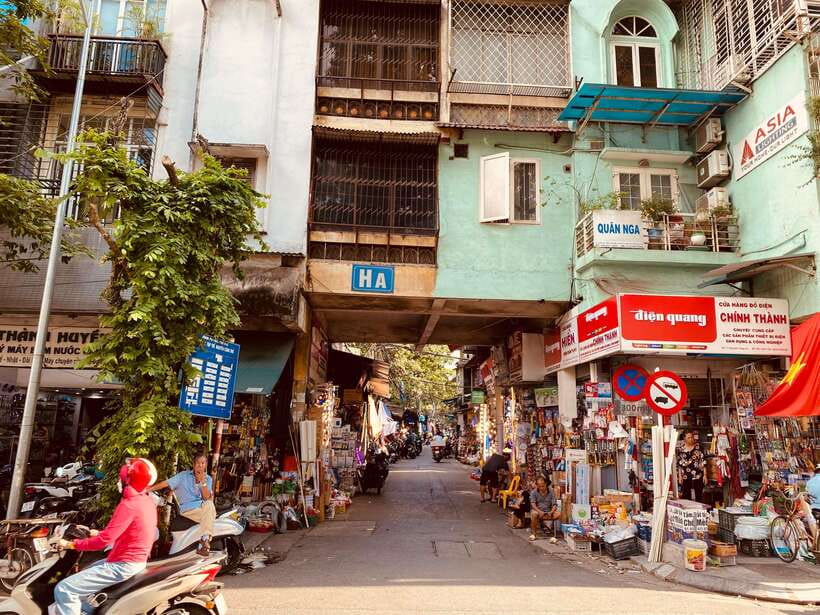
The full stroll runs for about 2.5 hours with a short taxi ride halfway through. That structure is smart in Hanoi. You get enough walking to feel the neighborhoods and enough transit to avoid turning the tour into a stamina contest.
With a maximum of 10 travelers, it’s also easier to ask follow-up questions. In the reviews, guides like Dung, Kien, and Thomas get repeated praise for being friendly, knowledgeable, and able to share an insider view rather than just reciting facts. That style matters here because the material can’t be handled with a one-way lecture.
You’ll likely feel the conversation ebb and flow. Some parts are reflective (memorial time), some are analytical (economy and survival), and some are simply observational (neighborhood life). The pace supports all three.
Coffee and private transportation: small costs, big comfort
This tour includes coffee and/or tea, which sounds basic until you’re dealing with heavy topics. It’s a quick reset. You sit, you get context, and you can rejoin the street with clearer focus.
It also includes private transportation. That typically means less waiting and less “figure it out” friction than a shared ride, especially when you’re crossing between areas outside the densest tourist zones.
At $37 per person, you’re paying for more than guiding. You’re paying for:
- a planned sequence of stops (so the stories connect),
- a small group size,
- a short taxi transfer,
- and an expert who can explain why places matter beyond what’s on the street.
A note on the donations: why your fee has a second purpose
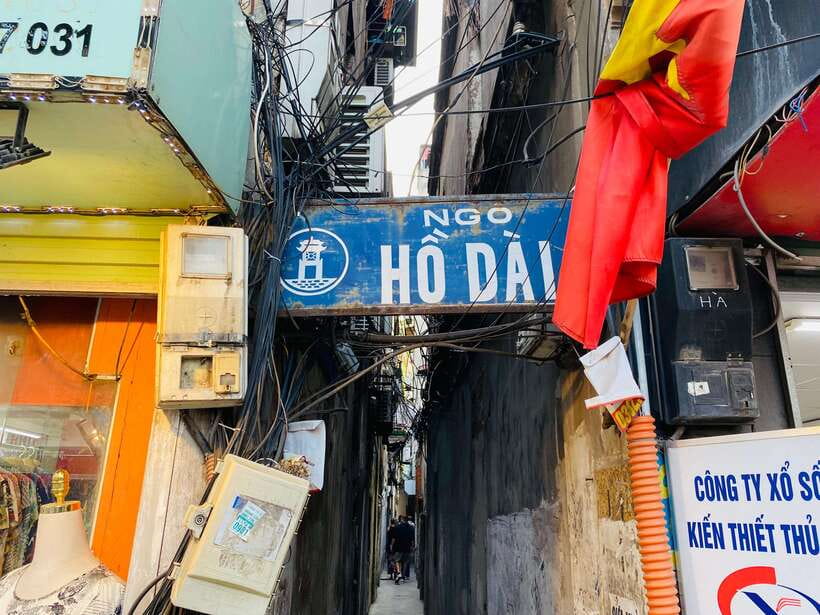
A clear part of the tour’s mission is that 20% of the profit is donated to the Vietnam Association for Victims of Agen Orange/Dioxin and the Blue Dragon’s Children Foundation.
That doesn’t erase the fact that this is a history experience about suffering. But it does mean your payment ties to ongoing support for people affected by the consequences of that era. If you care about responsible tourism—where your money doesn’t vanish into marketing—that detail is worth factoring into your decision.
Who this tour is best for (and who should think twice)
This fits best if you want a Hanoi Vietnam War experience that goes beyond iconic landmarks. If you like understanding how politics and economics shaped daily life, you’ll probably feel at home here—especially with stops like Chợ Giời that explain survival under the planned economy.
It’s also a strong choice for people who enjoy questions and discussion. The tour is described as more of a conversation than a lecture, and the feedback highlights guides who bring first-hand experience and insider storytelling.
Think twice if you only want upbeat sightseeing. This is a tour where war impacts the mood, and you’ll encounter memorial context and aftermath stories. The city will still be Hanoi—streets, neighborhoods, daily life—but the subject matter is serious.
Should you book Vietnam War: Uncovering Hanoi’s Untold Stories?
I’d book it if you want history that feels connected to real neighborhoods, not just plaques. The combination of Duờng Tau (veteran stories), Kham Thiên (B52 memorial with interpretation), and Chợ Giời (survival economy) is a strong three-part arc: why the war happened, what it did, and how people lived afterward.
Also, the small group (up to 10) and the consistently praised guide style (Dung, Kien, Thomas) are a practical advantage. You’re not paying for volume. You’re paying for explanation that’s understandable and human.
If you’re the type who gets emotionally heavy content quickly, go anyway—but go prepared. Bring patience, let the stops be reflective, and don’t expect this to feel like a casual stroll through Old Quarter photo spots.
FAQ
How long is the Hanoi Vietnam War tour?
The tour lasts about 2 hours 30 minutes (approx.).
What does the tour cost?
It’s $37.00 per person.
Where does the tour start and end?
It starts at 24B P. Chùa Vua, Phố Huế, Hai Bà Trưng, Hà Nội and ends in Phố Khâm Thiên, Đống Đa, Hà Nội. The end point also notes you can walk back to the Old Quarter.
Is the tour fully guided, and how is it taught?
Yes. The experience includes a local expert conversation at the beginning and is described as a relaxed, joyful atmosphere rather than a lecture.
How many people are in a group?
The tour has a maximum of 10 travelers.
Are food and transportation included?
Yes. Coffee and/or tea are included, and private transportation is included. A short taxi ride happens halfway through the stroll.
Do I need to pay for entry fees at each stop?
Admission details vary by stop: Duờng Tau includes an admission ticket, Kham Thien B52 memorial is free, and Chợ Giời is free. The tour notes the memorial and market stops as free.
Is the tour refundable if my plans change?
Yes. You can cancel for a full refund if you cancel at least 24 hours in advance of the experience start time.
Can I bring a service animal?
Yes. The experience states service animals are allowed.