
Reviewed · HANOI STREET FOOD TOURS
Vietnam Tea Tasting – Giang Egg Coffee & Train Street Visit
Tea lessons in Hanoi feel oddly practical, then suddenly a train slices through the scene. This Vietnam Tea Tasting pairs a hands-on tea session with a Giang egg coffee stop and time on Train Street. I like that you actually practice serving and brewing, not just watch someone pour. I also like the small-group pace and the English-speaking guidance that keeps you moving and answering questions fast. One possible drawback: you’ll mostly be outside for photos, including at the nearby Ho Chi Minh complex, so it’s not a tour built around entering major sights.
This experience runs about 3 hours and comes in three options depending on whether you want Train Street or lunch first. If you choose the Train Street morning option, you head there before 11:30 to catch the train passing by. If you prefer a calmer finish, the egg coffee options end around the tea house or nearby restaurant around noon or 4:00 pm.
In This Review
- Key points
- Tea House lesson: what you learn before anything tastes good
- Green tea and red tea tasting: how to judge what’s in your cup
- Giang egg coffee (since 1946): a sweet stop that’s easy to like
- Train Street: watching the train pass without needing an all-day plan
- Bun Cha lunch options: optional, timed, and usually not the main event
- Morning vs. afternoon: choosing the option that fits your energy
- Guide quality in a small group: why it matters in a 3-hour tour
- Price and value: what $36 really buys you
- Practical tips: what to bring and the limits you should accept
- Should you book this tea and Train Street experience?
- FAQ
- How long is the Vietnam Tea Tasting – Giang Egg Coffee & Train Street visit?
- What is the group size?
- Are the guides English-speaking?
- What teas do you taste during the lesson?
- Do you make tea yourself or only watch?
- Is Train Street included in every option?
- What egg coffee do you get?
- Do you go inside the Ho Chi Minh complex?
- What should I bring, and are there restrictions?
Key points
- Hands-on tea brewing: learn the 4 basic steps and make 1 tea yourself
- Two teas to taste: green tea and red tea tied to 200-year-old tea trees
- Giang Coffee since 1946: choose egg coffee or egg coffee with almond
- Train Street atmosphere: watch the train pass from the sidewalk area
- Small groups (up to 5): English-speaking guide with attentive, clear communication
- Practical Hanoi pacing: walking between stops with included tea-house to Train Street transfer
Tea House lesson: what you learn before anything tastes good
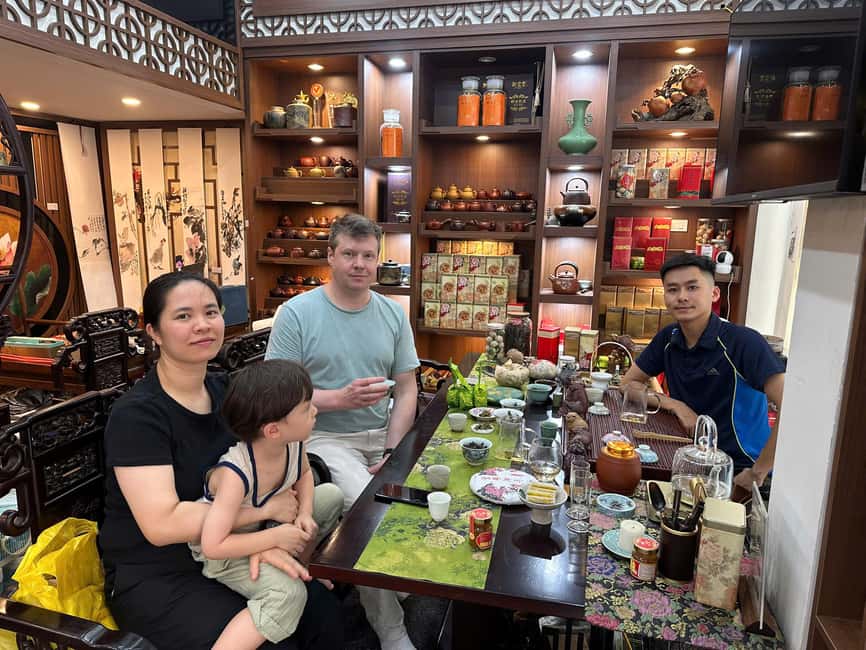
The tour starts with a short walk to the tea house where you meet the tea expert and get the background that makes the tasting make sense. You’ll learn how tea is produced and packed, plus how to recognize different kinds and how to classify them. It’s not theory for theory’s sake—you’re building a way to notice what you’re tasting later.
Then comes the best part: you learn how to brew and serve tea in four basic steps. You don’t just copy motions—you practice. That matters because tea can taste flat if the water temperature, timing, or pouring style is off. The tour sets you up so you can repeat the basics back home, even if you don’t get the exact same tea leaves.
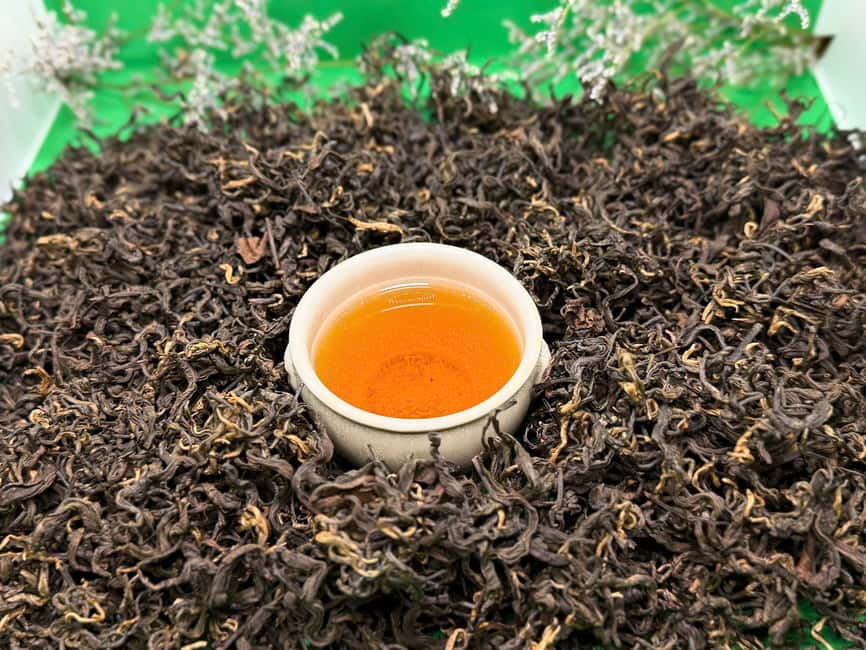
You’ll taste two types—green tea and red tea—and then you’re taught to make one of the teas yourself. In other words, you’ll leave with both knowledge and muscle memory. If you’re the type who likes food tours where you can actually do something afterward (not just Instagram photos), you’ll appreciate this format.
More visits to the tracks at Train Street



Green tea and red tea tasting: how to judge what’s in your cup
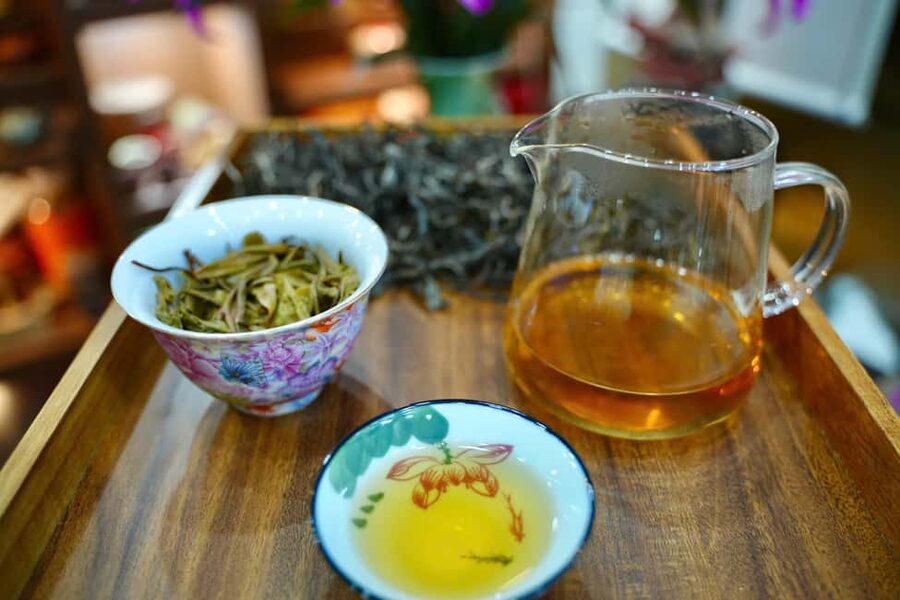
At the tasting stage, the tour gives you a chance to compare two teas that feel different even before you start analyzing them. You’ll taste green tea and red tea, with the tour description linking these teas to 200-year-old tea trees. That detail matters less as trivia and more as a signal that the tea is treated like a craft product, not a generic drink.
I recommend paying attention to three things during the tasting:
- Smell first, before you take a sip
- The first sip vs. the aftertaste (tea can change quickly)
- Mouthfeel—light and crisp can read totally different from deeper and earthier cups
One of the guides is praised for explaining how very different the teas can taste—some cups lean floral or honey-like, while others can feel woody and earthy. You don’t need to “get it right.” The goal is to learn a vocabulary and a method for noticing differences without overthinking.
You’ll also see plenty of tea equipment for daily use, with chances to look (and potentially buy) items you can use at home. If you’ve ever bought a teapot and then wondered why your tea didn’t taste like it did in Vietnam, this is the sort of lesson that prevents that disappointment.
Giang egg coffee (since 1946): a sweet stop that’s easy to like
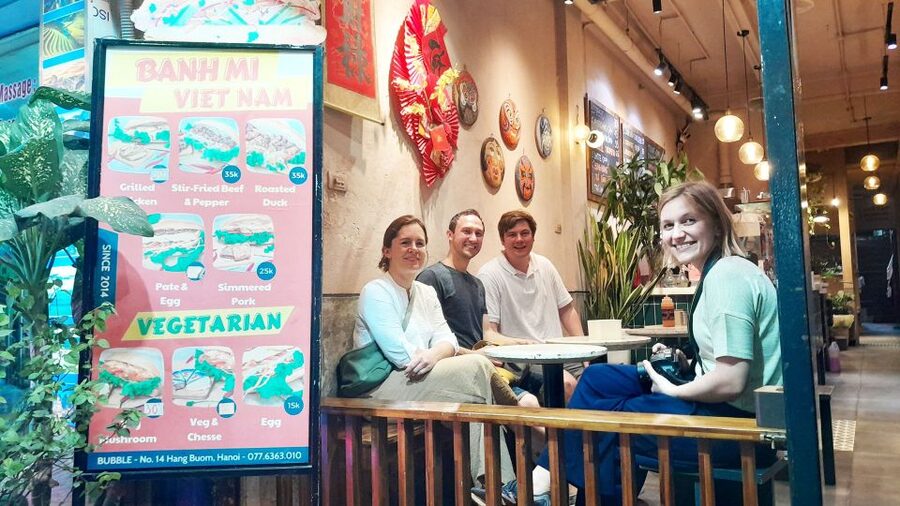
After tea, you head to Giang Coffee, described as famous since 1946. Here you get a cup of either egg coffee or egg coffee with almond, depending on your option. This is one of those Hanoi food-drink stops that feels like a local tradition you can’t really replicate at home without the right ingredients and technique.
Because the tour is short, this coffee break isn’t meant to drag. It’s timed as a reset between activities: tea tasting first, then a different flavor world. If you’re unsure about egg coffee, choose the one you normally prefer—plain egg coffee if you like classic flavors, or egg coffee with almond if you want the added nut note.
Keep your expectations simple: you’re not going to learn a full coffee-making system here. You’re getting one well-known cup as part of a broader culture-of-drink experience. It’s a good trade for a 3-hour total time block.
Train Street: watching the train pass without needing an all-day plan
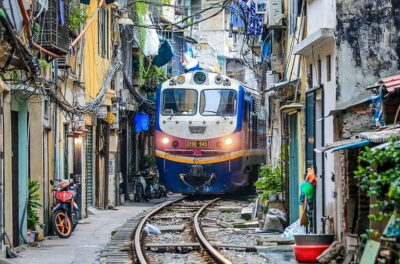
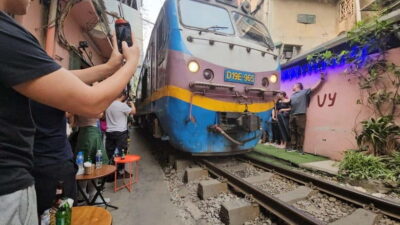
The Train Street portion is all about atmosphere. You’ll head there from the tea house (that transfer is included) and you’ll go early enough to have a real chance of seeing the train. In the morning Train Street option, you leave the tea house for Train Street before 11:30 am, and the tour ends around 12:00.
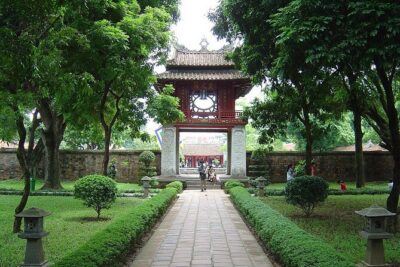
A key note to know: you only stand outside the nearby Ho Chi Minh complex area for watching and photos, and you do not go inside. That won’t ruin the experience, but it changes the feel. This is more street-level “Hanoi in motion” than formal sightseeing.
What I like about Train Street in general—and what this tour captures well—is the surprise factor. You can be holding a cup of tea you made yourself, then the scene shifts fast. You get that push-pull between quiet craft and unexpected street energy.
Practical tip: wear comfortable shoes and be ready to move your position for photos. The tour doesn’t sell Train Street as a long sit-down viewing. It’s a brief, timed moment.
Bun Cha lunch options: optional, timed, and usually not the main event
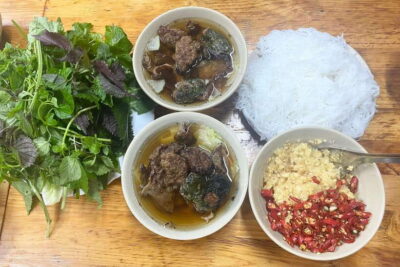
Depending on your chosen option, lunch may be part of the schedule as an optional add-on. Bun Cha Vietnam is listed as available, and it’s described as lunch with an English-speaking guide in the morning Train Street option.
One important detail: lunch itself isn’t listed as included. So you’ll be paying for Bun Cha on top of the tour price if you want it. I’d treat lunch here as a convenient meal between activities, not as the core value.
If you pick the option that ends around noon at a restaurant, it’s built for people who don’t want to spend the rest of their afternoon traveling. If you pick the Train Street option, you’ll finish around 12:00 and then head back to your hotel on your own.
Still hungry? More Hanoi street-food crawls
- Small Group Hanoi Street Food Tour with a Real Foodie★ 5.0 · 4,682 reviews
- [HOT] Hanoi Old Quarter Walking Street Food – Small Group Tour★ 5.0 · 2,163 reviews
- Hanoi Motorbike Tours Led By Women: Hanoi By Night Foodie Motorbike Tours★ 5.0 · 1,734 reviews
Morning vs. afternoon: choosing the option that fits your energy
You have three options, and choosing the right one makes a big difference in how the day feels.
- Option 1 (9:00–12:00): Tea tasting + Train Street visit + optional Bun Cha, ending around 12:00 at Train Street
- Option 2 (9:00–12:00): Tea tasting + Giang Coffee egg coffee + optional Bun Cha, ending around 12:00 at the restaurant
- Option 3 (13:00–16:00): Optional Bun Cha first, then Giang Coffee egg coffee, then tea house, ending around 16:00
My take: if Train Street is your must-see, choose Option 1. If you want the tea and coffee focus with a straightforward finish, Option 2 is clean and simple. If your mornings are already packed or you prefer a later start, Option 3 keeps the whole experience in the afternoon.
All options maintain the same core tea lesson structure—two teas tasted and one tea made—and you’ll still get the egg coffee cup as listed.
Guide quality in a small group: why it matters in a 3-hour tour
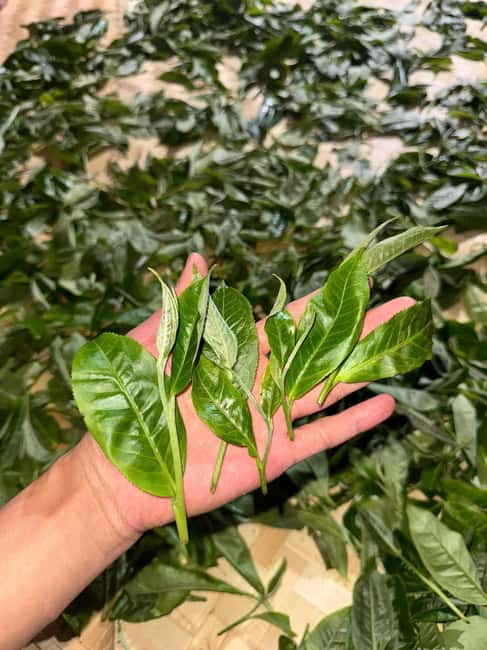
This is a small group experience, limited to 2–5 participants, with an English-speaking guide. In a short 3-hour format, guide skill isn’t a “nice bonus.” It’s what turns tea trivia into understanding—and what keeps you from feeling lost during quick transitions.
Some guides are specifically mentioned as very attentive and communicative. For example, one guide named Anna is praised for being fantastic and for showing you Old Quarter spots you might not choose on your own. Another guide named Thao is also singled out for professionalism and helpfulness. A guide named Adward is praised for creating a great experience tied to the egg coffee moment too.
If you like tours where you can ask questions and get direct answers, this is the setup that supports that. You’re not competing with a huge crowd, and the group size makes it easier to hear the guide during tasting and equipment explanations.
Price and value: what $36 really buys you
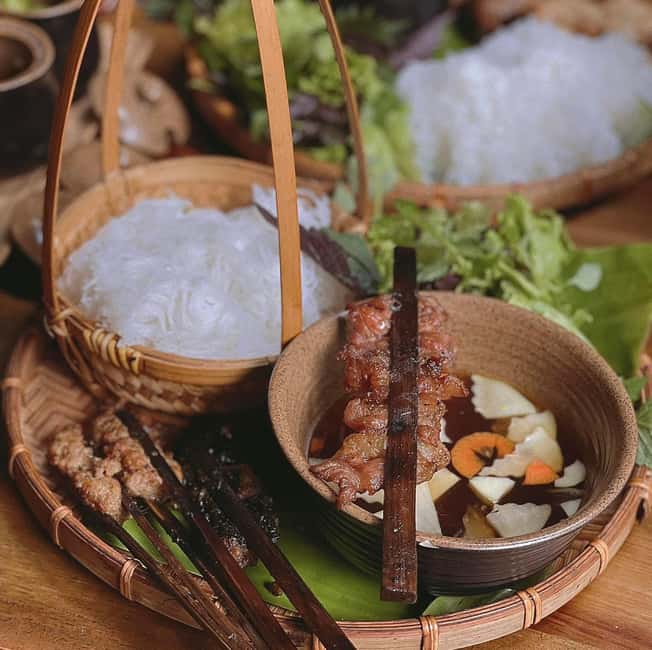
At $36 per person for about 3 hours, this tour is priced like a focused culture stop rather than a full-day excursion. What you’re paying for is the combination: a guided tea session with tasting and hands-on practice, an egg coffee cup, and (in the Train Street option) included transfer from the tea house to Train Street, plus government tax (8%).
What’s not included is important:
- Drinks on meals and the meal itself (like Bun Cha)
- Travel insurance and tips
- Pick-up from your hotel to the meeting point (pickup is optional, see below)
So the value math depends on whether you plan to eat lunch. If you do, you’ll spend extra for Bun Cha. If you don’t, you still get full value from the core activities: tea tasting + tea making + egg coffee + the Train Street experience.
If you’re booking as a solo traveler, there’s a note: you’d need to pay extra $25 USD for a private guide. In that case, it’s worth asking whether the extra cost is justified for you, since the tour is designed around a small group experience.
Practical tips: what to bring and the limits you should accept
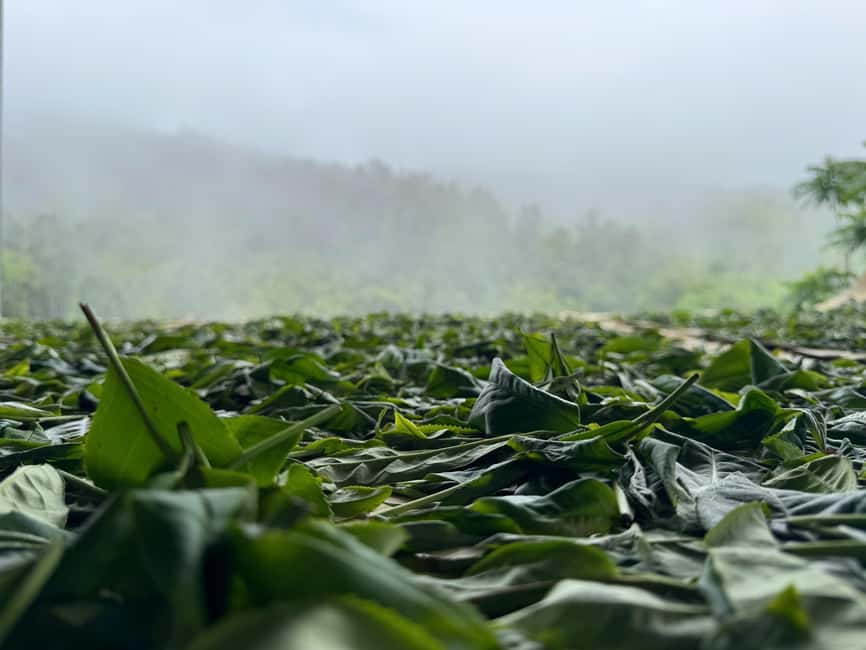
Bring the basics and you’ll feel comfortable right away:
- Passport or ID card
- Comfortable shoes (you’ll walk between stops)
- Sunglasses and a sun hat
A few rules help set expectations:
- No pets
- Not suitable for wheelchair users
- You’ll be outside for the Ho Chi Minh complex viewing/photos, and you won’t go inside
There’s also a safety note: depending on vehicles taken, the route may change to keep things safe and controlled. That’s a sensible approach for Old Quarter walking where streets can get tricky.
Pickup is optional and tied to where you’re staying. If you’re in the Old Quarter area, pickup can happen directly at your hotel. If you’re staying outside that area, you’re asked to get ready at 22 Hang Muoi street by 9:00am.
Finally, start times matter. You’re told to come to the meeting point at 8:50 am for the morning tour and 12:50 pm for the afternoon tour, even though the main window is listed around 9:00–12:00 or 13:00–16:00.
Should you book this tea and Train Street experience?
Book it if you want a short Hanoi activity that teaches you something you can repeat: you’ll practice tea brewing in four steps, taste green and red tea, and make one tea yourself. You also get the payoff stop of Giang egg coffee and the timed Train Street moment that’s hard to recreate on your own.
Skip it if Train Street and street photos aren’t your thing, or if you need a tour that involves entering major sights. Also skip if wheelchair access is required, since the tour is listed as not suitable for wheelchair users.
If you’re traveling in Northern Vietnam with limited time and you like food-and-drink experiences that stay practical, this is a strong fit.
FAQ
How long is the Vietnam Tea Tasting – Giang Egg Coffee & Train Street visit?
The tour lasts about 3 hours.
What is the group size?
It’s a small group limited to 5 participants, with group size ranging from 2 to 5.
Are the guides English-speaking?
Yes. The tour includes an English-speaking guide.
What teas do you taste during the lesson?
You taste two kinds of tea: green tea and red tea.
Do you make tea yourself or only watch?
You learn the brewing and serving process in 4 basic steps, and you’re taught to make 1 kind of tea.
Is Train Street included in every option?
No. Train Street is included in the morning Option 1. Options 2 and 3 focus on Giang Coffee and the tea house instead.
What egg coffee do you get?
You get a cup of egg coffee or egg coffee with almond, depending on the option.
Do you go inside the Ho Chi Minh complex?
No. You only stand outside for watching and photos, and you do not go inside.
What should I bring, and are there restrictions?
Bring a passport or ID card, comfortable shoes, sunglasses, and a sun hat. Pets are not allowed, and the tour is not suitable for wheelchair users.
More Tour Reviews in Hanoi





More Bowls and Backstreets in Hanoi



Back to Train Street

Latest Hanoi write-ups from our team



Hanoi Street Food Tours, compared.
 ★ 4.9Guided Food Tour with Train Street VisitFrom $196,239 reviews
 ★ 5.0Small Group Hanoi Street Food Tour with a Real FoodieFrom $284,682 reviews
 ★ 5.0Street Food Tour with Train Street & Hidden AlleywaysFrom $202,831 reviews
 ★ 4.9Guided Street Food Tour with Train Street ExperienceFrom $172,479 reviews
 ★ 5.0[HOT] Hanoi Old Quarter Walking Street Food – Small Group TourFrom $142,163 reviews
 ★ 5.0Hanoi Motorbike Tours Led By Women: Hanoi By Night Foodie Motorbike ToursFrom $691,734 reviews
 ★ 5.0Hanoi Street Food Tour with local delicaciesFrom $281,506 reviews
 ★ 5.0Hanoi Coffee Workshop: Taste Salt, Coconut and Egg CoffeeFrom $161,286 reviews
Browse the lists this tour appears in