Reviewed · HANOI
Vietnam Express Southbound 10 days
Ten days, and Vietnam changes fast. This southbound route from Hanoi to Ho Chi Minh City stitches together big sights without the constant planning, thanks to a guided route and multi-mode transport. I like that nine nights plus many meals are handled up front, so you can spend more energy looking around and less energy figuring out logistics. One thing to weigh: the schedule is full, with long travel days, including an overnight train and a motorbike ride.
A good guide is half the trip, and this one includes an English-speaking professional. I’ve seen names like Hà, Jolie (Ngang Nguyen), Nam Nguyen, and Duc in action, keeping things efficient and making the group feel looked after. Group size stays intimate, with a maximum of 15 people.
Comfort is mostly handled for you: you get hotel nights, one night aboard the Halong Bay cruise, and a sleeper train cabin. Still, drinks are not included, and the free day in Hoi An is truly yours to manage, so come with a plan for what you want to do.
In This Review
- Key moments worth caring about
- Entering Vietnam: Hanoi’s half-day intro that sets you up
- Halong Bay in one word: limestone
- The Hanoi–Hue jump: how the trip saves hotel nights
- Hue on a motorbike: history you can feel in your bones
- Crossing to Hoi An via Hai Van Pass
- Flying south: Ho Chi Minh City’s mix of landmarks and heavy lessons
- Mekong Delta day: Ben Tre, fruit, and sampans on the water coconut route
- What you get for the money: accommodation, meals, and major transport
- Who this Vietnam southbound route fits best
- Should you book this Vietnam Express Southbound trip?
- FAQ
- How long is the Vietnam Express Southbound tour?
- Where does the tour start and end?
- What accommodation is included?
- What meals are included?
- What transport types will you use?
- Is there a free day during the trip?
- How big is the group?
- Are there any child rules?
- What happens if you need to cancel?
- What does bottled water mean here?
Key moments worth caring about
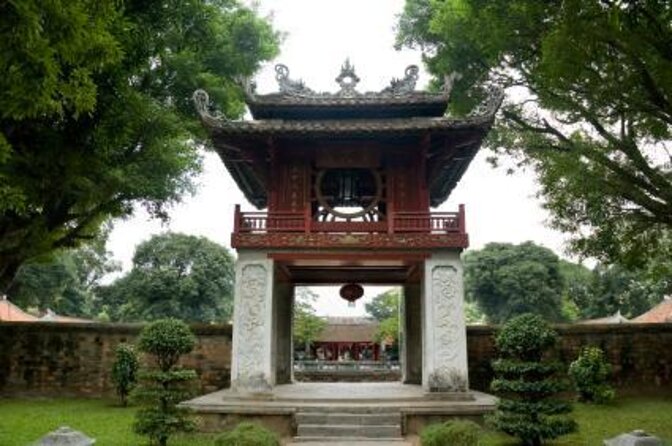
- Hanoi orientation fast: a half-day intro that hits Temple of Literature, Hoan Kiem Lake, and the Old Quarter
- Halong Bay at night: a cruise night under the sky, plus caves and a potential swim at Ti Top Island
- Sleep during transit: an overnight sleeper train from Hanoi toward Hue (4-berth sharing cabin)
- Hue by motorbike: backstreets and landmarks with a local guide steering the day
- Hoi An with breathing room: a full free day to wander the Old Town at your pace
- Mekong Delta by boat and sampan: Ben Tre coconut candy, tropical fruit, and a boat-to-sampan loop
Entering Vietnam: Hanoi’s half-day intro that sets you up
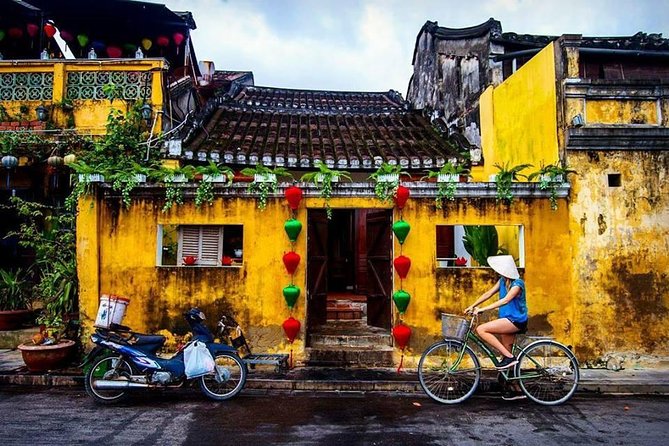
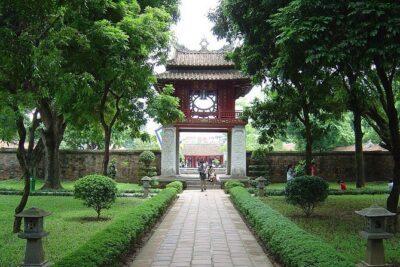
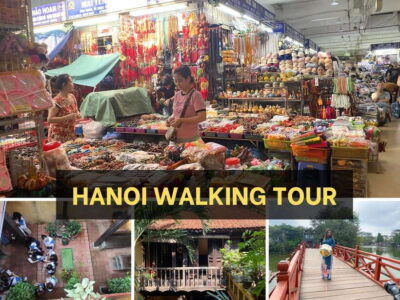
Day 1 is a quick on-ramp. You’ll be picked up from the airport and transferred into Hanoi, then you get a half-day city tour in the afternoon. The highlights are classic for a reason: Temple of Literature (a key academic site), Hoan Kiem Lake (the city’s calm center), and the Hanoi Old Quarter (where streets feel like a living map).
What I like about this start is that it gives you orientation without overstuffing your first day. Hanoi can feel loud and chaotic fast, so having a guide point out the meaning behind the places helps you read the city instead of just walking through it. It also makes later free time easier because you know where you are in the bigger picture.
Not sure yet? See how this one sits next to a few Hanoi favourites.


Halong Bay in one word: limestone
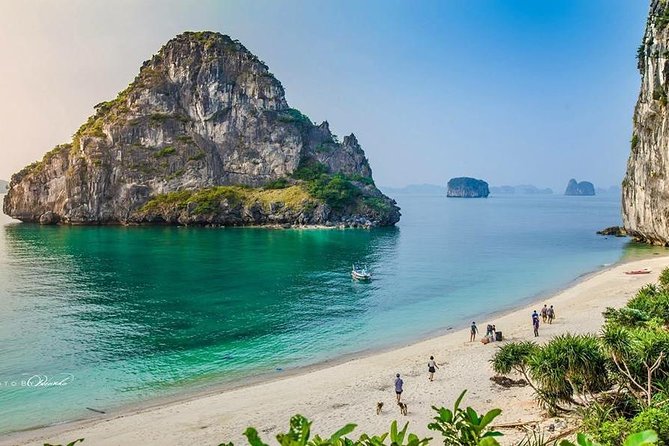
On Day 2, you head to Halong Bay, a World Heritage site famous for sandy coves, grottos, and about 1,600 limestone islands. The tour uses a minibus to get you there, then you board a cruise to explore the bay. You’re not just watching from the deck either: there’s time for island caves, and in warmer months you may even be able to swim from Ti Top Island Beach.
Day 2 ends with the best kind of travel payoff: you sleep aboard the boat, under the night sky. That changes the feel of Halong Bay. Instead of it being a day trip you rush through, it becomes a place you inhabit for a night.
One consideration: cruise days in this region can be weather-dependent. If skies turn weird or seas feel choppy, you might want to bring something for motion comfort (just in case) and stay flexible with outdoor time.
The Hanoi–Hue jump: how the trip saves hotel nights
Day 3 is a two-step travel day. First you return by boat to Ha Long, then you switch to a bus back toward Hanoi for shopping or downtime in the late part of the afternoon. After that, you board an overnight train to Hue.
This is a smart “travel time arbitrage” move. Instead of paying for another full night in a hotel, you use the overnight journey as your sleep. The trade-off is obvious: you’ll have less control over sleep quality since this is a 4-berth sharing cabin.
Still, the payoff can be real. You land into Hue on Day 4 around 11am, then you’re ready to start seeing instead of staring at a suitcase all day.
Hue on a motorbike: history you can feel in your bones
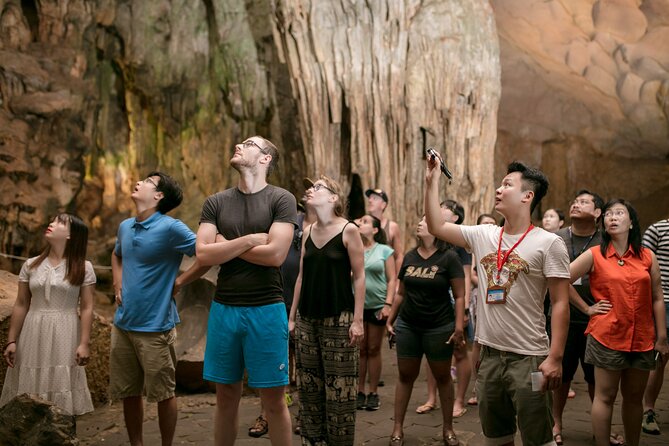
Hue is where the tour turns from big-view highlights into lived-in details. Day 4 begins with a transfer to your hotel after arrival. Then the group visits the war-damaged ruins of the Hue Imperial Citadel complex—temples, state houses, and the emperor’s palace area. Seeing it with a guide matters here, because the damage and the layout both tell a story.
Day 5 is the day that gives this route its personal edge: Hue Motorbike. You ride behind a local guide, then you hit several major stops. You’ll see the Forbidden Purple City area (reserved for the emperor and his concubines), and you’ll also visit Thien Mu Pagoda.
Thien Mu Pagoda comes with one of the tour’s most sobering historical details: the car of a former monk who drove to Saigon in 1963 to protest the poor treatment of Buddhists by the South Vietnamese regime. It’s not a sightseeing “photo stop” moment. It’s a moment that asks you to slow down and pay attention.
After that, the day ends at Tu Duc’s tomb. It’s a lakeside royal tomb, which gives you a different feel from the citadel ruins—more reflective, less fortress-like. Then you head back to Hue.
Practical note: a motorbike day can be physically and mentally tiring, especially after travel days. It can be great for seeing more, but if you’re sensitive to motion or crowds, plan to take it easy afterward.
Crossing to Hoi An via Hai Van Pass

Day 6 moves the route into central Vietnam. You travel by bus through coastal rice paddies and over the spectacular Hai Van Pass to reach Hoi An. This isn’t just transportation; the road itself is part of the experience, with wide views and a dramatic sense of changing terrain.
Once in Hoi An, your guide takes you on a sightseeing walk through the Old Town and visits a handful of major attractions. The pace here is manageable: you get the key sights without feeling like you’re power-walking through a checklist.
Day 7 is the reward for that structure: a full free day in Hoi An. This is where you can follow your curiosity. Want to slow down and browse? Great. Prefer to do the main sights at your own rhythm? Also great. The best part is that the tour doesn’t steal your whole day.
If you like photos, early morning light can be your friend. If you like people-watching, you’ll have time to step out of the group flow and just watch the town work.
- Hanoi Motorbike Tour: Food, Culture and Fun by Vintage Motorbike★ 5.0 · 6,699 reviews
- Hanoi: Guided Food Tour with Train Street Visit★ 4.9 · 6,239 reviews
- Hanoi Cooking Class: Culture, Local Market & Meaning CSR Impact★ 5.0 · 5,147 reviews
Flying south: Ho Chi Minh City’s mix of landmarks and heavy lessons
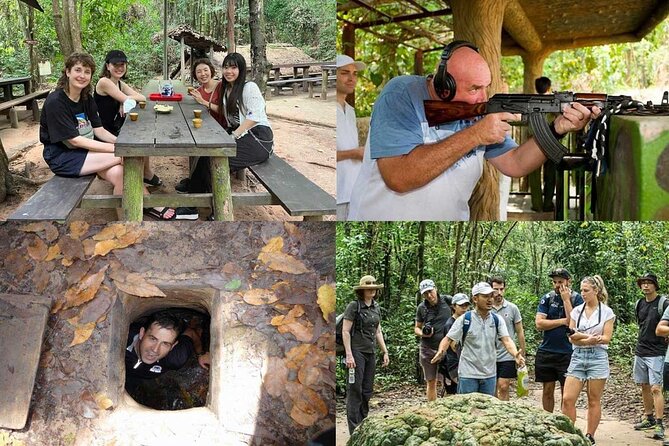
On Day 8, you take a short early morning flight to Ho Chi Minh City (after a stop in Da Nang). Once you land, you join a sightseeing bus tour through the city.
The highlights are big and immediate: Reunification Palace, Notre Dame Cathedral, and the Opera House. You also stop at the War Remnants Museum, which is where the tour gets serious. The museum is designed to show sobering stories, and this stop gives the trip moral weight, not just skyline shots.
I like how this day balances the dramatic and the difficult. You see the city’s “faces,” but you also get context for why the country looks the way it does today.
One thing to remember: museum time can feel heavy. If you’re the type who needs a break after more intense material, use downtime before or after the museum to reset your energy.
Mekong Delta day: Ben Tre, fruit, and sampans on the water coconut route
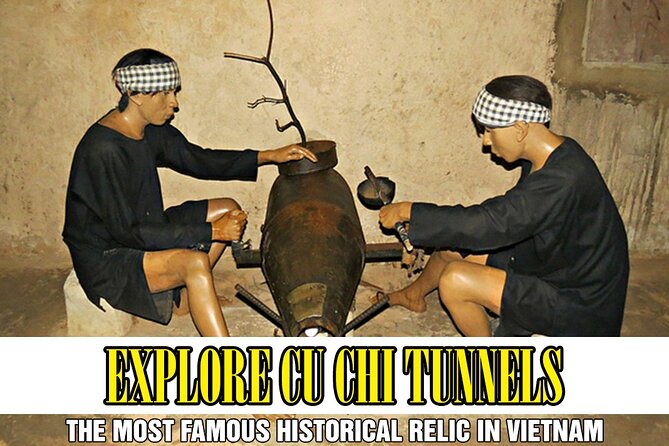
Day 9 is the full day trip to the Mekong Delta. You head out to explore a slice of Vietnam that feels slower and more tied to waterways. The route starts with a boat trip to Ben Tre, where you visit a coconut candy factory and sample the sweets.
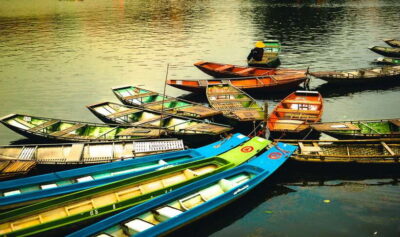
Then you learn about local rural life and stop to sample tropical fruits. Lunch is included and is built around regional food choices, including Elephant ear fish. After lunch, you paddle in sampans past water coconut trees along the Mekong.
This is a classic “different Vietnam” day. Hanoi and Hue can feel historic and dense; the Mekong feels practical and water-based. The boat-to-sampan rhythm is a nice way to experience the area as locals use it, not just as a distant view.
Practical note: it’s a long day. Build in patience for transfers and keep your camera accessible, since the water time is where the photos happen.
What you get for the money: accommodation, meals, and major transport

The listed price is $160 for about 10 days, and the value comes from how much the tour packs into the base cost.
Here’s what’s included that you’d normally pay for separately:
- 9 nights accommodation: 7 nights in hotel, 1 night on the cruise, and 1 night on the sleeper train
- Meals: 8 breakfasts, 3 lunches, and 2 dinners, plus bottled water
- Transport variety: train, boat, bus, motorbike day in Hue, plus a plane leg Danang to Ho Chi Minh City, and private airport transfer by car
- An English-speaking guide throughout the tour experience
- Mobile ticket convenience
That meal plan matters more than it sounds. It reduces decision fatigue, and it helps keep you fed during the heavy travel segments. You’ll still need to handle your own food and drinks when the schedule doesn’t specify it, but the core structure is covered.
If you’re the type who wants full control over every meal, this might feel a bit structured. If you’re the type who wants to save time and stress, it’s a strong setup.
Who this Vietnam southbound route fits best
This tour makes the most sense for you if:
- You want a highlight-to-highlight route from north to south in about 10 days
- You prefer a guided experience to make sense of major sites
- You like variety: cruise, overnight train, motorbike day, city history stops, and a Mekong water day
It may be less ideal if:
- You dislike travel-heavy days and don’t want an overnight train segment
- You’re not comfortable with motorbike touring in Hue
- You want a loose, slow exploration style with lots of unscheduled time (only Hoi An has a true full free day)
Also, group size is capped at 15, which is a sweet spot: big enough for shared energy, small enough that the guide can keep track of everyone.
Should you book this Vietnam Express Southbound trip?
I’d book it if you want a practical north-to-south Vietnam “starter course” that still includes memorable, hands-on moments. The Halong Bay cruise night, the Hue motorbike day, the War Remnants Museum stop, and the Mekong Delta boat-and-sampan combo are the kind of experiences that usually take extra planning.
The main reason to pause is the pace. This is not a slow travel route. If you can handle a packed schedule and you’re okay with shared sleeping (4-berth cabin on the overnight train) and a motorbike ride, the trade-off is strong: you get major sights, handled logistics, and a lot of included value for the price.
FAQ
How long is the Vietnam Express Southbound tour?
It runs for 10 days approximately, from Hanoi to Ho Chi Minh City.
Where does the tour start and end?
It starts in Hanoi (with airport pickup and transfer) and ends in Ho Chi Minh City, followed by departure transfer to the airport.
What accommodation is included?
You get 9 nights total: 7 nights in hotels, 1 night on board the Halong Bay cruise, and 1 night in a sleeper train with a 4-berth sharing cabin.
What meals are included?
The tour includes 8 breakfasts, 3 lunches, and 2 dinners, plus bottled water. Food and drinks outside these meals are not included unless specified.
What transport types will you use?
You’ll use a mix of transport including boat, motorbike trip in Hue, overnight sleeper train (Hanoi to Hue), plane (Danang to Ho Chi Minh City), bus (Hue to Hoi An), and a private airport transfer car.
Is there a free day during the trip?
Yes. Day 7 is a free day in Hoi An.
How big is the group?
The maximum group size is 15 people.
Are there any child rules?
Child rate applies only when sharing with 2 paying adults. Children must be accompanied by an adult.
What happens if you need to cancel?
This experience is non-refundable and cannot be changed for any reason, so the amount you paid will not be refunded if you cancel or request an amendment.
What does bottled water mean here?
Bottled water is included as part of the included items during the tour.