
Reviewed · HANOI STREET FOOD TOURS
Street Food Tour Hanoi and Train Street Experience
Street food in Hanoi meets train-track drama.
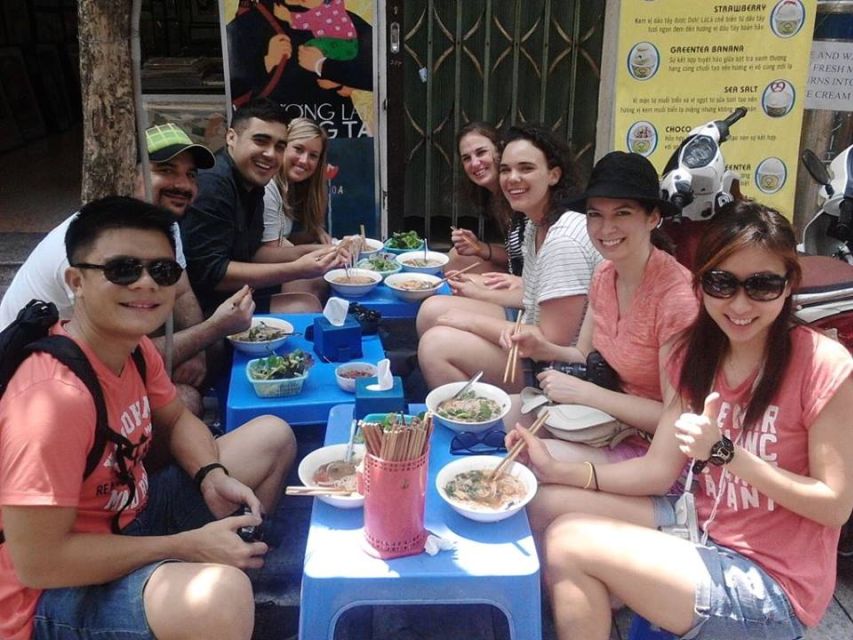
This 3-hour walk through the Old Quarter pairs local tastings with the famous Train Street experience, right where alley life and rail schedules collide. You’ll follow a guide through the area’s historic trade streets, then press into a narrow lane for the train moment and the photo window.
What I like most is how the tour turns food into a lesson you can eat. You get market time plus tastings at places you’d usually skip because you can’t read the menu or pick the right stall.
One thing to consider: Train Street can get crowded fast, and you’ll be on your feet the whole time. Comfortable shoes matter, and you’ll want to be ready to stand close for photos.
In This Review
- Key highlights I’d plan my Hanoi day around
- Old Quarter street food works because it’s a real neighborhood
- Following the 36 trade streets: what the guide points out while you eat
- Market stops: how you learn the ordering game without stressing
- Coffee, beer, tea, and the small drinks that keep you moving
- Train Street: 1902 French-era alley, photo timing, and crowd reality
- A guide who makes you feel confident ordering and photographing
- It’s more than snacks: how the stops usually feel in sequence
- Price and value: why $28 can actually feel fair
- Who should book this (and who might want a different plan)
- Practical tips before you go: shoes, appetite, and Train Street timing
- Should you book this Hanoi street-food and Train Street tour?
- FAQ
- Where do I meet the guide?
- How long is the tour?
- How much does it cost?
- Is hotel pickup available?
- What’s included in the price?
- What should I bring and wear?
- Are there any rules or restrictions?
Key highlights I’d plan my Hanoi day around
- A focused 3-hour format that still covers Old Quarter streets, food stalls, and Train Street timing
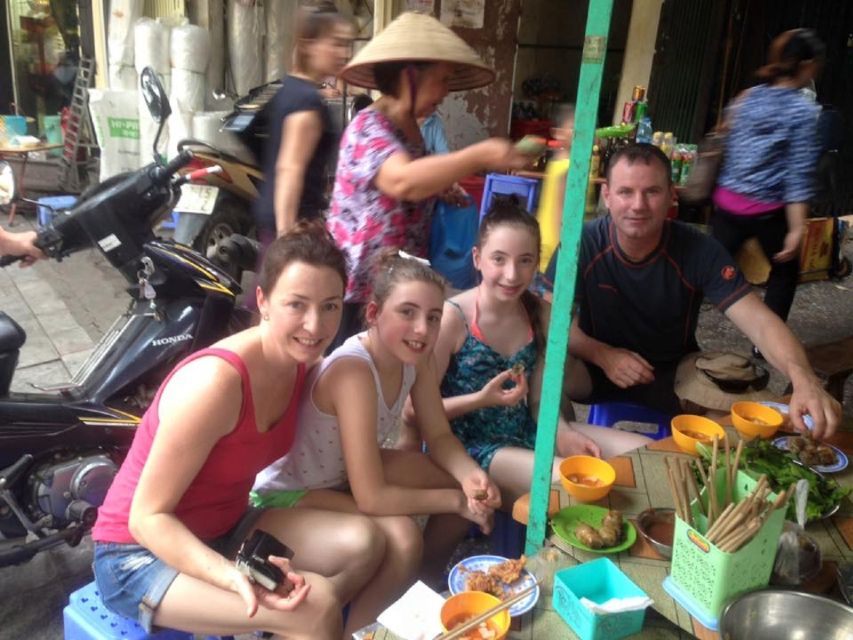
- Old Quarter trade-street storytelling (blacksmiths, silver shops, paper makers, headstone makers, silk traders, jewelers)
- Market browsing with locals, not just eating on the sidewalk
- Train Street on the rail line: narrow alley, occasional train pass-by, and photo help from your guide
- Small group size (about 8 max) for easier pace, questions, and less waiting around
- Food, dessert, and drinks included, so you’re not doing math all afternoon
Old Quarter street food works because it’s a real neighborhood

Hanoi’s Old Quarter isn’t a theme park. It’s an area with people buying, selling, eating, and living in the same tight web of streets that grew around historic trades. That matters, because your food choices feel connected to daily life, not to a checklist.
With this tour, you don’t just walk past restaurants. You stop where locals actually go and learn what you’re eating and why it’s made the way it is. It’s the difference between random street snacks and a route that makes sense.
And yes, the Train Street portion adds a fun curveball. The alley is built into the fabric of the neighborhood, not off to the side like some staged photo spot. When the train shows up, you’ll see why that stretch of track became a must-know moment for visitors.
More visits to the tracks at Train Street
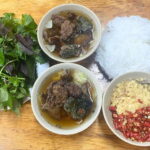
Following the 36 trade streets: what the guide points out while you eat
The Old Quarter is known for trade streets—each one tied to a craft or commodity. As you walk, you’ll hear how places like blacksmiths, silver shops, paper shops, headstone makers, silk traders, and jewelers shaped the area’s layout and reputation. It’s not trivia for its own sake; it helps you understand why streets are named the way they are and how the neighborhood functions.
Food is closely tied to this. In areas where people once specialized in trades, you also get steady demand for simple meals: quick bowls, grilled bites, snacks you can eat while shopping, and drinks that keep you going. Your guide’s job is to connect the dots as you sample along the way.
I like this approach because it makes the walk easier. Even if the streets look similar at first, once you know what’s been happening there for generations, the chaos starts to feel organized. You stop thinking, What street am I on? and start thinking, This is where that kind of life has always happened.
Market stops: how you learn the ordering game without stressing
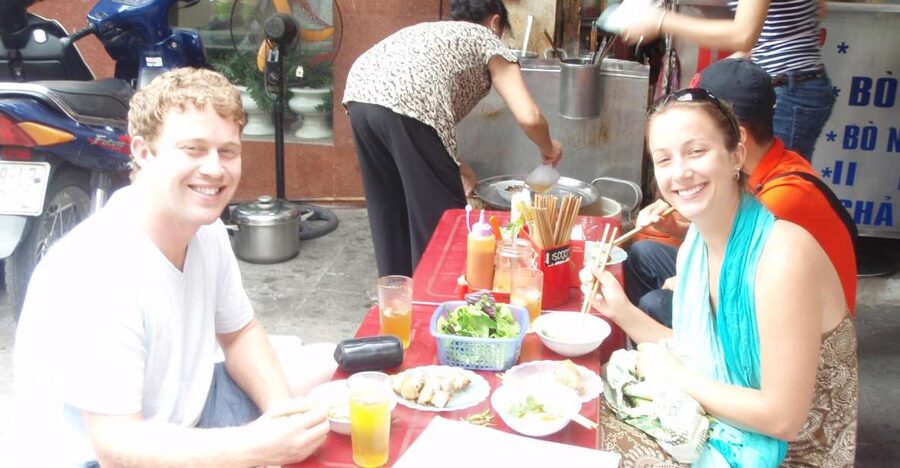
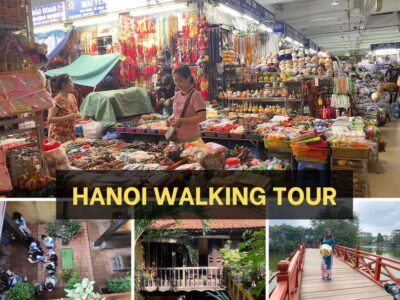
A big part of the experience is joining local-style shopping. You’ll visit a food market and also hit an arts-and-crafts market stop as part of the route. These moments are useful because they show you how vendors present options, how stalls group together, and what people buy when they’re not trying to impress tourists.
You also get a guided way to taste. Instead of standing in front of a menu guessing, you’ll stop at different vendors and try what the guide recommends, along with local snacks and regional-style items. This is one of the best ways to broaden your menu without turning the tour into a gamble.
If you’re the type who wants to compare flavors, pay attention to small changes: how a broth tastes when it’s made for locals versus how it’s adapted for visitors, or how sweetness shows up in desserts. Even within a short 3 hours, you can pick up patterns fast when someone explains what you’re looking at.
Coffee, beer, tea, and the small drinks that keep you moving
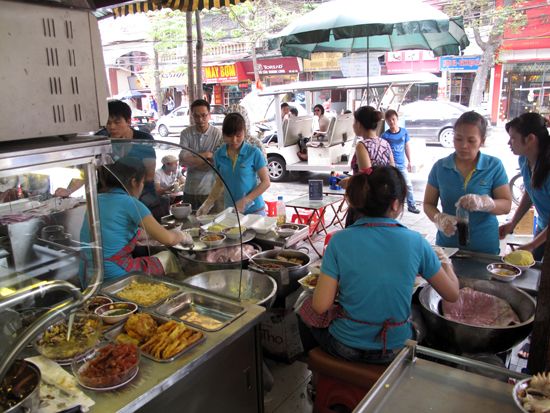
In Hanoi, “a break” usually means a sip. Along the route you can expect drinks like beer, tea, and coffee, plus additional local beverage stops (you might see juice shops, bars, and cafes along the walk). The good news is that you’re not paying for each one out of pocket—drinks are included, and the pace is planned around tastings.
Coffee in particular becomes more interesting when you reach Train Street. Some locals have turned homes into tiny cafe-style setups right on the alley route, where you may be able to sip something like egg coffee while waiting for the train pass. It’s a very specific kind of Hanoi moment: you’re not just drinking; you’re waiting for a rail schedule in a street that people call home.
Practical tip: take a small water sip when you can, even if the included drinks feel like they should cover everything. Hanoi walking can add up quickly, and you’ll enjoy the Train Street photo window more if you don’t feel rushed or dehydrated.
Train Street: 1902 French-era alley, photo timing, and crowd reality
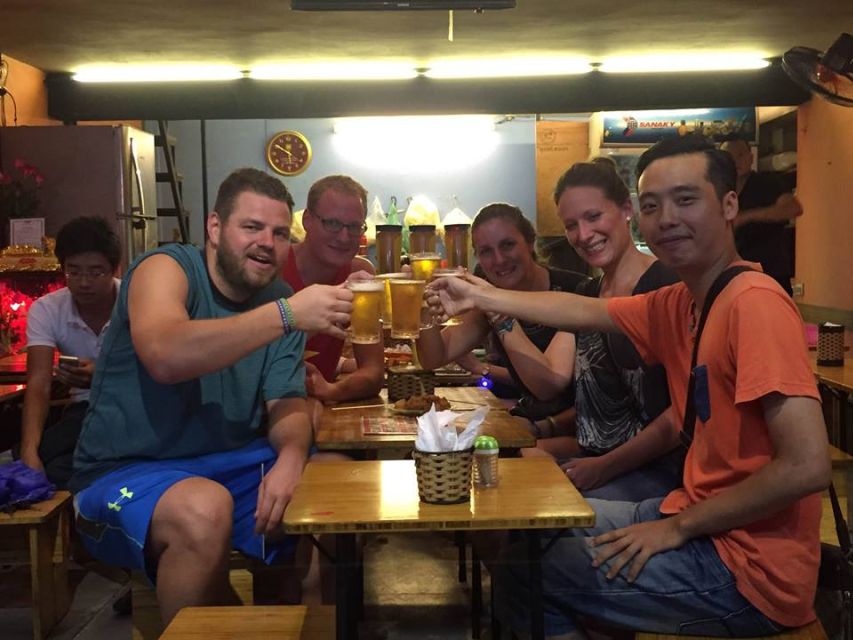
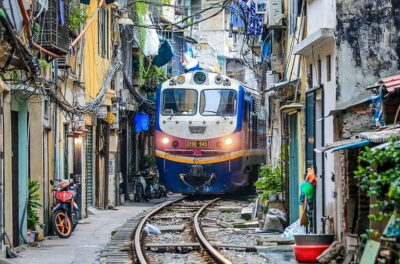
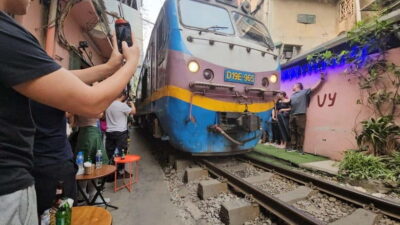
Train Street is the star of the show for many first-timers, but what makes it worth your time is the context. This narrow alley dates back to 1902, when it was built under French influence. The track runs through a real residential area, so when the train comes, you get the rare feeling that you’re watching daily life adapt in real time.
The alley has even changed because of tourism. Many locals have converted their houses into small cafe setups. So while you wait for the train to pass—there are trains only a handful of times throughout the day—you’re not standing in a dead zone. You might be sipping egg coffee or ordering something quick while you watch the track.
Now for the part you need to plan for: Train Street can get really busy. It’s narrow, and the photo moment is short. Your guide’s help matters here—not because they magically control crowds, but because they know where to stand for a better angle and they’ll guide you through safe timing so you’re not in the wrong spot.
Also, don’t treat it like a video clip you can create on your own. The best photos come from being ready when the train is actually near, not from waiting until you feel inspired. Your guide can help you get that timing right.
Still hungry? More Hanoi street-food crawls
- Small Group Hanoi Street Food Tour with a Real Foodie★ 5.0 · 4,682 reviews
- [HOT] Hanoi Old Quarter Walking Street Food – Small Group Tour★ 5.0 · 2,163 reviews
- Hanoi Motorbike Tours Led By Women: Hanoi By Night Foodie Motorbike Tours★ 5.0 · 1,734 reviews
A guide who makes you feel confident ordering and photographing
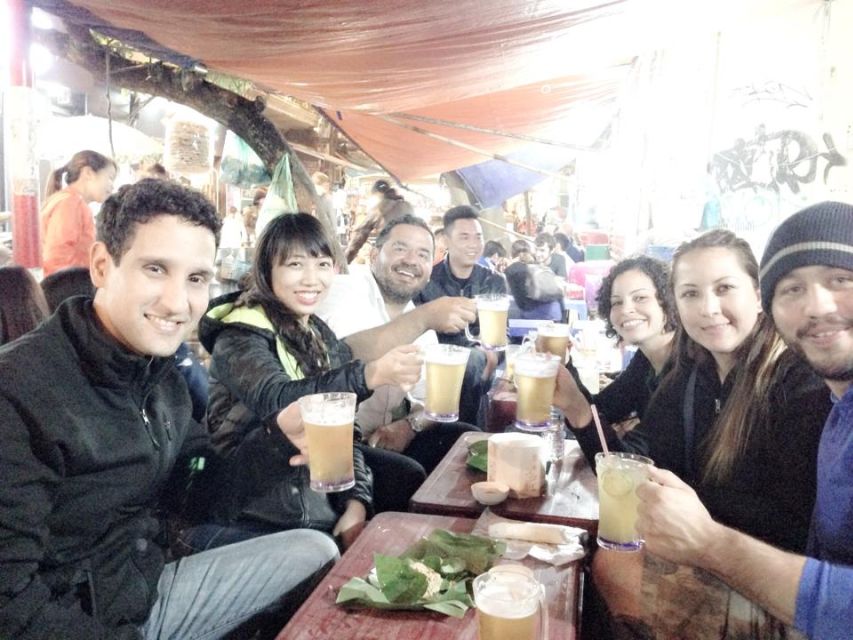
This kind of tour lives or dies by the guide. The operator uses English-speaking guides (and you may also hear Vietnamese), and the small group setting helps a lot. In practice, that translates into a tour where you ask questions without slowing everyone down.
There’s also a pattern in the feedback: guides like Tee, Ryan, Ning, Ha, and Harry show up as standout names. People praise them for being informative and for taking guests to local places they wouldn’t find alone. That’s exactly what you want from a street-food route in Hanoi: someone who knows which alley stalls are worth your stomach space.
I especially like how guides help with photos on Train Street. Even if you’re carrying a phone camera and a dream, you still need positioning. A good guide reads the flow and tells you when to move, when to hold, and how to frame without getting in people’s space.
It’s more than snacks: how the stops usually feel in sequence
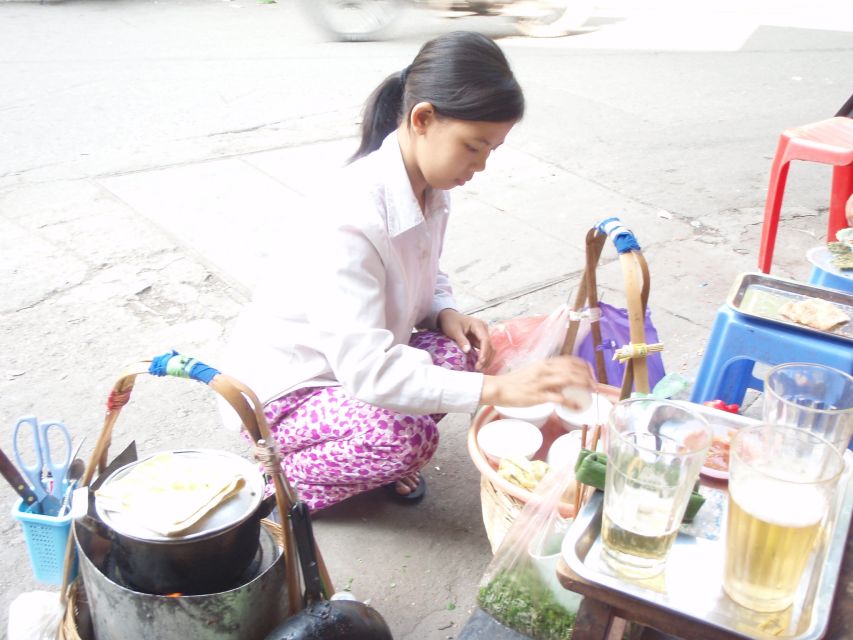
The flow is simple. You start from a central meeting spot in the Old Quarter, then walk into the area where food and trade history overlap. Along the way you’ll stop for tastings—street food, local snacks, and regional items—plus drinks like coffee and tea.
You’ll also get a structured feel for the markets. The food market stop is about learning what’s common, what’s seasonal, and what’s normal for locals to buy. The arts-and-crafts market visit adds another layer: you see how the Old Quarter’s identity isn’t only food—it’s crafts and daily commerce too.
Then you move on toward Train Street. Expect at least a short on-foot transfer between sections (nothing exhausting, but you’ll be walking). Near Train Street, the vibe shifts from eating-and-explaining to waiting-and-shooting, with a safety briefing that’s meant to keep you calm and out of the way during the pass-by.
If you like your tours light on museum fatigue and heavy on real life, this format is a good match. You get history, yes—but you also get food in your hands, and a street moment you’ll remember long after the bowl is gone.
Price and value: why $28 can actually feel fair

At $28 per person for a 3-hour small-group experience, the value comes from what’s covered. You’re not just paying for a walk and a guide. Authentic Vietnamese meal, dessert, and drinks are included, and you’re capped at a small group size (listed as maximum of 8, with groups limited to 10 participants).
That inclusion matters because drinks and meals in the Old Quarter can add up fast—especially when you keep ordering “just one more thing” because everything looks good. Here, the tour does the decision-making for you: tastings at multiple vendors, plus dessert, plus drinks.
Also, the tour includes an English-speaking guide, and the structure is designed so you’re moving through the Old Quarter efficiently. You’re not paying someone to point at food from far away. You’re paying for access: the right stalls, the right timing, and the context to eat with confidence.
One more value note: if you’re new to Hanoi, you’ll likely eat a wider range of dishes than you would on your own. That expands your future restaurant choices for the rest of your trip.
Who should book this (and who might want a different plan)
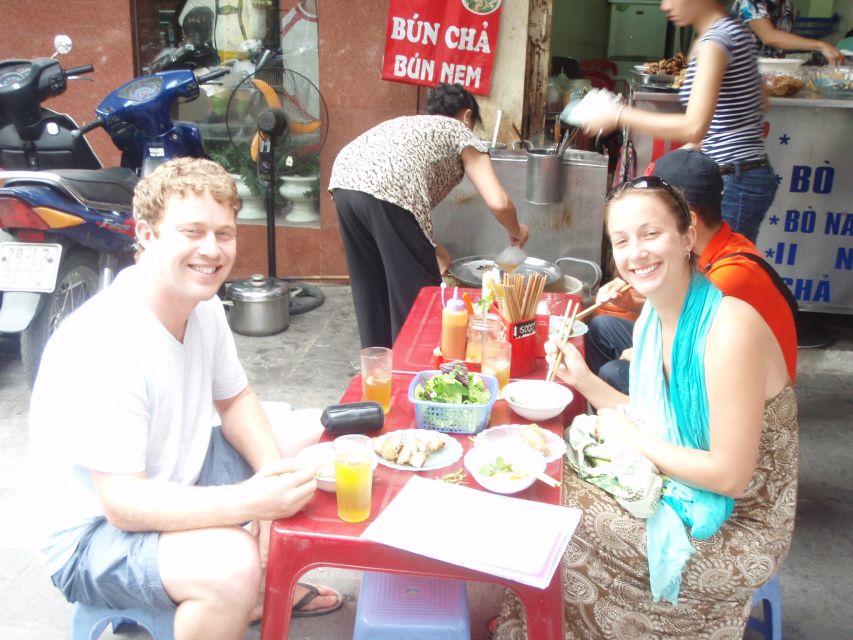
This tour is a strong fit for:
- First-timers in Hanoi who want a fast orientation through the Old Quarter and quick wins on food
- People who want street food without the stress of ordering blindly
- Anyone who cares about photos but also wants context beyond the photo
- Groups of friends or couples who prefer a small group pace (about 8 max)
It may be less ideal if:
- You need step-free access (it’s not suitable for wheelchair users, based on the activity info)
- You don’t like tight spaces or standing close for short photo moments
If you’re vegetarian, ask about options. One past booking specifically noted that a vegetarian can be catered for easily enough, so it’s not a guaranteed issue—but it’s worth confirming in advance.
Practical tips before you go: shoes, appetite, and Train Street timing
Bring comfortable shoes. The Old Quarter walk plus the approach to Train Street means you’ll be on your feet more than you might expect for a “just 3 hours” activity.
Plan your appetite. The route includes an authentic Vietnamese meal, dessert, and multiple drinks, plus street-food tastings. Even without seeing the full list of dishes beforehand, you’ll probably eat more than you intended when you arrive hungry.
For Train Street, don’t count on long preparation. The train pass is brief and the alley can be busy. Follow your guide’s positioning, and be ready when they tell you it’s time—otherwise you’ll miss the moment or end up frustrated.
If you want to take photos, keep your hands free where possible and watch your footing in narrow spots. The tour is organized for walking and photo angles, but Hanoi streets aren’t smooth, wide sidewalks.
Should you book this Hanoi street-food and Train Street tour?
I think you should book it if you want maximum Hanoi flavor per hour and you’re excited by the mix of food and one famous rail-side photo moment. The $28 price works best when you value someone handling the route, ordering decisions, and timing—especially on Train Street.
You should consider a different option if you hate crowds or you strongly prefer to eat at your own pace without standing in tight spaces for short bursts of action. Also, if you’re traveling with mobility needs that can’t handle walking, skip this one and look for a more accessible format.
If you do book, start by showing up ready to taste. Your best memories here come from letting the guide lead you through the Old Quarter trade streets, through markets, and then into that narrow alley where the train changes everything for a few seconds.
FAQ
Where do I meet the guide?
Meet your guide at the booking office at 31 Lò Sũ Street, Hoan Kiem district, close to the Water Puppet Theater.
How long is the tour?
The tour is 3 hours.
How much does it cost?
It costs $28 per person.
Is hotel pickup available?
Pickup is optional for hotels in the Old Quarter of Hanoi. If not, you’ll meet at the booking office address.
What’s included in the price?
The tour includes an English-speaking guide, authentic Vietnamese meal, dessert, and drinks, and it runs as a small-group tour (maximum 8 per tour as listed in the included details).
What should I bring and wear?
Wear comfortable shoes, since the tour is mainly on foot.
Are there any rules or restrictions?
No pets and no smoking are allowed. The activity is not suitable for wheelchair users.
More Tour Reviews in Hanoi



More Bowls and Backstreets in Hanoi



Back to Train Street

Latest Hanoi write-ups from our team


Hanoi Street Food Tours, compared.
 ★ 4.9Guided Food Tour with Train Street VisitFrom $196,239 reviews
 ★ 5.0Small Group Hanoi Street Food Tour with a Real FoodieFrom $284,682 reviews
 ★ 5.0Street Food Tour with Train Street & Hidden AlleywaysFrom $202,831 reviews
 ★ 4.9Guided Street Food Tour with Train Street ExperienceFrom $172,479 reviews
 ★ 5.0[HOT] Hanoi Old Quarter Walking Street Food – Small Group TourFrom $142,163 reviews
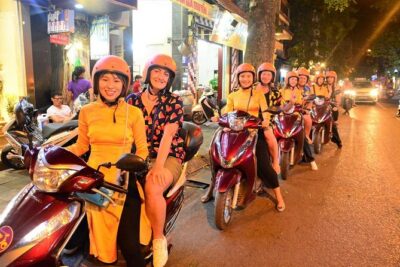 ★ 5.0Hanoi Motorbike Tours Led By Women: Hanoi By Night Foodie Motorbike ToursFrom $691,734 reviews
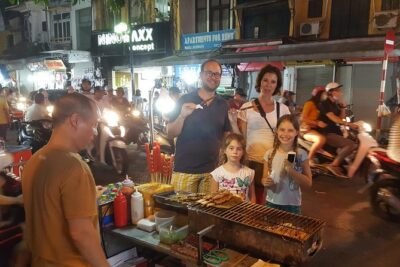 ★ 5.0Hanoi Street Food Tour with local delicaciesFrom $281,506 reviews
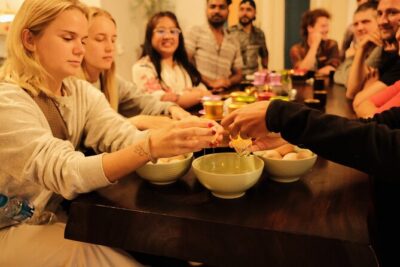 ★ 5.0Hanoi Coffee Workshop: Taste Salt, Coconut and Egg CoffeeFrom $161,286 reviews
Browse the lists this tour appears in