Reviewed · HANOI
Southeast Asia 23-day: Vietnam, Cambodia & Thailand
This route is built for people who hate wasting time. You get private guides and transfers that move you city to city, plus the big-ticket sights like Halong Bay and Angkor without the daily scramble. Communication is set up in advance (WhatsApp or phone), so you’re not guessing.
I like that the plan mixes major landmarks with real local rhythm: early-morning market time in the Mekong Delta and an honest slice of northern Thailand around Chiang Mai. I also like that the cost is set up to remove friction—private room stays, entry fees for included sights, air-conditioned transport, and most meals are part of the package.
One drawback to consider: it’s a lot of country-hopping in about 23 days, so you’ll have some long travel days and some early starts. If you want a slow, stay-in-one-place kind of trip, this may feel like a sprint.
In This Review
- Key things that make this tour work
- Private guiding that keeps you moving, not waiting
- Price and logistics: what $3,129 really covers
- Day 1 to 3: Hanoi and an early start in Halong/Lan Ha
- Days 4 to 7: UNESCO learning in Hanoi, then Hue and Hoi An at walking speed
- Days 8 to 11: Ho Chi Minh’s war history and the Mekong’s morning chaos
- Days 12 to 16: Phnom Penh reality checks, then Angkor in big, memorable blocks
- Thailand in two tempos: Bangkok first, then Chiang Mai area focus
- Chiang Mai and the surrounding circuit: waterfalls, Karen village time, and the Golden Triangle
- Pacing and comfort: what to expect from a 23-day, multi-flight plan
- Who this tour is best for (and who should look elsewhere)
- Should you book this Southeast Asia 23-day route?
- FAQ
- How many people are in the group?
- Does the price include entrance fees and guides?
- Are transfers and pickup included?
- What meals are included during the trip?
- What’s not included in the package?
- Can I cancel for a full refund?
Key things that make this tour work
- Private guides and transfers so you spend less time figuring things out and more time looking at sights
- Halong Bay plus Lan Ha Bay cruising with activities like sunrise Tai Chi and a spring-roll cooking demo
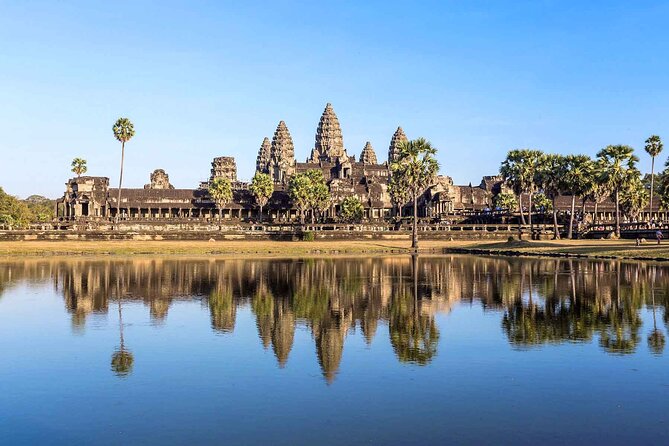
- Angkor in a smart order (Angkor Thom, Ta Prohm, then Angkor Wat) plus a jump to Koh Ker and Beng Mealea
- Mekong Delta by boat including Cai Rang floating market early in the morning
- WhatsApp/phone contact for quick questions if plans shift day to day
- Small group size (max 10) keeps the pace manageable
Private guiding that keeps you moving, not waiting
The main idea here is simple: you don’t arrive in each country and start hunting for guides, tickets, and drivers. Your team handles private tour guiding and transfers at each stop, and you’re given a clear communication channel through WhatsApp or phone. For me, that matters because Southeast Asia can be amazing—but coordination chaos is real when you’re traveling solo or as a small group.
A private guide also changes the feel of big sights. At places like Angkor, you’re not just following a crowd; you’re learning what you’re seeing while you’re standing in front of it. The same goes for the historical stops in Phnom Penh, where a guide’s framing helps you process what you’re looking at.
The group stays small (up to 10), which helps your day run smoothly. You’re not standing around for late people as much as you would on large coach tours. And since a team is already used to moving guests through checkpoints and ticket lines, you should feel the difference on the days with heavy logistics.
Not sure yet? See how this one sits next to a few Hanoi favourites.
Price and logistics: what $3,129 really covers
At $3,129 per person for roughly 23 days, this isn’t a cheap trip. But it’s priced like a “less hassle” package. You’re paying for a lot of included structure: private-room accommodations, domestic flights, air-conditioned vehicle transport, tour guides, and entrance fees for the sights that are on the itinerary.
Meals are also largely handled. The package includes breakfast every day (23 breakfasts), plus a set number of lunches (18) and dinners (2). That means you’re not constantly deciding where to eat and negotiating every meal. It’s not every lunch and dinner, so you’ll still handle some food on your own during free time, but the heavy lifting is done.
Two practical things you should still plan for: tips and personal expenses aren’t included, and alcohol/soft drinks aren’t included either. Also, this is a “you’ll move around” itinerary, so you’ll want a travel day mindset. If you like long days and don’t mind a tight schedule, the value can feel strong.
Who gets the best value? People who want the highlights—Halong Bay, Angkor, Bangkok temples, Chiang Mai area stops—without spending vacation energy on booking. If you’re the kind of traveler who enjoys researching and building your own day plan, you could probably do it cheaper. But you’d also spend more time in logistics and less time in those must-see places.
Day 1 to 3: Hanoi and an early start in Halong/Lan Ha

Hanoi is your entry point. You arrive, get transferred to your hotel, and the rest of Day 1 is for getting your bearings. That matters because Hanoi can feel intense. Having a lighter first day helps you adjust to traffic, humidity, and the sheer volume of scooters.
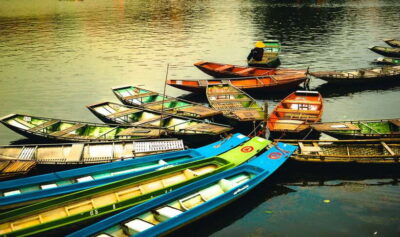
Day 2 is where the trip really starts to feel like Southeast Asia’s showpiece side. You head to Halong Bay and continue toward Lan Ha Bay, with a cruise on La Pandora. The itinerary includes transfer to Tuan Chau Marina and then by tender to the ship. Once aboard, you spend time cruising through the limestone karst scenery in the Lan Ha area.
Late afternoon brings sailing back and an overnight anchor, plus onboard extras like a cooking demonstration. The menu theme is spring rolls, and there’s also time for a sunset gathering on the sundeck. This is the kind of stuff that makes a cruise feel like an experience, not just transportation.
Day 3 starts early. You get sunrise time and a Tai Chi session on the sundeck. After light breakfast, you visit a cave (listed as Dark & Bright Cave). This timing is worth it. If you go later in the day, the bay can feel more crowded and the lighting is less forgiving for photos.
A small consideration: the schedule is early and active. If you’re sensitive to morning starts, plan for it now. Bring a light layer for mornings on the water.
Days 4 to 7: UNESCO learning in Hanoi, then Hue and Hoi An at walking speed
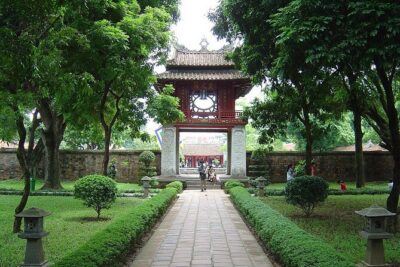
In Hanoi, the highlight day is the Temple of Literature & National University. It’s UNESCO-listed and helps you understand Vietnam’s education and scholarship tradition long before modern times. You’ll also spend time around Hoan Kiem Lake and the Ngoc Son Temple, then continue to the Vietnam Museum of Ethnology.
That museum stop is a smart addition for people who only chase temples and monuments. It gives context for Vietnam’s ethnic diversity, which helps a later itinerary feel more grounded. Even if you don’t love museums, the Vietnam Museum of Ethnology is often a better use of time than trying to “wander until you find something.”
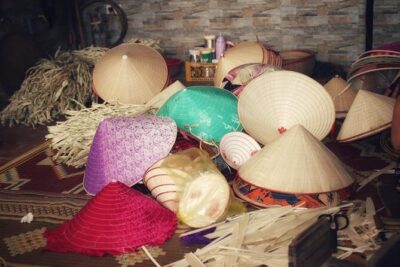
Next, the trip moves to central Vietnam, where it’s all about Hue’s historical weight. You visit Thien Mu Pagoda, then the Hue Royal Palace area, and tombs including Minh Mang and Khai Dinh. Afterward, there’s also a village-style craft stop where local artisans make incense sticks and conical hats. That kind of hands-on cultural stop gives you a break from temple scale and brings it down to daily work.
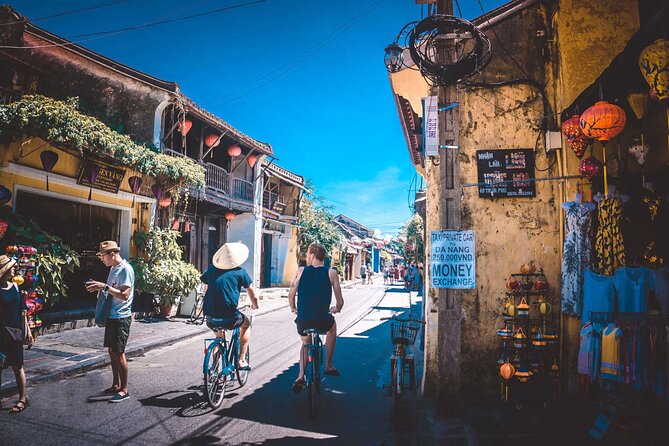
Then you transfer to Hoi An, which becomes your decompress zone. You do My Son Sanctuary (UNESCO) and later enjoy a walking explore of Hoi An’s Old Town area—shopping and relaxing on your own. Day 7 is fully leisure in Hoi An, which is the right amount of breathing room after long sightseeing blocks.
What you’ll enjoy here: Hoi An is visually rewarding without needing a “hard itinerary” every hour. You can follow your curiosity—cafes, lanterns, tailor streets—while still knowing you have a plan holding the rest of the trip together.
Days 8 to 11: Ho Chi Minh’s war history and the Mekong’s morning chaos
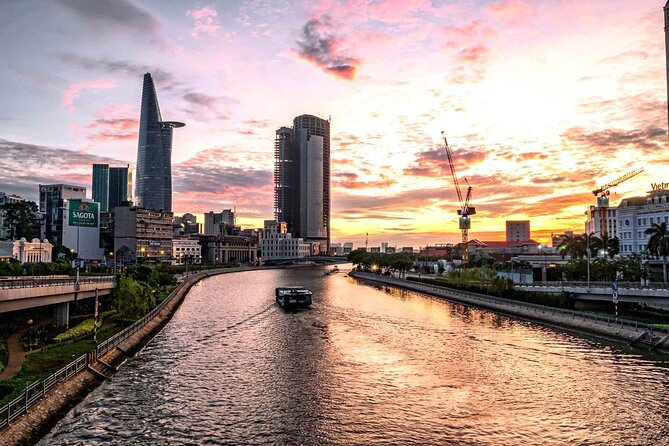
Ho Chi Minh City brings a different mood. You fly in, check in, and then the tour focuses on Vietnam’s modern war-era history through sites like the Re-Unification Palace and Cu Chi Tunnels. The itinerary also mentions the Notre Dame Cathedral area as part of the mix. It’s a day that asks you to slow your brain down, because what you’re seeing is not “photo fun” in the usual way.
Then you move into the Mekong Delta, based out of Ben Tre. A boat trip along the Mekong River includes a family-run business visit. It’s the kind of stop that helps you understand how food and goods move through the delta—not just how it looks from a motorboat.
The most time-sensitive stop is Cai Rang Floating Market. You go around 6:30am, when it’s busiest. Morning matters because you’re seeing the working side of the delta, not the post-sun heat drift. After cruising the channels, the route continues toward Châu Đốc.
One consideration: the Mekong days are active and can get hot. If you’re sensitive to heat, you’ll want water discipline and sunscreen. The good news is the itinerary includes air-conditioned transport between activities, so you’re not stuck roasting between every stop.
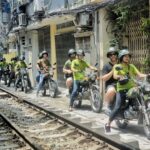
- Hanoi Motorbike Tour: Food, Culture and Fun by Vintage Motorbike★ 5.0 · 6,699 reviews
- Hanoi: Guided Food Tour with Train Street Visit★ 4.9 · 6,239 reviews
- Hanoi Cooking Class: Culture, Local Market & Meaning CSR Impact★ 5.0 · 5,147 reviews
Days 12 to 16: Phnom Penh reality checks, then Angkor in big, memorable blocks
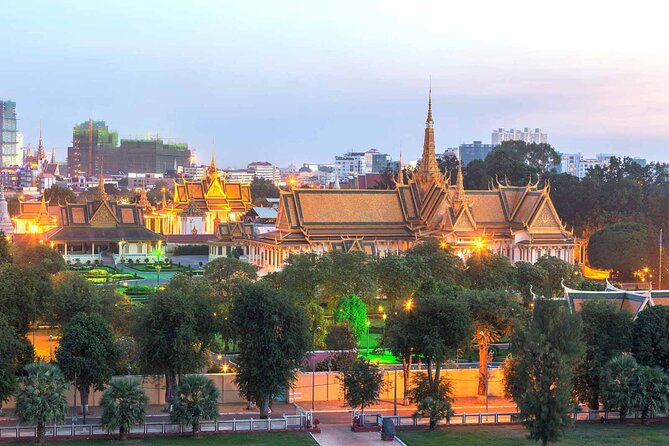
Crossing into Cambodia shifts the tone in a serious way. In Phnom Penh, you start with the Royal Palace and Silver Pagoda, with extra time that can include either the Khmer Rouge Killing Field and/or Tuol Sleng Genocide Museum. The itinerary is designed to let you choose between or include both, depending on your preference.
These aren’t light experiences. A private guide is helpful here because it’s easier to process the meaning of symbols, buildings, and exhibits when someone is explaining the context while you’re standing there. It also helps you pace your emotional energy—important for a long multi-country trip.
Then comes the part most people remember most: Angkor.
The itinerary runs Angkor in a logical order across Day 14 and Day 15:
- Angkor Thom, including the Ta Prohm zone with those famous tree roots.
- Angkor Wat later in the day (often a photo-light decision, even if the real draw is the scale).
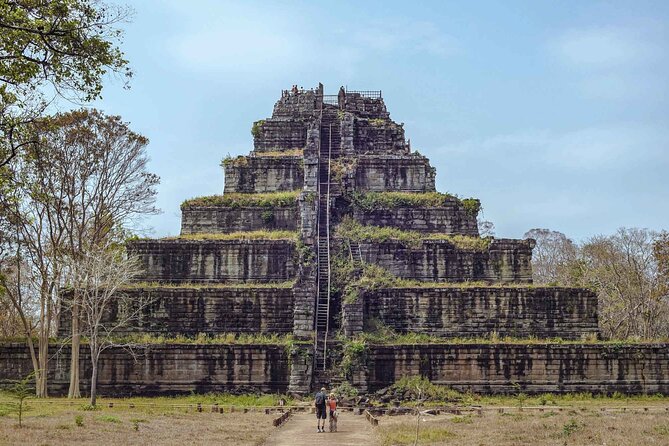
- A big detour to Koh Ker, which is remote and more “empty ruins” than “giant crowd.”
- Then Beng Mealea, with jungle-overgrown temple ruins that feel like a different genre of Angkor.
You also visit the National Museum of Cambodia and Tonlé Sap Lake. That museum stop is especially useful after the temple days, because it adds a human and historical frame to the stonework.
Finally, you transition out of Cambodia with a flight to Bangkok. If you’re thinking, wow that’s a lot of history in a row—that’s true. But the schedule also gives you variety: heavy sites in Phnom Penh, awe in Angkor, and then ecological perspective around Tonlé Sap.
Thailand in two tempos: Bangkok first, then Chiang Mai area focus
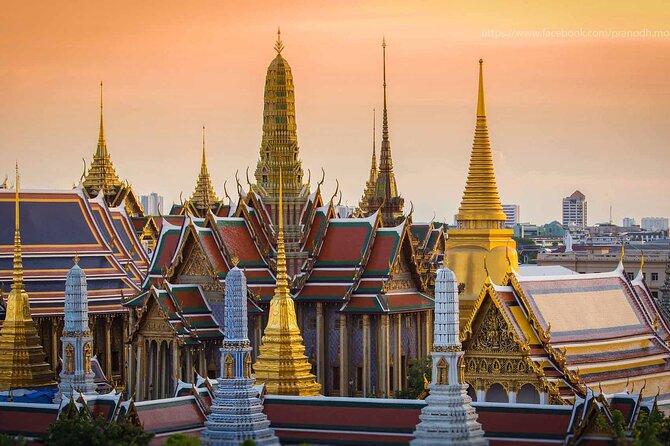
Thailand starts with Bangkok and its classic temple circuit. You fly in and then you move quickly into day trips. The itinerary includes Damnoen Saduak Floating Market early, a boat trip style experience, and a stop connected to handicraft home industry. Then it continues toward Kanchanaburi and includes the Tiger Temple visit (as listed in the itinerary).
After the floating market day, you shift tempo to Ayutthaya. You visit Bang Pa-In Summer Palace, then Ayutthaya temples including Wat Maha That and Wat Phra Si Sanphet. This is where Thailand’s old capital feel lands: fewer skyscrapers, more ruin geometry, and temple scale that makes you walk without realizing you’ve been walking.
Back in Bangkok, the itinerary includes major temples:
- Wat Traimit (Golden Buddha Temple)
- Wat Pho
- Wat Benjabophit
You also get a local lunch included during that stretch.
Then you fly north to Chiang Mai, where your days become more nature-and-culture focused.
Chiang Mai and the surrounding circuit: waterfalls, Karen village time, and the Golden Triangle
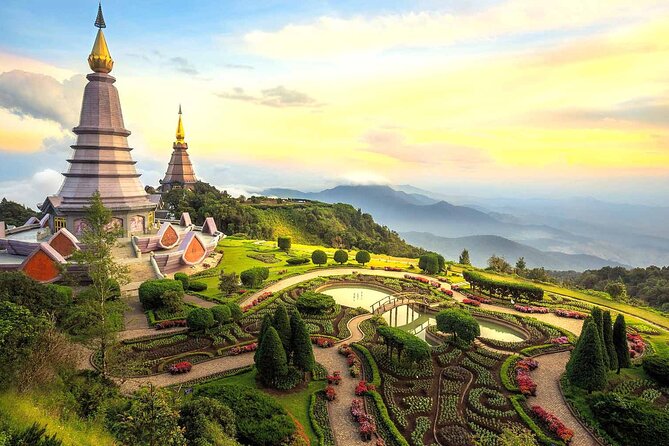
In Chiang Mai, the trip leans into Doi Inthanon National Park, Thailand’s highest mountain region. You visit temple chedis (listed as Chedis of the King and Queen) and then proceed to a Karen hill tribe village as part of the program. You also stop at Wachirathan Falls for photos and time outdoors.
That’s a full day, and it’s a good reminder that in this itinerary you’re not only chasing big monuments. You get cooler highland air (when the weather cooperates), plus views from a mountain setting, and the kind of landscape time that helps you reset.
Later, the route takes you through Lampang and into Lamphun area stops:
- Wat Prathat Lampang Luang
- Kad Kong Ta Street Market
- then Wat Phra That Hariphunchai
This is a nice change from Chiang Mai’s temple circuit. It’s more “local route” than “tour bus photo stops.”
Then Day 22 is a northern highlight mashup. You visit Mae Khachan hot springs, then Wat Rong Khun (the White Temple), and continue to Chiang Saen and the Golden Triangle area. The plan ends with Wat Phrathat Pukhao, including viewpoint steps near the House of Opium (as listed).
That last stretch is a lot of places packed into one day, so you’ll want to keep expectations flexible. Golden Triangle day is often about the feeling of the borders and viewpoints rather than one single site.
Your final day in Chiang Mai is leisure time before your departure transfer to the airport.
Pacing and comfort: what to expect from a 23-day, multi-flight plan
This is not a slow cruise-style trip. You’ll likely have multiple early mornings, especially for water and market days and for temple-heavy blocks. It’s also built around domestic flights, which reduces overland travel time but means you’ll still manage airport schedules and luggage logistics.
The trade-off is real: you get to see three countries with major highlights in one trip. And because guides and transfers are handled, you should spend less time lost in translation.
For comfort, the itinerary includes air-conditioned vehicles. That’s useful in Vietnam’s heat and humidity and in Thailand’s daytime warmth. Still, you’ll want breathable clothing, a hat, and shoes you’re comfortable walking in for temple days.
Also consider that weather can affect parts of the trip. Halong Bay in particular is weather sensitive. The good sign here is that the operation appears used to adapting when conditions go sideways, so you’re not left stranded without a plan.
Who this tour is best for (and who should look elsewhere)
This fits best if you want:
- Big highlights (Halong Bay, Angkor, Bangkok temples, Chiang Mai region sights) with low logistics stress
- A small group and private guiding style
- A trip that balances guided time and some free time (Hanoi and Hoi An have real breathing space)
- Communication support via WhatsApp or phone
It may not fit you if:
- You hate early mornings
- You want a deeply independent “I wander and decide” trip with no schedule
- You want only one country and a slow pace
One extra “human” note: the tour team’s coordinators and guides are often praised in feedback by name, including Tran Son as a coordinator and guides such as Tran. Drivers and guides listed in Vietnam include Nguyen Duong Nghia and Nguyen Quang Trung, along with others named in different regions (including Vinh Vo Hong & Son in Hue and Ben in Ho Chi Minh City). If you get similar assignments, it’s a sign the operation values responsiveness and friendly on-the-ground help.
Should you book this Southeast Asia 23-day route?
If you want a clear route through Vietnam, Cambodia, and Thailand with private guides, transfers, and included entry fees, this is an easy yes to consider. The value comes from how much planning effort it removes—especially for the big-ticket days where timing matters (morning floating market, sunrise bay time, Angkor temple sequences).
I’d book if you’re excited by variety: city history, temple scale, boat days, and northern highland nature. I’d hesitate only if you prefer a slower pace or you know you’ll struggle with early starts and back-to-back sightseeing.
My practical advice: treat this like a “highlights plus local flavor” sampler. Pack for walking and heat, build in hydration, and use the leisure blocks (like Hanoi and Hoi An) to reset your energy. Done that way, the itinerary feels like you’re seeing the region’s best-known chapters—without the headaches that usually come with stitching three countries together.
FAQ
How many people are in the group?
The tour has a maximum of 10 travelers.
Does the price include entrance fees and guides?
Yes. The package includes tour guides and all entrance fees for the included sightseeing destinations.
Are transfers and pickup included?
Pickup is offered, and you’re provided transfers between key stops and airport connections as listed in the itinerary.
What meals are included during the trip?
Breakfast is included 23 times. Lunch is included 18 times, and dinner is included 2 times.
What’s not included in the package?
Tips, alcoholic drinks, soft drinks, and personal expenses are not included.
Can I cancel for a full refund?
Yes. You can cancel up to 24 hours in advance for a full refund. If you cancel less than 24 hours before the experience starts, you don’t get a refund.