
Reviewed · HANOI STREET FOOD TOURS
(Private/Motor/Cutural) Street food experience in Hanoi old quarter
One lane of flavor, one lane of culture, one lane of chaos—nicely organized. This Hanoi Old Quarter street food experience stitches together classic tastings and famous nearby landmarks, guided by people like Sophie and Tam who know how to turn eating into an easy walk you can follow.
What I like most is the 6 to 8 street-food stops (not just one or two “filler” bites). I also like that the guides don’t only point—you’ll get help with the practical stuff, like explaining what you’re eating and, in some cases, negotiating prices at vendors.
The main consideration: you pay for the food and drinks yourself (the tour price covers the guide and the experience flow). So your final budget depends on what you choose to eat and drink along the way.
In This Review
- Key highlights worth your attention
- A street-food loop built for your first (or easiest) night in Hanoi
- Pickup, meeting point, and how you start on the right foot
- Old Quarter tastings: what you’ll actually eat (and why it’s a smart mix)
- Walking landmarks near the eating stops: Opera House area, Hoan Kiem, and the “pause” moments
- Hoan Kiem Lake: Ngoc Son Temple and The Huc Bridge
- St. Joseph’s Cathedral: Gothic Revival for photo-friendly clarity
- Duờng Tau (Train Street): the thrill is real, but safety rules guide the vibe
- Dong Xuan Market: how the biggest covered market changes your perspective
- Price and food budget: what the $29 really means
- Guide quality: the experience works best with strong communication
- Who should book this Hanoi Old Quarter street food tour
- Quick FAQ
- FAQ
- What does the $29 price include?
- How long is the street food experience?
- How many people are in a group?
- Is hotel pickup included?
- Where does the tour start?
- Are admission tickets included?
- Do I pay for food during the tour?
- Does the tour run every day?
- Is there free cancellation?
- Is the tour suitable for people with allergies or vegetarian preferences?
- Should you book this Hanoi Old Quarter street food tour?
Key highlights worth your attention

- Six to eight street foods in one logical loop, including bun cha, pho, banh cuon, banh mi, banh goi, and egg coffee
- Pickup and drop-off in the Old Quarter so you don’t waste time figuring out starts and ends
- Hoan Kiem Lake focus with Ngoc Son Temple and The Huc Bridge for a calm contrast to street-food heat
- Duờng Tau / Train Street with the real-world challenge of a narrow street and a twice-daily train
- Dong Xuan Market time in Hanoi’s biggest covered market zone for food and daily life energy
- Student-guide style, guide quality varies (some guides are reported as excellent; one experience notes English communication challenges)
A street-food loop built for your first (or easiest) night in Hanoi
Hanoi’s Old Quarter can feel like sensory overload on day one. This tour is designed to prevent that. You’re walking in the central Hoàn Kiếm area in a planned order, and you’re not stuck guessing which stall is legit or what each dish actually tastes like. Instead, you get a guide who keeps the pace moving and helps you sort the menu chaos.
It also matters that the tour is private for your group (up to 15 people). That means fewer “herding cats” moments and more chance to ask quick questions—especially about ingredients, allergies, or vegetarian choices. At the start, you’re asked about food allergies and whether anyone is vegetarian, so the plan can steer around common issues.
One more good sign: the tour is built around foods that locals actually eat and repeat, not trendy “tour-only” versions. You’re sampling across noodle bowls, savory pancakes/dumplings, sandwiches, and even egg coffee—so you get a real picture of what Vietnamese cafés and street stalls do well.
More wandering through the Old Quarter lanes

Pickup, meeting point, and how you start on the right foot
The experience starts near the Thang Long Water Puppet Theatre (57B P. Đinh Tiên Hoàng, Hàng Bạc, Hoàn Kiếm). If you’re staying in the Old Quarter, you can usually skip the meeting point logistics with free hotel pickup and drop-off—big value if you’re tired, or if you’re traveling with luggage.
Before you eat, you’ll get a short moment to sort out preferences. The tour includes a quick discussion of food allergies and vegetarian status, plus a look at the walking plan. It’s not the kind of thing you want to do after you’ve already been served a dish you can’t eat.
Also, the tour uses a mobile ticket, and it runs every day. That matters if you’re trying to build a flexible first-night schedule in Hanoi, where weather and jet lag can rearrange everything.
Old Quarter tastings: what you’ll actually eat (and why it’s a smart mix)
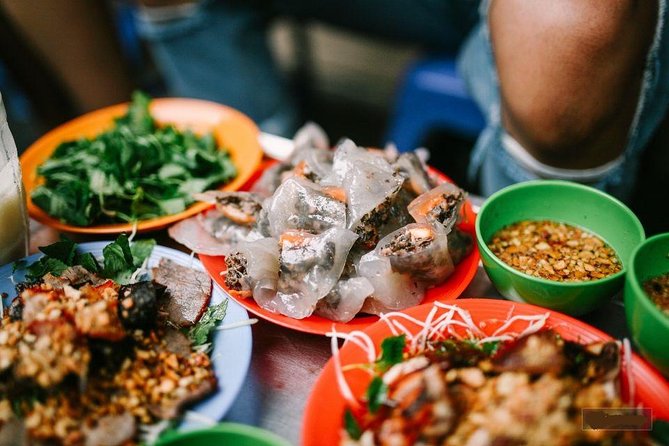
The core of the experience is your food walk through the Old Quarter, plus some nearby sightseeing time. The tour is built to help you taste a spread of Hanoi classics without you needing to research each one separately.
Here are the dishes you should expect to see on your list:
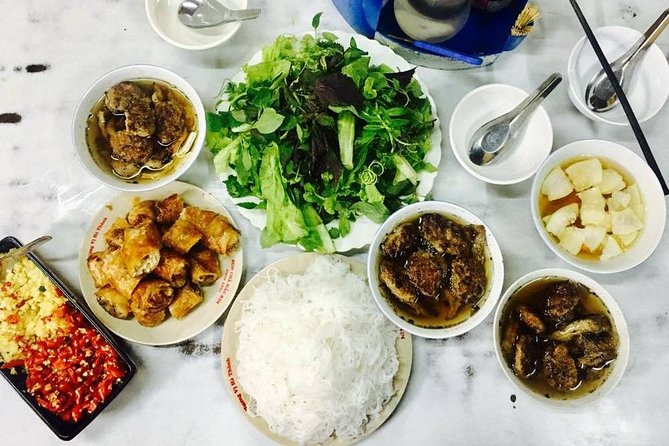
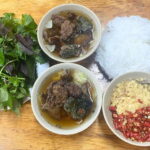
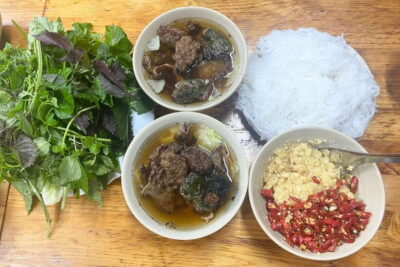
- Bun cha (grilled pork with rice noodles)
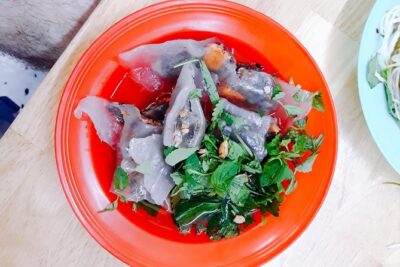
- Banh cuon (steamed rolled rice pancakes)
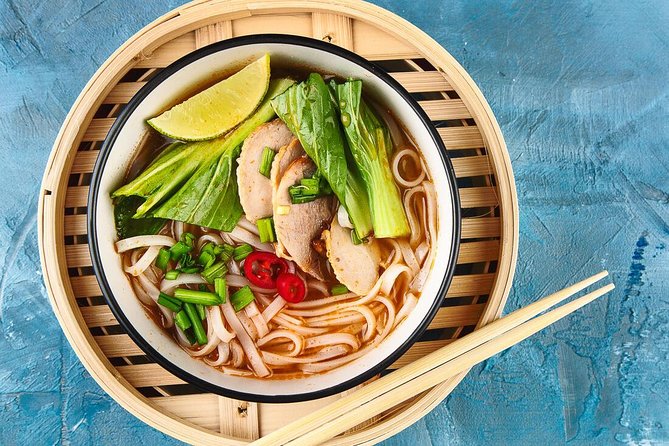
- Pho (rice noodle soup with beef)
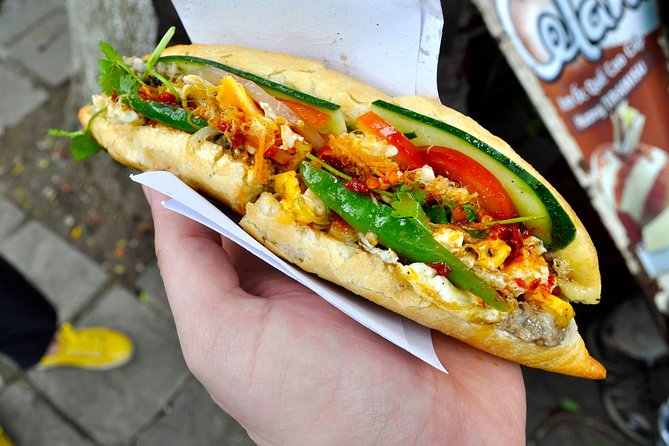
- Banh mi (Vietnamese sandwich)
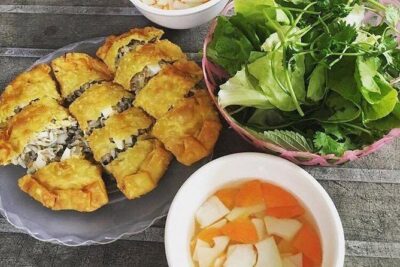
- Banh goi (fried dumplings)
- Ca phe trung (egg coffee)
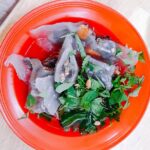
And you may also find additional staples like bánh xèo (Vietnamese pancake), and bún riêu cua (crab soup noodle).
Why this mix works: you’re not only tasting “different dishes,” you’re tasting different ways of building a meal. Bun cha and pho give you the noodle-and-soup side. Banh cuon shows the silky, delicate side of Vietnamese street cooking. Banh mi gives you the fast, crunchy contrast. Banh goi and bánh xèo bring the fried and savory “snack dinner” energy. Then egg coffee is your sweet, foamy finish.
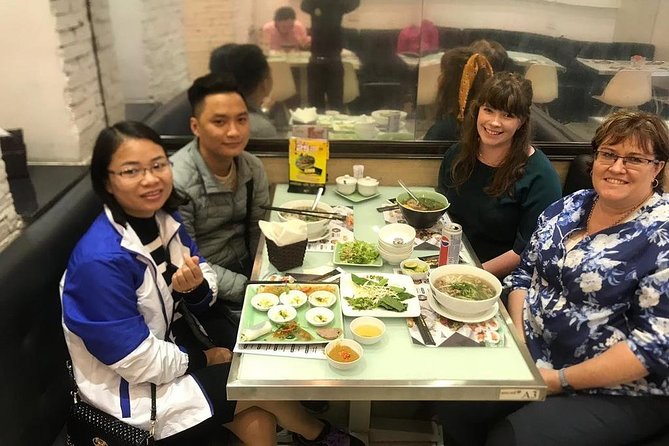
A practical note: because food and drinks aren’t included, the guide’s recommendations matter a lot. In one reported experience, Tam helped negotiate prices and steered the group toward street-food choices that were new to them. If you’re the type who wants to taste widely, this kind of guidance helps you avoid ordering the wrong thing twice.
Walking landmarks near the eating stops: Opera House area, Hoan Kiem, and the “pause” moments
After you’ve started eating, the walk becomes more than just a food crawl. You also get a path through central Hanoi scenery, with time to breathe between heavier bites.
Hoan Kiem Lake: Ngoc Son Temple and The Huc Bridge
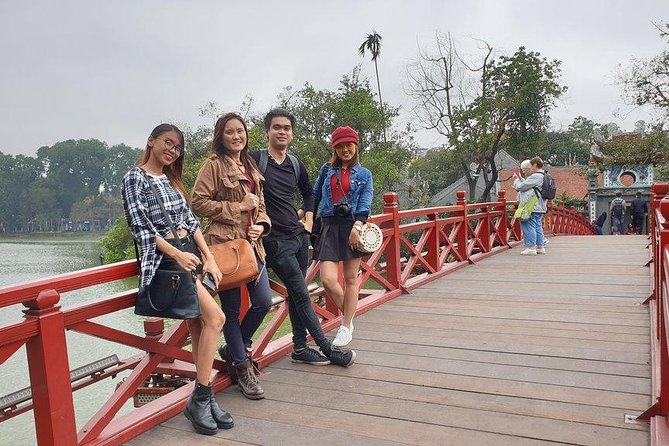
Hoàn Kiếm Lake (Lake of the Restored Sword) is the center of Hanoi, and this stop is your reset. You’ll spend around 30 minutes here, with time at Ngoc Son Temple and The Huc Bridge. The big value isn’t a museum-style lesson—it’s watching everyday life close up while your stomach cools down.
If you’re there on Friday, Saturday, or Sunday, you might also catch the Hoan Kiem Lake walking street vibe. That can change the feel of the area: more pedestrians, more street activity, and more chances to see how locals “hang out” around the lake.
Still hungry? More Hanoi street-food crawls
- Small Group Hanoi Street Food Tour with a Real Foodie★ 5.0 · 4,682 reviews
- [HOT] Hanoi Old Quarter Walking Street Food – Small Group Tour★ 5.0 · 2,163 reviews
- Hanoi Motorbike Tours Led By Women: Hanoi By Night Foodie Motorbike Tours★ 5.0 · 1,734 reviews
St. Joseph’s Cathedral: Gothic Revival for photo-friendly clarity
Next, you’ll pass through St. Joseph’s Cathedral. The reported stop time is about 30 minutes, and admission is listed as free.
This church is described as late 19th-century Gothic Revival, with French-era construction starting in 1886. Even if you’re not there for architecture, it’s a helpful landmark: it anchors the area so you don’t just feel like you’re walking in circles between food stops.
One travel reality: cathedrals and churches are great, but you’ll want to dress normally and keep it respectful. This stop is easiest if you’re already in “walk and look” mode from the food experience.
Duờng Tau (Train Street): the thrill is real, but safety rules guide the vibe
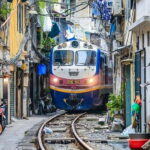
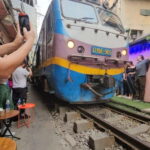
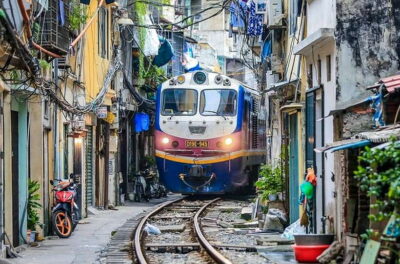
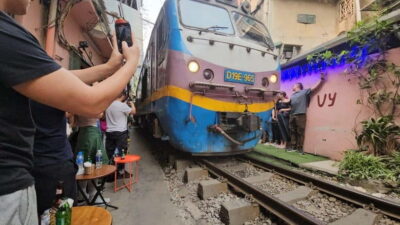
One of the most memorable parts of Hanoi for first-timers is Duờng Tau, the residential street where a train passes through. Your guide will bring you to this area for about 30 minutes, and the key detail is how the street works.
Because the street is so narrow, residents have to keep bikes, belongings, and children inside before the train passes. That’s the whole point—this isn’t a staged attraction. It’s a living neighborhood with a rail line running through it.
What I’d watch for if you’re booking: your experience depends on timing. The tour says the train passes twice a day, so you might get the chance to see it based on your schedule that day. If you’re picky about the exact moment you need for photos, you may want to arrive with patience rather than expecting a guaranteed “perfect shot” window.
Dong Xuan Market: how the biggest covered market changes your perspective
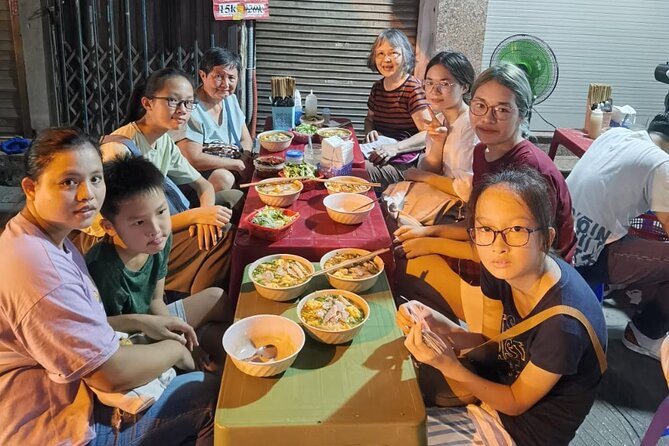
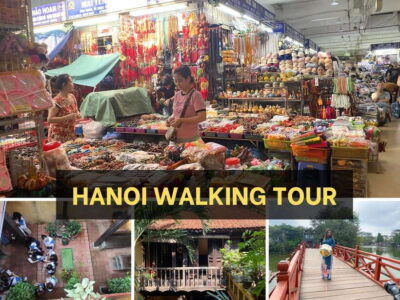
You’ll also stop at Đồng Xuân Market, around 30 minutes. Admission is listed as free, and this is where Hanoi shifts from “street snacks” into a more everyday retail rhythm.
The market is described as:
- the largest covered market in Hanoi
- originally built by French administration in 1889
- renovated multiple times, with major work in 1994 after a fire that nearly destroyed it
Why I think this stop is valuable: after tasting food, you get to see where ingredients and everyday goods move through. Even if you don’t buy anything, it helps you understand Hanoi as a working city, not just a sightseeing city. It’s also a good place to observe how quickly vendors and wholesale traders handle business—fast, practical, and built for daily flow.
Price and food budget: what the $29 really means
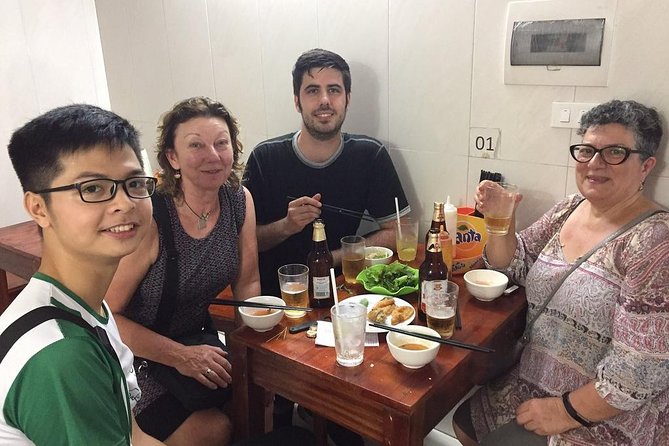
The tour is priced at $29 per group (up to 15) for about 4 hours. That pricing is the big variable: if you book with just a couple people, your per-person cost might feel higher than if you’re in a larger group. If you’re booking as a small group, the math will depend on how the platform charges your group size.
What’s clearer is what that fee covers and what it doesn’t:
- Included: English-speaking guide, and free pickup/drop-off only in the Old Quarter
- Not included: food and drinks
The tour description also notes that you’ll cover expenses (foods, drinks, and transport), and gives a rough idea of spending—about $10 for 2 to 4 people—though your actual spend can change with what you order.
My practical recommendation: treat the base price as the guided plan, and treat your food budget as a separate line item. If you’re excited about tasting everything listed (bun cha, pho, banh mi, egg coffee, and the rest), plan to spend accordingly and don’t try to force a tiny budget through a multi-stop tasting format.
Guide quality: the experience works best with strong communication
This is where your booking can make or break the evening. Most of the highlighted feedback praises guides who are engaging, funny, and well informed. People named Sophie and Tam are described as helpful, polite, and very informative, with Tam also helping with negotiating prices and even sharing Communist history and influence while moving through the area.
But one caution from the available feedback: a guide named Thaan was reported as accommodating but newer to English speaking, which made communication harder. That doesn’t mean the tour is bad—it means your experience may vary depending on who’s assigned that day.
If you’re counting on deep explanations, go in expecting guidance to be helpful but simple. Ask direct questions early—about what you’re eating, what to taste first, and what substitutions might work for allergies or vegetarian needs.
Who should book this Hanoi Old Quarter street food tour
Book it if:
- you want classic Hanoi street foods in a structured walk
- you’d like a guide to help you order and avoid confusion
- you want to combine eating with easy central sightseeing (Hoan Kiem area, cathedral zone, Train Street, Dong Xuan Market)
- you prefer a group tour style that stays organized but still feels local
You might skip it if:
- you already know exactly what stalls you want and prefer total independence
- you need a very strict diet plan and can’t risk a loose conversation about ingredients (the tour does ask about allergies/vegetarian needs, but food choices are still part of a street environment)
- you’re very sensitive to guide language variation, since the tour uses student guides in some cases
Quick FAQ
FAQ
What does the $29 price include?
It includes the English-speaking tour guide and the guided experience flow. Food and drinks are not included.
How long is the street food experience?
It’s about 4 hours (approx.).
How many people are in a group?
It’s priced per group and can be booked for a group up to 15 people, and it’s private for your group only.
Is hotel pickup included?
Pickup and drop-off are included for hotels in Hanoi Old Quarter only.
Where does the tour start?
The meeting point is near Thang Long Water Puppet Theatre, at 57B P. Đinh Tiên Hoàng, Hàng Bạc, Hoàn Kiếm, Hà Nội.
Are admission tickets included?
Most admission is listed as free for stops like Hoan Kiem Lake areas, St. Joseph’s Cathedral, Train Street, and Dong Xuan Market. Opera House is mentioned as optional, with admission ticket not included.
Do I pay for food during the tour?
Yes. Food and drinks are not included, and you cover those expenses during the experience.
Does the tour run every day?
Yes, it’s available every day, and you can book any time.
Is there free cancellation?
Yes. Free cancellation is offered up to 24 hours in advance for a full refund, based on local time.
Is the tour suitable for people with allergies or vegetarian preferences?
The tour includes a short discussion at the start about food allergies and vegetarian needs, so you can communicate before ordering.
Should you book this Hanoi Old Quarter street food tour?
If you want an easy, guided way to eat your way through Hanoi’s classics while still seeing the city in the same evening, I’d book it. The strongest reason is the balance: multiple tastings plus a clear walking loop that hits Hoan Kiem Lake, Train Street, and Đồng Xuân Market without you having to plan each stop alone.
If you’re on a tight food budget or very picky about language and food explanations, go with eyes open. Ask questions early, confirm what dishes you’ll get, and be ready to pay for food and drinks separately. If you do that, you’ll end up with a night that feels local, not stressful—and with the kind of street food variety that’s hard to match on your own.
More Tour Reviews in Hanoi




More Bowls and Backstreets in Hanoi

More of the Old Quarter


Latest Hanoi write-ups from our team



Hanoi Street Food Tours, compared.
 ★ 4.9Guided Food Tour with Train Street VisitFrom $196,239 reviews
 ★ 5.0Small Group Hanoi Street Food Tour with a Real FoodieFrom $284,682 reviews
 ★ 5.0Street Food Tour with Train Street & Hidden AlleywaysFrom $202,831 reviews
 ★ 4.9Guided Street Food Tour with Train Street ExperienceFrom $172,479 reviews
 ★ 5.0[HOT] Hanoi Old Quarter Walking Street Food – Small Group TourFrom $142,163 reviews
 ★ 5.0Hanoi Motorbike Tours Led By Women: Hanoi By Night Foodie Motorbike ToursFrom $691,734 reviews
 ★ 5.0Hanoi Street Food Tour with local delicaciesFrom $281,506 reviews
 ★ 5.0Hanoi Coffee Workshop: Taste Salt, Coconut and Egg CoffeeFrom $161,286 reviews
Browse the lists this tour appears in