
Reviewed · HANOI STREET FOOD TOURS
Private food tour with Real Foodie
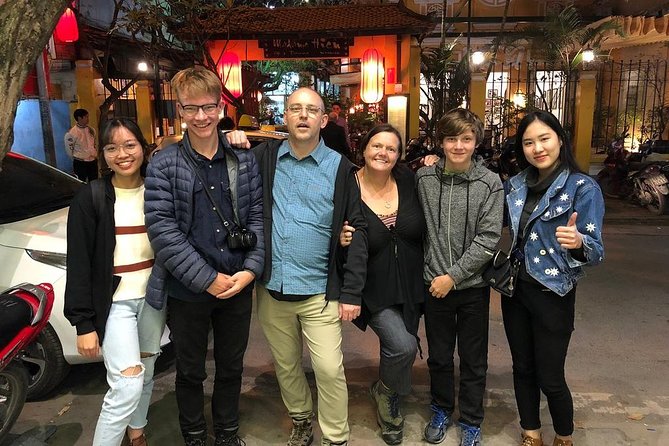
A first-night Hanoi tour should be fun and practical. This one mixes real street food with major landmarks like Hoan Kiem Lake and Hanoi Train Street, so you get answers fast and go home happy. I especially like the short allergy and preferences check at pickup, and I love how the guide can steer you toward dishes you actually want to eat. One thing to consider: since the food is pay-as-you-go, your final total depends on what you order and how many stops your group chooses to linger at.
If you like walking with a local guide instead of guessing from apps, this tour fits well. You get a private setup for your group, plus a mobile ticket, and you’re also set up to see a few classic Hanoi sights without turning it into a history marathon.
In This Review
- Key things that make this tour worth your attention
- Old Quarter start: pickup, quick checks, and getting your bearings
- Hoan Kiem Lake and Old Hanoi rhythm at ground level
- Hanoi landmarks in between bites: Opera House and St. Joseph’s Cathedral
- Duờng Tau (Train Street): how to watch safely, not just quickly
- Dong Xuan Market: where shopping culture meets snack thinking
- Price and value: $37 plus pay-what-you-eat street snacks
- What you actually eat: choices that match your tastes
- Timing and walking: how to plan your day around 3 hours
- Who this tour suits best (and who might want to adjust expectations)
- Practical tips to make your food stops easy
- Should you book this Real Foodie private food tour in Hanoi?
Key things that make this tour worth your attention
- Private food focus plus landmark stops, so the day feels purposeful rather than random.
- Preference-first pickup: a quick chat about allergies and whether you’re vegetarian or not.
- Hoan Kiem Lake basics: exercise culture, Ngoc Son Temple, and the Huc Bridge area.
- Train Street timing on Duờng Tau, where a speeding train runs through the narrow residential lane.
- Dong Xuan Market energy to understand what locals buy and cook with.
- Pay only what you eat, with guidance toward about 5–8 street foods.
Old Quarter start: pickup, quick checks, and getting your bearings
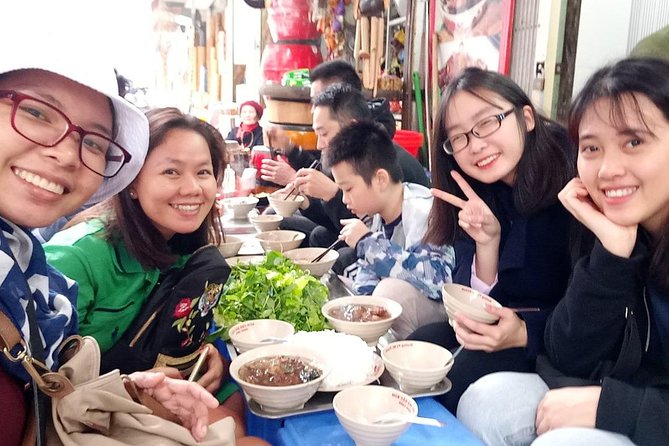
Your tour starts in Hanoi’s Old Quarter area. You can get picked up at your hotel or hostel punctually if you’re in the Old Quarter zone, then you’ll spend a few minutes talking through practical needs before you start walking. That short prep matters more than it sounds. If you have allergies, you don’t want to discover limitations mid-meal.
This is also where the guide sets the tone for the whole evening. You’ll be able to say if you avoid certain ingredients, if you’re vegetarian, or if you want “more crunchy, less soup” type of choices (your exact menu depends on what the guide finds and what vendors have that day). In my kind of travel, this kind of early alignment saves a lot of wasted time later.
A neat detail: the tour uses a mobile ticket, so you’re not fumbling with paper while walking in crowds.
Still hungry? More Hanoi street-food crawls

Hoan Kiem Lake and Old Hanoi rhythm at ground level
Hoan Kiem Lake is the center of Hanoi for a reason. Even without going inside every building, you get an immediate feel for how the city moves. Early on, you’ll see locals doing exercise around the lake, which turns this stop from sightseeing into daily-life observation.
From there, you’ll get views and time connected to Ngoc Son Temple and the Huc Bridge area. The bridge area is especially good if you want a classic Hanoi photo without sprinting through. And because the guide is managing the flow, you’re less likely to get stuck in photo traffic at the wrong moment.
What I like most here is that it helps you understand the food tour you’re about to take. Hanoi street food isn’t just about flavors. It’s about routine, snacks taken between walks, and small bites that fit into real schedules. Hoan Kiem gives you that context fast.
Possible drawback: this part can involve more walking than you expect if you’re worn out from travel or if the weather turns. Wear comfy shoes and keep your expectations realistic: you’re balancing landmarks and snacks in one route.
Hanoi landmarks in between bites: Opera House and St. Joseph’s Cathedral
The itinerary includes more than food, but it doesn’t try to turn into a full-day tour. You’ll get a look at the Hanoi Opera House area (the French-built landmark erected by the colonial administration between 1901 and 1911 is the key reference point listed in the tour notes). Even if you’re not a theater person, the building helps explain why this city has such a strong French-era architectural layer.
Then you move to St. Joseph’s Cathedral. It’s a late 19th-century Gothic Revival church and functions as a Catholic cathedral in Hanoi. The stop is short, so think of it as a “stop, look, orient” moment rather than a deep dive into architecture.
This pairing works for first-time visitors. The food tour is what you’ll remember for the flavors, but the landmarks help you map Hanoi in your head. You start to notice neighborhoods, street directions, and how far the food scenes spread.
Duờng Tau (Train Street): how to watch safely, not just quickly
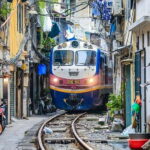
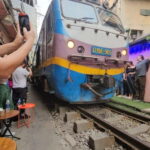
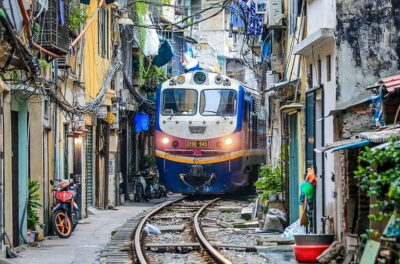
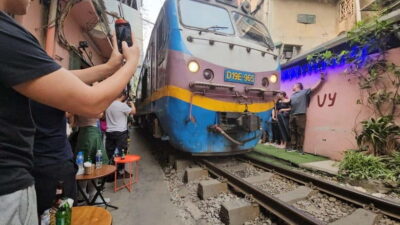
One of the most famous stops is Duờng Tau, often called Hanoi Train Street. Here’s the practical reality: the lane is narrow, and a speeding train passes straight through twice a day. Your tour includes this stop, and it’s not just a photo-op. It’s also a reminder that this is still a living residential street.
During the visit, your guide will help you position yourself and keep you away from the mess that can happen when people crowd without thinking. The tour notes highlight how residents have to secure bikes and belongings because of how the train passes. That single detail changes how you see the place. It’s not a theme park. It’s someone’s home.
What you’ll get out of this stop is a mix of spectacle and understanding. You see how infrastructure and everyday life collide, and you get a stronger sense of why a food tour in Hanoi has to be flexible and guided. Street scenes can change fast around train windows, and the guide is there to manage the timing.
Consideration: the train is a moving schedule. If you’re expecting a guaranteed long stay at Train Street, plan for the fact that watching time can be compressed.
Dong Xuan Market: where shopping culture meets snack thinking
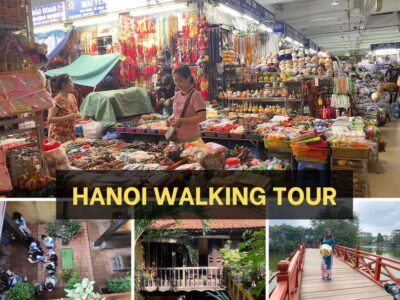
Đồng Xuân Market (Dong Xuan Market) is one of the classic central markets in Hanoi. The tour route includes time here, and it’s built around the idea of local shopping life, not just tourist browsing. The market was originally built by the French administration in 1889, and it’s been renovated over time, with the latest major restoration in 1994 after a fire.
When a food tour reaches a market, it gives you something the street alone can’t: a “where does it come from” view. Even if you don’t do a full shopping spree, you can connect ingredient types to the dishes you’re eating. You start noticing how vendors handle produce and packaged items, and how the market supports the street food economy.
A common benefit for people new to Hanoi: the market helps you understand the rhythm of buying and eating. In a city like this, street food isn’t random. It’s often tied to what’s fresh, affordable, and available that day.
Worth a glance beside this Hanoi pick:
- Hanoi Jeep Tour: Food, Culture and Fun by Vietnam Army Jeep★ 5.0 · 15,222 reviews
- Hanoi Motorbike Tour: Food, Culture and Fun by Vintage Motorbike★ 5.0 · 6,699 reviews
- [HOT] Hanoi Old Quarter Walking Street Food – Small Group Tour★ 5.0 · 2,163 reviews
Price and value: $37 plus pay-what-you-eat street snacks
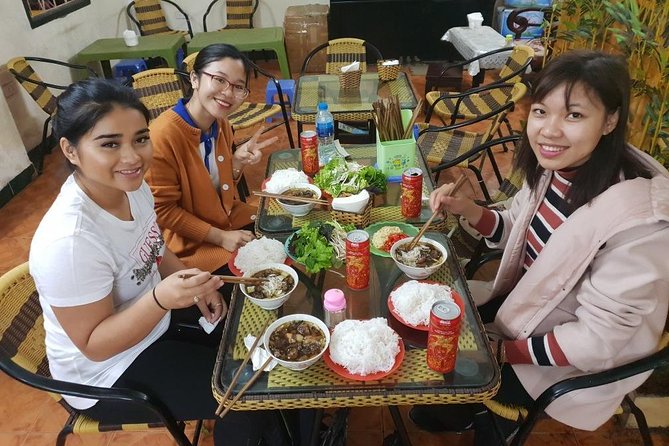
The headline price is $37 for the private tour. For most travelers, that sounds reasonable for a 3-hour guide-led route that includes multiple landmark stops. But the real value story is how the food is handled.
Food isn’t included, and the tour uses a pay-only-what-you-use model. The guidance is typically 5–8 different street foods, with about $10 for 2–4 people mentioned as the expected level for the tasting portion. In practice, that means your cost stays controlled. You don’t get locked into a fixed menu where you might hate half the items.
This also means you should watch for pacing and portion choices. If your group is ordering big shares at each stop, the total rises. If you taste smaller portions and move on, you keep it budget-friendly. Either way, the guide can help you make sensible choices so you don’t overpay out of hunger.
My advice: go hungry, but don’t go reckless. If you’re tasting 6–8 bites, you’re basically building a meal out of pieces. You’ll feel better if you save water and a later real dinner for after the tour.
What you actually eat: choices that match your tastes
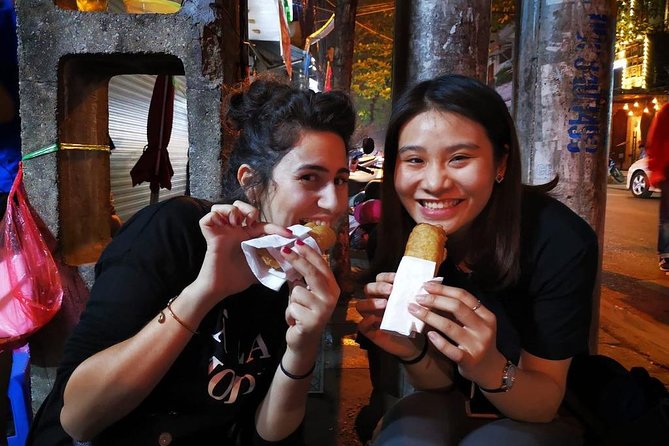
You’re promised street food that locals actually eat, and the guide is supposed to send you to places that don’t depend on being famous online. The goal is not just flavor. It’s also learning how recipes and local traditions work.
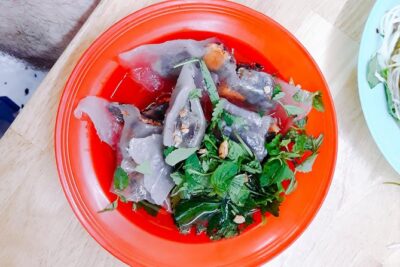
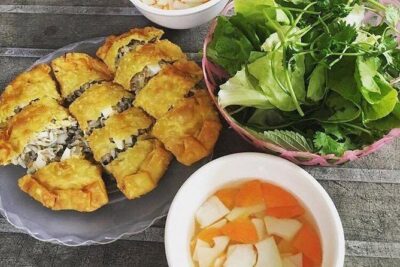
From a standout guide experience, Alex is named as a fun, informative guide who tailored the tour to people’s tastes. The dish examples included bánh xèo and egg coffee, which are the kind of Vietnamese comfort-meets-indulgence items that usually land well for first timers. The key point is that your guide can steer you toward dishes that fit your preferences, not just the most popular items on a checklist.
You can also expect explanations along the way, including stories about recipes and what makes certain ingredients work together. Even when you don’t understand every cooking term, the “why” sticks better than a simple list of dishes.
Potential downside to keep in mind: since the foods are not fixed and depend on the day, what you eat may vary. That’s usually a good thing in street food travel, but if you have your heart set on one specific dish, ask your guide early in the walk.
Timing and walking: how to plan your day around 3 hours
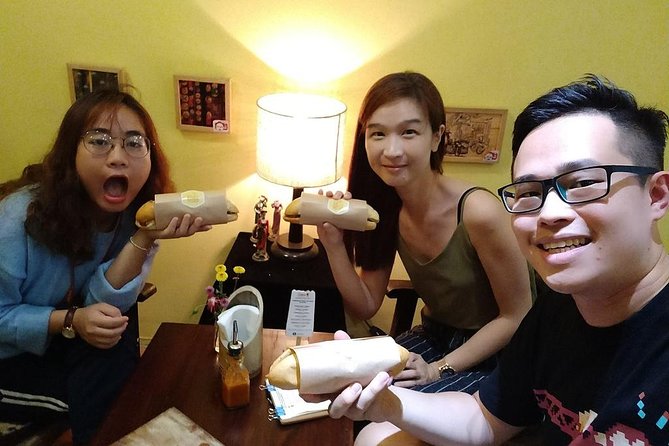
The tour is about 3 hours, give or take based on walking pace, crowd conditions, and how long you want to linger at each stop. Because the itinerary includes both landmarks and food stops, you should treat it as a “smart first evening” plan rather than a slow, photo-heavy tour.
If you plan to do a second activity right after, keep it light. You’ll likely want to cool down, hydrate, and decide whether you’re still hungry. Street food portions are small, but the variety adds up.
The good news is that the route gives you structure. Even if you’re tired, you’ll have a clear order: pickup and prep, then lake and temples/bridge area, then cathedral/landmarks, then Train Street, and finally the market. That makes it easier to enjoy Hanoi without feeling lost.
Weather matters too. The tour notes say it requires good weather, which is a real factor for street walking. If rain hits, you may need to adjust plans.
Who this tour suits best (and who might want to adjust expectations)
This tour is a strong match if you:
- want a first-time Hanoi orientation with street food
- like learning through tasting, not just watching
- prefer a private group experience so you can ask questions and move at your pace
- want a guide who can handle practical needs like allergies and vegetarian requests
It may be less satisfying if you:
- hate pay-as-you-go food setups (because your total depends on what you choose)
- want a long sit-down meal style experience
- expect every stop to be equally long and unhurried (3 hours is tight once walking and photos start)
One small practical note from the private setup: some groups may have more than one guide working together. That can be helpful for splitting attention, but it can also make the flow feel slightly different than a single-guide tour.
Practical tips to make your food stops easy
These tips help you get better results from this kind of street food format:
- Bring a small amount of cash and plan on extra spending for the food portion you order.
- Tell your guide everything at the start, not after you’re already standing in line. The quick allergy and vegetarian discussion is there for a reason.
- Wear shoes that handle uneven pavement and crowded sidewalks.
- If Train Street is part of your highlight list, be flexible about timing. You’re watching a train pass in a narrow lane, so crowds and schedules matter.
- Take it easy on the first bite. Hanoi street food can hit fast, and you’ll enjoy the variety more if your stomach is comfortable.
Should you book this Real Foodie private food tour in Hanoi?
I’d book this tour if you want a straightforward way to see Hanoi and eat like you mean it, without turning your night into a guessing game. The combination of Old Quarter orientation, Hoan Kiem Lake, and Train Street makes it feel like you’re learning the city, not only collecting dishes. And the pay-what-you-eat model gives you control over cost while still delivering variety.
Skip it or adjust expectations if you want a fixed menu, included meals, or a super slow pace. Also, if you’re traveling during uncertain weather, keep a backup plan in mind since the tour depends on good conditions for walking.
If your priority is a smart first evening with a guide who can match your tastes, this one is a solid bet.
More Tours in Hanoi
- Ninh Binh Full-Day Tour from Hanoi to Hoa Lu, Tam Coc & Mua Cave Via Boat & Bike
★ 5.0 · 4,384 reviews


More Tour Reviews in Hanoi


More Bowls and Backstreets in Hanoi

Latest Hanoi write-ups from our team


Hanoi Street Food Tours, compared.
 ★ 4.9Guided Food Tour with Train Street VisitFrom $196,239 reviews
 ★ 5.0Small Group Hanoi Street Food Tour with a Real FoodieFrom $284,682 reviews
 ★ 5.0Street Food Tour with Train Street & Hidden AlleywaysFrom $202,831 reviews
 ★ 4.9Guided Street Food Tour with Train Street ExperienceFrom $172,479 reviews
 ★ 5.0[HOT] Hanoi Old Quarter Walking Street Food – Small Group TourFrom $142,163 reviews
 ★ 5.0Hanoi Motorbike Tours Led By Women: Hanoi By Night Foodie Motorbike ToursFrom $691,734 reviews
 ★ 5.0Hanoi Street Food Tour with local delicaciesFrom $281,506 reviews
 ★ 5.0Hanoi Coffee Workshop: Taste Salt, Coconut and Egg CoffeeFrom $161,286 reviews
Browse the lists this tour appears in