Reviewed · HANOI
Knife Making in Blacksmith Village in Hanoi
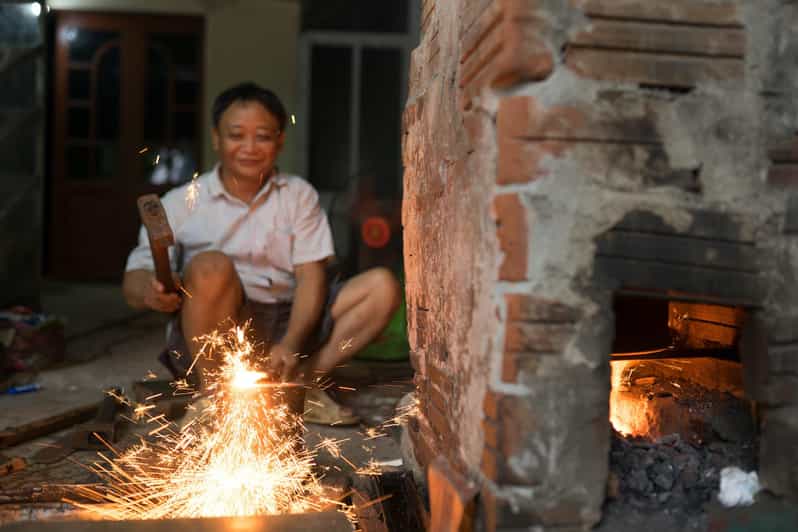
A knife starts with fire. In Hanoi’s Da Sy blacksmith village, you get real hands-on forging, not a quick photo stop. I especially like that the workshop walks you through the full process—from red-hot shaping to tempering and finishing—so you understand what makes a blade work.
You’ll also see how a craft shaped by war later turned toward everyday life, including agricultural tools and kitchen implements. One thing to consider: this is a working-forge experience with sparks, so plan on long sleeves and long pants and wear clothes you don’t mind getting warm.
In This Review
- Key Highlights You’ll Care About
- Da Sy Blacksmith Village: Why This Hanoi Workshop Feels Local
- Price and What You Actually Get for $54
- What Happens in the 2.5 Hours: From Red-Hot Metal to Your Knife
- 1) Start with the history and the role of the blacksmith
- 2) Learn the safety rules before sparks fly
- 3) Forge your knife through multiple steps
- 4) Finish, sharpen, and take your knife home
- Meet Mai (and Smith Ha): The Human Part of Knife Making
- Safety, Clothing, and Meeting at the Football Field Entrance
- What to wear
- Where to meet
- Timing flexibility
- Group size and pace
- Taking Your Knife Home Without Drama
- Who This Workshop Is Best For (and Who Might Prefer Another Plan)
- Should You Book Knife Making in Blacksmith Village in Hanoi?
- FAQ
- How long is the knife-making workshop?
- What does the $54 price include?
- Where do I meet the guide in Hanoi?
- Is there pickup and drop-off within Hanoi?
- What should I wear for the workshop?
- Is the activity wheelchair accessible?
Key Highlights You’ll Care About
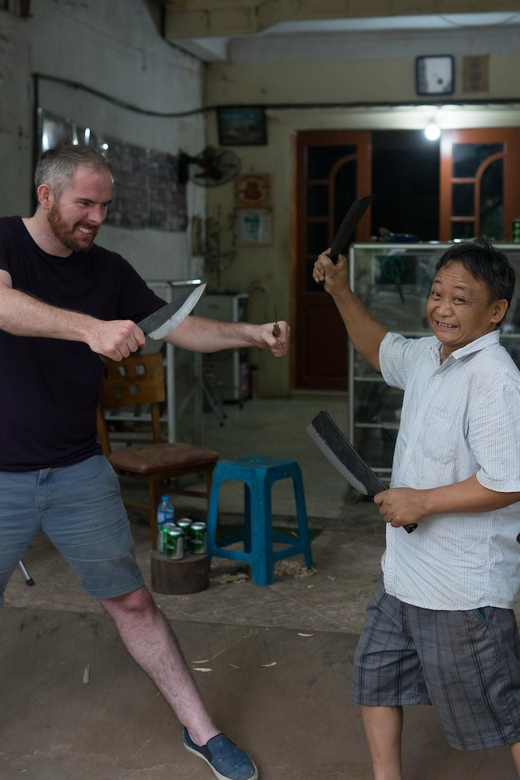
- Hands-on forging of your own knife you can use at home
- Da Sy’s craft story, from wartime weapons to peacetime tools and kitchen implements
- English guidance from Mai, plus hands-on help from smith Ha
- Small group size (max 10) so you’re not stuck watching
- Safety gear provided (mask and eye protection) with a safety-first workshop pace
Da Sy Blacksmith Village: Why This Hanoi Workshop Feels Local
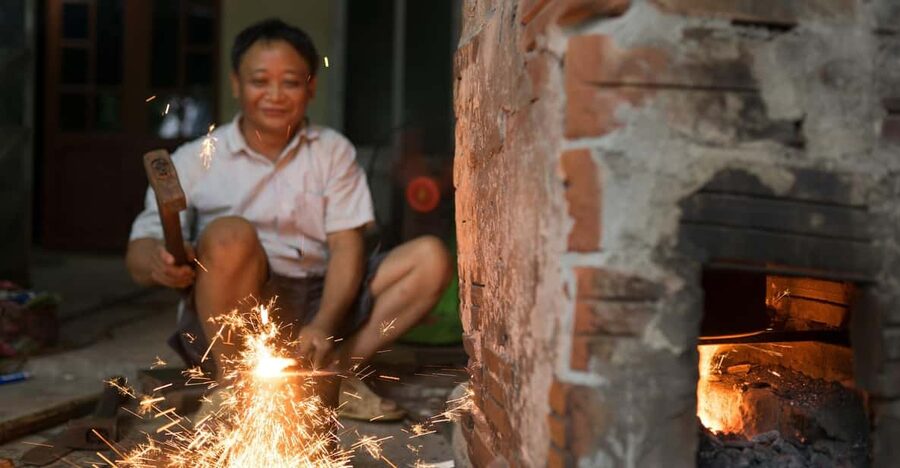
This knife-making experience takes place in Dong Bac, Vietnam, in the Da Sy blacksmith village area of Kien Hung Commune, Ha Dong Town (Hanoi). The setting is small and working-focused, which matters because you’re not just learning a neat story—you’re practicing a trade.
Da Sy has a long association with forging. During the Vietnam wars, the village supported weapons for the military. After peace returned around 40 years ago, the community shifted back to peacetime work: forging agricultural equipment like ploughs, rakes, and machine parts, plus kitchen implements. That context changes how you experience the workshop. The knife in your hands is not a souvenir detached from daily life. It’s part of a skill that has adapted over generations.
Not sure yet? See how this one sits next to a few Hanoi favourites.




Price and What You Actually Get for $54
The cost is $54 per person, and for 2.5 hours of guided forging, it’s fairly straightforward: you’re paying for materials, tools, instruction, and a finished knife you take home.
What feels like good value here is that the included setup isn’t vague. You’re given:
- All equipment, tools, and materials needed for the workshop
- An English-speaking facilitator
- Light refreshments
- Mask and eye protection accessories
- Your knife to take home
So you’re not showing up with your own hammer and hoping for the best. You also aren’t leaving empty-handed. The finished blade is a real, usable object—made by your own effort—and that’s why this works as a “once-in-Hanoi” experience.
One small note on value: a knife cover is not included, so if you want extra protection during travel or storage, you’ll likely need to plan for your own wrapping or protection.
What Happens in the 2.5 Hours: From Red-Hot Metal to Your Knife
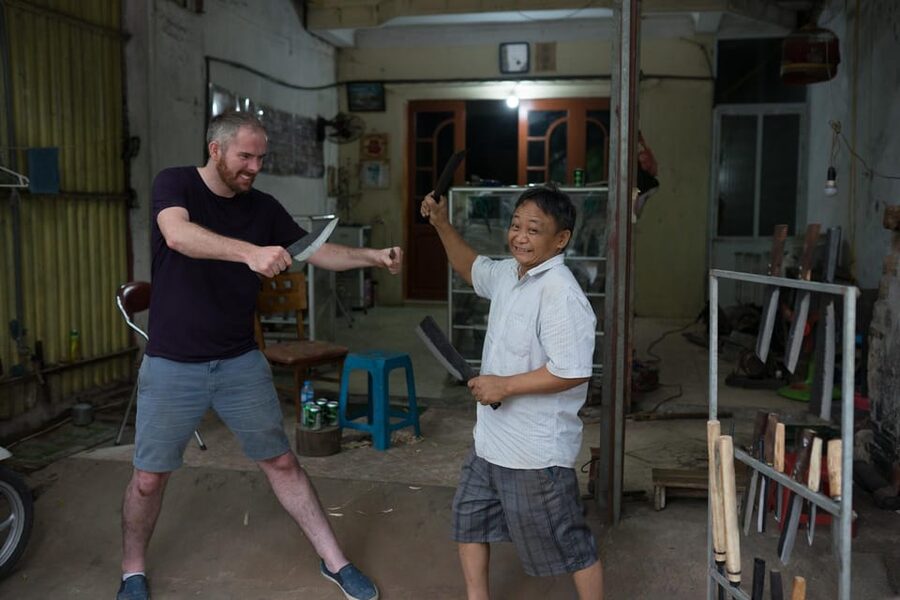
The workshop covers the core stages of traditional knife forging. Even if modern blacksmiths use machines today, this class focuses on basic handmade forging techniques that help produce better-quality work. Here’s the flow you can expect, based on what the workshop is designed to teach:
1) Start with the history and the role of the blacksmith
You’ll get background on Da Sy’s forging profession, including how the craft shifted after the wars. This part isn’t just storytelling. It helps you understand why the forging process is taken seriously and why the village built its identity around producing functional metal goods.
2) Learn the safety rules before sparks fly
This is not a low-key “craft table” activity. You’ll be working near heat and sparks. The workshop provides mask and eye protection, but it’s still on you to dress properly. The guidance is clear: long sleeves and long pants are highly recommended to avoid sparks, and it says no dress please.
- Hanoi Motorbike Tour: Food, Culture and Fun by Vintage Motorbike★ 5.0 · 6,699 reviews
- Hanoi: Guided Food Tour with Train Street Visit★ 4.9 · 6,239 reviews
- Hanoi Cooking Class: Culture, Local Market & Meaning CSR Impact★ 5.0 · 5,147 reviews
3) Forge your knife through multiple steps
You’ll go through the processes used to make a simple knife, including:
- Making rough drafts
- Keeping the fires burning
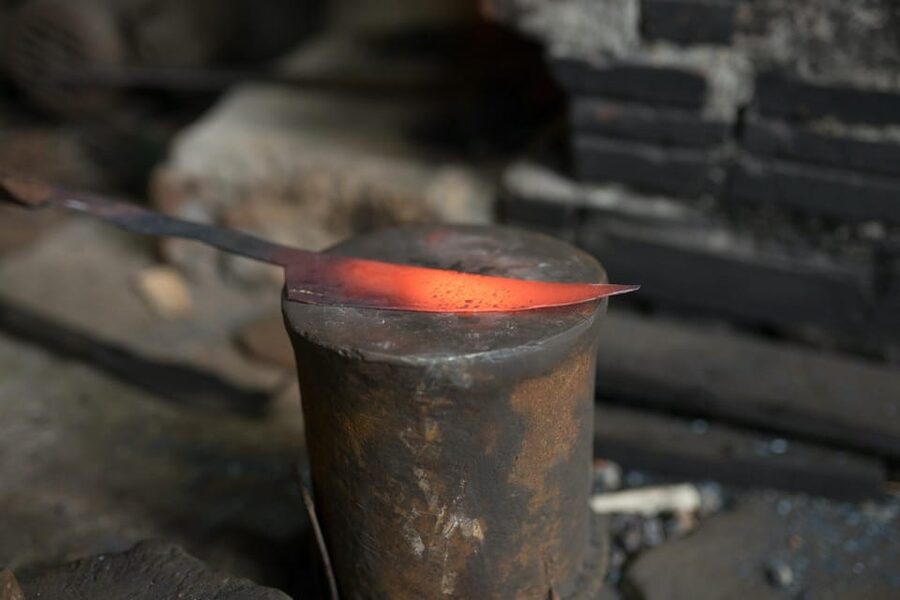
- Hitting red-hot iron into shape with hammers
- Tempering to strengthen the metal with water
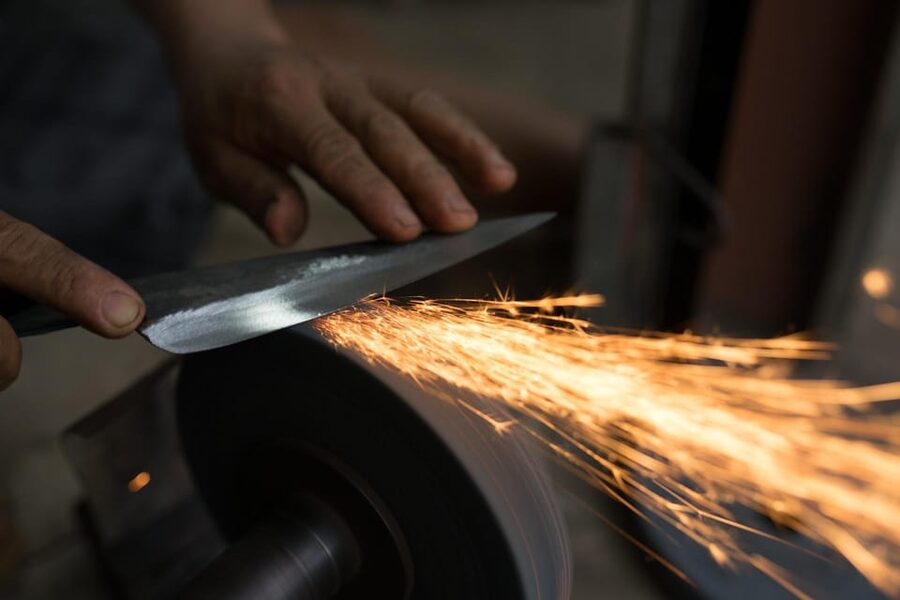
- Sharpening the final product
That sequence is the real “wow” of the experience. It helps you understand that a knife is not just shaped once. Heat treatment and finishing are part of what makes it useful later.
4) Finish, sharpen, and take your knife home
By the end, you should leave with a one-of-a-kind knife you made during the workshop. The sharpening step matters because it’s where the blade transitions from “forged metal” into a tool you can realistically use.
Meet Mai (and Smith Ha): The Human Part of Knife Making
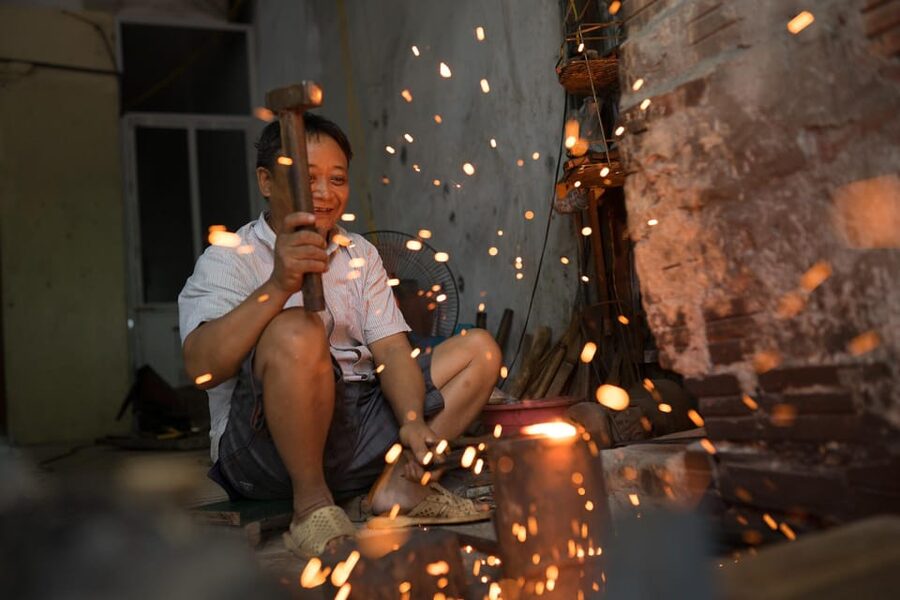
The facilitator name you’ll hear is Mai. She’s described as a top-notch host—helpful from start to finish, with fluent English. That’s a big deal here because hand skills are only half the experience. You also want clear explanations so you know what you’re doing and why each step matters.
In one of the standout details, smith Ha is specifically mentioned as part of the guidance. That matters because forging isn’t the kind of activity where a screen-based demo is enough. You need someone actively helping you adjust your technique and work safely.
What I like about the way this is set up is that it doesn’t treat the craft like a sealed museum display. It feels like you’re stepping into a working routine, asking questions, and learning the practical habits that go with it.
Safety, Clothing, and Meeting at the Football Field Entrance
Plan your day around the fact that this is a real workshop environment. Besides the mask and eye protection provided, you should show up in clothing that can handle heat and occasional sparks.
What to wear
- Long sleeves + long pants (recommended to avoid sparks)
- Avoid a dress
- Wear comfortable shoes you can move around in
Where to meet
The guide waits at the entrance of a football field next to a green fence. This is the kind of detail that can save your morning if you arrive a few minutes early with your phone ready for quick checking of the meeting area.
Timing flexibility
The schedule has starting times, but the workshop notes timings are flexible. If there’s another time you’d prefer, you can message to check if it’s available. For Hanoi, that flexibility can help you avoid stacking your day too tightly.
Group size and pace
It’s a small group, limited to 10 participants. Smaller groups usually mean more hands-on attention and fewer long stretches of waiting.
Taking Your Knife Home Without Drama
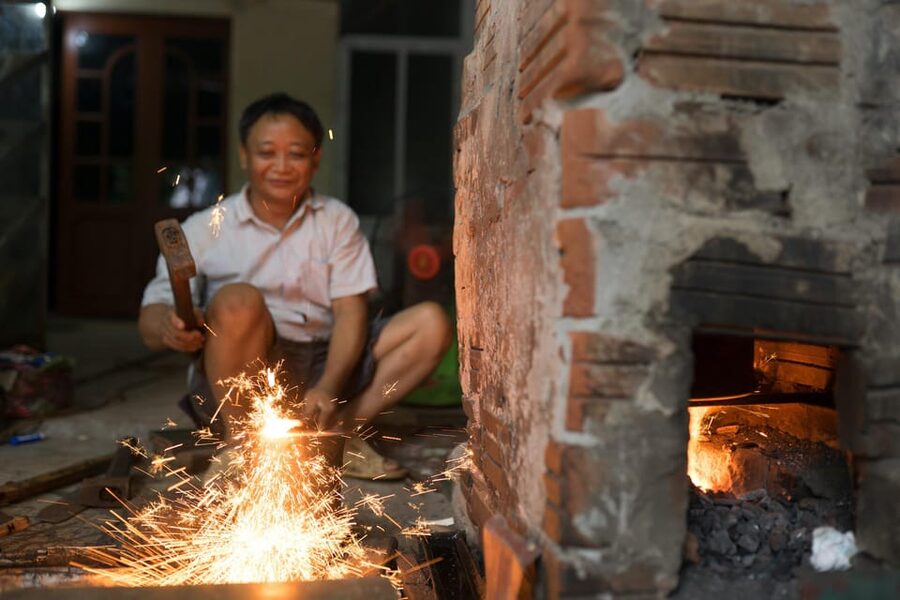
Yes, you can take your knife home. That’s the point. The practical part is how you transport it, and the workshop is specific about this:
- Make sure you have check-in luggage to carry your knife home.
That means you should not plan on bringing it in your carry-on bag. If you’re the type who hates last-minute packaging, bring a plan for extra wrapping on your side—especially since a knife cover isn’t included.
Also, remember you’re leaving a working craft space and moving into airport-mode. If your knife is hot or freshly finished when you receive it (timing isn’t specified), treat it like something delicate and protected. The workshop provides the knife to take home; you’re responsible for your travel safety setup after that.
Who This Workshop Is Best For (and Who Might Prefer Another Plan)
This is a great fit if you want a Hanoi activity that’s hands-on and culturally grounded. It works well for:
- Food-focused travelers who like the idea of a cooking knife they made themselves
- People who enjoy learning a trade process, not just a craft story
- Families—there are positive comments about doing it with teens (including a group with kids aged 16, 14, and 11)
It may be less ideal if:
- You’re extremely sensitive to heat and sparks, even with safety gear
- You want something mostly seated and low-activity
- You don’t have check-in luggage available (the workshop specifically advises this)
Good news: it’s listed as wheelchair accessible, so it’s worth considering if mobility is part of your planning. (You’ll still want to check how you’ll move between the forging steps, since the main activity involves working in a forge environment.)
Should You Book Knife Making in Blacksmith Village in Hanoi?
I think you should book this if you want a Hanoi souvenir with actual weight and meaning—something you can use later, not just hang on a wall. For $54, the combination of a small group, English facilitation by Mai, provided safety gear, light refreshments, and a real take-home knife makes it a strong value.
Book it especially if you care about authentic process: rough drafts, red-hot shaping, tempering in water, and finishing with sharpening. That’s not generic “tour entertainment.” It’s learning how the tool gets made.
Skip it if you can’t follow the basic dress guidance or you don’t want anything spark-related. For the rest of us, this is exactly the kind of craft experience that makes Hanoi feel more like a place and less like a checklist.
FAQ
How long is the knife-making workshop?
It lasts 2.5 hours. Starting times depend on availability.
What does the $54 price include?
The price includes all equipment, tools, and materials, an English-speaking facilitator, light refreshments, a mask and eye protection accessories, and the knife you take home.
Where do I meet the guide in Hanoi?
The guide waits at the entrance of a football field next to a green fence.
Is there pickup and drop-off within Hanoi?
Pickup and drop-off within Hanoi are not included, but they can be added for an additional cost.
What should I wear for the workshop?
You’re advised to wear long sleeves and long pants to help avoid sparks, and not to wear a dress.
Is the activity wheelchair accessible?
Yes, it’s listed as wheelchair accessible.
If you want, tell me what day/time you’re in Hanoi and whether you have check-in luggage—I can help you decide if the timing works well with the rest of your plans.