Reviewed · HANOI
Highlights Of Vietnam and Cambodia In 10 Days
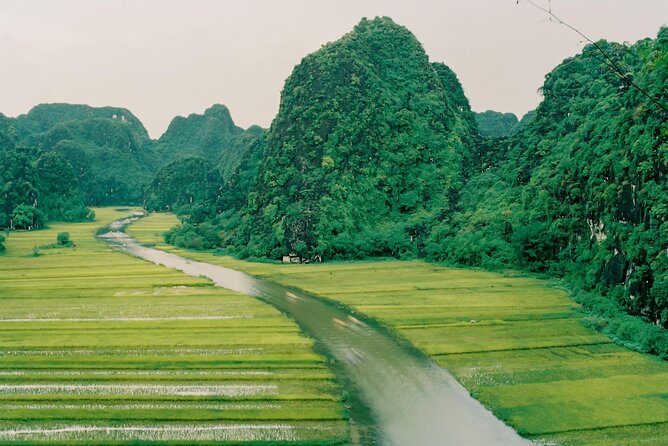
Karst views and ancient temples in one run. This fast, well-paced Vietnam–Cambodia loop links Hanoi, Ha Long Bay, Ho Chi Minh City, and Angkor in just 10 days, with private door-to-door rides and a small group size (up to 15). You’ll spend fewer hours figuring things out and more hours looking at limestone and stone faces.
I particularly like the combo of active sightseeing and big icons: cycling through Ninh Binh village areas and then later walking among the colossal temples at Angkor. I also like that the support doesn’t vanish after booking; names like Jennifer Buli and Long Pham show up in past help stories, including follow-up and smooth handoffs.
One consideration: this itinerary moves. Between airport transfers, domestic flights, and early starts, it’s not a “sleep in and wander slow” style trip, and the Mekong Delta day can feel a bit more “scheduled” than some other stops.
In This Review
- Key Points You’ll Care About Before You Go
- Hanoi Arrival: A Simple Start That Keeps the Trip Moving
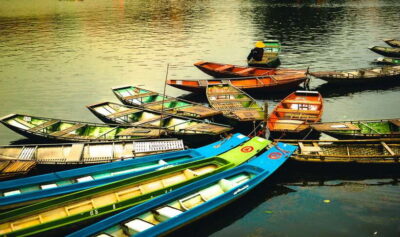
- Ninh Binh Cycling and the Tam Coc–Bich Dong River Caves
- Ha Long Bay Sunrise, Tai Chi, and Cave Time
- Flying to Ho Chi Minh City: Keeping the Pace Without Losing Coverage
- Mekong Delta on Sampans and Village Lanes (Plus One Watch-Out)
- Cu Chi Tunnels: The Vietnam War Story You Can Actually Walk Through
- Siem Reap Arrival: A Clean Transition to Angkor
- Angkor Thom and Bayon: Stone Faces With Real Storytelling
- Angkor Wat and Ta Prohm: The Two Temples That Define the Trip
- Tonle Sap Floating Villages and a Silk Farm in Pouk
- What You Get for the Money: Value Breakdown That Actually Helps
- Who This Trip Fits Best (And Who Might Want Something Different)
- Should You Book This Highlights of Vietnam and Cambodia Trip?
- FAQ
- How long is the tour, and where does it start and end?
- What time does the tour start?
- Are domestic flights included?
- What meals and entrance fees are included?
- Is travel insurance included?
- Do I need an e-visa for Vietnam and Cambodia?
- How many people are in the group?
- Is there a compulsory gala dinner requirement?
Key Points You’ll Care About Before You Go
- Up-close nature plus iconic ruins: limestone scenery in Vietnam and temple scale in Cambodia, in one tight itinerary
- Early Ha Long Bay morning: breakfast plus Tai Chi on the sundeck and a cave visit, before the day gets full
- Real variety of transport: private cars, domestic flights, sampan cruising, rowing/boating in Ninh Binh, and wooden boats on Tonle Sap
- Small-group feel: up to 15 people, which helps everyone stay together without feeling crowded
- Included entry fees, meals, and the main cruises: so you can budget fewer “surprise” add-ons
- Support that follows through: 24/7 hotline support and hands-on pickup/drop-off help
Hanoi Arrival: A Simple Start That Keeps the Trip Moving
Your trip begins in Hanoi at Noi Bai International Airport. A private driver meets you with a name sign and takes you straight to your hotel in the city center area, which is a big deal after a long flight. If you want your first day to feel calm, this setup helps you get your bearings fast.
Hanoi is a good place to start because the city gives you both energy and context. By the time you’re done with the next days of countryside and islands, you’ll be glad you anchored the trip with a real city arrival rather than starting straight in the countryside.
Not sure yet? See how this one sits next to a few Hanoi favourites.

Ninh Binh Cycling and the Tam Coc–Bich Dong River Caves
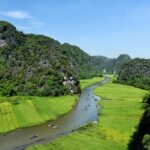
Ninh Binh is where the itinerary turns from “historic sights” into “scenery you can’t rush.” You’ll head to the Hoa Lu area and then continue toward Tam Coc–Bich Dong. The main payoff here is the way the limestone landscape mixes with daily village life.
After lunch, you board a boat to cruise along the river through limestone caves. Then you switch gears to cycling around the nearby village areas, which is one of those rare travel moments where you get both views and a slower rhythm. It’s also a practical choice: when heat and traffic start to build elsewhere, cycling in this kind of setting can still feel manageable.
One small practical note: cycling days are timing-sensitive. Wear sun protection and keep water handy, because the scenery is great and the weather can be direct.
Ha Long Bay Sunrise, Tai Chi, and Cave Time
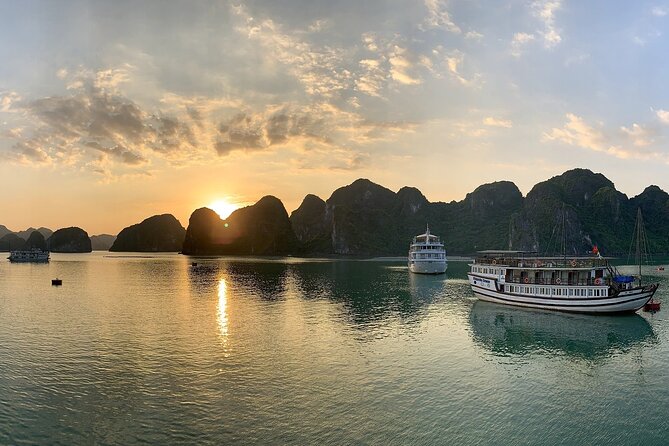
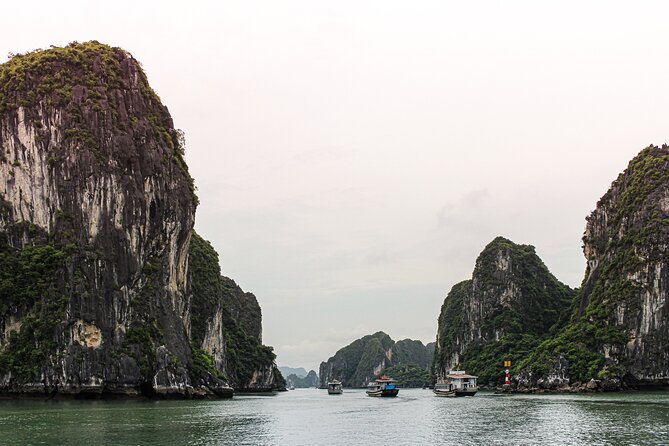
Ha Long Bay is the iconic moment everyone plans for, and this schedule gives you a strong start. You’ll travel to the bay along the Red River Delta route with emerald rice paddies along the way, which makes the transfer itself feel worthwhile rather than wasted.
Once you arrive, you board the cruise and enjoy a seafood lunch, plus time on deck with the limestone karst views. The next morning is the standout: you get an early sunrise experience, breakfast served onboard, and a Tai Chi class on the sundeck. Even if you’re not a “zen” traveler, it’s a neat way to reset your body after an early start while still soaking in the scenery.
Then you visit a limestone cave. This is the kind of stop that works well in a structured itinerary, because the cave is more enjoyable when you’re not trying to organize a boat schedule on your own.
Flying to Ho Chi Minh City: Keeping the Pace Without Losing Coverage

After the Ha Long Bay morning, you transfer to the airport and fly to Ho Chi Minh City. This is smart planning for travelers who want to see a lot without turning the trip into a nonstop bus ride.
Ho Chi Minh City can feel like a different world from the quieter countryside scenes in Vietnam. Having a night here before heading into the Mekong gives you a chance to orient yourself to the rhythm of southern Vietnam, including the food and street life that characterizes the area.
The next days take you deeper into Vietnam’s past and rural life, so using Ho Chi Minh City as a gateway rather than a destination-by-itself makes sense.
Mekong Delta on Sampans and Village Lanes (Plus One Watch-Out)
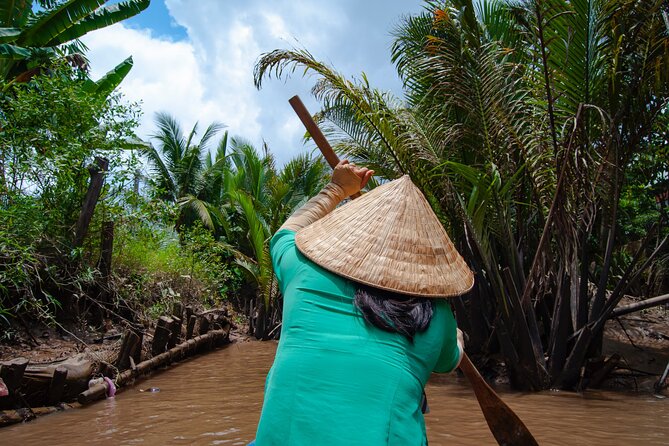
The Mekong Delta day is built around cruising and local village interaction. You start from My Tho and then head out on a sampan cruising route around four named islands: Dragon, Unicorn, Phoenix, and Tortoise. You’ll also stop at Unicorn Island for walking around country lanes, which is a good change from just sitting on boats.
In the afternoon, you cycle (and/or walk, depending on what’s most comfortable for the day’s flow) around the Tan Thach village area and meet local villagers to see daily life. There’s also time for relaxation—think hammocks and a break from constant motion—which helps balance the schedule.
Here’s the watch-out: this day can feel more structured than the other Vietnam nature stops. If you’re the type who wants more time for one place and less time moving between points, you may find you want a slightly longer stay in one village rather than seeing several “highlights” in sequence.
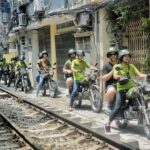
- Hanoi Motorbike Tour: Food, Culture and Fun by Vintage Motorbike★ 5.0 · 6,699 reviews
- Hanoi: Guided Food Tour with Train Street Visit★ 4.9 · 6,239 reviews
- Hanoi Cooking Class: Culture, Local Market & Meaning CSR Impact★ 5.0 · 5,147 reviews
Cu Chi Tunnels: The Vietnam War Story You Can Actually Walk Through
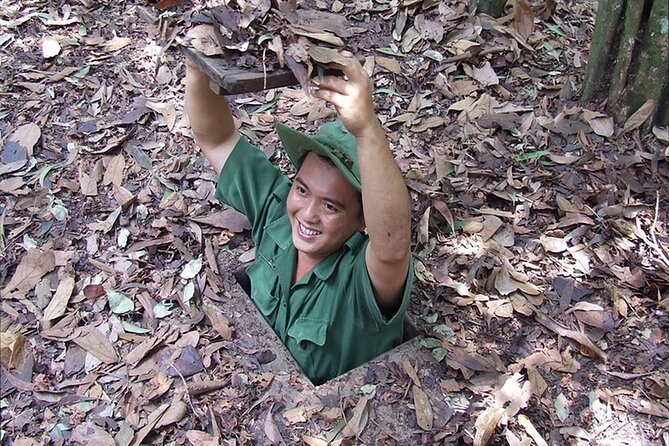
Cu Chi Tunnels is one of those stops that people either remember for life or skim past. Here, it’s approached as a guided, on-the-ground experience. You’ll travel to Cu Chi and visit the tunnel system, described as an extensive network of over 220 km of tunnels linked to wartime use.
This isn’t just “see a hole in the ground.” It’s about understanding how the tunnels functioned as a hidden underground system—built for survival, movement, and resistance. Having a guide matters, because the scale can be hard to grasp without context.
It’s also a long day emotionally. If you’re sensitive to heavy historical content, plan your evening after Cu Chi for something low-key rather than more sightseeing.
Siem Reap Arrival: A Clean Transition to Angkor
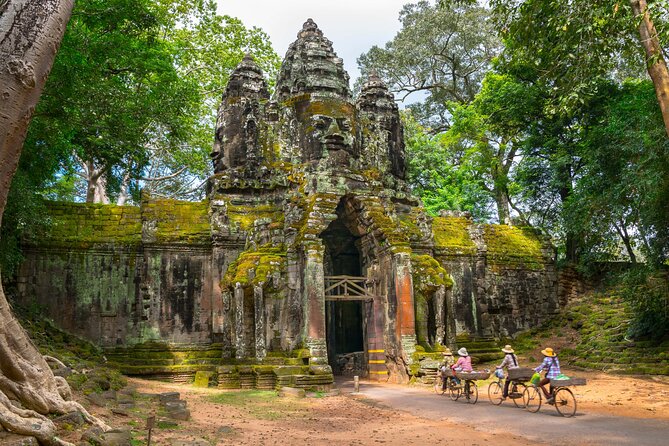
After Ho Chi Minh City, you fly to Siem Reap. A private driver picks you up at Siem Reap International Airport and brings you to your hotel. This keeps the cross-border jump smooth, and it helps you get comfortable in Siem Reap quickly.
Siem Reap is the launchpad for Angkor, and it works best when you treat it like a base. You don’t need to over-plan the city itself. Your energy is better spent waking up early and going straight to the temple circuit.
Angkor Thom and Bayon: Stone Faces With Real Storytelling
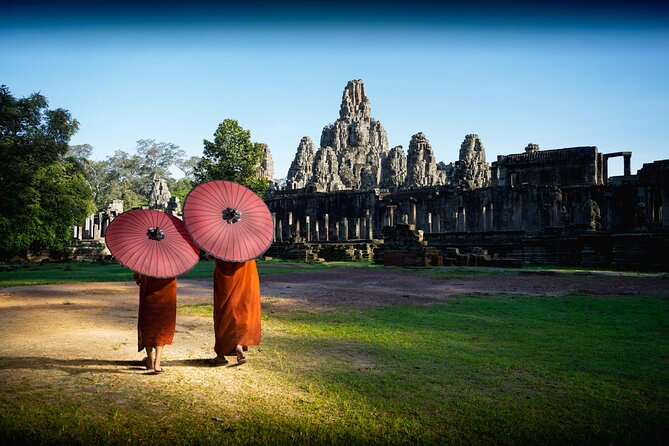
The Angkor complex is large, but this day helps you focus. You start at the South Gate of Angkor Thom with its colossal stone carvings. From there, you head to Bayon Temple, known for its famous stone faces.
Angkor Thom is the kind of place where it’s easy to get lost without a route. A structured visit keeps you moving through the right spots in a logical order so you don’t waste hours hunting for the best angles.
If you like details, you’ll appreciate the temple layout and the way the stone work repeats patterns. If you’re more of a “grand scale person,” you’ll still get plenty from the overall composition.
Angkor Wat and Ta Prohm: The Two Temples That Define the Trip
Angkor Wat is the biggest, and this itinerary treats it like the centerpiece. Built in the 12th century and described as spanning about 210 hectares, it’s the kind of site where even your first photo doesn’t capture the scale.
You’ll see vast galleries, plus libraries, pavilions, and courtyards. The important part here is that Angkor Wat is not just one hall to stand in. It’s a whole architectural system, and walking through it makes the size sink in.
Then you visit Ta Prohm, the temple covered by jungle. This is where you get the famous visual of huge fig trees and thick creepers intertwining with the stone foundations. It’s a striking reminder that nature here isn’t a side show—it’s part of how the ruins look today.
Tonle Sap Floating Villages and a Silk Farm in Pouk
Day 9 shifts from Angkor stones to everyday Cambodia life. You head to Tonle Sap Lake, where you visit floating villages. The experience is done by scenic drive and then a traditional wooden boat cruise on the water, which gives you a slower, more human view of the region.
In the afternoon, you drive about 15 km west of Siem Reap to Pouk district and visit a silk farm. You’ll see a workshop process tied to silk creation, including the steps involved from farm to production. Even if silk isn’t your obsession, it’s a useful counterweight to all the temple stone you’ve been staring at.
It’s also a good day for variety. If Angkor already feels like “too much stone,” Tonle Sap and the silk workshop bring you back to livelihoods and landscapes you can imagine living in.
What You Get for the Money: Value Breakdown That Actually Helps
At $1,555 per person for a 10-day trip, the value hinges on what’s included and how much you’re trying to cover. This isn’t just a basic sightseeing circuit. Your package includes:
- Door-to-door pick-up and drop-off by private car
- Air-conditioned transport during tours and transfers
- Domestic flights: Hanoi to Ho Chi Minh City, then Ho Chi Minh City to Siem Reap (economy)
- Main entrance fees and dinner/most meals (8 breakfasts, 4 lunches, plus dinner included)
- Boat cruises as mentioned (Ninh Binh and Tonle Sap; plus the Ha Long Bay cruise)
- Government tax and service charges
- 24/7 hotline support and a mobile ticket
When you compare that against the cost of arranging flights, entrances, and multiple guided days yourself, the price starts to make more sense. The real “value” is time saved plus fewer booking gaps, especially on a route that crosses from Vietnam to Cambodia and moves through several transport modes.
One more thing: this tour is capped at 15 people. That helps you feel like part of a group rather than a passenger number.
Who This Trip Fits Best (And Who Might Want Something Different)
This works well for travelers who want a structured highlight route with enough variety to stay interesting. You’ll enjoy it if you like active moments like cycling and walking, plus you want the major headline sites covered without needing to research every route detail.
It’s also a good fit for solo travelers who want support and a small-group experience. In past trip feedback, support was praised as stress-reducing, with named helpers like Long Pham and Jennifer Buli mentioned for follow-up and smooth planning. If you’re someone who hates arriving somewhere and wondering what happens next, this kind of support matters.
If you’re looking for maximum slowness, fewer transfers, and more independent time in each location, you may find the days feel packed. The Mekong Delta and airport transitions are where you’ll feel that most.
Should You Book This Highlights of Vietnam and Cambodia Trip?
I’d book this if you want a smart, guided 10-day route that connects Ninh Binh, Ha Long Bay, Ho Chi Minh City area experiences, and Angkor with flights and key boats handled for you. The combination of big-name temples with real nature stops (cycling + caves + sunrise) is a strong mix for first-timers.
Skip it, or at least think twice, if you’re the type who wants slower pacing and deeper time in one place. This itinerary is designed for coverage, not lounging.
If you’re okay with a busy schedule and you want the “best-known highlights” done the easiest way, this is a solid pick.
FAQ
How long is the tour, and where does it start and end?
The tour is 10 days. It starts at Noi Bai International Airport in Hanoi and ends at Siem Reap International Airport in Cambodia.
What time does the tour start?
The start time is listed as 8:00 am.
Are domestic flights included?
Yes. Domestic flights are included from Hanoi to Ho Chi Minh City (economy) and from Ho Chi Minh City to Siem Reap (economy).
What meals and entrance fees are included?
The package includes dinner, breakfast (8), and lunch (4). It also includes entrance fees to applicable tourist sites and government tax/service charge.
Is travel insurance included?
No. Travel insurance is not included.
Do I need an e-visa for Vietnam and Cambodia?
Yes. Vietnam e-visa can be applied online. Cambodia e-visa can be obtained upon arrival.
How many people are in the group?
This tour/activity has a maximum of 15 travelers.
Is there a compulsory gala dinner requirement?
The tour notes a compulsory gala dinner on December 24 and December 31, and it is not included as part of the package.