Reviewed · HANOI
Hanoi: Taste Fresh Lotus Tea Ceremony & Untold Stories
Lotus tea is slow on purpose. This Hanoi lotus tea ceremony turns West Lake tea history into something you can smell, brew, and taste, not just watch. I love the focus on the why behind lotus tea, especially the generations-old scenting process and how to spot authentic tea, and I love the hands-on brewing coaching with water temperature, steeping time, and tea ratios. The main drawback: it’s calm and fragrance-forward, so if you want nonstop sightseeing or strong caffeine punch, this may feel too gentle.
You’ll start with a short tea mindfulness introduction, then move into a story session about why West Lake lotus tea is often called the king of Vietnamese teas. After that, you’ll practice brewing, learn how aroma layers work, and finish with lotus tea paired with traditional Vietnamese floating cakes, plus a comparison with another scented tea.
In This Review
- Key points to know before you go
- Inside a preserved Hanoi heritage villa
- Tea mindfulness comes first, not the last sips
- West Lake lotus tea stories: why it’s called the king
- The brewing lesson: temperature, time, and ratios you can use anywhere
- Floating cakes pairing and a second scented tea comparison
- What you’re really paying for: skills, not just a tea flight
- Instructors, language, and the feel of the class
- Who this Hanoi lotus tea ceremony is best for
- Should you book Hanoi: Taste Fresh Lotus Tea Ceremony & Untold Stories?
- FAQ
- How long is the fresh lotus tea ceremony experience?
- What’s included in the workshop?
- What languages are offered during the ceremony?
- Is this tour good for people who want to learn how to brew lotus tea?
- Is pickup and drop-off included?
- Do I have to pay everything upfront to reserve?
- Is the experience wheelchair accessible?
Key points to know before you go
- Preserved heritage villa setting that keeps the mood quiet and historical in the middle of Hanoi
- Fresh lotus tea ceremony with a practical brewing lesson, not just a tasting
- West Lake lotus tea authenticity tips, including how to distinguish real lotus tea from flavored look-alikes
- Multi-day scenting process explained so the patience behind the tea makes sense
- Floating cakes pairing, a classic Hanoi-style snack choice that matches the tea
- Da Lat education support for coffee farmers’ children, adding purpose beyond the cup
Inside a preserved Hanoi heritage villa
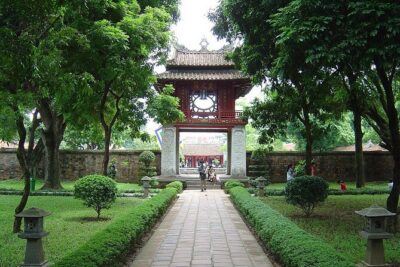
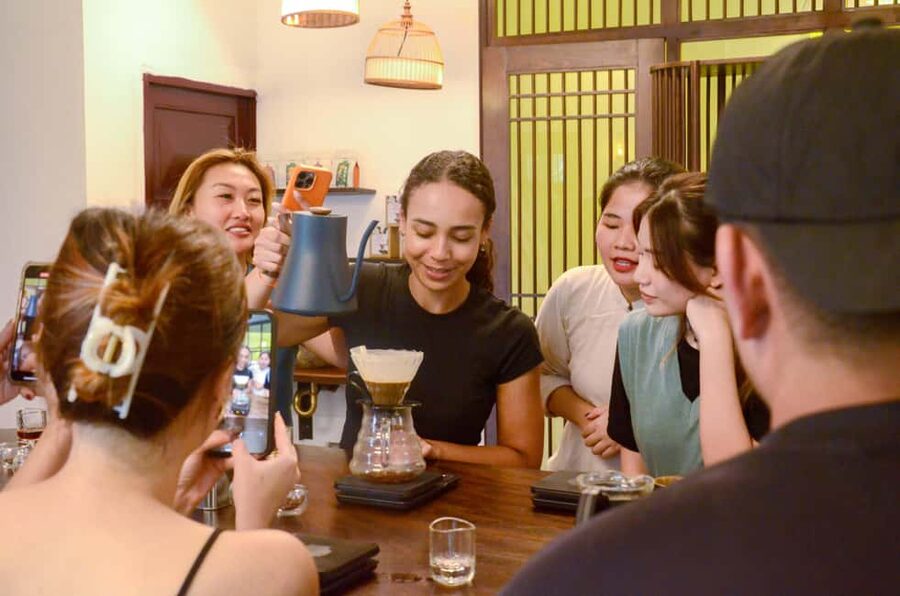
The experience starts in a peaceful, preserved villa tucked into Hanoi’s northern Vietnam rhythm. The setting matters more than you might think: tea ceremonies can turn into a rushed show if the space is loud or chaotic. Here, the villa helps you settle quickly, which makes the whole lesson feel less like a class and more like a careful pause.
Even before you pour anything, you’re being guided toward attention—how you sit, how you smell, how you taste slowly. That tone carries through the entire 150 minutes.
One of the best parts is that the villa isn’t just decoration. You’re shown something like living culture: a heritage home that frames Vietnam’s traditions as part of daily life, not a museum performance. That’s the kind of atmosphere where details like aroma layers actually stand out.
Not sure yet? See how this one sits next to a few Hanoi favourites.


Tea mindfulness comes first, not the last sips
Most tea experiences jump straight to tasting. This one begins with a short, gentle introduction to tea mindfulness. In plain terms: you’re invited to slow your breathing and let your body catch up to what your nose and mouth are about to do.
I like this approach because it changes how you perceive taste. Fresh lotus tea isn’t only about sweetness. The scenting and brewing techniques create layers—soft floral notes, a controlled bitterness, and a long aftertaste. If you rush, you miss those shifts.
You’ll also learn what to listen for in your own senses. For example, the aroma is not one smell; it evolves as the tea cools slightly and as you take smaller sips. That mindfulness stage helps you notice those changes without forcing it.
West Lake lotus tea stories: why it’s called the king
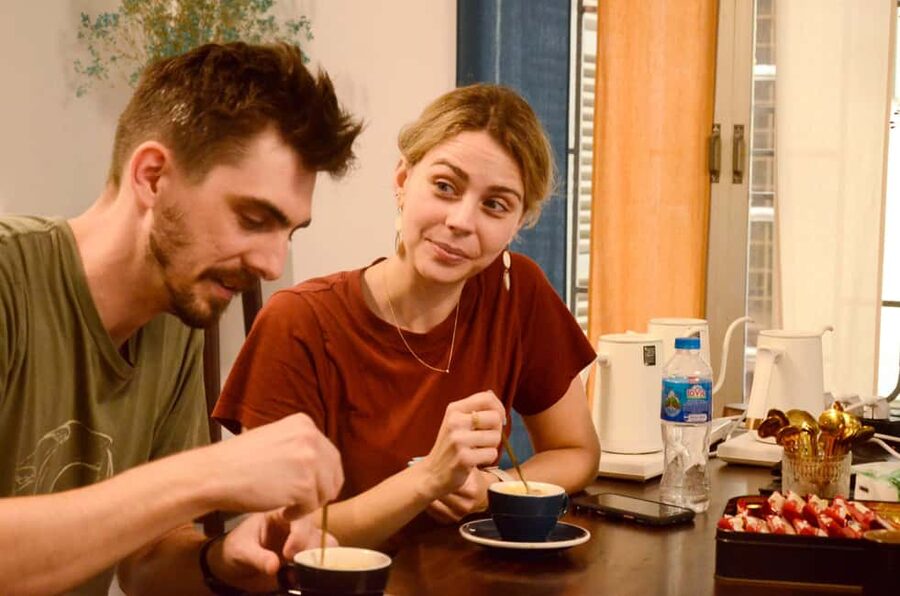
This is where the experience earns its name. Your host shares the story of West Lake lotus tea—why it’s considered the king of Vietnamese teas and how the scenting process has stayed basically unchanged for generations.
You’ll see and smell fresh lotus stamens, which is a smart move. Smelling the plant source makes the later tea scent feel less mysterious. It’s also a quick reality check for your expectations: lotus scent can be delicate, and authentic lotus tea doesn’t taste like candy-flavored perfume.
Then comes one of the most practical parts: learning how to distinguish authentic lotus tea from flavored alternatives. This is a big deal for value. A lot of tourists get lotus tea that tastes “lotus-like” but isn’t the real multi-day work. You’re not just drinking; you’re learning what to look for—so you can make better choices later in Hanoi or even back home.
You also get the patience story behind the multi-day scenting technique. That’s essential context. When you understand that the tea is scented over days, not mixed in minutes, the flavor makes sense. The scent feels more integrated, and the aftertaste tends to be longer rather than simply sweet.
The brewing lesson: temperature, time, and ratios you can use anywhere
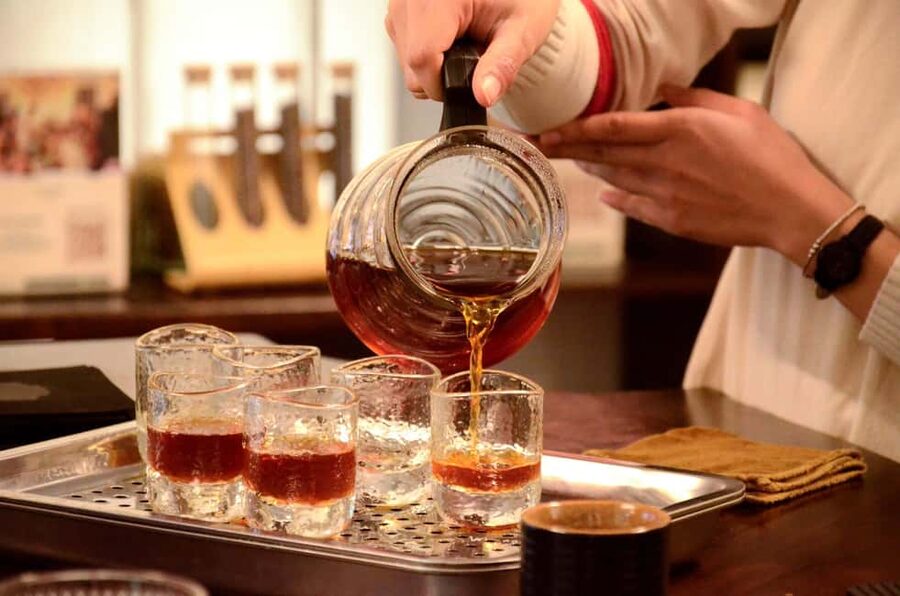
After the story and the smelling, you finally move to the part most people can’t replicate at home without guidance: hands-on brewing.
Your instructor walks you through the mechanics of brewing lotus tea:
- water temperature (not just boiling water)
- steeping time
- tea ratios
I like that the lesson is structured. Too often, tea classes say something like steep it until you feel enlightened. Here, you get specifics. That means you’ll know how to reproduce the cup you liked, not just remember a vibe.
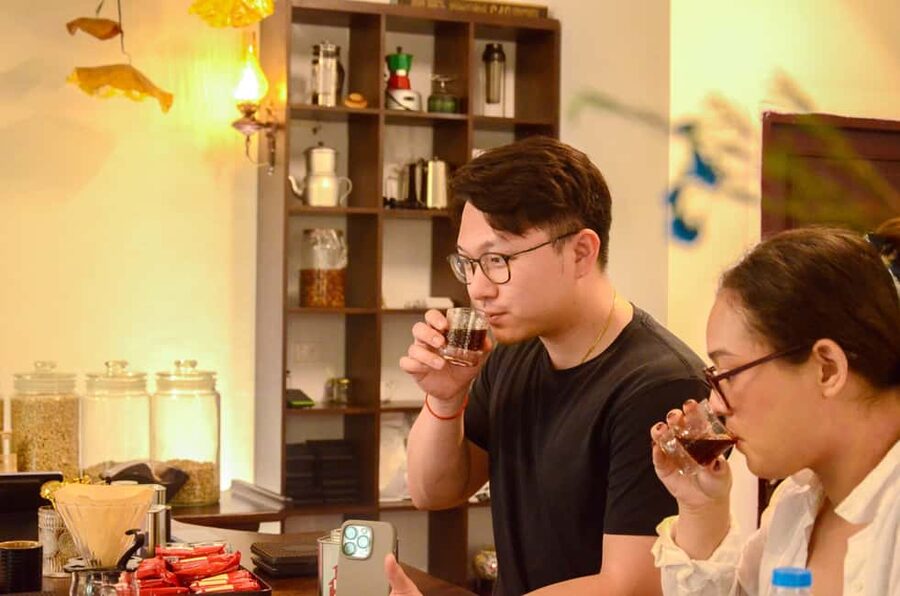
When you start sipping, you learn how to recognize what’s happening in the cup:
- aroma layers (how the scent develops across each sip)
- gentle bitterness (not harsh, not accidental)
- long sweet aftertaste
That combination is what makes lotus tea feel refined rather than just floral. The bitterness acts like a backbone. It keeps the sweetness from turning one-note. And the aftertaste is where the scenting work shows up again.
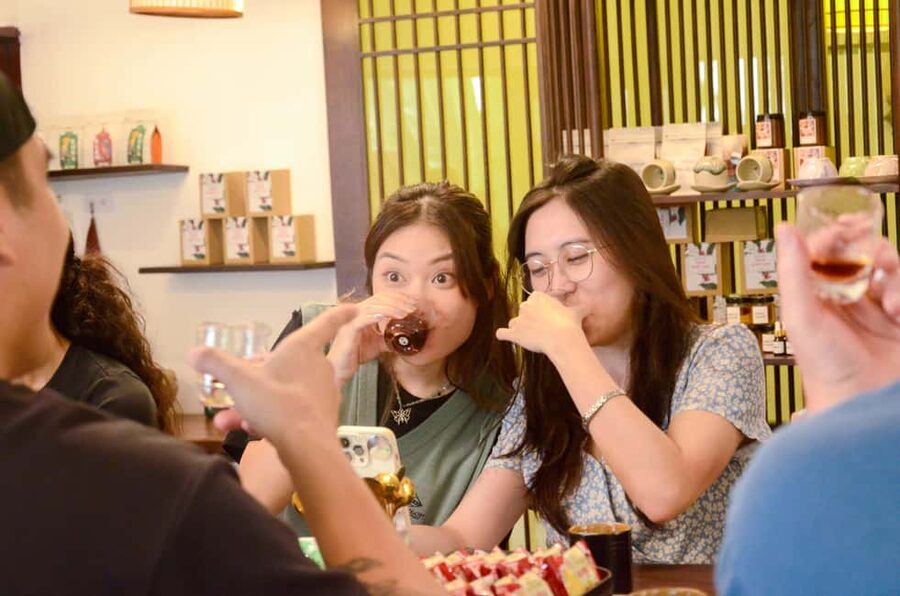
There’s also a calm, attentive pacing to the tasting itself. You’re encouraged to sip slowly so your senses can track the aroma changes. In a good tea session, you don’t rush the finish line.
Floating cakes pairing and a second scented tea comparison
To complete the experience, you’ll enjoy lotus tea paired with traditional Vietnamese floating cakes. If you’ve only heard about floating cakes as a name, this pairing helps you understand why they belong together. The cakes are typically sweet and light, which balances the gentle bitterness of lotus tea and helps the aftertaste linger.
This is also one of the places where the tour feels genuinely “Vietnam,” not just “international tea workshop with Vietnamese decor.” The tea and the food are taught as part of a shared tasting culture.
Then you’ll do a comparison with another Vietnamese scented tea. The point isn’t to declare one tea superior. It’s to show what makes lotus tea unique—especially in aroma character and how that scent behaves after brewing. If you’ve tried jasmine tea before, this comparison can make lotus tea feel clearer rather than confusing.
- Hanoi Motorbike Tour: Food, Culture and Fun by Vintage Motorbike★ 5.0 · 6,699 reviews
- Hanoi: Guided Food Tour with Train Street Visit★ 4.9 · 6,239 reviews
- Hanoi Cooking Class: Culture, Local Market & Meaning CSR Impact★ 5.0 · 5,147 reviews
What you’re really paying for: skills, not just a tea flight
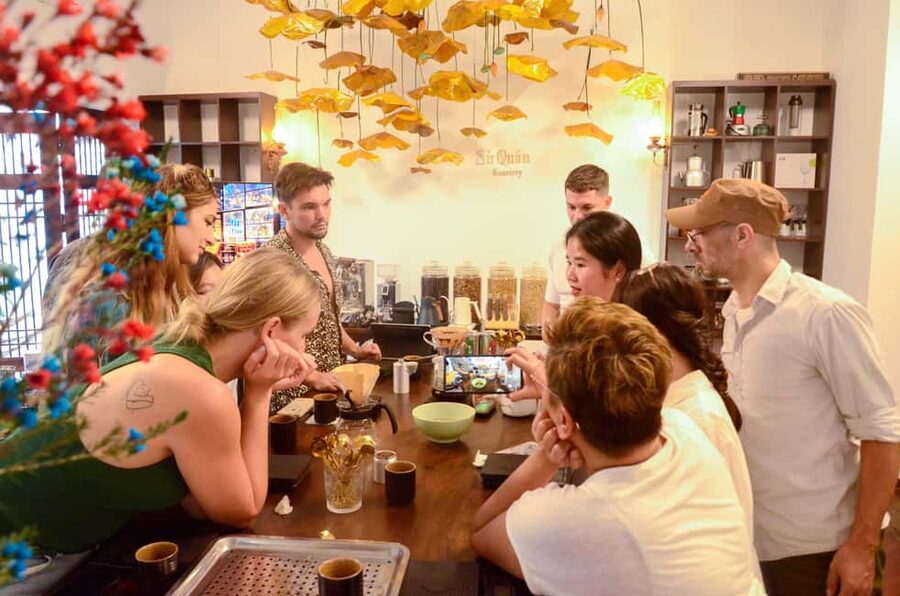
At $28 per person for about 150 minutes, the price can look simple. The real value is what you leave with and how much of it is practical.
Here’s what you get that matters:
- a workshop covering Hanoi lotus tea history, cultivation, and roasting techniques
- guidance from seasoned tea connoisseurs
- a recipe book so you can brew what you learned anywhere
- photos (a Google link is sent after the workshop)
- a professional certificate if you request one
That recipe book is the key. If you can reproduce the brewing style at home, the experience keeps paying off. The photos also help you remember the order of steps and the atmosphere, which is useful when you’re trying to recreate a similar session.
Also, there’s a social impact angle included in the highlights: contributing to the education of coffee farmers’ children in Da Lat. The details of how that’s handled aren’t spelled out in what you receive here, but it’s still a meaningful reason to feel good about spending your time and money.
In terms of day-to-day logistics, pickup and drop-off times may vary slightly due to traffic. That’s normal in Hanoi. The lesson lasts long enough that small schedule shifts won’t derail it.
Instructors, language, and the feel of the class
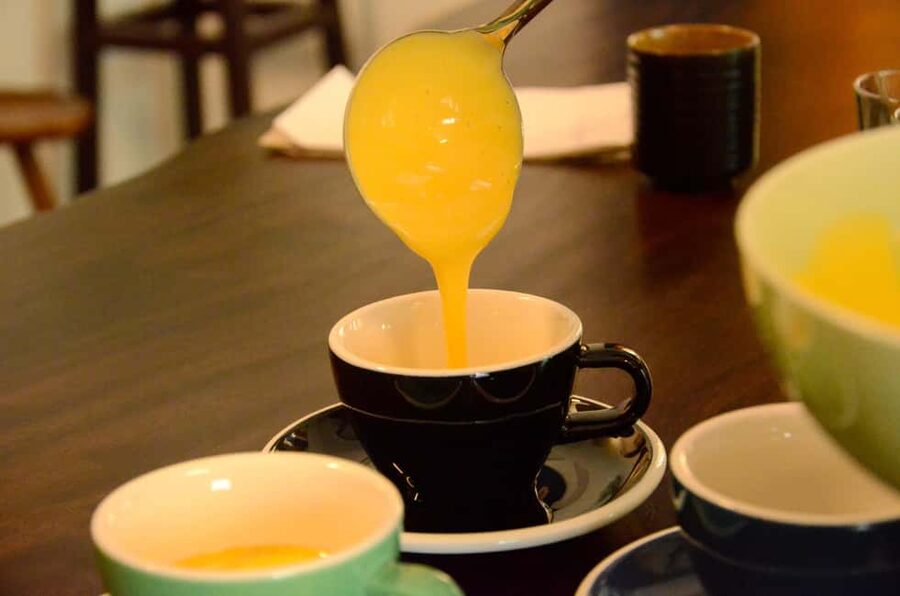
The workshop runs with instructors who speak English and Vietnamese. You’re not stuck with translations floating in the air; you’re dealing with a host who can explain both the story and the technique.
The class vibe comes through in review feedback. People specifically called out instructors by name—Piey, Maxie, and Sue—highlighting that the hosts made them feel welcomed and helped them learn not only about tea, but also about Vietnamese culture. That matters because tea is technical and cultural. If the instructor can connect those dots, the experience feels complete.
If you like guided learning, you’ll probably enjoy this. If you’d rather browse and wander without structure, you might find it a bit “planned.” Luckily, it still keeps the mood slow and comfortable.
Who this Hanoi lotus tea ceremony is best for
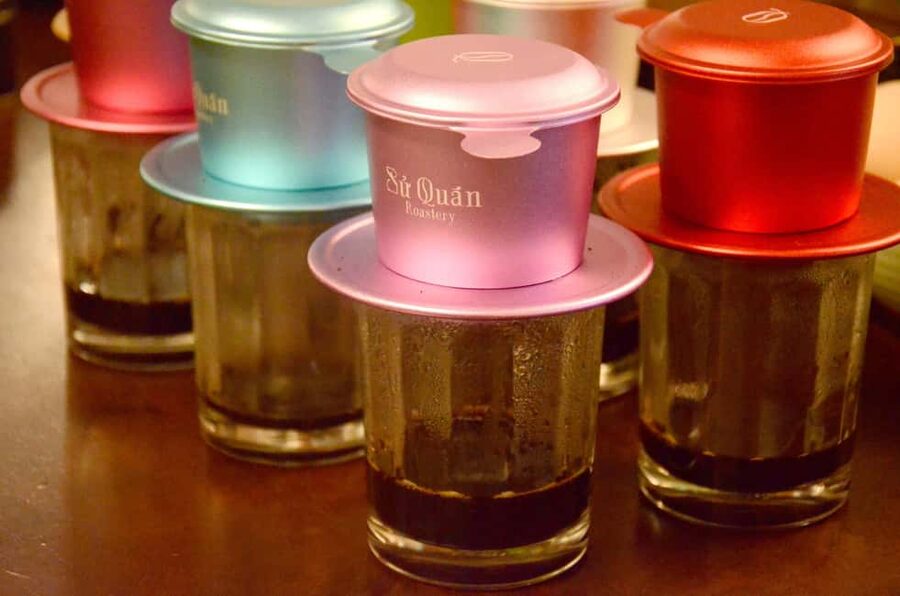
This experience is ideal if you:
- enjoy tea and want real technique, not just a sip-and-go tasting
- like cultural storytelling that explains habits, not just dates
- want a calmer activity in Hanoi that doesn’t involve crowds and noise
- care about authenticity and want to understand what’s genuine lotus tea
It’s also a good choice if you’re traveling with someone who likes food pairings. Floating cakes plus lotus tea gives you that built-in snack moment, and the comparison with another scented tea helps you talk about flavor in a grounded way.
If you’re on a tight schedule, the 150 minutes is a commitment. Plan for it as your main activity rather than a quick stop.
Should you book Hanoi: Taste Fresh Lotus Tea Ceremony & Untold Stories?
Book it if you want a tea experience you can actually repeat. The combination of West Lake lotus tea storytelling, an authenticity lesson, and a hands-on brewing guide is what makes this worthwhile. You’re paying for skills, a recipe book, and a calm cultural setting in a preserved villa—not just a drink.
Don’t book it if you’re chasing high-energy sightseeing or you dislike strong floral fragrances. The whole experience is built around scent, patience, and slow tasting.
If you’re the type of traveler who likes to learn how local traditions work from the inside, this is the kind of Hanoi activity that turns an ordinary afternoon into something you’ll remember—and use later.
FAQ
How long is the fresh lotus tea ceremony experience?
The duration is about 150 minutes.
What’s included in the workshop?
You’ll get an engaging workshop covering Hanoi lotus tea history, cultivation, and roasting techniques, guidance from tea connoisseurs, photos via a Google link after the workshop, a recipe book, and a professional certificate if you request one.
What languages are offered during the ceremony?
The instructor(s) teach in English and Vietnamese.
Is this tour good for people who want to learn how to brew lotus tea?
Yes. You’re given hands-on guidance on brewing lotus tea, including water temperature, steeping time, and tea ratios.
Is pickup and drop-off included?
Pickup and drop-off are part of the experience, but the exact times may vary slightly because of traffic conditions.
Do I have to pay everything upfront to reserve?
No. You can reserve now and pay later, meaning you can book and pay nothing today.
Is the experience wheelchair accessible?
Yes, it is wheelchair accessible.