
Reviewed · HANOI STREET FOOD TOURS
Hanoi Street Food Experience by Walking
If Hanoi is overwhelming, food is a smart on-ramp. This street-food walk turns the Old Quarter into your classroom, with a local English-speaking student leading you through northern favorites like bun cha and pho. I like that it’s built for real eating, not just sightseeing, and the guide can explain ingredients and the backstory behind the dishes. One thing to plan for: you’re paying for food along the way, since meals aren’t included in the tour price.
You’ll start in the evening, when the streets feel made for walking and ordering. The tour runs about three hours and focuses on “Hanoi style fast foods,” so you can leave with a sharper idea of what to seek on your own. It’s a private experience for your group, but it still involves lots of steps and choosing from busy stalls.
In This Review
- Key highlights you should care about
- Why a 6pm Old Quarter walk makes sense for street food
- Price and value: what $50 covers (and what doesn’t)
- Where you meet at Hàng Điếu and how the tour actually runs
- What you’ll taste in the Old Quarter (and how the dishes connect)
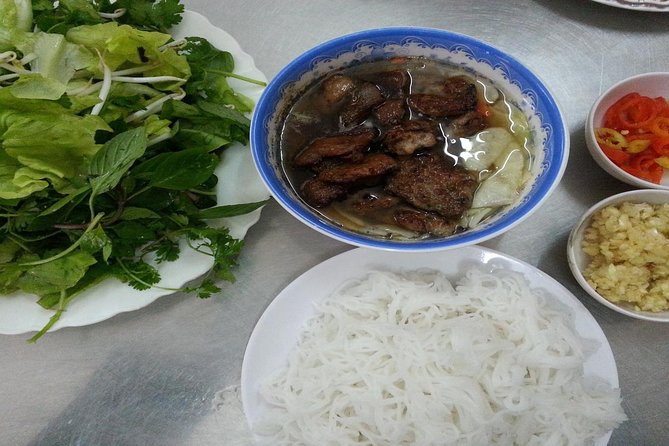
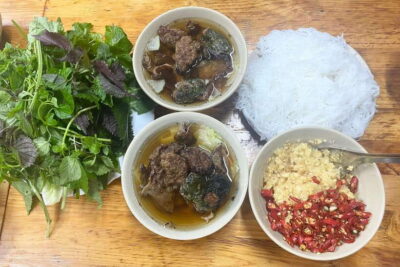
- Bun cha: grilled pork that teaches you the sauce game
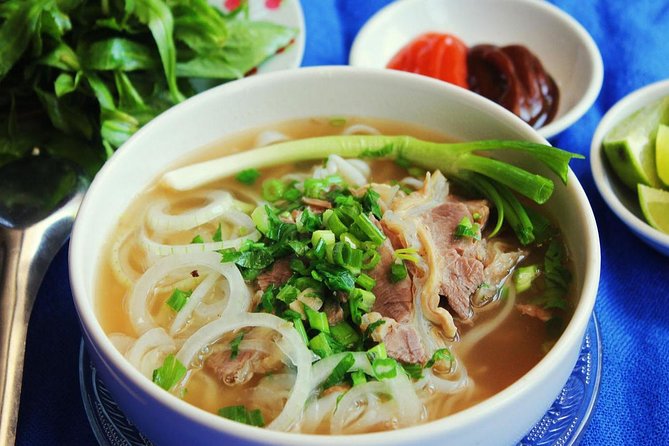
- Pho: the noodle-and-broth skill you can reuse
- Banh cuon and banh mi: texture education in handheld form
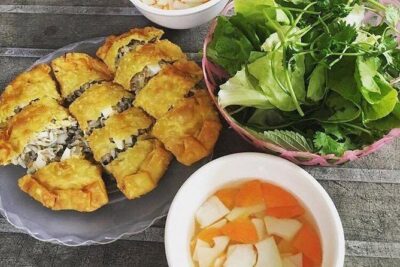
- Banh goi: fried and fun, with a quick snack payoff
- The guide part: what English support changes for street-food confidence
- Ordering tips you can use the same night
- Timing, pacing, and comfort: make the walk feel easy
- Ratings and fit: who this walking tour suits best
- Should you book this Hanoi street-food walking tour?
- FAQ
- What is the meeting point for the Hanoi street food walking tour?
- What time does the tour start?
- How long is the tour?
- Is the tour private?
- What’s included in the $50 ticket?
- What is not included in the price?
- Does the tour run in bad weather?
Key highlights you should care about

- English-speaking local student guide who can translate food culture into something you can actually use.
- Old Quarter focus on Hanoi style street-food favorites, so you start your trip knowing what to order.
- A guided food plan around ingredients and traditions, not just a list of dishes.
- Flexible start depending on where you’re staying, while still ending back at the meeting point.
- Evening timing with weather in mind, since the experience needs good conditions.
Why a 6pm Old Quarter walk makes sense for street food
Hanoi street food is easier when you visit with context. The Old Quarter at night is when you can see what locals are ordering, how dishes arrive, and how the rhythm of a stall works. Starting at 6:00 pm also helps you dodge the busiest heat of the day, which matters if you’re walking for about three hours.
This tour is built around a walking pace. That means you’re not stuck waiting for one long sitting meal. Instead, you move through the area, learn what each dish is about, then taste multiple items. If you’re the type who likes to make decisions fast—order, taste, repeat—this fits your style.
It also helps that the operator expects good weather. If rain or bad conditions show up, they’ll offer a different date or a full refund. For you, that’s a practical promise: the experience relies on walking and stall-hopping, so plan with the weather forecast on your side.
Still hungry? More Hanoi street-food crawls



Price and value: what $50 covers (and what doesn’t)
$50 per person isn’t just “a guide fee.” In practice, you’re paying for an English-speaking local student, a walking route through the Old Quarter, and the guidance to help you order confidently. You also get explanations about ingredients and historical backgrounds of popular northern dishes, which is the part that can save you time later.
Now the important bit: food and drinks aren’t included. That’s common for street-food experiences, and it changes how you budget. You should expect to pay for what you eat at each stop, using the tour’s tastings as a framework for what you’ll enjoy.
So is it good value? For me, it is when you’re new to Hanoi. If you try street food on your own without knowing what you’re ordering, you might end up with the wrong textures, wrong spice level, or duplicate items that don’t teach you anything. Here, the guide helps you sample the key staples—then you can use that knowledge the rest of your stay.
Where you meet at Hàng Điếu and how the tour actually runs
Your meeting point is Hàng Điếu, in Hanoi’s Old Quarter (Hoàn Kiếm), with a start time of 6:00 pm. The tour ends back at the meeting point, so you don’t have to think about transportation at the end of your night out.
There’s also a nice planning detail: pickup from your hotel can happen depending on where you’re staying. The tour doesn’t promise it everywhere, but the structure is flexible. If you’re staying near the Old Quarter, you’ll likely feel the logistics are simple.
The experience is private for your group. That matters because street-food choices can be personal. You might want fewer fried items or you might want more noodle-based dishes. A small, private group format usually makes it easier for the guide to adjust on the fly, compared with a large shared tour.
What you’ll taste in the Old Quarter (and how the dishes connect)
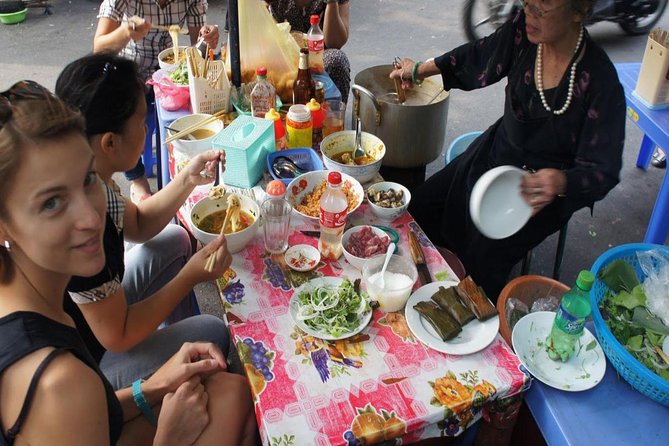
The whole experience is centered on Hanoi street-food logic—fast to order, easy to share, and deeply tied to northern Vietnamese tastes. You’ll spend time around the Old Quarter’s busy food stalls, tasting famous “Hanoi style fast foods” and learning why people order them.
The tour’s dish list is focused on staples you’ll see again and again across the city:
- Bun cha: noodles with grilled pork, typically served in a way that lets you mix, dip, and build each bite.
- Pho: rice flat noodles in a fragrant broth (a core northern comfort food).
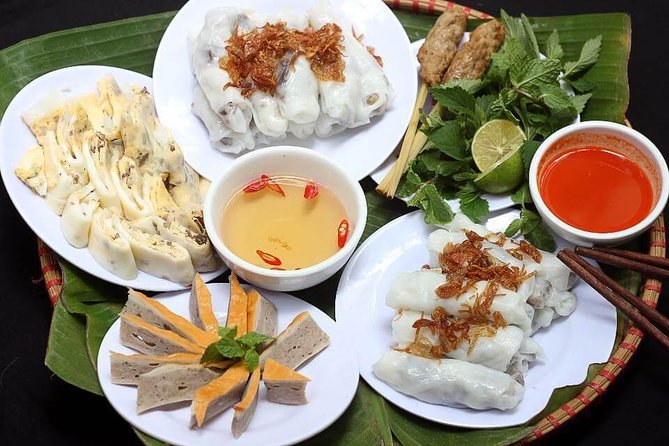
- Banh cuon: thin steamed rice rolls, usually filled, often served with dipping sauce.
- Banh mi: the classic Vietnamese sandwich you can spot from a block away.
- Banh goi: a fried, stuffed-style snack (the listing cuts off mid-word, but the stop describes this as a pillow-like snack).
Here’s why this matters. These aren’t random “street food hits.” They cover the big categories: broth noodles, grilled meat, steamed rice textures, crunchy fried snacks, and sandwich-style handheld food. After three hours, you’re not just full—you’re better at reading menus.
Bun cha: grilled pork that teaches you the sauce game
Bun cha is one of the quickest ways to understand Hanoi flavor balance. Grilled pork brings smoke and caramelization. The dipping and sauce components matter as much as the meat. When your guide explains ingredients and traditions, you’ll start to recognize which elements create that signature taste and how locals build the bite.
If you’re someone who usually orders whatever looks best, bun cha gives you a “flavor lesson.” It also tends to be filling, so it’s a great anchor dish for the evening.
More of Hanoi covered on foot
- [HOT] Hanoi Old Quarter Walking Street Food – Small Group Tour★ 5.0 · 2,163 reviews
- Private Walking Tour of Hanoi City★ 5.0 · 1,251 reviews
- Hanoi: Small-Group Street Food Walking Tour★ 4.8 · 1,165 reviews
Pho: the noodle-and-broth skill you can reuse
Pho seems simple until you’ve eaten enough to notice the details. The guide’s job here is to help you understand what makes a pho bowl feel right. Even if you’ve had pho before, Hanoi-style pho can teach you about broth aroma and how the dish is structured around the noodles and toppings.
For you, the value is practical: you’ll know what to look for when you order later, and you’ll be less likely to get a bowl that’s missing the basics.
Banh cuon and banh mi: texture education in handheld form
Banh cuon brings a different texture world. Thin steamed rice rolls are soft and light, but the filling and dipping sauce add the contrast. It’s not just another snack; it changes how you think about what street food can be.
Banh mi is more familiar, but it’s still worth tasting with guidance. A good banh mi isn’t only about bread. It’s the balance between fillings, seasoning, and crispness. When you’re eating it as part of a set tour, you learn faster what makes one version better than another.
Banh goi: fried and fun, with a quick snack payoff
Banh goi is the kind of bite that gives you energy mid-walk. Fried snacks work well on a walking route because they’re portable and fast to eat. They’re also a nice change of pace if the evening has been heavy on noodles and soup.
The guide part: what English support changes for street-food confidence
The tour includes an English speaking local student. That’s more than translation. On a street-food crawl, language can affect everything: how confidently you order, how you ask about ingredients, and how you handle misunderstandings when the stall is busy.
One review specifically noted a guide named Lily who asked in advance what foods you wanted to try, then prepared accordingly. That’s a great sign because it means the route can match your preferences instead of pushing a fixed script onto everyone. If your guide is Lily, you’ll likely get that extra layer of customization.
Also, you’ll get guidance about how to navigate Hanoi roads and some bartering basics. Street-food bargaining can be awkward if you don’t know what’s expected. Even simple coaching helps: you’ll feel less like you’re guessing and more like you’re participating in a normal local transaction.
Ordering tips you can use the same night
This is one of those tours where the real payoff shows up after you eat. Here are practical behaviors I recommend you lean on, especially if the guide is actively helping you with ordering and bartering:
- Ask what comes with a dish. If you know what’s inside, you can compare stalls later.
- Try to observe before you order. Watch what people near you eat, then ask the guide to steer you.
- If you’re offered a price conversation, handle it lightly. Keep it friendly and quick, since the stall is a workplace, not a debate stage.
- Go for variety over volume. The goal is multiple dish types in a single evening, not one huge meal.
This tour’s format—walking, tasting, learning—helps you build a repeatable routine. After the last stop, you’ll know how to spot what to order on your own.
Timing, pacing, and comfort: make the walk feel easy
The experience is about 3 hours and starts at 6:00 pm. Three hours sounds short, but street-food walks can feel long if you’re wearing the wrong shoes or if you stop for extra photos. If you want the experience to feel smooth, dress for movement.
Wear comfortable shoes with grip. The Old Quarter sidewalks can be uneven, and you’ll be switching locations often. Bring a light layer, since evenings can cool down.
Also remember: food and drinks aren’t included. That means you should expect spending beyond the $50 tour fee. If you want to stay in control, set a simple budget range before you go.
Ratings and fit: who this walking tour suits best
The experience is rated 4.9 with strong recommendation feedback. That usually points to one thing: people felt the tour delivered what it promised—street-food tastings plus useful context.
This tour suits:
- First-time visitors to Hanoi who want a confident start in the Old Quarter
- Food lovers who learn faster by tasting than by reading
- Families, since the concept is built around “kids who live there” and the guide approach is friendly and approachable
It may be less ideal if you hate walking or if you need fully pre-paid meals with no extra spending. Since the food isn’t included, you’ll still be making on-the-spot choices and payments.
Should you book this Hanoi street-food walking tour?
I’d book it if you want your first night in Hanoi to be practical and delicious, not chaotic. The biggest reason is the combination of guided ordering support plus a tasting list that covers the core northern favorites: bun cha, pho, and several other iconic street-food formats.
I’d skip it (or at least reconsider) if you’re determined to eat only where you personally choose every item, with zero extra budgeting beyond the ticket price. Since food and drinks aren’t included, this isn’t a set-menu tour.
If you’re okay with a little walking and you want to leave the Old Quarter with real street-food confidence, this is a smart way to start.
FAQ
What is the meeting point for the Hanoi street food walking tour?
You’ll meet at Hàng Điếu, Phố cổ Hà Nội, Hoàn Kiếm, Hà Nội, Vietnam. The tour also ends back at the same meeting point.
What time does the tour start?
The start time is 6:00 pm.
How long is the tour?
The duration is about 3 hours.
Is the tour private?
Yes. It’s listed as private, meaning only your group will participate.
What’s included in the $50 ticket?
Included items are an English speaking local student and a walking tour to taste street-foods in Hanoi Old Quarter.
What is not included in the price?
Transfer fees from or to your hotel (if any), entrance fees (if any), personal expenses, food and drinks, and tips for guides are not included.
Does the tour run in bad weather?
The experience requires good weather. If it’s canceled due to poor weather, you’ll be offered a different date or a full refund.
More of Hanoi, Step by Step



More Tour Reviews in Hanoi





More Bowls and Backstreets in Hanoi

Latest Hanoi write-ups from our team




Hanoi Street Food Tours, compared.
 ★ 4.9Guided Food Tour with Train Street VisitFrom $196,239 reviews
 ★ 5.0Small Group Hanoi Street Food Tour with a Real FoodieFrom $284,682 reviews
 ★ 5.0Street Food Tour with Train Street & Hidden AlleywaysFrom $202,831 reviews
 ★ 4.9Guided Street Food Tour with Train Street ExperienceFrom $172,479 reviews
 ★ 5.0[HOT] Hanoi Old Quarter Walking Street Food – Small Group TourFrom $142,163 reviews
 ★ 5.0Hanoi Motorbike Tours Led By Women: Hanoi By Night Foodie Motorbike ToursFrom $691,734 reviews
 ★ 5.0Hanoi Street Food Tour with local delicaciesFrom $281,506 reviews
 ★ 5.0Hanoi Coffee Workshop: Taste Salt, Coconut and Egg CoffeeFrom $161,286 reviews
Browse the lists this tour appears in