Reviewed · HANOI
Hanoi: Cook 2–5 Vietnamese Dishes With Traditional Tea Ceremony
A tea ceremony after cooking beats a museum day. This Hanoi experience happens in a hidden garden villa and lets you pick the Vietnamese dishes you want to make, with step-by-step guidance and a relaxed, air-conditioned pace. I love the calm setting and the dish choice part—this isn’t just watching someone else cook. One possible drawback: plan for a full about-4-hour session, because you’ll eat a real meal, not just sample a few bites.
After you cook, you’ll slow down with a traditional Vietnamese tea ceremony and stories that connect tea to daily life and the dishes on your table. You’ll also get a complimentary herbal welcome drink, unlimited mineral water, and all the tools you need—no hauling equipment around Hanoi. And since the experience ties into monthly charity meals, education support, and jobs for ethnic minority women, you’re paying for flavor and impact, not just entertainment.
If you book as a join-in group, you’ll typically cook 2 signature dishes with other people. If you go private, your group cooks 5 signature dishes, with more personal attention from the dedicated butler and English-speaking cultural storytellers.
In This Review
- Key highlights that make this Hanoi class worth your time
- A hidden garden villa in Hanoi, with air-conditioned comfort
- Choose your dish count: join-in 2 dishes vs private 5 dishes
- What you’ll do in the cooking class (step-by-step, not just hands-on)
- The instructor personalities can change your experience
- A market stop might be part of your session
- The tea ceremony: learning why the cup matters
- Eco-friendly details that feel small until you notice them
- Community impact: what your $29 really supports
- Price and value: why $29 can make sense in Hanoi
- Who this Hanoi class suits best (and who might not love it)
- Practical tips to get the most from your session
- Should you book Rose Kitchen Cooking Class in Hanoi?
- FAQ
- How long is the Hanoi cooking class with tea ceremony?
- What’s included in the price?
- How many dishes will I cook?
- Where does the experience start?
- Is there a way to avoid canceling for a loss?
- Is the class near public transportation?
Key highlights that make this Hanoi class worth your time
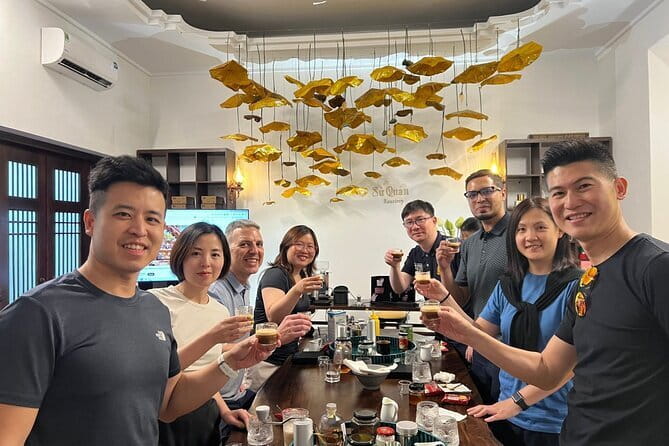
- Pick your dishes: join-in for 2 signatures, private for 5, so the menu feels tailored to you.
- Hidden garden villa setting: a quiet, calming place to cook, eat, and hang out for about 4 hours.
- Tea ceremony with context: you won’t just drink tea; you’ll learn why it matters in Vietnamese life.
- No-plastic, eco-minded setup: stainless-steel containers and canvas bags, plus water and tools provided.
- Community-focused booking: your participation supports charity meals, education programs, and employment for ethnic minority women.
A hidden garden villa in Hanoi, with air-conditioned comfort
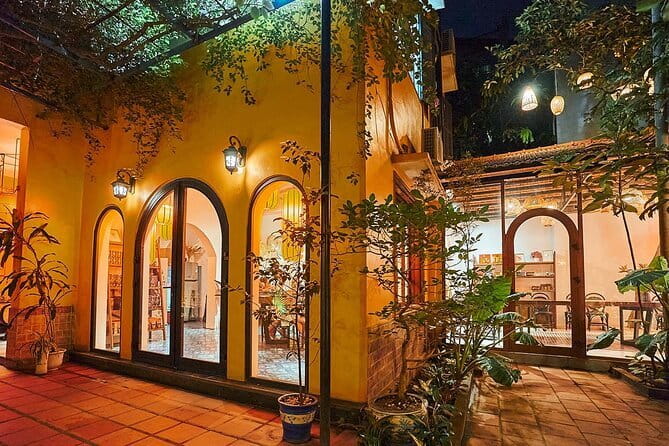
I like experiences that feel local but not stressful, and this one nails that balance. The cooking happens in a hidden garden villa, so you’re not stuck in a noisy storefront. Inside, you get air-conditioned comfort, which matters in Hanoi when weather swings and you’re sweating over a hot stove.
The vibe is also practical. You arrive, get a complimentary herbal welcome drink, and settle in without a big performance. From there, you’re cooking with real guidance—so you’re not just collecting photos while someone else does the work.
One underrated detail here: the setup is designed to be eco-friendly. You’ll use stainless-steel containers and canvas bags, with no plastic. That’s the kind of choice that doesn’t scream for attention, but it changes how the whole meal feels—more thoughtful, less wasteful.
Not sure yet? See how this one sits next to a few Hanoi favourites.



Choose your dish count: join-in 2 dishes vs private 5 dishes
This is where the class gets smart. You’re not locked into a fixed menu that might include ingredients you don’t love. Instead, you pick dishes you’ll cook.
For join-in sessions, the format is simpler: you cook 2 signature Vietnamese dishes alongside other guests in a group setting. For private bookings, you cook 5 signature dishes with your group, which usually means more time at each station and more back-and-forth with your instructors.
You’ll also see how this affects pacing. With 2 dishes, you’re likely to get a slightly faster rhythm and more time to taste, learn, and ask questions. With 5 dishes, it’s more work—but you leave with a fuller sense of how Vietnamese meals build flavors layer by layer.
What you’ll do in the cooking class (step-by-step, not just hands-on)
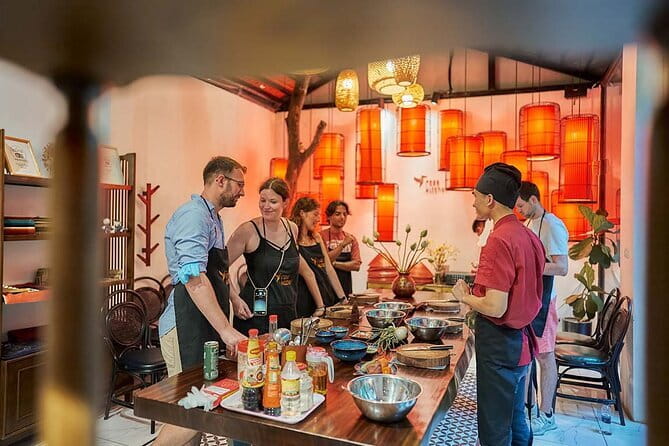
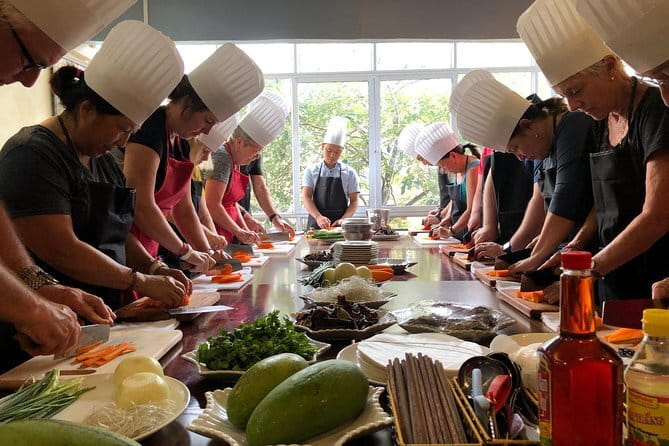
You’ll be guided step-by-step by cultural storytellers fluent in English. That matters because Vietnamese cooking isn’t only about technique; it’s also about understanding ingredients and why specific steps happen. I like that the class is interactive, so you can actually practice cutting, mixing, assembling, and cooking rather than just hovering.
You’ll cook and prepare your chosen dishes using all the cooking and brewing tools provided. That means you don’t need to worry about bringing anything but your curiosity. Throughout the session, you’ll have unlimited mineral water, which is a small comfort that makes a big difference when you’re moving around and tasting.
Depending on your time slot, you’ll also get a full meal—breakfast, lunch, or dinner. In other words, you’re not paying for a few “demo” bites. You’ll sit down and eat what you helped make.
The instructor personalities can change your experience
Even if the menu stays Vietnamese, your experience can shift depending on who’s teaching you. In past classes here, I’ve seen names like Alex and Hai mentioned for hosting, and Tung highlighted as a chef who explained and guided spring rolls and preparation techniques. Aroma and Chloe have also been praised for making the experience fun and for cracking jokes while teaching tips.
Then there’s Linh, who was noted for explanations during a market portion (when that’s included) and for listening well. If you’re someone who learns best by asking questions, being in a group with an instructor who answers clearly can turn this from a “nice meal” into real skill-building.
A market stop might be part of your session
In some sessions, the day can start with a local market visit where you choose ingredients for the dishes you’ll cook. I like this idea because it gives you a shortcut to understanding Vietnamese flavors. If your session includes it, pay attention to herbs, produce, and how vendors talk about freshness—you’ll notice those choices again at the stove.
If your day doesn’t include the market stop, don’t worry. The core value is still the hands-on cooking and the dish stories you get during prep.
- Hanoi Motorbike Tour: Food, Culture and Fun by Vintage Motorbike★ 5.0 · 6,699 reviews
- Hanoi: Guided Food Tour with Train Street Visit★ 4.9 · 6,239 reviews
- Hanoi Cooking Class: Culture, Local Market & Meaning CSR Impact★ 5.0 · 5,147 reviews
The tea ceremony: learning why the cup matters
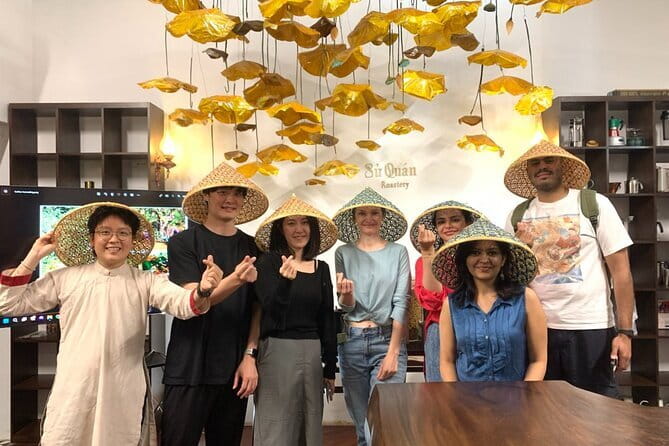
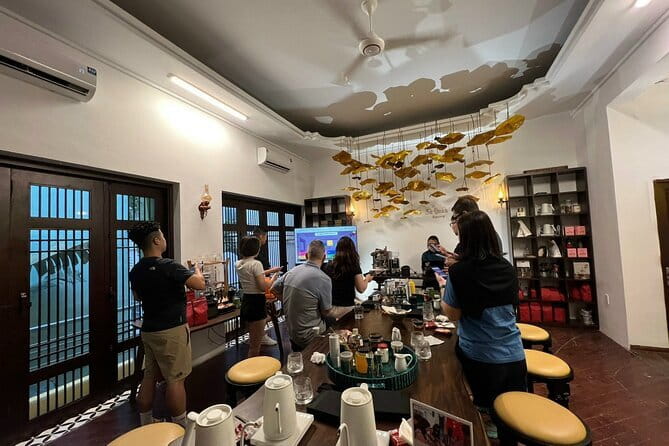
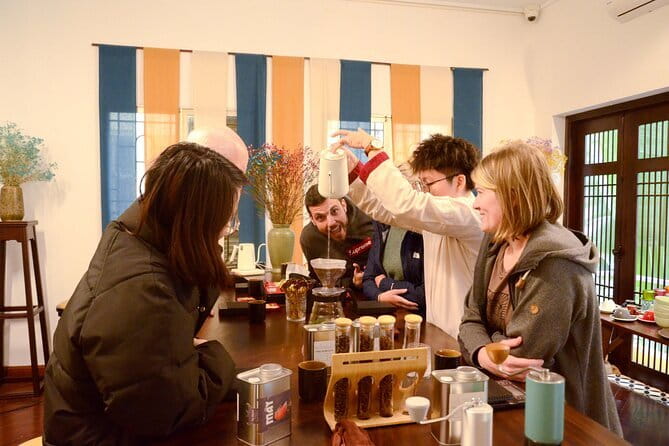
After cooking, you’ll relax with a traditional Vietnamese tea ceremony. The key point is not just drinking tea—it’s understanding the cultural significance behind it, and how that connects to Vietnamese life and the meal you just made.
Tea in Vietnam often shows up as a pause button. It slows the group down after cooking, gives you a chance to compare flavors, and turns your meal into something more than food. I also like that the ceremony comes with stories, so you’re learning while you’re sitting, sipping, and winding down.
This portion is especially useful if you’re traveling with friends and you want everyone to feel included. Cooking can lean technical, but tea ceremony talk tends to open things up—everyone can participate, ask questions, and share what they’re tasting.
Eco-friendly details that feel small until you notice them
A lot of “eco” claims are just marketing. Here, the practical pieces are clearer: stainless-steel containers, canvas bags, and a no-plastic approach. That means your meal setup is likely to feel more grounded and less disposable.
The experience also includes unlimited mineral water and provides tools and guidance. That reduces the need to buy extra items during your cooking session. In Hanoi, that kind of planning helps—less running around, more time cooking and eating.
There’s also free luggage storage. That one’s not glamorous, but if you’re in Hanoi on a hopping itinerary, it’s a relief. You can arrive without dragging bags around your cooking zone.
Community impact: what your $29 really supports
This is part of the value equation that I don’t want you to ignore. The price is $29 per person, and it covers a full about-4-hour experience with cooking, tea ceremony, and a full meal depending on time slot—plus drinks, guidance, and tools.
But the booking also supports community programs, including monthly charity meals for cancer patients, educational programs for disadvantaged children in remote regions, and sustainable employment for ethnic minority women who work as butlers. You’re not just buying a class; you’re paying into a local social-impact model.
From a traveler’s point of view, the “feel” of impact matters too. A butler role shows up in the experience with dedicated support, which helps keep things smooth and attentive. When service is structured like that, you tend to get a calmer meal and fewer confusing moments.
Price and value: why $29 can make sense in Hanoi
At $29, this class competes well with other food experiences in Hanoi—especially because you’re getting more than a tasting.
Here’s what your money covers:
- Hands-on cooking with step-by-step instruction
- Cooking tools and brewing tools provided
- Unlimited mineral water
- Complimentary herbal welcome drink
- A full meal (breakfast/lunch/dinner based on slot)
- Traditional tea ceremony with cultural stories
- Guidance in English and personal butler support
- Eco-friendly, no-plastic setup
- Free luggage storage
So even if you’re not a “serious foodie,” the economics can still work. You’re essentially paying for a structured meal and a lesson you can use later. If you love cooking, it’s a double win: you eat well now and learn technique for future attempts at home.
Who this Hanoi class suits best (and who might not love it)
This fits well if you:
- Want a hands-on break from sightseeing
- Enjoy cooking or learning how ingredients work together
- Like cultural context, not just recipes
- Prefer small-group interaction and personal attention
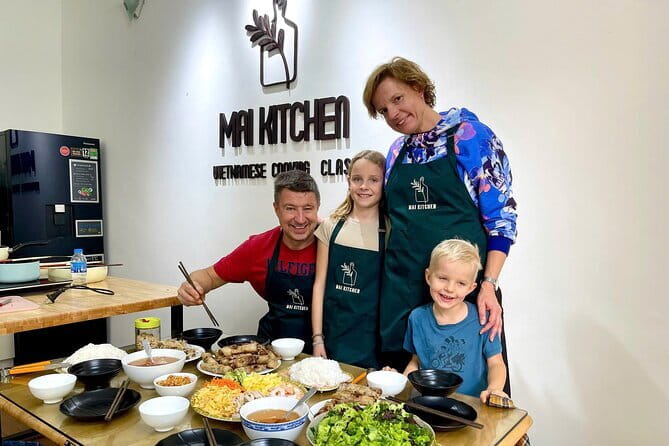
I also think it can work for families, since one past experience highlighted that a 5-year-old participated safely with the guidance provided. If you’re traveling with kids, still use common sense: the session is food-focused, and cooking involves hot items—so it’s worth being aware and following the instructor’s pace.
One caution: because it’s about 4 hours and includes a full meal plus tea ceremony, it’s not the best choice if your schedule is tight or you’re trying to squeeze in a long night crawl. Plan it when you can slow down.
Practical tips to get the most from your session
Go in ready to eat. You’re not just tasting; you’ll likely have breakfast, lunch, or dinner based on your time slot. Wear comfortable clothes you don’t mind getting the occasional cooking smell on—this is a real kitchen experience.
Ask questions during prep. The class is guided by English-speaking cultural storytellers, and some instructors are known for explaining practical technique, like correct spring-roll preparation steps. If you’re curious about herbs, sauces, or how tea fits into the meal rhythm, this is the time to ask.
If your session includes a market stop, watch how ingredients are handled. Freshness cues matter in Vietnamese cooking, and seeing ingredients chosen can make the cooking steps click fast.
And if you care about eco choices, this is one of those meals that backs it up with stainless-steel and canvas rather than a vague promise.
Should you book Rose Kitchen Cooking Class in Hanoi?
If you want a calm, hands-on Vietnamese meal experience—with tea ceremony stories and real cooking skills—you should book it. The value is strong for the price because you’re getting instruction, a full meal, drinks, and context, all in about 4 hours.
Book it especially if you like the idea of choosing dishes and if you’ll enjoy sitting down to eat what you made. If your schedule is tight or you don’t want a longer sit-and-sip tea moment, you might prefer a shorter tasting-only option.
If you do book, message yourself one goal: leave knowing how to repeat at least one dish at home—because that’s the best souvenir.
FAQ
How long is the Hanoi cooking class with tea ceremony?
The experience runs for about 4 hours.
What’s included in the price?
You’ll get a complimentary herbal welcome drink, step-by-step guidance in a hidden garden villa, unlimited mineral water, hands-on cooking with tools provided, cultural stories, a full meal (breakfast, lunch, or dinner depending on your time slot), traditional tea ceremony, and free luggage storage.
How many dishes will I cook?
In join-in sessions, you cook 2 signature Vietnamese dishes. For private bookings, you cook 5 signature dishes with your group.
Where does the experience start?
It starts at Rose Kitchen Cooking Class, 7/32, Ngh. 173/75 Đ. Hoàng Hoa Thám, Ngọc Hồ, Ba Đình, Hà Nội 10000, Vietnam, and ends back at the meeting point.
Is there a way to avoid canceling for a loss?
Yes. Free cancellation is available up to 24 hours in advance for a full refund. If you cancel within 24 hours, the payment is not refunded.
Is the class near public transportation?
Yes, the meeting area is near public transportation.