
Reviewed · MASSAGE & RELAXATION
Deep Muscular Therapy
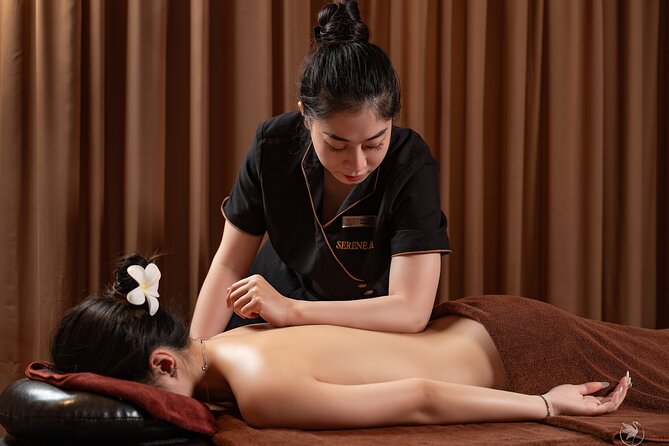
Your legs will feel lighter fast. A 60–90 minute deep tissue massage at Serene Spa Hanoi in the Old Quarter includes a warm foot soak and a shower before and after, plus fresh fruit, cookies, and tea or coffee. The only catch: deep tissue uses firm, sustained pressure, so if you prefer gentle touch, speak up right away.
I like that the technique is built for muscle and connective-tissue relief, not just relaxation. The therapist uses slow, deep strokes and elbow work, with Serene oils to help target tense areas and support circulation. If you’re coming off a long day of walking around Hanoi, this kind of pressure can feel like hitting reset.
In This Review
- Key things to love about Deep Muscular Therapy in Hanoi
- Deep Muscular Therapy in Hanoi: a smart fix after a walking-heavy day
- Serene Spa Hanoi in the Old Quarter: the setting that helps you actually relax
- The massage method: what “deep muscular therapy” really means here
- Oils and circulation support
- Tell the therapist what’s sore
- Warm foot soak, then massage: the pre-game that sets the whole tone
- Shower before and after: why the hygiene ritual is more than an extra
- Refreshments included: the part that makes you leave feeling cared for
- Duration and pacing: how to choose 60 vs 90 minutes
- Price and value in Hanoi: $20 for a full recovery-style session
- Logistics that matter: where you start and how to plan your timing
- Who should book Deep Muscular Therapy at Serene Spa
- Should you book this massage in Hanoi?
- FAQ
- How long is the Deep Muscular Therapy session?
- Where does the experience start in Hanoi?
- Is pickup and drop-off included?
- What’s included with the massage?
- Do I need to print a ticket?
- Is this a private experience?
- Can I cancel for free?
Key things to love about Deep Muscular Therapy in Hanoi

- Warm foot soak with pure salts and herbals before treatment
- Deep tissue focus using slow, sustained strokes and elbow techniques
- Serene oils extract used as part of the massage approach
- Shower before and after to help you feel fully refreshed
- Real recovery snacks: fresh fruit, cookies, plus tea or coffee
- Private session for your group in a quiet setting
Deep Muscular Therapy in Hanoi: a smart fix after a walking-heavy day
Hanoi rewards your feet. After all that sidewalk time and motorbike dodge-work, your muscles tend to feel tight in the same places every trip: calves, lower back, shoulders, and the odd spot in the upper arms that you did not know existed.
This experience is built for that exact problem. You get a deep tissue massage in a calm space at Serene Spa Hanoi, and the whole flow is set up like a short recovery ritual—start with a warm soak, then go into targeted muscle work, then clean up with showers afterward. For me, the value is not just the massage itself. It’s that they help you transition from tourist mode to “my body can relax now” mode.
One practical point to know: the therapy is designed for sustained pressure and deeper layers of muscle and connective tissue. That can be excellent relief, but it also means it might not feel like a spa “float.” If you’re unsure, tell the therapist what pressure feels right for you.
Not sure yet? See how this one sits next to a few Hanoi favourites.




Serene Spa Hanoi in the Old Quarter: the setting that helps you actually relax
Serene Spa Hanoi is in the heart of the Old Quarter, which is great because you don’t have to travel across town after dinner or after a full day of sightseeing. The meeting point is at 68 P. Mã Mây, Hàng Buồm, Hoàn Kiếm, and the shop is near public transportation, so you should be able to find your way without stress.
The spa itself is described as quiet and soothing, and that matters more than people think. Deep tissue works best when you’re not constantly bracing for noise or crowds. The experience is also private, meaning only your group participates. That usually helps you feel comfortable telling the therapist what you need.
If you’re the kind of person who likes to keep things simple, this is a clean setup: one location, one main treatment focus, and a clear before-and-after routine.
The massage method: what “deep muscular therapy” really means here
The technique described is not casual. You’re looking at a style of massage that uses slow, deep strokes and elbow techniques, with sustained pressure aimed at the inner layers of muscles and connective tissues.
That’s the key difference between “relaxing massage” and “deep muscular therapy.” With deep tissue, the goal is often to reduce muscle strains, ease tightness that lingers after long days, and stimulate blood circulation where tension has built up. In practice, you may feel strong pressure during the session, and afterward you often feel looser and warmer.
Oils and circulation support
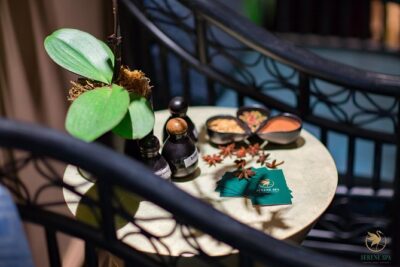
The massage uses Serene oils extract as part of the treatment. While the exact effect of oils varies person to person, oils usually help the therapist apply consistent pressure and reduce friction during those slower, deeper techniques. The approach here is described as helping target inner muscle layers and support blood flow.
Tell the therapist what’s sore
Because the style is pressure-focused, communication is part of the experience. If something is sharp-pain tender rather than comfortably sore, say so. A good deep tissue session should feel intense but not alarming. If you want lighter work on one area, you can request it.
- Hanoi Motorbike Tour: Food, Culture and Fun by Vintage Motorbike★ 5.0 · 6,699 reviews
- Hanoi: Guided Food Tour with Train Street Visit★ 4.9 · 6,239 reviews
- Hanoi Cooking Class: Culture, Local Market & Meaning CSR Impact★ 5.0 · 5,147 reviews
Warm foot soak, then massage: the pre-game that sets the whole tone
Before the massage starts, you’ll get a warm foot soak with pure salts and herbals. This is one of those “small” steps that ends up being more important than it sounds.
Warm soaks can help soften the muscles you’ll be using right away—especially calves and feet—and they also give your body a cue that rest is coming. That matters when you’re already tense. A gentle start makes the deeper work easier to tolerate.
If you’ve been walking a lot around the Old Quarter, you’ll probably appreciate this step. It’s also a good mental transition: you’re not just sitting down for a treatment—you’re being guided into it.
Shower before and after: why the hygiene ritual is more than an extra
A big feature here is the use of a shower before and after the massage and treatments. You’ll go through the session clean, then refresh afterward again before you head back out.
For deep tissue massage, this is practical. Oils and lotions can linger on skin, and the after-shower helps you feel ready to move on with your evening without that oily, sticky feeling. It also supports comfort: if you sweat during a pressure-heavy session, the post-shower helps you reset quickly.
Also, if you’re someone who plans your day around comfort—dinner, maybe a night walk, maybe sleep soon after—this kind of before-and-after hygiene routine keeps the whole experience from turning into a mess.
Refreshments included: the part that makes you leave feeling cared for
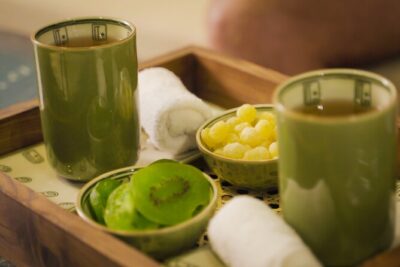
This experience includes snacks, with coffee and/or tea, plus refreshments such as fresh fruit and cookies.
Again, it sounds like a bonus, but it’s actually useful. Deep tissue can make you feel a little sleepy or lightheaded afterward. Having something gentle to eat and drink helps you recover instead of walking out hungry.
It’s also a nice touch for comfort. You’re not rushing straight back to street life. You get a moment to slow down, hydrate, and settle your body.
Duration and pacing: how to choose 60 vs 90 minutes
You can choose a 60-minute or 90-minute session, and the experience is listed at about 1 hour 30 minutes overall.
Here’s the practical way to decide:
- If your tightness is mostly in one or two areas, 60 minutes may be enough.
- If you’ve got all-over fatigue—common after days of walking—90 minutes gives the therapist more time to work through layers.
One thing to consider: deep tissue is slow by nature. A shorter session can still work, but it may focus more on the most urgent tight spots. A longer session often feels more “complete,” because the therapist has time to spend more effort on both the initial knots and the deeper follow-up areas.
Price and value in Hanoi: $20 for a full recovery-style session
At $20, this is priced in the budget-friendly range for a real massage experience in the Old Quarter. What makes it feel like good value is not just the massage time. It’s the package around it.
You’re getting:
- the deep tissue treatment approach
- a warm foot soak beforehand
- shower use before and after
- refreshments (fresh fruit, cookies, tea/coffee)
- all taxes, fees, and handling charges
- snacks included
Pickup and drop-off are not included, so you’ll want to handle getting there on your own. But if you’re already near the Old Quarter, that’s usually not a big deal.
I’d frame it like this: you’re paying for a treatment plus the setup that makes deep work comfortable. That’s where the value lives.
Logistics that matter: where you start and how to plan your timing
The meeting point is 68 P. Mã Mây, Hàng Buồm, Hoàn Kiếm, Hà Nội. The activity ends back at the meeting point, so you’re not sent across town afterward.
This is a private tour/activity, only your group participates. That helps with comfort and coordination, especially if you want the therapist to focus on the specific areas that feel most tight.
Also note:
- You should receive confirmation at booking time
- It’s near public transportation
- A mobile ticket is used, which usually makes the check-in process simpler than hunting for paper
If you’re planning around dinner, schedule it with breathing room. Deep tissue can put you in a calmer, slower mode afterward, so it’s often best not to stack it right before something stressful or late-night.
Who should book Deep Muscular Therapy at Serene Spa
This is a great fit if:
- you’ve been walking a lot in Hanoi and want muscle relief, not just general relaxation
- you like clear structure (soak, massage, shower, snacks)
- you want a quieter experience since it’s private and described as soothing
It may not be your best match if:
- you strongly prefer very gentle massage only
- you want a quick, light “spa rub” style session without sustained pressure
For most people, it’s a solid choice when your body needs recovery. The routine and included amenities make it feel like a complete reset rather than a short stop.
Should you book this massage in Hanoi?
Yes, if you want a deep tissue-focused session with a full comfort routine—warm foot soak, shower before and after, and refreshments—right in the Old Quarter. At $20, the package looks like strong value because you’re not paying just for contact time; you’re paying for the whole experience flow.
If you’re unsure about deep pressure, go with intention: tell the therapist where you’re tight and what pressure you can handle. And if you’re the type who hates firm work, choose a lighter option from the available spa choices instead of deep tissue.
If you want, tell me your travel dates and whether you’re leaning 60 or 90 minutes, and I’ll help you pick the best fit for your schedule and sore spots.
FAQ
How long is the Deep Muscular Therapy session?
You can choose a 60-minute or 90-minute session. The overall experience is listed at about 1 hour 30 minutes.
Where does the experience start in Hanoi?
The meeting point is 68 P. Mã Mây, Hàng Buồm, Hoàn Kiếm, Hà Nội, Vietnam.
Is pickup and drop-off included?
No. Pick-up & drop-off is not included.
What’s included with the massage?
Included are all taxes, fees and handling charges, snacks, and coffee and/or tea. The experience also includes refreshments such as fresh fruit and cookies, plus a warm foot soak and shower use before and after.
Do I need to print a ticket?
No. The experience uses a mobile ticket.
Is this a private experience?
Yes. It’s listed as a private tour/activity, with only your group participating.
Can I cancel for free?
Yes. You can cancel up to 24 hours in advance for a full refund. Cancellation cut-off is based on the experience’s local time.
More Tour Reviews in Hanoi


Latest Hanoi write-ups from our team





Massage & Relaxation, compared.
 ★ 5.0L’essence Relaxation Package for Lady: 240’From $269176 reviews
 ★ 5.0Serene Experience Spa PackageFrom $340123 reviews
 ★ 5.090 Minutes Thai Royal MassageFrom $25104 reviews
 ★ 5.0Hoang’s Spa for Relaxing Foot MassageFrom $982 reviews
 ★ 5.0Hoang Spa Nourishing Shampoo & Head Shoulders Face MassageFrom $1058 reviews
 ★ 5.0Hoang Spa Thai MassageFrom $2534 reviews
 ★ 5.075 Mins Body Massage (Aroma/Vietnamese/Deep/Hot Stone)From $4331 reviews
 ★ 5.0Ninh Binh 2 Days 1 Night with 4 Star Resort and Spa (Group 8)From $27624 reviews
Browse the lists this tour appears in