
Reviewed · HANOI STREET FOOD TOURS
Authentic taste of Hanoi, food tour with a local foodie
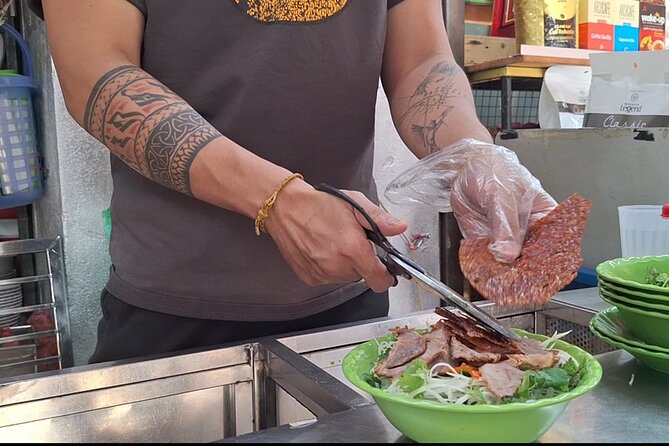
Street food in Hanoi has a purpose. This Hanoi Old Quarter walk-and-taste tour sends you into small alleys and tucked-away eateries, where you eat with chopsticks and use the same street-food rhythm locals do. I like the casual pace: you’re not stuck in a loud “tourist food court” vibe, and you actually get time to sit on tiny plastic chairs and eat like you belong.
What I really love is the guide-led angle. With Hoan at the helm, the experience isn’t just about sampling; it’s about understanding what you’re eating and why. The rotating menu is set around your preferences, and you’ll get explanations tied to the meaning and purpose of each meal.
One heads-up before you book: meat is used in many Vietnamese dishes, so strict vegetarians will face limitations. If you can eat fish, shrimp, and fish sauce, your options are typically better.
In This Review
- Key highlights worth planning for
- Hanoi’s Old Quarter on foot: the real pace of street eating
- What you’ll eat: beyond pho and banh my, in 8–10 stops
- A note on meat and vegetarian fit
- Why this menu approach is smart
- Hoan’s guide style: the explanations that make it more than food
- Choosing the right time: 11am–2pm or 6pm–9pm
- Price and value: $27 for a guided alley-food education
- What to do before you go: small steps that prevent big stress
- Who should book this Hanoi food tour, and who should skip it
- Should you book Authentic Taste of Hanoi, Food tour with a local foodie?
- FAQ
- How long is the Hanoi Old Quarter food tour?
- How many dishes will I try, and is the menu the same every time?
- Where does the tour start and end?
- Is this tour suitable for vegetarians?
- What times can I join the tour?
- What’s the cancellation and weather policy?
Key highlights worth planning for
- Hidden alley kitchens, not big-name restaurants: Many stops sit on sidewalks, in small alleys, or in places with little to no signage.
- A rotating menu based on your preferences: Your food mix can shift depending on what you want to try.
- Hoan’s explanations make the meal click: You’ll learn the meaning and purpose behind what you’re tasting.
- 8–10 dishes on a 3–3.5 hour walk: Expect a true sampling route, not a single “main event” dish.
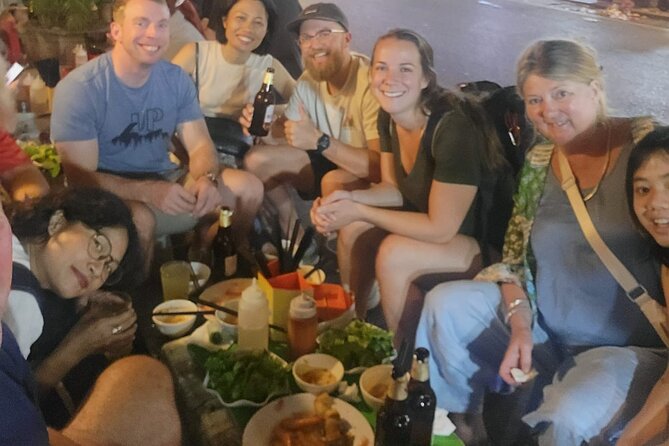
- Like-local seating and chopsticks: Small plastic chairs, chopsticks, and the normal street-food flow.
Hanoi’s Old Quarter on foot: the real pace of street eating
If you’ve only done the headline food in Hanoi, this tour is a helpful reset. Pho and banh my are great, but this experience nudges you toward the less-frequented stuff that locals actually fit into everyday meals. You’ll walk around the Old Quarter area with a local foodie, and the whole point is to make the city’s food scene feel close-up rather than staged.
The walk matters more than most people expect. Hanoi’s street food isn’t built around a single row of carts or a festival setup. Instead, many places are tucked into small alleys, along sidewalks, or inside narrow “hidden” houses. That’s why you’ll spend your time moving as part of the experience, not just between meals. It also explains why you’ll sit on those simple plastic chairs: the goal is the everyday format, not the polished restaurant version.
The pace is steady and designed for easy participation, with a maximum group size of 20. That’s a sweet spot. Big groups can make street food feel rushed and chaotic; small groups help you keep up and actually talk with the guide as you eat.
One practical note: this is weather-dependent. You’ll have a better time if you pick a day with decent conditions, because part of the fun is simply wandering.
Still hungry? More Hanoi street-food crawls


What you’ll eat: beyond pho and banh my, in 8–10 stops
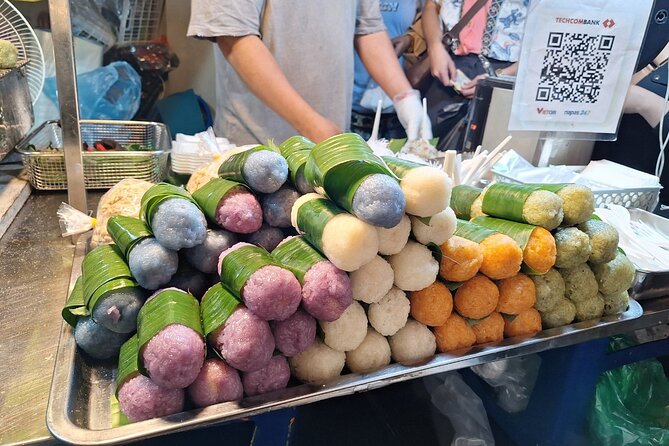
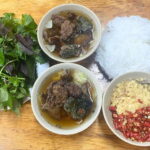
You’ll try around 8–10 dishes during the ~3 to 3.5 hour route, focused on authentic Hanoi cuisine. The menu rotates, and it’s chosen based on the group’s preferences, so the exact lineup can shift depending on who’s on the tour that day. Still, the pattern stays consistent: you’ll sample multiple typical dishes that go beyond the most famous hits.
Here’s how to think about each stop. Instead of one “big” sit-down meal, you’ll experience a sequence of small tastings across local kitchens and sidewalk setups. Some places feel like informal family-run restaurants; others are the kind of spot you’d likely miss if you weren’t looking. That’s where the tour earns its value: you don’t just eat, you find.
Because you’ll be in smaller alley locations, you’ll also notice the dining style. You might be eating in spaces that don’t look like conventional restaurants from the outside. You’ll use chopsticks and settle into whatever seating is available. Don’t expect a menu printed like a western restaurant; you’re there to follow the guide and order within the local flow.
A note on meat and vegetarian fit
This tour uses meat in many Vietnamese dishes, so the vegetarian situation is important. If you’re a strict vegetarian, you should assume limitations and plan to communicate that in advance. The tour specifically notes that there are more options if you can eat fish, shrimp, and fish sauce. If you eat none of those, you’ll want to message the organizer before you go so expectations match reality.
If you’re flexible (not strict), you’ll probably enjoy the range more. Hanoi cuisine often builds flavor around stock, sauces, and small amounts of protein, so the guide’s help matters even more when you have restrictions.
Why this menu approach is smart
A rotating menu isn’t just “variety for fun.” It’s a practical way to match what you want and what the group can safely eat. If you tell the guide what you’re excited about, the tour can steer your route toward it. And if there’s something you can’t eat, that gets handled before you’re standing in front of a dish with no good options.
Hoan’s guide style: the explanations that make it more than food
The best compliment you can give a food tour is that it changes how you see the city afterward. This one does that, mainly because of Hoan’s approach. The feedback about Hoan is consistent: she’s knowledgeable, approachable, and explains the meaning and purpose of what you’re tasting.
That kind of commentary might sound “extra” at first, but it actually helps you enjoy the food more. Street food can be confusing when you don’t know what you’re tasting or how it fits into local routines. When you understand the logic—why a dish is made a certain way, what flavors are doing, what role a dish plays—you’re more likely to remember it and repeat the experience on your own.
Also, a thoughtful guide helps with pacing. With 8–10 dishes spread across a walk, you need the route to feel organized without feeling like a school field trip. Hoan’s style keeps the mood friendly, so you can ask questions while you eat instead of waiting until the end.
If it helps you decide: the tour’s reviews highlight exactly this guide-led learning piece. People call out that they tried foods they would not have found alone. That’s the big advantage in Hanoi, where many places are hard to locate even if you know the general area.
Worth a glance beside this Hanoi pick:
- Hanoi Jeep Tour: Food, Culture and Fun by Vietnam Army Jeep★ 5.0 · 15,222 reviews
- Hanoi Motorbike Tour: Food, Culture and Fun by Vintage Motorbike★ 5.0 · 6,699 reviews
- [HOT] Hanoi Old Quarter Walking Street Food – Small Group Tour★ 5.0 · 2,163 reviews
Choosing the right time: 11am–2pm or 6pm–9pm
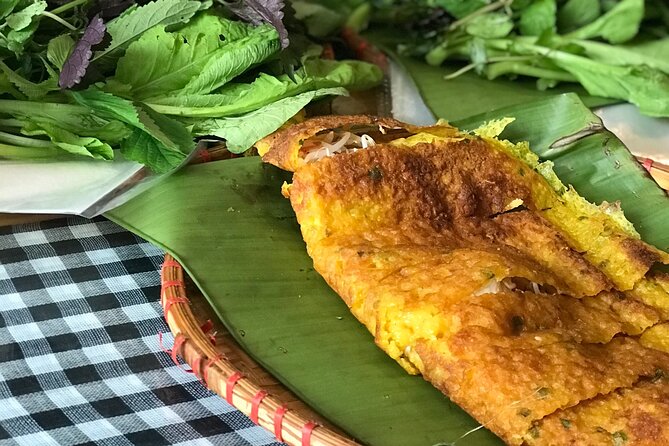
You can join twice a day:
- 11am to 2pm
- 6pm to 9pm
Both time windows work, but I’d choose based on your travel rhythm and comfort level with walking and eating. Midday tends to feel more “steady” for sightseeing and can be easier if you’re building your day around museums or lakeside wandering. The evening slot fits better if you like the street-food atmosphere at night and you want your food portion to be a highlight of your Hanoi evening.
One practical tip: because the tour depends on good weather, pick the time slot that matches your schedule and your best chance of decent conditions.
If you’re trying to take this tour on your first trip to Hanoi, I’d lean toward the time that leaves you enough room afterward to explore on your own. The route helps you understand where you’d actually go next for similar foods.
Price and value: $27 for a guided alley-food education
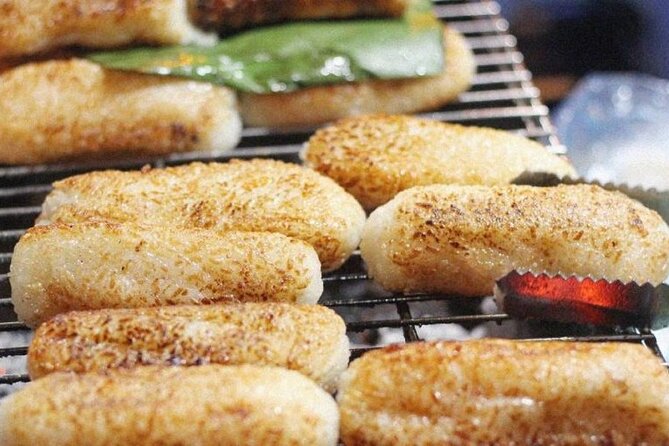
At $27 per person for about 3 hours, this tour is priced like a food experience, not a “tasting class.” The real value is what that money buys you: a knowledgeable local foodie guide plus access to those smaller alley and hidden-house places that are difficult for tourists to find.
You’re not paying for a single meal. You’re paying for a multi-stop route where you try around 8–10 dishes. You also avoid the mental load of figuring out what to order, where to eat, and how much to spend on mistakes. Hanoi street food rewards curiosity, but without local help, it’s easy to get stuck in the obvious spots or miss what locals treat as everyday.
Is it cheap? It’s not “basement budget,” but it’s not high-end either, especially when you compare it to the cost of eating casually across several small places, plus the fact that you’re paying for a local guide’s time and expertise. In plain terms: the guide helps you eat better and find better places than you probably would on your own.
One more reason this is good value: the menu is adjusted based on your preferences. If you care about trying specific things, you’ll get more out of your $27 because the tour is set up to respond.
What to do before you go: small steps that prevent big stress
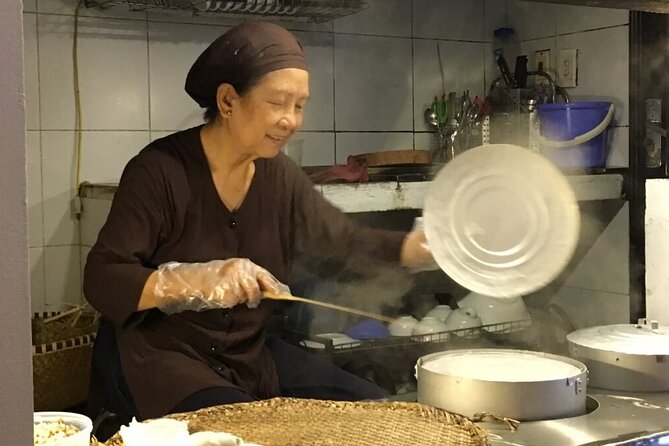
This tour is simple, but you’ll enjoy it more if you prep your preferences clearly.
1) Tell the organizer about vegetarian needs and allergies
The tour asks you to let them know in advance if you’re vegetarian, have allergies, or have specific dishes in mind. If you’re strict vegetarian, don’t wait—reach out early. This is one of those tours where “we’ll figure it out” can turn into disappointment.
2) Think about what you want beyond pho and banh my
Since the whole focus is less-known Hanoi foods, decide what kind of flavors you enjoy: savory, brothy, grilled, snacky, sour, herbal. Even if you don’t know dish names, describing your preferences helps the rotating menu land well.
3) Plan for a walking food route, not a sit-down lunch
You’ll be moving through the Old Quarter and eating in small setups. That’s part of the charm, but it’s still walking and it’s still time at street-level seating. Wear comfortable footwear.
4) Pick good weather when you can
Because poor weather can interrupt the tour, it’s smart to line up the tour with a day that looks stable.
Who should book this Hanoi food tour, and who should skip it
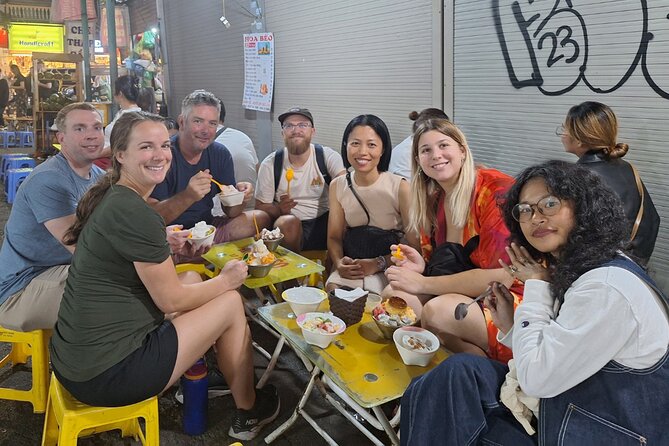
This is a great match for:
- First-time visitors to Hanoi who want to see the food side of the Old Quarter without getting lost
- People who like street food but want a local guide to handle ordering and routing
- Food travelers who enjoy learning context, not just tasting (Hoan’s explanations are a standout)
It may not be the best match if:
- You’re a strict vegetarian and you need fully meat-free meals. The tour explicitly notes restrictions and better options if you can eat fish/shrimp/fish sauce.
- You want a quiet, indoor, fully predictable dining schedule. This is street-level and alley-focused by design.
If you’re on the fence, one more question to ask yourself: do you want to leave Hanoi with a list of places you could return to? This tour is set up to make that easier by showing you how locals eat and where the less obvious spots are.
Should you book Authentic Taste of Hanoi, Food tour with a local foodie?
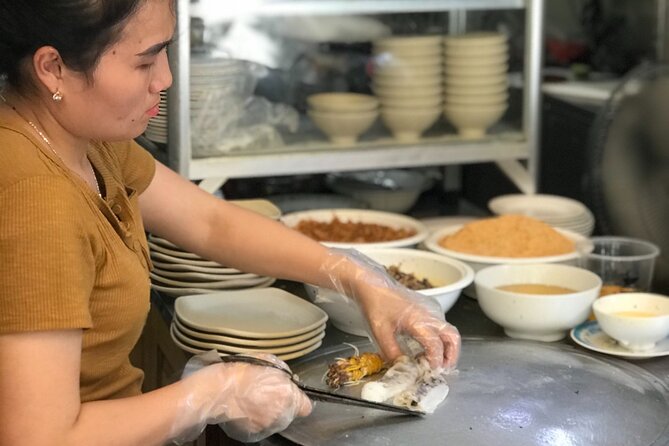
I’d book it if you want a true Hanoi street-food education with real local guidance. The strongest reasons are simple: you’ll try 8–10 dishes, you’ll get route-finding help into places that are hard to locate, and Hoan’s explanations make the whole experience stick.
I’d pause if you have strict dietary limits that exclude meat and animal-based sauces. In that case, messaging ahead is essential, and you should only book if the team confirms you’ll have enough suitable options.
If your dates are flexible, consider booking earlier rather than later, since this kind of tour is typically reserved ahead (about 22 days in advance on average). Choose a time window that matches your weather and your walking comfort, and you’ll come away feeling like you truly understand Hanoi’s food scene, not just sampled it.
FAQ
How long is the Hanoi Old Quarter food tour?
It runs about 3 hours (approximately 3 to 3.5 hours). You’ll walk around the Old Quarter and stop at multiple local places to try food.
How many dishes will I try, and is the menu the same every time?
You’ll try around 8 to 10 authentic dishes, and the menu rotates. It’s chosen based on guests’ preferences to present variety.
Where does the tour start and end?
The tour starts in Hanoi’s Old Quarter area (Hoàn Kiếm, Hanoi, Vietnam). It ends back at the meeting point.
Is this tour suitable for vegetarians?
Meat is used in many Vietnamese dishes, so there are restrictions for strict vegetarians. The tour notes that there are more options if you can eat fish, shrimp, and fish sauce, and it asks you to message in advance if you’re vegetarian.
What times can I join the tour?
You can join twice daily: 11am–2pm and 6pm–9pm.
What’s the cancellation and weather policy?
You can cancel for a full refund up to 24 hours in advance. The experience requires good weather, and if it’s canceled due to poor weather, you’ll be offered a different date or a full refund.
More Tours in Hanoi
- Ninh Binh Full-Day Tour from Hanoi to Hoa Lu, Tam Coc & Mua Cave Via Boat & Bike
★ 5.0 · 4,384 reviews




More Tour Reviews in Hanoi


More Bowls and Backstreets in Hanoi

Latest Hanoi write-ups from our team




Hanoi Street Food Tours, compared.
 ★ 4.9Guided Food Tour with Train Street VisitFrom $196,239 reviews
 ★ 5.0Small Group Hanoi Street Food Tour with a Real FoodieFrom $284,682 reviews
 ★ 5.0Street Food Tour with Train Street & Hidden AlleywaysFrom $202,831 reviews
 ★ 4.9Guided Street Food Tour with Train Street ExperienceFrom $172,479 reviews
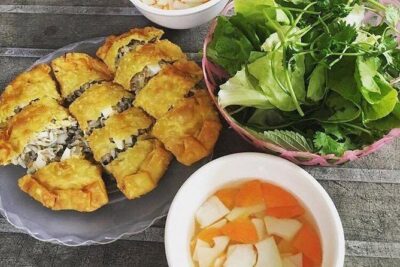 ★ 5.0[HOT] Hanoi Old Quarter Walking Street Food – Small Group TourFrom $142,163 reviews
 ★ 5.0Hanoi Motorbike Tours Led By Women: Hanoi By Night Foodie Motorbike ToursFrom $691,734 reviews
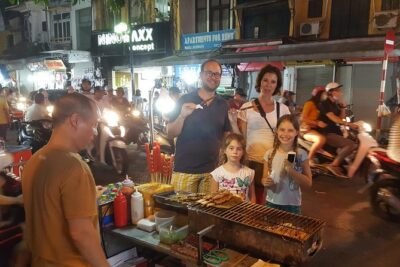 ★ 5.0Hanoi Street Food Tour with local delicaciesFrom $281,506 reviews
 ★ 5.0Hanoi Coffee Workshop: Taste Salt, Coconut and Egg CoffeeFrom $161,286 reviews
Browse the lists this tour appears in