Reviewed · HANOI
21-Day Vietnam Itinerary Explore North to South Highlights
That first day in Hanoi sets the tone fast. This 21-day North-to-South route strings together Vietnam’s biggest icons—from pagodas and mausoleums to Sapa treks, Halong Bay on Lan Ha, and the Mekong’s floating market—without making you plan every move.
I like how all-in inclusive it feels in practice. Your price covers private-room accommodation, domestic flights, entrance fees, and most meals, so you’re not constantly recalculating costs while you’re on the move. The other big win for me is how much is handled for you: timed pick-ups, an air-conditioned vehicle, and a small group size capped at 12 travelers.
One consideration: it’s a fast, packed schedule. You’ll have early starts and several transportation hops (including flights), so if you want lots of unstructured time in each city, this route may feel tightly scheduled.
In This Review
- Key highlights to notice before you go
- What this North-to-South Vietnam tour gets right
- Hanoi essentials: Tran Quoc pagoda, Ho Chi Minh complex, and Old Quarter energy
- Ninh Binh: Hoa Lư ancient capital, Tam Coc boats, and the Mua Cave climb
- Sapa trekking: Black Hmong villages, rice terraces, and cooking with families
- Halong Bay via Lan Ha: sunrise practice, island cruising, and morning tea
- Central Vietnam: Da Nang beach time, Hue citadel, Thien Mu Pagoda, My Son, and Hoi An
- Ba Na Hills and the switch toward beach leisure in Nha Trang
- Ho Chi Minh City and Cu Chi: history in the morning, the tunnels in the afternoon
- Mekong Delta finale: My Tho boat ride, Ben Tre, Cai Rang floating market
- Price and value: what’s included, what you’ll pay out of pocket
- Who this tour suits best (and who should think twice)
- Should you book this 21-day Vietnam North-to-South highlights tour?
- FAQ
- What is the meeting start time?
- How large is the group?
- Is pickup offered?
- Are domestic flights included in the price?
- What kind of accommodation do you get?
- Are entrance fees included?
- Are meals included?
- Can you get vegetarian meals?
- What is not included in the tour price?
Key highlights to notice before you go

- Small group size (up to 12 people) keeps the day tours feeling coordinated instead of chaotic
- Domestic flights are included, which saves real time moving from the north to the central coast and then to the south
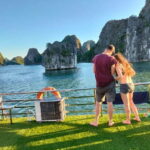
- Lan Ha Bay on the water includes sunrise-style morning time and scenic island cruising
- Sapa village trekking with family-run meals gives you a more personal look at daily life in the hills
- Big UNESCO stops show up repeatedly: Trang An, Imperial City (Hue), My Son Sanctuary
- Hanoi to Ho Chi Minh continuity means you finish with the Mekong Delta and Cai Rang market
What this North-to-South Vietnam tour gets right

This is the kind of Vietnam trip where planning is handled upfront, and you spend your mental energy on the places themselves. The route covers a lot of ground, but it does it in a way that avoids the worst version of “seeing everything”: long detours, surprise ticket hunts, and last-minute logistics.
The value comes from the bundle. At $2,498 per person, the price is only easy to judge if you look at what’s inside. Here, you get private rooms, guided sightseeing with entrance fees covered, air-conditioned transport, plus a mix of meals and three dinners sprinkled into the schedule. That’s a strong setup for a first-time Vietnam visit, when your biggest risk is wasting time figuring out how to get between regions.
The small group cap is also a practical plus. In Vietnam, some sights are tight and crowded. With fewer people, your guide can keep an eye on timing and make sure you’re not constantly waiting.
Not sure yet? See how this one sits next to a few Hanoi favourites.
Hanoi essentials: Tran Quoc pagoda, Ho Chi Minh complex, and Old Quarter energy
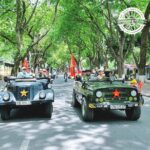
Hanoi is where you begin, and the early days are designed to help you get your bearings quickly. You start with a visit to Chùa Trấn Quốc (Tran Quoc Pagoda), commonly noted for its age and long-standing presence in the city. It’s a calmer way to start than jumping straight into the busiest streets.
Next comes the Ho Chi Minh Mausoleum complex area. You’ll walk through the garden and see the houses where he lived and worked from the mid-1950s through the late 1960s. After that, you also visit One Pillar Pagoda, which is tied to a devotional theme—an easy cultural contrast to the more formal civic setting nearby.
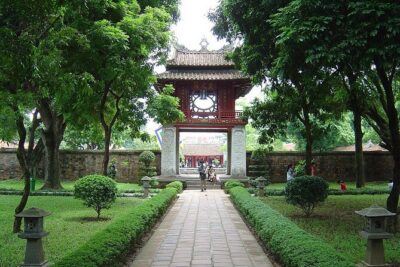
If you like learning, the Vietnam Museum of Ethnology is one of the strongest “background” stops. It covers Vietnam’s ethnic groups in a way that helps later days in Sapa make more sense. Then you shift into literature and education with Temple of Literature & National University, a major old-school academic site dating back to the 11th century.
By mid-afternoon you head to Hoan Kiem Lake and Ngọc Sơn Temple. This is the “walk it off” part of the day: you get atmosphere, lakeside views, and an easy way to connect the formal sites to Hanoi street life.
Practical note: this is not a slow-start city version of Vietnam. It’s structured, so wear shoes you can handle for gardens, temple grounds, and walking segments.
Ninh Binh: Hoa Lư ancient capital, Tam Coc boats, and the Mua Cave climb
From Hanoi, you move to Ninh Binh, a region that’s famous for limestone scenery and river corridors. The first big stop is Hoa Lư (Hoa Lu Ancient Capital). It’s a classic “Vietnam by chapters” moment: you’ll see how the landscape ties into older power centers and how fortifications and valleys shaped movement and control.
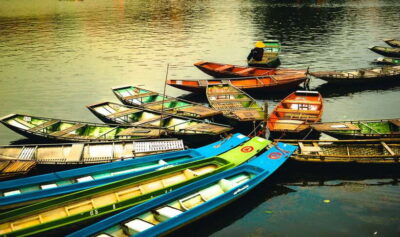
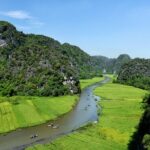
After that, the schedule leans into views. You’ll do Tam Cốc by bamboo boat—about 1.5 hours—moving through paddy fields and river scenery, with cave systems part of the experience. This is one of those day activities that feels scenic even if you’re not a strict photography person. You’re sitting, gliding, and letting the scenery come to you.
Then comes Mua Cave, also called the Dancing Cave in this plan. It’s a hike—almost 500 steps—up Lying Dragon Mountain for a panoramic view of the Tam Coc area. If you’re good with climbs and you want the best look you can get in a limited time, this is worth it.
On the next day, you switch to two more major “big scale” UNESCO-style stops: Bái Đính Pagoda and Tràng An Landscape Complex. Tràng An includes the tunnel cave system experience, and it’s tied to UNESCO recognition. It’s also known as a filming location, which you might appreciate if you recognize the look of the caves and rock formations from movies.
Sapa trekking: Black Hmong villages, rice terraces, and cooking with families

Sapa is where this tour becomes less about famous landmarks and more about how people live. You start early from Hanoi (hotel pick-up from the Old Quarter area is noted), ride to the Lao Cai region, then continue to Sapa.
There’s a village visit to Cát Cát with a local guide, focused on Black H’mong community life near Fansipan Peak. You’ll walk to the village gate area and get that valley setting right away.
The next days are more active. You start with Y Linh Ho and trekking that follows rice terraces and the Muong Hoa Stream. Then you reach Tả Van Village, which is tied to the Dzay ethnic group. Lunch is a family-prepared meal—this matters because it changes the tone from “tour stops” to “daily rhythms.”
You also get a cooking component in Giang Tả Chải Village, where you can join a class to make foods like phở and nem cuốn. That’s one of the best types of cultural activities: you leave with something you can actually repeat at home.
The trekking route is described as about 3 km and lasting around 3.5 hours for one of the village-to-bridge segments. It’s structured, not random. You’ll hike, then you get picked up back to Sapa Town and have a chance to relax and reset.
Reality check: Sapa is scenic, but it’s not a spa day. If you’ve got knee issues, plan for steps and uneven paths. The payoff is that the villages feel personal, and the meals give you a solid sense of local food routines.
Halong Bay via Lan Ha: sunrise practice, island cruising, and morning tea
After Sapa, you head toward Hạ Long Bay area logistics, including a transfer day style of movement. One part of this plan takes the pressure off by including a morning routine on the water in Lan Ha Bay.
You’ll wake early for a Tai Chi session on the sundeck, then watch the sunrise. After that, you eat breakfast and enjoy morning bay views with tea. It’s a simple sequence, but the order matters. Doing the calm part first helps the whole bay day feel more relaxed than if you arrive already tired.
Later, you cruise through the Gia Luân area and other named islands such as Thoi Quyt, Ke Ga, and Finger. The schedule also includes a set of boat-time blocks, and the feel is very “scenery forward.”
One practical point: bay experiences are weather-dependent. If fog or conditions affect sailing, the tour may switch dates or offer a different plan based on what’s possible at the time.
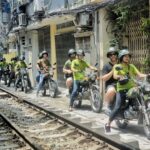
- Hanoi Motorbike Tour: Food, Culture and Fun by Vintage Motorbike★ 5.0 · 6,699 reviews
- Hanoi: Guided Food Tour with Train Street Visit★ 4.9 · 6,239 reviews
- Hanoi Cooking Class: Culture, Local Market & Meaning CSR Impact★ 5.0 · 5,147 reviews
Central Vietnam: Da Nang beach time, Hue citadel, Thien Mu Pagoda, My Son, and Hoi An

Central Vietnam is where you slow down slightly and let the culture shine in bigger chunks.
In Da Nang, you get free time with Mỹ Khê Beach mentioned for morning swims or walks. You also have walking-style time around Han Market. This is a nice break between long travel days and temple-heavy sightseeing.
Then you head to Hue, with an early departure. You visit the Imperial City (UNESCO site), then move to Khai Định’s tomb (the Tomb of Khải Định / Ứng Mausoleum). The architecture and layout here are part of the impact—this isn’t just a stroll-through stop.
In the afternoon you go to Thien Mu Pagoda, perched on the Perfume River. It’s a peaceful counterweight to the citadel sites, and it gives you a different kind of Vietnamese spirituality and river view.
After Hue, you move to My Son Sanctuary. It’s another UNESCO stop, known for ancient temple ruins tied to the Cham civilization. This site is a great match to Hoi An afterward, because it gives you a broader frame for what was happening in central Vietnam before trade ports became dominant.
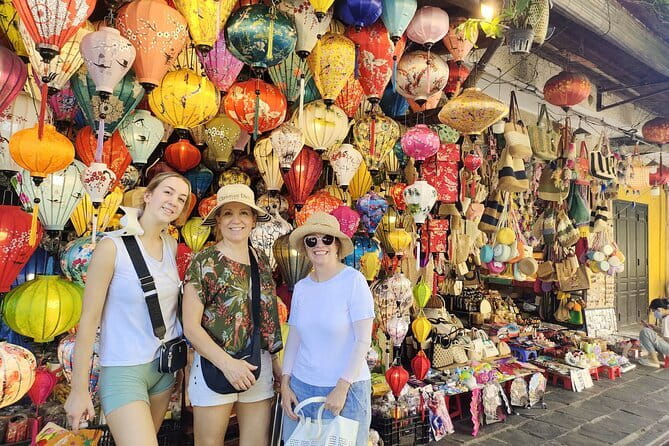
Finally, you spend time in Hội An Ancient Town. You get a walking tour and local market time, plus you also have a full free day to do what you want in the old streets. That free time is key. Hoi An rewards wandering at your own pace: you’ll be able to repeat streets you like, stop for snacks when hunger hits, and shop without feeling rushed.
Ba Na Hills and the switch toward beach leisure in Nha Trang
One of the more “different vibe” days comes at Sun World Ba Na Hills. You’ll take a ride up there and enjoy the cable car segment described as having multiple world record claims. This is the amusement-park-meets-viewpoint side of Vietnam, and it’s paired with Fantasy Park time back in the Hoi An area on another day segment.
It’s not my favorite travel style to overpack amusement attractions, but here’s why it can still work: you’re getting a day that’s less about temples and more about views and entertainment, and you’re balancing that with real cultural time earlier.
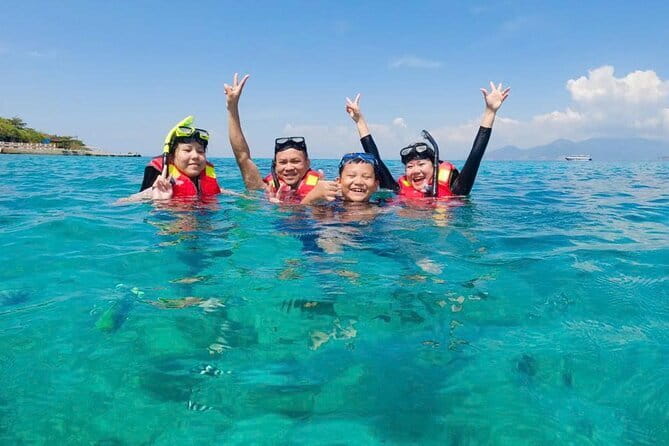
Then you move to Nha Trang with flights from Da Nang mentioned in the plan. You check into your hotel and get leisure time. The schedule is intentionally open-ended, with options like snorkeling or diving, hiking nature trails, and spa-style choices (plus a note about relaxing by a private plunge pool). Even if you don’t pick the water activity, having downtime is a win after so many guided days.
Ho Chi Minh City and Cu Chi: history in the morning, the tunnels in the afternoon

Later in the trip, you fly to Ho Chi Minh City. The city tour starts with Independence Palace (Reunification Palace), then you go to the War Remnants Museum. This part of Vietnam can feel heavy, but it’s also one of the most direct ways to understand the country you’re visiting—especially after you saw layers of Vietnam’s past in the north.
Then you head out to Cu Chi Tunnels. You depart in the afternoon and arrive in time for the tunnel network experience. It’s described as a historic site where Vietnamese soldiers used the tunnels as shelter during wartime. Even without extra narration, the scale of the site tends to make the story feel tangible.
This is also one of those days where comfort matters: bring water, wear shoes you can walk in, and expect you’ll want a quiet evening afterward.
Mekong Delta finale: My Tho boat ride, Ben Tre, Cai Rang floating market
The last act is the Mekong Delta, starting with My Tho. You’ll take a boat journey along the Mekong River and then continue through the delta region. After that day, you head toward Can Tho and spend the next night there.
The final “wow” is Cái Răng Floating Market, with an early morning pick-up around 6:30am. You cruise through small channels around the busiest fruit and vegetable wholesale market time. This is not a casual late breakfast kind of market. It’s early, active, and built around trade and movement.
It’s a strong way to end a North-to-South Vietnam route because the Mekong feels like the opposite of Hanoi’s mausoleum gardens or Sapa’s hill villages. Instead of monuments, you get daily work and boats that are still doing what boats do best: transporting goods, connecting neighborhoods, and keeping schedules.
Price and value: what’s included, what you’ll pay out of pocket
At $2,498 per person, the value mostly depends on whether you want a “move and enjoy” plan rather than a self-built trip.
Included highlights from the plan:
- Domestic flights between regions
- Air-conditioned vehicle for transfers and day tours
- Accommodation: private room
- All entrance fees for included sightseeing
- Tour guide for the structured parts
- Meals: breakfast 19 times, lunch 14 times, dinner 3 times
Not included:
- Tips
- Alcoholic drinks
- Soft drinks
- Personal expense
From a money-sense perspective, the biggest win is the combination of flights + private rooms + entrances. Vietnam entry fees add up, and flights across regions are usually where DIY trips turn messy fast. If you’re the type of traveler who likes knowing that lunch is covered and you won’t have to stand in ticket lines, this bundle looks like a good match.
The main drawback from a practical budget view: because it’s a packed schedule, you may still spend on snacks, water, and extra drinks daily. That’s not a dealbreaker, just reality.
Who this tour suits best (and who should think twice)
This tour is a great fit if you:
- Want a first-time Vietnam trip that covers north, central coast, and south without planning every connection
- Prefer guided days with entrance fees handled
- Like a mix of sightseeing and local experiences (especially Sapa and the cooking component)
- Want some downtime too, like Da Nang beach and Nha Trang leisure
Think twice if you:
- Hate early starts
- Want lots of independent time in every city
- Have mobility limits that make steps and uneven trails tough (Sapa and Mua Cave both include walking segments)
Should you book this 21-day Vietnam North-to-South highlights tour?
If you want a smooth, structured Vietnam highlights sweep from Hanoi to Ho Chi Minh City, I’d put this near the top of your list. The strongest part is the balance: big iconic sites early, a real cultural shift in Sapa, memorable water time in Lan Ha Bay, then UNESCO culture and market life in the center, ending with Cu Chi and the Mekong’s boats.
The one question I’d ask you before booking is simple: do you enjoy being guided on schedule, or do you prefer to roam and slow down on your own? If you’re good with an organized pace, this is a very sensible value for what’s covered.
FAQ
What is the meeting start time?
The tour start time is listed as 7:00 am.
How large is the group?
The tour has a maximum of 12 travelers.
Is pickup offered?
Yes. Pickup is offered for the start and for included transfers, depending on your hotel and day schedule.
Are domestic flights included in the price?
Yes. Domestic flight tickets are included.
What kind of accommodation do you get?
The plan includes accommodation: private room.
Are entrance fees included?
Yes. All entrance fees for included sightseeing destinations are covered.
Are meals included?
Breakfast is included 19 times, lunch is included 14 times, and dinner is included 3 times.
Can you get vegetarian meals?
The tour can provide vegetarian meals.
What is not included in the tour price?
Tips, alcoholic drinks, soft drinks, and personal expenses are not included.