Reviewed · HANOI
20 -Day Highlights of Vietnam, Cambodia & Thailand | Best 2026-27
First time seeing Indochina, and it’s a lot. This 22-day highlights route stitches together Vietnam, Cambodia, and Thailand with solid logistics, so you spend less time figuring things out and more time looking at the real places. I especially like the way it strings together big icons with hands-on moments, from Halong Bay mornings to a Hoi An cooking class.
I also like the value-by-design: domestic flights, guided sightseeing with entry fees, and most meals are included, which keeps surprises down. Add in small-group travel (up to 12 people) and you get that calmer pace where guides can actually help instead of just reciting.
One possible drawback: this is a highlights schedule. You’ll move often—Hanoi to Halong, then down to Hue and Hoi An, across to Ho Chi Minh City and the Mekong, onward to Phnom Penh and Siem Reap, and finally to Phuket—so you’ll want to pack for early starts and keep expectations realistic about downtime.
In This Review
- Key highlights worth your attention
- A 22-day Hanoi-to-Phuket route that makes sense
- Price and value: what $2,680 really buys you
- Hanoi in a compact day-and-a-half: pagodas, Ho Chi Minh, and learning history
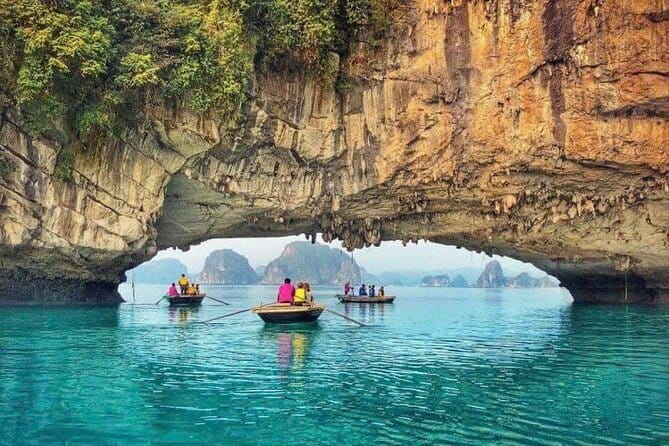
- Halong Bay: sunrise, Tai Chi, and caves with real rock walls
- Ninh Binh: Hoa Lu temples, Tam Coc boats, and cycling calm
- Hue’s UNESCO center and tomb details you shouldn’t rush
- Hai Van Pass to Hoi An: the road trip you’ll remember
- Ho Chi Minh City to the Mekong: floating markets and rural boat time
- Cu Chi Tunnels: guided history with a heavy mood
- Phnom Penh: Royal Palace morning, Tuol Sleng’s reality afterward
- Siem Reap and Angkor Thom: big gates and Bayon Temple faces
- Phuket: your three-day decompression after temples and tunnels
- Support that feels real, not scripted
- Who should book this tour, and who should pass
- Practical tips to make the days feel easier
- Should you book this tour (2026–27)?
- FAQ
- Where does this tour start?
- How long is the tour?
- Are domestic flights included?
- What sightseeing costs are included?
- How many people are in the group?
- What meals are included?
Key highlights worth your attention

- All-in pricing for most costs: accommodations (private room), meals, air-conditioned transport, entry fees, plus domestic flights
- Small group size: maximum 12 travelers, which usually means smoother pacing and better guide attention
- Early-day experiences: Halong Bay sunrise time and a Tai Chi session on the sundeck
- Real-world history stops: Cu Chi Tunnels and Cambodia’s Tuol Sleng (S-21)
- Angkor Thom in one focused day: South Gate, Bayon Temple, and the Royal Enclosure
- Finish with beach downtime: three relaxed Phuket days after temples and tunnels
A 22-day Hanoi-to-Phuket route that makes sense
This tour is built like a relay race across Indochina: you start in Hanoi, move through Vietnam’s north-to-central highlights, then hop into Cambodia, and end with Thailand’s beach reset in Phuket. The big advantage is that your transport and tickets are handled, often using private transfers early on and then switching to flights or buses when it saves time.
The route also avoids the common mistake of only doing “pretty sights.” You still get iconic places, but the day structure includes museums, historic sites, and sites tied to modern history—so the trip feels like more than selfies and souvenir stops.
Do note the rhythm: you’ll have days that run full, then a few calmer ones later (especially in Phuket). If you hate moving hotels, you might feel a bit jarred. If you like momentum and want to see a lot without planning, you’ll likely enjoy the flow.
Not sure yet? See how this one sits next to a few Hanoi favourites.


Price and value: what $2,680 really buys you
At $2,680 per person for about 22 days, the best way to judge value is by what’s bundled. This isn’t just a “sightseeing tour” where you pay entry fees and internal flights separately. Here, domestic flights, all entrance fees for included stops, accommodation in a private room, air-conditioned vehicle, and a tour guide are part of the package. Most meals are included too: breakfast is listed for 21 days, plus lunch (9) and dinner.
That matters because Indochina add-ons can creep up fast once you’re on the ground. When flights and entry tickets are handled, you’re less likely to run into that annoying moment where you’re deciding in real time if something is “worth it” financially.
What you should expect to pay extra is straightforward: tips, alcoholic drinks, soft drinks, and personal expenses. If you keep daily spending simple—water/snacks and a few extras—you can stay comfortably within a predictable budget.
Hanoi in a compact day-and-a-half: pagodas, Ho Chi Minh, and learning history
Hanoi opens with a clean, low-stress start. On arrival, a private driver meets you at the airport with a name sign and escorts you directly to your accommodation in the city center. It’s a small thing, but it cuts the first-day confusion, especially after a long flight.
On your sightseeing day, you get a strong mix that shows different sides of Hanoi:
- Tran Quoc Pagoda: It’s described as the oldest pagoda in Ha Noi, built in the 6th century. Even if you don’t go deep on temple history, it’s a great early orientation stop because it anchors you in the city’s older spiritual timeline.
- Ho Chi Minh Mausoleum complex area plus One Pillar Pagoda: This adds political history and religious architecture in one flow. It’s a lot of meaning packed into a short time, so wear shoes you can tolerate through walking.
- Vietnam Museum of Ethnology: The highlight here is variety—both indoor and outdoor spaces. If you like cultural context (how people live, craft traditions, and regional differences), this museum gives it to you without needing extra side trips.
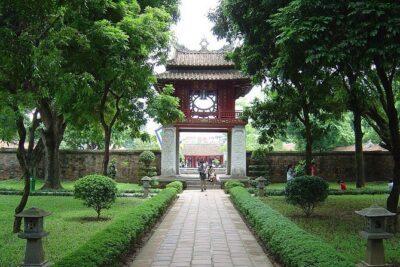
- Temple of Literature: You get Vietnam’s “first university” story, founded in the 11th century. It’s one of those places where the calm pacing helps you absorb the setting.
A good thing to know: your Hanoi day runs with multiple stops. That’s efficient, but it’s also why I recommend bringing a light layer. You’ll want to stay comfortable when you’re moving between courtyards, museums, and shaded garden areas.
Halong Bay: sunrise, Tai Chi, and caves with real rock walls

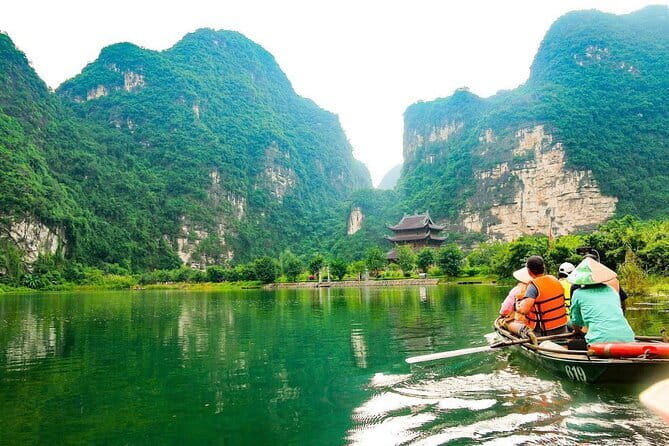
After Hanoi, the tour shifts into water-and-wind mode. You travel toward Halong Bay by a scenic route through the Red River Delta—rice paddies and wide countryside views. It’s not the kind of scenery you just glance at; it sets your expectations for what comes next.
Once you reach the bay, the morning is built around a sunrise viewing. Breakfast is served in the dining room before you head out for the day. Then there’s a Tai Chi class on the sun deck. I like this because it’s not just “look and leave.” You’re physically present in the morning conditions, and it changes how you experience the water and limestone formations.
Later, you visit limestone caves. Cave stops often feel like a checklist, but here it’s paired with the earlier sunrise timing, which makes the day feel like a story: morning calm, then geology up close.
Tip: if you’re prone to feeling cold on boats early in the day, pack for it. Mornings can feel sharper even when the afternoon is warm.
Ninh Binh: Hoa Lu temples, Tam Coc boats, and cycling calm
On the way to Ninh Binh, you start with Hoa Lu temples of the Dinh and Le Dynasties. This is a way to experience Vietnam’s older layers beyond big-city monuments. It’s also a useful contrast after Halong, because the scale feels different—less open sea, more grounded history and rock formations nearby.
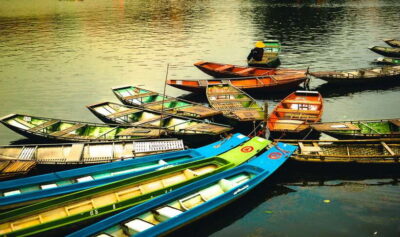
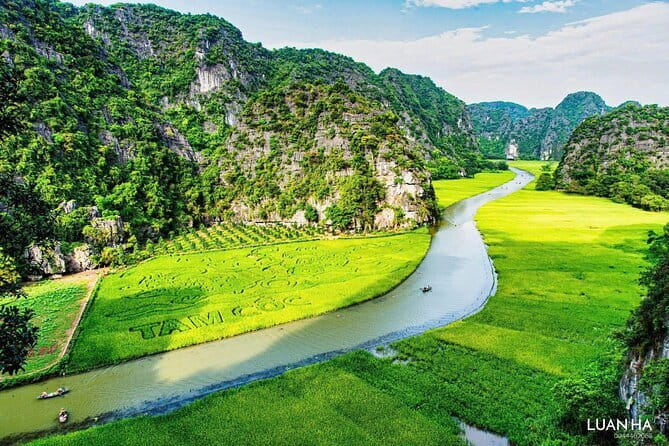
In the afternoon you head to Tam Coc and Bich Dong for a boat trip. The karst scenery here is the point: you drift along limestone formations, and you even row into caves carved through the limestone. It’s a slower pace than a lot of tours, which helps you reset.
Then there’s cycling for about an hour on quiet roads. That’s a smart add-on because it keeps you from just sitting in vehicles all day. You get a more local rhythm and you’ll probably appreciate it more than you expect.
If you’re sensitive about bikes or uneven surfaces, ask your guide what the route is like before you hop on. The time window is short, so you’re not stuck for hours—but you still want it to feel comfortable.
- Hanoi Motorbike Tour: Food, Culture and Fun by Vintage Motorbike★ 5.0 · 6,699 reviews
- Hanoi: Guided Food Tour with Train Street Visit★ 4.9 · 6,239 reviews
- Hanoi Cooking Class: Culture, Local Market & Meaning CSR Impact★ 5.0 · 5,147 reviews
Hue’s UNESCO center and tomb details you shouldn’t rush
Hue is one of those stops where you can easily spend too little time and miss what makes it special. This schedule gives you a clear focus: Imperial City (UNESCO), Khai Dinh’s tomb, and Thien Mu Pagoda.
You start with the Imperial City, described as an iconic UNESCO site. It’s not only impressive; it helps you understand how power and religion were visually expressed in the Nguyễn dynasty era. Plan on walking and looking slowly through gates and courtyards—temple-and-palace layouts reward patience.
Then you visit the Tomb of Khải Định (Ứng Mausoleum). The description points out a blend of Vietnamese arc… (the text cuts off), but the takeaway is that the tomb is distinctive and not just a generic burial site. It’s the kind of place where details matter more than speed.
In the afternoon you add Thien Mu Pagoda, a seven-story pagoda on the banks of the Perfume River. Even if you only have an hour, it’s a strong emotional counterpoint to the Imperial City: fewer political statements, more spiritual atmosphere.
A practical note: the day includes a return to Da Nang in the evening. That means you’re staying active, not lingering. If you love one city for several days, you might feel the time is short—but if you want a curated overview, it works.
Hai Van Pass to Hoi An: the road trip you’ll remember
The transfer from Hue to Hoi An includes one of Vietnam’s most famous road segments: Hai Van Pass. The tour frames it as one of the most beautiful roads in the world, and while you should always treat those claims as marketing language, the fact that it’s a dedicated drive day tells you they’re taking this scenery seriously.
Hoi An starts with old-town ease. You then get a day that’s more than walking:
- A cooking class at Red Bridge Cooking School, including going to the market with the chef, buying ingredients, and learning through cooking demonstration and your own cooking. This is a high-value activity because it turns what you see into something you taste. Even if you’re not a “cook at home” type, it gives you a real memory.
- Bay Mau Coconut Forest, positioned as popular ecotourism in Quang Nam. It’s a nature-and-calm break from town streets.
You also get time to explore Hoi An freely. The tour points you toward Japanese merchant houses, pagodas, temples, and antique warehouses. This is where you can slow down and wander without a tight agenda.
Best habit here: choose one area to focus on. Hoi An is easy to over-walk because it’s photogenic. If you try to cover everything, you’ll feel rushed. Pick what pulls you—temples, old merchant streets, or food—and let the rest wait.
Ho Chi Minh City to the Mekong: floating markets and rural boat time

Vietnam’s south is where the trip shifts into water systems and daily life. After flying to Ho Chi Minh City, you head to Cai Be.
In Cai Be, you get a boat ride tied to the historic floating market area on the Tien River, plus chances to walk through small villages and learn about local life. There’s also a small family business stop for coconut-based sweets and snacks (the description is truncated, but it’s clearly about local food production). That’s the kind of stop that helps you understand how markets connect to households.
Next comes the Lower Mekong River portion. The tour mentions a boat ride through tributaries such as the Bassac River, plus Cai Rang Floating Market. This is a classic Mekong day because it shows trading in action—boats, sellers, and a visual economy built around water.
One thing to consider: floating markets can be busy and crowded. If you prefer quieter photo opportunities, aim for when your guide times you there. Since the tour is organized with guides, you’re less likely to end up in the least convenient moment.
Cu Chi Tunnels: guided history with a heavy mood
From Ho Chi Minh City you go to Cu Chi Tunnels, about 1.5 hours away. The tour includes an English-speaking guide for this stop and describes it as a visit where you learn about the tunnels and their purpose during the war period.
This day is not about entertainment. It’s about context—how people lived and fought in extreme conditions. It can feel emotionally heavy, especially if you’re sensitive to war history.
My practical advice: wear comfortable clothes and bring a bit of water planning. Even when the schedule doesn’t list exact details, tunnel sites tend to involve walking, uneven ground, and time spent looking closely at exhibits and entrances.
Phnom Penh: Royal Palace morning, Tuol Sleng’s reality afterward
Cambodia arrives by bus from Ho Chi Minh City to Phnom Penh. After check-in, you visit the Royal Palace, described as a royal residence where the king and royal families live. This stop gives you an immediate sense of modern Cambodia’s ceremonial center.
Then you return for Tuol Sleng Museum (S-21 prison). The tour explains it as a former school used as a prison by Pol Pot’s security forces, and it references the scale of those held there.
This pairing can hit hard because it moves you from official grandeur to suffering and survival stories in a short span. If you prefer a slower emotional pace, take a minute after Tuol Sleng to step outside and reset before you head back. It’s not about skipping—just about protecting your own focus.
Siem Reap and Angkor Thom: big gates and Bayon Temple faces
After Phnom Penh, you travel by bus to Siem Reap. The afternoon stop includes Wat Thmey or Killing Field, with a note about a glass-walled stupa and the museum-like elements associated with the site. The key point is that it’s a reflective visit tied to Cambodia’s tragic past.
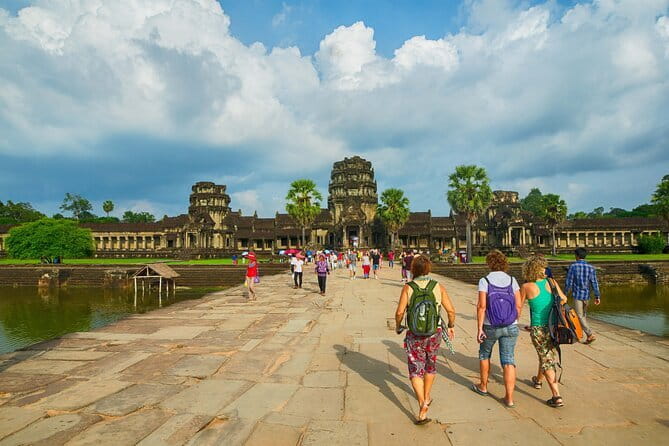
Next day is Angkor Thom. You hit the South Gate of Angkor Thom, Bayon Temple (late 12th to early 13th century, built by King Jayavarman VII), and the Royal Enclosure. This is a concentrated Angkor day, and that’s a plus if you only want the highlights without spending extra days at the temples.
Practical tip: temple days can turn into long sun hours. Even if you don’t know the exact timing, you’ll be outside. Bring sunscreen and a hat if you can. Comfortable shoes matter here more than in cities, because stone and distances can add up.
Phuket: your three-day decompression after temples and tunnels
Once you fly from Siem Reap to Phuket, the trip pivots hard toward downtime. The schedule gives you a leisure day and then two more relaxed days where you can spend time in the emerald water (yes, that wording is common, but the point is you’re given beach time rather than another full itinerary).
On the final day, you check out after breakfast, visit local markets for souvenirs, and then head to departure. This is a nice way to end because it gives you a low-stress chance to pick up gifts without feeling like it’s squeezed into a packed sightseeing window.
If you’re the type who likes to travel hard for 10–15 days and then crash, Phuket is built for that. It’s not the only beach you’ll ever see, but it’s a logical payoff for what came before.
Support that feels real, not scripted
This tour is staffed by a mix of guides, drivers, tour operators, and customer service personnel, with 24/7 exceptional service and support stated in the tour overview. That matters more than people think, because small changes happen on the ground—traffic, timing, energy levels, weather.
Past customer feedback specifically praises support people by name, including Tran, Hang, and Son, with mentions of responsiveness and last-minute changes handled well. I like that because it suggests the team doesn’t just show up and disappear after the first day.
Also, the tour group max of 12 travelers helps the guide actually work with you. When you’re not in a huge bus line, it’s easier to ask questions and get practical help.
Who should book this tour, and who should pass
This is a good match if you want:
- Iconic stops with guidance so you don’t burn time figuring out tickets and routes
- A multi-country highlights plan from Hanoi to Cambodia to Phuket without building it yourself
- A schedule that includes both big-name sites and serious history stops
You might want to think twice if:
- You hate hotel changes and prefer one base for several nights
- You want long, slow museum time with zero rushing (this is not that kind of trip)
- You’re sensitive to walking days in temples and tunnel sites, since the schedule packs multiple visits in a day
Practical tips to make the days feel easier
Since the itinerary includes early sunrise time and long sightseeing blocks, a few habits will help a lot:
- Pack light layers for early morning boat time and temple walks. Even in warm months, mornings can feel cooler.
- Comfort-first footwear wins. Temple stone and tunnel ground are not “sneakers only, no problem” in every case.
- Hydrate smart. The tour includes many full days with outdoor time, so plan on water and simple snacks.
- Use your free time well in Hoi An. Pick one area and move slowly. It will make the rest of the schedule feel less frantic.
And if you’re coming in as a first-time visitor to Asia, this route can be a strong entry point because the big logistics are handled for you.
Should you book this tour (2026–27)?
I’d recommend booking if you want a guided, organized Indochina highlights trip that reduces planning stress and bundles key costs like flights, entry fees, and most meals. The trip also earns goodwill for real-world support—especially the way staff like Tran, Hang, and Son are credited with responsiveness and practical help.
I’d hesitate if you know you get tired quickly from moving hotels and long sightseeing days. This is a “see a lot” plan, not a slow-and-deep study tour.
If you’re on the fence, the best decision trick is simple: ask yourself whether you want to plan internal flights and museum tickets across three countries. If the answer is no, this tour is designed for that exact kind of traveler.
FAQ
Where does this tour start?
It starts in Hanoi, Vietnam.
How long is the tour?
The duration is listed as about 22 days (with a 20–day highlights format).
Are domestic flights included?
Yes. Domestic flight tickets are included.
What sightseeing costs are included?
The tour includes all entrance fees for the included sightseeing destinations.
How many people are in the group?
The group maximum is 12 travelers.
What meals are included?
The package includes breakfast for 21 days, lunch for 9 days, and dinner.