

Reviewed · EVENING EXPERIENCES
2-Night 1-Day Explore Ban Gioc Waterfall – Nguom Ngao Cave
Ban Gioc Waterfall hits you in the face. One day you’re in a limestone cave, the next you’re watching water spill across the Vietnam–China border in thick mist. I like this trip for two clear reasons: you get Ban Gioc and Nguom Ngao Cave in the same 24-hour rhythm, and you also get real local living time at a homestay with included meals. The only real drawback is pacing: it’s a long road day, so if you want zero motion and slow travel, this one may feel like a sprint.
The route is built for first-time Cao Bang visitors who want the big sights without piecing everything together. You’ll ride with a local guide, visit several distinct areas, and finish the day with options like kayaking on the Quay Son River or cycling around the village. If you’re sensitive to bus travel, build in extra buffer for tired legs after the overnight sleeper.
For most people, it’s great value. You’re paying for transport both ways, local guidance, motorbike support, tickets, and food—not just entry to a single attraction. Just pack smart (sun hat matters), and keep your expectations realistic: you’re seeing a lot, not lingering for hours at every stop.
In This Review
- Key highlights worth planning around
- From Hanoi to Cao Bang fast: how the timing actually works
- Ngoc Con Valley first: nature that sets the tone
- Lunch with Nung flavors, then straight to the limestone show
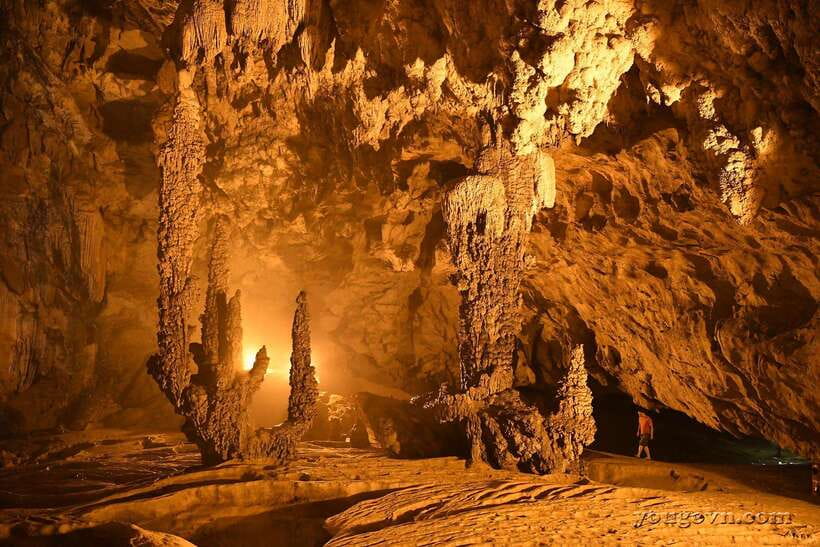
- Nguom Ngao Cave: stalactites, stalagmites, and a slow moment
- Ban Gioc Waterfall: the Vietnam–China border moment
- Khuoi Ky village and traditional stone houses: culture that isn’t staged
- Truc Lam pagoda: a calm reset before evening options
- Evening around Quay Son River: kayaking, cycling, and the border point
- Homestay meals and local hospitality at Lan’s
- Motorbikes, tickets, and what your $148 actually buys
- Comfort and small rules that keep the day smooth
- Who this tour suits best (and who should skip it)
- Should you book Ban Gioc Waterfall and Nguom Ngao Cave for $148?
- FAQ
- What time do you get picked up in Hanoi?
- What time do you return to Hanoi?
- Which meals are included?
- Do you visit Ngoc Con Valley, Nguom Ngao Cave, and Ban Gioc Waterfall in the same trip?
- Are kayaking and cycling included?
- Is an easy rider included?
- What should I bring?
- Are there any rules about alcohol?
Key highlights worth planning around
- Ban Gioc Waterfall on the border: The waterfall view is the main event, with a misty, dramatic feel.
- Nguom Ngao Cave timing: You’ll hit the cave with a full schedule, so bring a flexible mindset for photo stops.
- Ngoc Con Valley + biodiversity area: This valley stop gives you a calmer, nature-first start to the day.
- Quay Son River kayaking option: The water is described as green and chill—plus swimming may be possible in summer.
- Khuoi Ky village and traditional stone houses: You’ll get culture and architecture, not only scenery.
- Truc Lam pagoda for a quieter pause: It helps break up the day before heading back to Hanoi.
From Hanoi to Cao Bang fast: how the timing actually works
This is a two-night, one-active-day style trip. You leave Hanoi at about 7:30 pm and ride in a sleeping bus that the schedule describes as comfortable, then wake up in Cao Bang territory the next morning around 8:00 am.
From there, the day is a chain of stops: valley, cave, waterfall, a village/cultural moment, and then a pagoda. By 5:30 pm, you’re back on the sleeper bus heading to Hanoi, with pickup/drop-off focused on the Old Quarter area.
What I like about this timing is that you don’t lose daylight to travel. You’re getting the waterfall and cave during your active hours instead of spending half a day in transit. What to watch: your legs will feel it. The day is packed, and the cave + waterfall are the kinds of places where you’ll naturally stop, walk, and take photos.
Worth a glance beside this Hanoi pick:


Ngoc Con Valley first: nature that sets the tone
You start the active day with Ngoc Con Valley (a secluded Cao Bang valley known for natural beauty and biodiversity). It’s a smart opening stop because it gives you a greener, softer introduction before the harder visuals of a cave and the waterfall.
You arrive for this portion around 8:30 am and then continue toward lunch at about 11:30 am. That lunch timing matters because it keeps you from turning the whole day into a snack scramble. You’ll have local dishes prepared for you, and afterward you can focus on the cave and waterfall without worrying about food.
If you’re a photographer, this is a good place to reset your camera settings. The valley moments tend to be brighter and more open than the cave interior. If it’s humid that day, keep your gear covered when you’re not actively shooting.
Lunch with Nung flavors, then straight to the limestone show
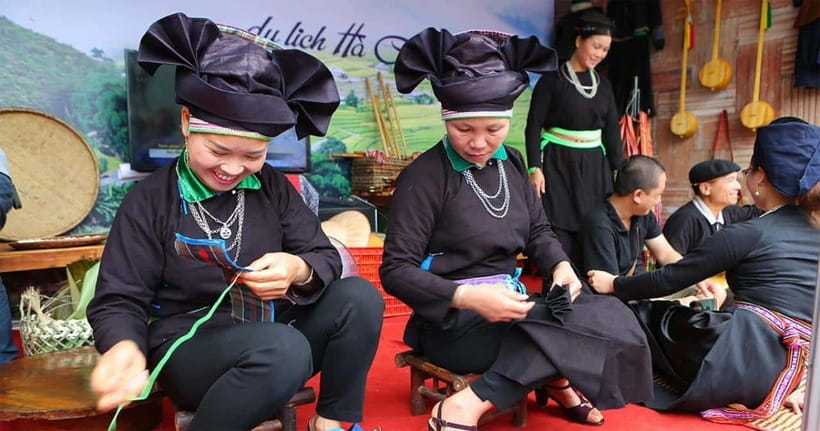
Lunch is included, and it’s described as local special dishes. The trip also highlights Nung people food and culture, which is a big reason I think this option is more satisfying than a straight sightseeing circuit.
After lunch, you head toward Nguom Ngao Cave. This shift is one reason the pacing works: you’re fed, then you move to a place where time under the rocks is the main experience. If you’re the type who gets cranky hungry mid-tour, you’ll appreciate that the schedule doesn’t leave you hanging.
The practical tip here is simple: eat what you can, hydrate, and keep your layers ready. Even when the outside is warm, caves can feel cooler.
Nguom Ngao Cave: stalactites, stalagmites, and a slow moment
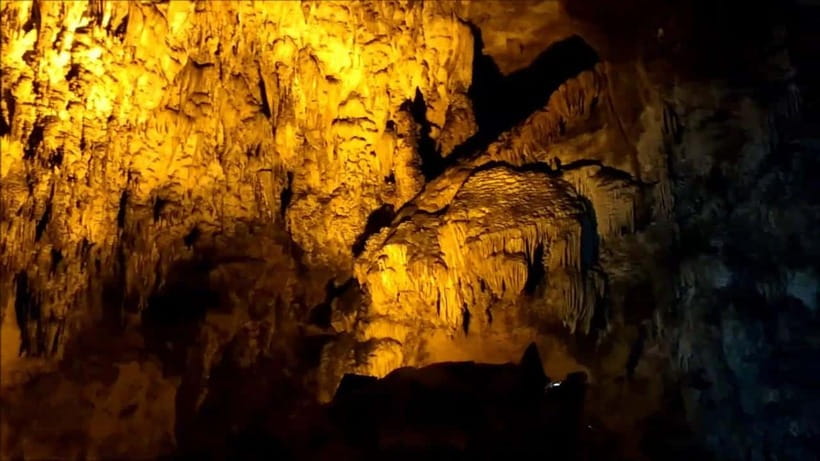
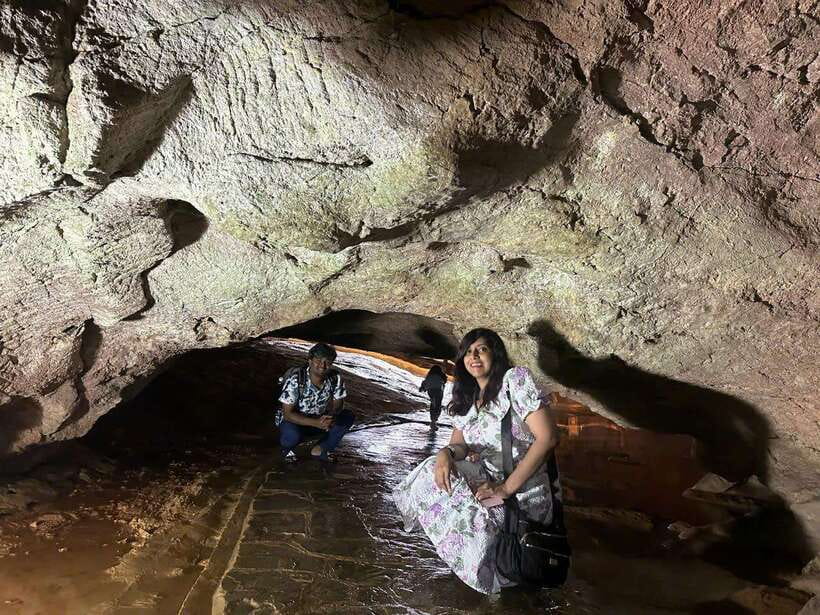
Nguom Ngao Cave is the cave highlight, with a cave system shaped over millions of years. The description focuses on stunning stalactites and stalagmites, and that’s exactly the kind of feature that rewards steady walking and good lighting.
Caves tend to be where tours either feel rushed or feel respectful. In this itinerary, you’re given a full portion of the schedule for it, so you’re not just doing a 5-minute stop-and-run. Still, because the day is packed overall, plan to move at a steady pace. If you stop too long at every photo angle, the rest of the day may feel tighter.
What I’d bring: a small towel if you sweat easily, and a way to protect your phone/camera from mist or splashes—caves can be damp. Also, comfy shoes matter more here than anywhere else.
Ban Gioc Waterfall: the Vietnam–China border moment
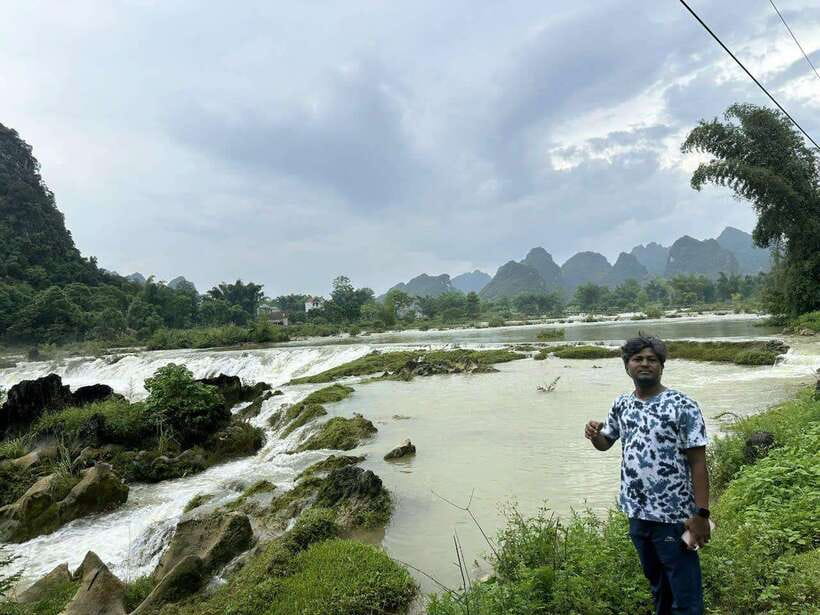
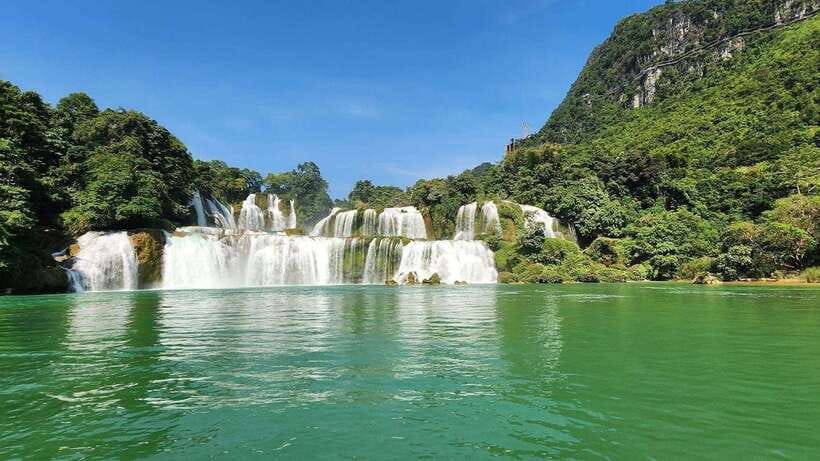
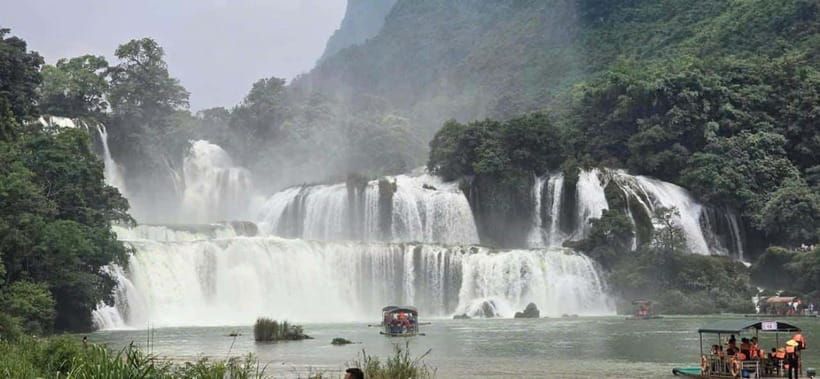
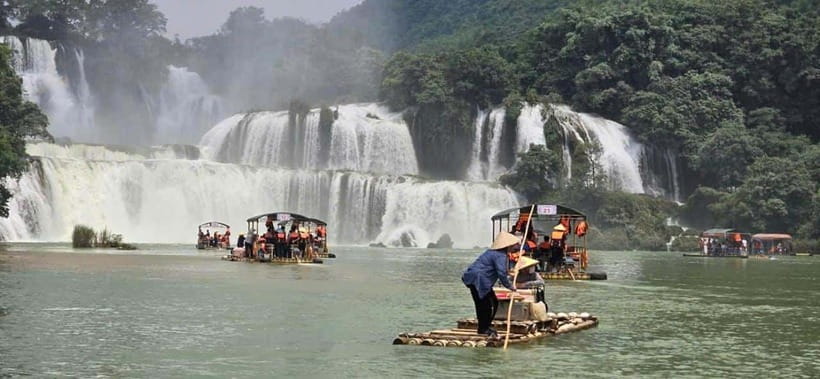
Then comes Ban Gioc Waterfall—the big showpiece. The schedule frames it as cascading down the border between Vietnam and China, and that’s the key to the emotional impact. You’re not just seeing water falling; you’re standing in a border landscape that feels historical and immediate.
This is the moment most people save for. It’s also where weather matters most. Mist is part of the experience here, and it can be magical for photos. But if you want crisp, high-contrast shots, you’ll have to be flexible and use whatever light the conditions give you.
I like that the itinerary doesn’t isolate Ban Gioc as the only stop. You’ll have already seen the valley and cave, so the waterfall hits as a reward rather than the entire day.
One more reality check: this is a waterfall region, so expect your clothes to feel damp and your time outside to be more physically active than a museum. Bring a sun hat for the transitions, and keep an extra pair of socks if you’re the type to plan ahead.
Worth a glance beside this Hanoi pick:
- Hanoi/Ninh Binh: 1-Day Tam Coc/Trang An, Hoa Lu & Mua Caves★ 4.6 · 3,706 reviews
- Ninh Binh Day Trip: Hoa Lu-Trang An/Tam Coc-Mua Cave-Cycling-Boat★ 5.0 · 1,886 reviews
- Ninh Binh Day Trip: Bai Dinh-Trang An-Mua Cave, Buffet, Boat, Bus★ 5.0 · 1,183 reviews
Khuoi Ky village and traditional stone houses: culture that isn’t staged
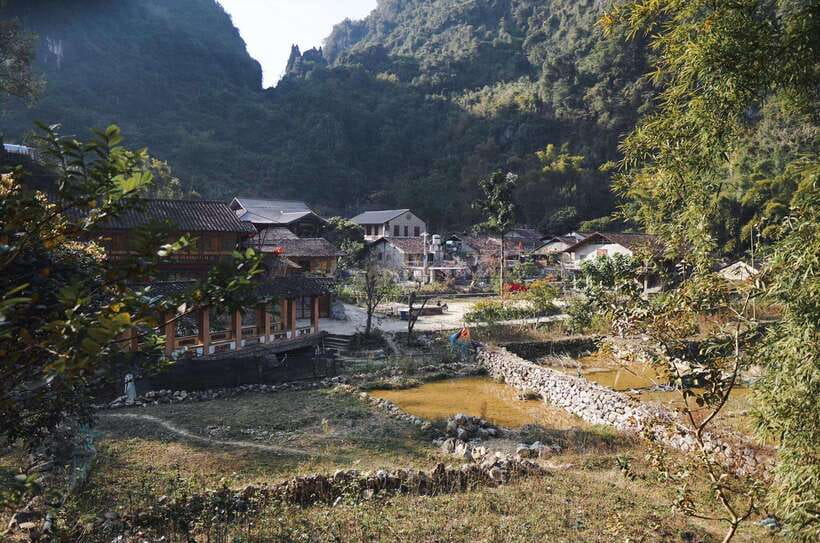
After the waterfall, you move to Khuoi Ky village and then toward Truc Lam pagoda. The experience highlights traditional stone houses, which is a useful detail because it signals you won’t only be “looking at nature.”
This is the part of the day I’d treat like a slow-down. Rural village stops can sometimes turn into quick photo breaks. Here, the inclusion of traditional stone houses and a cultural arc suggests you’ll have time to actually observe how people live in this area.
Also, since the trip includes a homestay element earlier in the day, the cultural stops don’t feel completely detached. You’re moving through a place where food, architecture, and daily life all connect.
If you’re hoping for deep conversation time, you’ll get more by asking simple questions to your guide: what to watch, how local life works, and what the different house styles reflect. The local guide is part of the value, not an afterthought.
Truc Lam pagoda: a calm reset before evening options
Truc Lam pagoda is described as a Buddhist temple offering a serene, spiritual retreat. That function is practical: it’s a tonal reset after the physical outdoor sections. Your body gets a breather, and your mind shifts gears.
This is also where you can step back from nonstop photo taking and just observe. If you’re visiting during warm hours, shade and stillness are genuinely helpful. Even if you’re not religious, a temple visit can give you a local frame for what matters in the region.
Don’t treat it as a quick stop. If you’re respectful and slow down a bit, you’ll enjoy it more and you’ll come away with better photos too—because your focus will be calmer.
Evening around Quay Son River: kayaking, cycling, and the border point
Once you’re back at Lan’s Homestay, you get options before taking the sleeper bus at 5:30 pm. The choices listed are:
- Kayaking around Quay Son River, with green water that’s described as chill and peaceful. In summer, swimming may be possible.
- Cycling around the village and visiting some ancient houses.
- Going to see the border point between Vietnam and China.
I like that this isn’t forced. Some tours shove extra activities into your schedule and then call it fun. Here, you can choose what matches your energy level. If you feel tired from caves and waterfall walks, cycling can be a lighter way to move. If you want a calmer water experience, kayaking fits.
Practical note: kayaking can mean you’ll get wet, so plan clothing accordingly. Wear something you’re comfortable getting damp, and keep your essentials protected.
Homestay meals and local hospitality at Lan’s
A major value point is the homestay setup at Lan’s Homestay, described as point No.39 on the Cao Bang Geographic Park map. You start the morning there with a welcome drink and breakfast, and you return there in the evening with meals included (breakfast, lunch, and snack are listed as included).
This is one reason I think the trip feels more grounded than a pure day tour. You’re not only moving from site to site; you’re also eating with locals’ rhythms and getting a base that ties the stops together.
What to expect at this stage is simple: you’ll likely be tired, and you’ll be glad food is handled. That snack inclusion is useful too, because it helps you stay comfortable until the bus ride back.
The tour also notes a single room supplement, which matters if you’re traveling solo and want your own space. If you’re okay sharing, you may save money; if not, budget for it.
Motorbikes, tickets, and what your $148 actually buys
The price is listed as $148 per person. For many Vietnam tours, that number can be misleading—sometimes it’s really just transport. Here, the inclusions are substantial: round-trip sleeping bus, minivan pickup and drop-off in Hanoi, a local tour guide, motorbike and gasoline, and all sightseeing tickets. Meals are included too: breakfast, lunch, and snack.
That combination is why this feels like good value. You’re paying for a managed circuit, not coordinating every entry and transfer yourself. It’s especially helpful in Cao Bang, where spacing between stops can make DIY planning stressful.
What’s not included is also clearly stated:
- Easy rider: 400,000 VND per person per day
- Any holiday surcharge (Lunar New Year, Christmas, New Year, etc.)
So if you’re imagining a fully private driver arrangement with an easy rider experience, factor that extra cost in. If you’re fine with the provided motorbike support as scheduled, you may not need to add the easy rider option.
Comfort and small rules that keep the day smooth
A few practical notes from the trip details help you pack and behave like a pro.
Bring a sun hat (and the info repeats hat as a must). The schedule spends hours outdoors at multiple points, and waterfalls plus open areas mean strong sun and harsh glare when skies clear.
Alcohol and drugs are not allowed. That’s not unique, but it matters on a long day with overnight transport.
The schedule is also described as subject to change, but it still promises enough time for key points. Translation: expect minor shifting, not a complete rewrite.
Finally, the tour isn’t suitable for people over 95 years. If you’re within that range or have mobility concerns, it’s worth asking for specifics about walking and transfers.
Who this tour suits best (and who should skip it)
This tour is a great fit if you:
- Want a classic Cao Bang highlight combo: Ngoc Con Valley, Nguom Ngao Cave, and Ban Gioc Waterfall
- Like the idea of a homestay base with included meals
- Enjoy photo stops but still want a guide to manage timing and tickets
- Are curious about village culture and not only scenery
It’s less ideal if you:
- Hate overnight bus travel or want minimal time on the road
- Prefer slow, flexible wandering with long breaks
- Need very low walking or fully accessible routes (the trip’s suitability is not listed for limited mobility)
Should you book Ban Gioc Waterfall and Nguom Ngao Cave for $148?
If you want the most important Cao Bang sights without logistics headaches, I think this is a smart booking. The value comes from the mix of big natural highlights and cultural stops, plus the fact that you’re not paying separately for tickets and meals. At $148, you’re really buying an entire day’s routing plus the overnight transportation that makes the schedule possible.
Book it if you can handle a packed day and don’t mind that the schedule moves from valley to cave to waterfall to pagoda. If you’re the type who needs lots of breathing room, consider a more relaxed itinerary in the region instead.
One last check before you decide: if weather is rough, mist around the waterfall can increase. You’ll still enjoy Ban Gioc, but your photos may look softer. That’s not a deal breaker—it’s part of why this waterfall feels alive.
FAQ
What time do you get picked up in Hanoi?
You’re picked up from your accommodation in Hanoi at around 7:30 pm, then you travel by sleeping bus to Cao Bang.
What time do you return to Hanoi?
The day in Cao Bang ends with a return by sleeper bus at about 5:30 pm, and you arrive around 5:00 am at My Dinh station, then transfer back to the Old Quarter area.
Which meals are included?
Breakfast, lunch, and a snack are included, along with a welcome drink when you arrive at Lan’s Homestay.
Do you visit Ngoc Con Valley, Nguom Ngao Cave, and Ban Gioc Waterfall in the same trip?
Yes. The schedule includes Ngoc Con Valley, Nguom Ngao Cave, and Ban Gioc Waterfall as major stops during the day.
Are kayaking and cycling included?
Kayaking on Quay Son River and cycling around the village are listed as evening options you can do by yourself after you return to Lan’s Homestay. Motorbike support and gasoline are included as part of the tour plan.
Is an easy rider included?
Easy rider is not included. The listed cost is 400,000 VND per person per day.
What should I bring?
Bring a sun hat/hat. Comfort-focused clothing and shoes are important for outdoor walking and cave conditions.
Are there any rules about alcohol?
Alcohol and drugs are not allowed during the tour.
If you want, tell me your travel month and whether you prefer more hiking or more photo time, and I’ll suggest how to pace your evening kayaking/cycling options.
More 1-Day Tours in Hanoi


More Evening Experiences in Hanoi

More Tour Reviews in Hanoi



Latest Hanoi write-ups from our team


Evening Experiences, compared.
 ★ 5.0Sapa 2 Days 1 Night From Hanoi – Overnight in Ta Van VillageFrom $592,669 reviews
 ★ 5.0Hanoi Motorbike Tours Led By Women: Hanoi By Night Foodie Motorbike ToursFrom $691,734 reviews
 ★ 4.6From Hanoi: Ha Long – Bai Tu Long Bay 2-Day 1-Night Cruise1,113 reviews
 ★ 5.0Halong Bay Cruise 2 days 1 night from Hanoi included transferFrom $1681,061 reviews
 ★ 5.0Best Lan Ha Bay Cat Ba Cruise 2 Days 1 Night Less touristyFrom $871,055 reviews
 ★ 5.0Hanoi – Sapa 2 Days 1 Night Overnight At HomestayFrom $89899 reviews
 ★ 5.0Orchid Trendy Cruises 2Days/1 Night 5 Star CruisesFrom $360853 reviews
 ★ 5.0Tasting 8 Different Street Foods + Local Drink at Evening Time by WalkingFrom $28830 reviews
Browse the lists this tour appears in