

Reviewed · TOURS
12 Days Vietnam Tour Package
Sky, sea, and history in one Vietnam loop. In 12 days, you’ll string together Hanoi, Halong Bay, Ninh Binh, Hue, Hoi An, Ba Na Hills, and Ho Chi Minh City with guided stops and included entrances, which means less time planning and more time actually looking at things.
Two things I like a lot: the way Hanoi is handled with walkable, meaningful stops like Hoan Kiem Lake plus the Old Quarter water puppet show and a cyclo ride, and the mix of travel styles—especially a Halong Bay cruise with a sunrise Tai Chi option. I’ve also heard names like Ms. Loan Do (planning support) and Miss Giang Dam (on-the-ground organizing) come up for responsive service and smooth problem-solving.
The only real drawback is that the days are packed. If you’re the type who wants slow mornings and long free evenings, you’ll likely feel the schedule most days, not just on travel days.
In This Review
- Quick hits you should know before you go
- Price and value for a 12-day North-to-South route
- Arrival day in Hanoi: pickup, rest, and an easy start
- Hanoi in walkable chunks: Opera House to Hoan Kiem and the Old Quarter
- Ninh Binh: Hoa Lu temples, a Trang An boat ride, and Bich Dong Pagoda
- Halong Bay by cruise: sunrise Tai Chi and time on the water
- Flying to Hue: Imperial City first, then Thien Mu views and Khai Dinh
- Hai Van Pass to Hoi An: road views, Marble Mountains, and a slower town pace
- Hoi An on water and on foot: Cam Thanh bamboo boats to the Japanese Covered Bridge
- Ba Na Hills and Golden Bridge: cable car views plus Linh Ung Pagoda stops
- Ho Chi Minh City essentials: Cu Chi Tunnels and the Reunification Palace
- Mekong Delta day trip from Ben Tre: boats, coconut workshops, and candy-making
- What’s included (and what that means for your daily budget)
- How the service style shows up in real life
- Who should book this 12-day package (and who should adjust)
- Should you book this 12-day Vietnam package?
- FAQ
- What cities are covered on this 12-day Vietnam tour?
- What is included in the package price?
- What is not included?
- Do I need domestic flights between cities?
- Where does pickup happen in Hanoi?
- Where does the tour end in Ho Chi Minh City?
- Is the tour private or shared?
- Is there a water puppet show and cyclo ride in Hanoi?
- Does the tour depend on weather?
- Can I cancel and get a full refund?
Quick hits you should know before you go
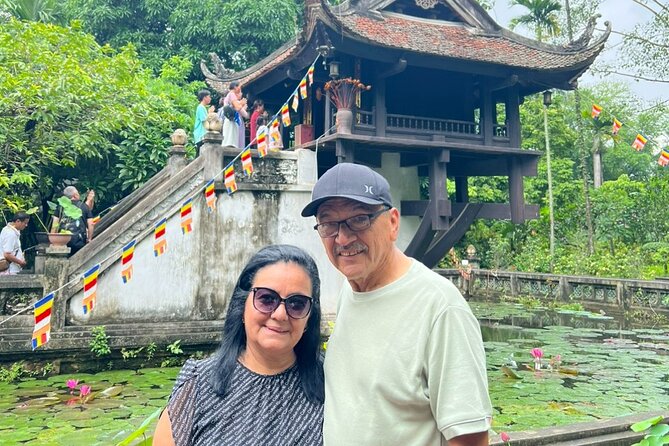
- Hanoi is done right in blocks: Lake Hoan Kiem, Ngoc Son Temple, Temple of Literature, plus Museum of Ethnology and the Ho Chi Minh Mausoleum complex.
- UNESCO-style nature, not just photos: Hoa Lu temples and a 2-hour Trang An boat ride, followed by Bich Dong Pagoda.
- Halong Bay with a morning reset: Tai Chi on the cruise sundeck, tea and coffee included, plus time on the water.
- Hue balances monuments and views: Imperial City first, then Thien Mu Pagoda and Khai Dinh Tomb.
- Hoi An includes both town and waterways: Japanese Covered Bridge, assembly halls, and a bamboo-boat outing around Cam Thanh.
- South Vietnam history with major anchors: Cu Chi Tunnels and Reunification Palace, then a Mekong day trip from Ben Tre.
Price and value for a 12-day North-to-South route
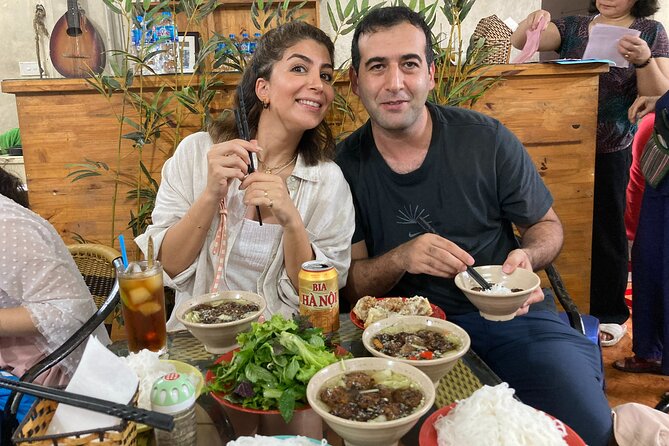
At $2,653 per person, this isn’t a budget bargain. But it can be good value if you’d normally pay separately for guides, entrance fees, most meals, and key transport between regions. The package includes air-conditioned vehicle transfers, entrance fees/permits, mineral water (2 bottles/day), and meals like breakfasts (11) plus lunch (2) and dinner (1 listed).
What’s not included is just as important: you handle international and domestic flights, plus your Vietnam visa, travel insurance, tips, and any meals not specified. That means your true cost depends on where you’re flying from and what domestic flight times you choose to connect the cities.
One thing that makes the price easier to swallow is that the days cover “big ticket” anchors—Halong Bay by cruise, Hue’s Citadel, Hoi An’s heritage sights, Cu Chi Tunnels, and a Mekong Delta boat day—without making you piece everything together yourself. If you’re the planner type, this still saves time. If you’re not, it removes a lot of friction.
Not sure yet? See how this one sits next to a few Hanoi favourites.



Arrival day in Hanoi: pickup, rest, and an easy start
Your tour begins in Hanoi with pickup after you land at Noi Bai Airport, then a transfer to your hotel so you can check in and reset. The plan leaves the rest of Day 1 open, which is smart here—jet lag is real, and you’ll want energy for the sightseeing that starts the next morning.
If you want to make that first evening count, I’d do something simple: get oriented around Hoan Kiem Lake, grab a drink, and keep your steps light. Hanoi can feel busy fast, so arriving with a calm start helps.
Hanoi in walkable chunks: Opera House to Hoan Kiem and the Old Quarter
Day 2 is classic Hanoi, handled in a way that keeps moving without rushing the meaning out of the stops. You start with an external visit to the Hanoi Opera House, then head to Hoan Kiem Walking Street around Hoan Kiem Lake and Ngoc Son Temple.
From there, you’ll get two major “context” stops:
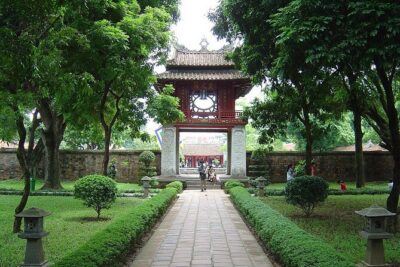
- Temple of Literature & National University (with admission included), plus the chance to enjoy egg yolk coffee nearby. This site works well early because it’s more than a quick photo stop—it’s a real window into Vietnam’s old educational tradition.
- Vietnam Museum of Ethnology (included), which focuses on items connected to Vietnam’s 54 ethnic groups. If you like culture that goes beyond monuments, this museum is a standout.
In the afternoon, the pacing shifts to national landmarks: Ho Chi Minh Mausoleum, plus the complex with One Pillar Pagoda. The day ends with religious heritage at Tran Quoc Pagoda, followed by water puppet show and a cyclo (xich lo) ride through the Old Quarter area.
A practical note: the day blends religion, museums, and walking, so comfortable shoes matter. Also, plan for a dress code mindset for temple-type visits; it’s Vietnam, and you’ll be happier if your clothes allow easy respect.
Ninh Binh: Hoa Lu temples, a Trang An boat ride, and Bich Dong Pagoda
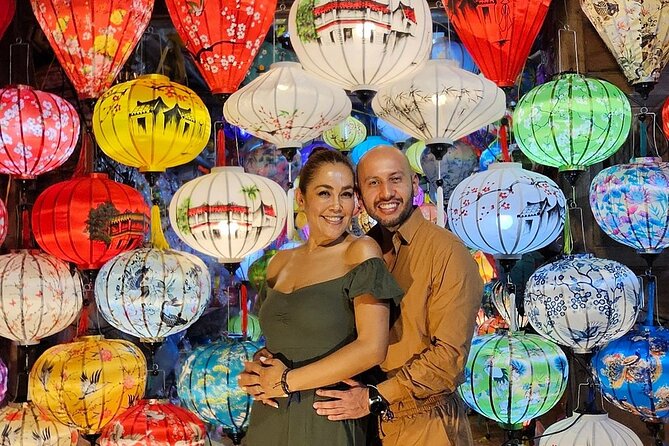
Day 3 shifts you from city pace to scenic northern Vietnam. You head to Hoa Lu, the former capital region of Dai Co Viet, where you’ll visit temples built on the old royal palace site. It’s the kind of stop that feels better when you can slow your brain down and watch the surroundings for a minute.
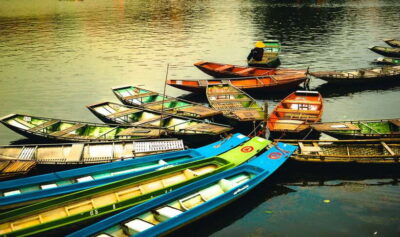
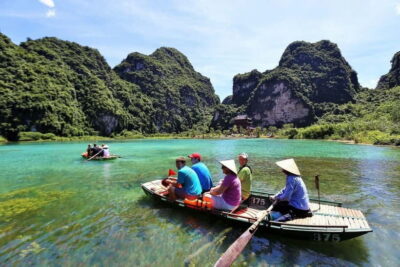
Next is the reason many people remember Ninh Binh: the Trang An Landscape Complex and a 2-hour boat ride through a UNESCO-recognized cultural and natural heritage area. When you’re on the water, you get that “how is this real?” feeling—limestone formations, caves, and river turns that you can’t fully copy from a brochure.
After the boat, you’ll visit Bich Dong Pagoda, with its cluster of older pagodas dating back to the 17th century. Then there’s time for a local market peek, which is a good reality check after boat scenes and temple views.
If you’re sensitive to heat, bring water and think about a lightweight layer. This region can be bright and sunny, and you’ll be outdoors for multiple parts of the day.
Halong Bay by cruise: sunrise Tai Chi and time on the water
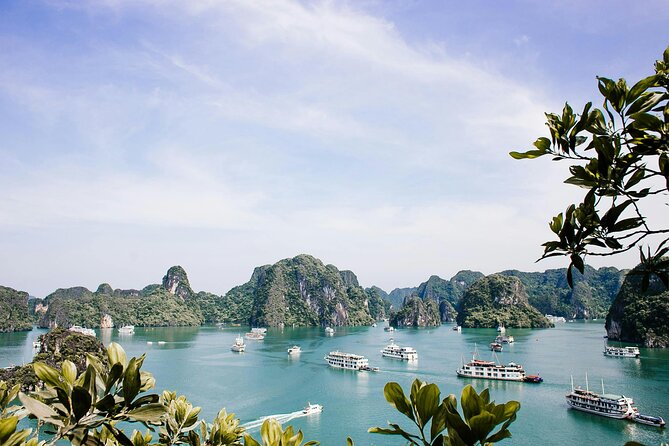
Days 4 and 5 are your Halong Bay block. You travel from Hanoi to the bay by shared shuttle, then board the cruise with a welcome drink while the captain explains the plan.
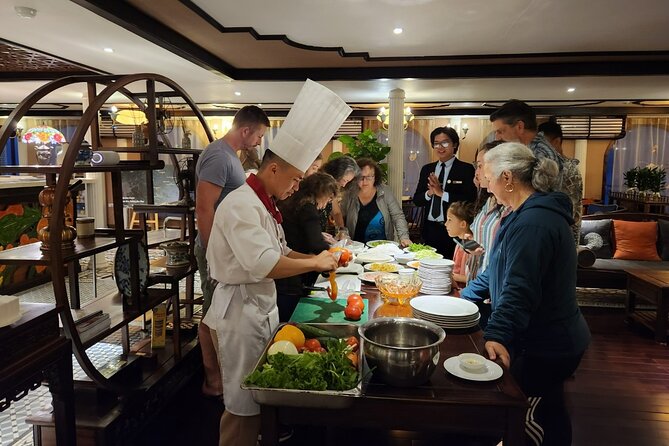
Day 5 is where the cruise adds something more than “sit and look.” You can join a Tai Chi class on the sundeck at dawn, with complimentary tea and coffee. Even if you’re not a Tai Chi person, it’s a calm way to start the day when the bay is at its most quiet.
On the cruise, expect more unhurried water time and onboard activities, then later you’ll transition toward the next city. This matters because Halong Bay is one of those places where transport stress can ruin the vibe—using a cruise structure helps keep you from feeling like you’re constantly on the move.
Weather matters here. The tour is described as requiring good weather, so if skies turn rough on an outdoor-heavy day, you may be offered an alternate date or a full refund.
- Hanoi Motorbike Tour: Food, Culture and Fun by Vintage Motorbike★ 5.0 · 6,699 reviews
- Hanoi: Guided Food Tour with Train Street Visit★ 4.9 · 6,239 reviews
- Hanoi Cooking Class: Culture, Local Market & Meaning CSR Impact★ 5.0 · 5,147 reviews
Flying to Hue: Imperial City first, then Thien Mu views and Khai Dinh
After the Halong Bay days, you head to Hue by flight from Hanoi. On arrival, you transfer to the hotel and get the rest of the day at leisure, which is a smart buffer after a travel day.
Hue proper starts with the Imperial City (the Citadel), a walled fortress designed as a replica of China’s Forbidden City. This stop works because it gives you structure: you understand the logic of the royal space before you wander into details.
Later you’ll visit Thien Mu Pagoda, positioned near the confluence of rivers with views over the Perfume River area. After that comes Khai Dinh Tomb, where the afternoon feel shifts again—less walking and more lingering in a place that’s built for monument scale.
If you want photos, plan for the late-day light in Hue, but don’t trust it. Bring sun protection and comfortable footwear; tomb and pagoda areas can involve uneven paths.
Hai Van Pass to Hoi An: road views, Marble Mountains, and a slower town pace
Day 7 is an overland scenic day: you travel by car from Hue toward Hoi An, stopping at the Hai Van Pass, known as one of Vietnam’s most famous passes. Even if you’re not a big fan of “viewpoints,” this is worth it because the pass is a real shift in terrain and mood.
Next you’ll explore the Marble Mountains, five limestone hills tied to the elements: Metal, Wood, Water, Fire, and Earth. You can spend time admiring details there, and you may also find yourself climbing or exploring caves depending on the day’s conditions.
Then you roll into Hoi An, where the plan keeps things lighter: time ends in the peaceful, charming setting of the Ancient Town.
That mix is key. After long drives and heavy monument days, it’s nice to arrive in a place where you can just walk, get a drink, and let the streets do their job.
Hoi An on water and on foot: Cam Thanh bamboo boats to the Japanese Covered Bridge

Day 8 keeps Hoi An from turning into only a checklist of famous structures. You start at Cam Thanh, a fishing village where you can meet local fishermen and ride a traditional bamboo boat. This is the part of Hoi An that feels most “local activity” rather than only heritage display.
In the afternoon, you return to the Ancient Town for classic Hoi An landmarks: the Japanese Covered Bridge (about 400 years old, built in 1590 by Japanese merchants) plus the nearby blend of architecture and community buildings.
You’ll also visit the Phuc Kien (Fukian) Assembly Hall and the Phung Hung Ancient House, where Japanese and Chinese influences show up in the design and layout. If you like places where different communities left physical fingerprints, this day gives you plenty to notice.
For this day, light packing helps. You might get damp depending on boat activities, so you’ll feel better if you’ve got a way to keep small items dry and your feet comfortable.
Ba Na Hills and Golden Bridge: cable car views plus Linh Ung Pagoda stops
Day 9 takes you to Sun World Ba Na Hills, where you ride a modern cable car system to reach the heights. The big payoff here is the panoramic view feel—when you’re up high, the world gets wider and you notice Vietnam’s scale.
Along the way to the Golden Bridge, you also stop for other points like old French villas and a suspension bridge, plus Nui Chua and a mountain peak area at 1,487 meters. You’ll then visit Linh Ung Pagoda, including Vong Nguyet Hill and the Statue of Buddha Sakyamuni.
Then you shift again, flying to Ho Chi Minh City after a brief Da Nang city moment and onward driver transfer to your hotel.
This day is long and weather-dependent. If clouds hang low, the cable car experience can feel less dramatic. Still, the structure and the sightlines are worth it if you can enjoy the day as a “high altitude outing,” not only a photo mission.
Ho Chi Minh City essentials: Cu Chi Tunnels and the Reunification Palace
Day 10 is history with heavy weight. After breakfast, you go to the Cu Chi Tunnels, an extensive underground network manually dug by guerrilla fighters as shelter and defense routes. This isn’t just a “look at tunnels” stop—the tunnels are part of the story of how people lived under extreme conditions.
In the afternoon, you visit the Independence Palace (Reunification Palace), the last stronghold of South Vietnam. The day is marked by events of April 30, 1975, when tanks crashed through its gates and the war ended officially.
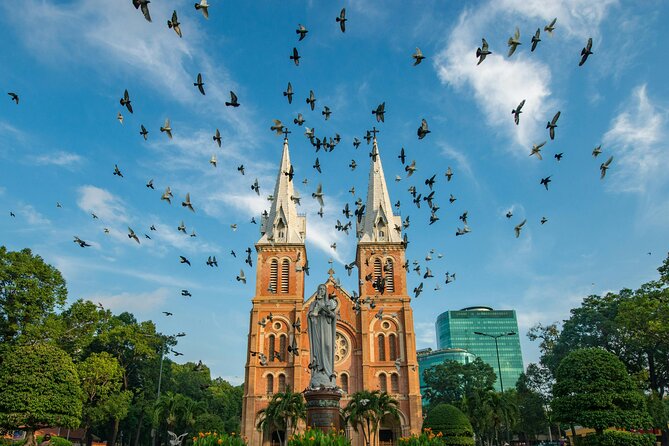
Then you finish with French-colonial era landmarks: Saigon Notre Dame Cathedral and the Central Post Office nearby. This combo works well because it shows two sides of Saigon’s identity—war-era change and colonial-era built form.
I’d suggest keeping your pace respectful here. This isn’t the day for rushing. Let the sites take time, and don’t worry if you need a break mid-afternoon.
Mekong Delta day trip from Ben Tre: boats, coconut workshops, and candy-making
Day 11 takes you to the Mekong Delta with a drive to Ben Tre (about 115 km, roughly 2 hours). You board a boat once you arrive, and the day includes stops tied to local production: a handcrafted coconut workshop and a candy production site.
This is a good final-day choice because the Mekong day gives you hands-on small-scale culture and a sense of how everyday products move through village life. It also naturally slows your pace compared with the bigger city anchor of Cu Chi and Independence Palace.
Bring something for sun and heat again. Delta days can be bright, and you’ll likely spend parts of the day outdoors.
What’s included (and what that means for your daily budget)
The package includes a lot of the cost friction that usually makes multi-city Vietnam trips expensive. You get entrance fees and permits for sightseeing stops, air-conditioned transport, and mineral water twice daily. Meals are also mostly handled: 11 breakfasts, 2 lunches, and 1 dinner are listed.
What you’re still paying out of pocket: anything not named in the plan, plus drinks and personal spending. Also, domestic flights between cities are not included, so budget for those connections if you want everything to run smoothly.
One practical advantage: having the schedule structured means you’re less likely to lose money to last-minute ticket buying or last-minute guide searches. You still need to make smart choices on what to splurge on, but the big “must-do” costs are already part of the package math.
How the service style shows up in real life
This tour runs with a dedicated travel agent and an organized on-the-ground team. In service stories shared by past guests, names like Ms. Loan Do and Miss Giang Dam come up for being responsive, supportive, and able to help when questions pop up—like visa paperwork checks.
You also get a tour structure that’s described as private for your group, which usually means you’re not constantly squeezed into large crowds or rushed through stops. That can matter a lot on days like Hanoi and Hoi An, where famous sites can get busy.
There’s also a human element: the meeting setup includes pickup at the arrival hall with a sign showing the main trip name. It sounds small, but it saves stress when you’re tired.
Who should book this 12-day package (and who should adjust)
This tour is a good fit if you want a lot of Vietnam highlights without doing the heavy planning yourself. It also suits you if you like having clear guidance at major sites like Temple of Literature, the Ethnology Museum, Hoa Lu/Trang An, Hue’s Citadel, Hoi An’s heritage, and Cu Chi.
It may not be ideal if your travel style is slow and open-ended. With a packed pace across North, central Vietnam, and the South, you’ll likely need to protect small pockets of downtime—especially on days with flights or long drives.
If you’re traveling as a couple, you’ll probably appreciate the “everything set” structure. If you’re traveling with family, the varied mix—museums, waterways, and big outdoor spots—can keep more than one person interested.
Should you book this 12-day Vietnam package?
If you’re aiming for a North-to-South Vietnam sampler that still includes real anchors—Halong Bay cruise time, Trang An boat scenery, Hue’s Citadel, Hoi An’s heritage streets plus Cam Thanh waterways, and Cu Chi + Mekong—this package makes a lot of sense. At the same time, it’s only a good deal if you can handle the pace and you budget for flights and visa.
I’d book it if you want structure, included entrances, and fewer planning headaches. I’d hesitate if you want lots of free time every day or you’re traveling during a period where weather could interfere with outdoor segments.
If you tell me your travel month, I can help you sanity-check weather risk for the bay and highland day, and suggest what to prioritize if you want a slightly calmer pace.
FAQ
What cities are covered on this 12-day Vietnam tour?
The trip starts in Hanoi and ends in Ho Chi Minh City. Along the way, you visit places including Ninh Binh, Halong Bay, Hue, Hoi An, Ba Na Hills, Cu Chi, and the Mekong Delta.
What is included in the package price?
The tour includes dinners, lunches (2), breakfasts (11), air-conditioned vehicle transfers, mineral water (2 bottles per day), and entrance fees and permits for sightseeing visits. It also includes personalized service from a dedicated travel agent.
What is not included?
Not included are international and domestic flight tickets, the Vietnam visa, travel insurance, tips, and personal expenses such as drinks, phone calls, and laundry. Meals not specifically listed in the itinerary are also not included.
Do I need domestic flights between cities?
Yes, the schedule includes flying between cities (for example, from Hanoi to Hue and later from Da Nang area to Ho Chi Minh City), but those domestic flight tickets are not included in the price.
Where does pickup happen in Hanoi?
Pickup is arranged at the arrival hall of Noi Bai Airport, and the driver is waiting with a sign showing the main trip name. The tour start point lists Rex Hanoi Hotel in Hanoi.
Where does the tour end in Ho Chi Minh City?
It ends with a transfer to EDEN STAR SAIGON HOTEL in Ho Chi Minh City. On the final day, you’re picked up at the hotel and transferred to the airport for departure.
Is the tour private or shared?
The tour/activity is described as private, with only your group participating.
Is there a water puppet show and cyclo ride in Hanoi?
Yes. Day 2 includes a water puppet show and a cyclo (xich lo) ride as part of the Old Quarter and Hoan Kiem Lake area experience.
Does the tour depend on weather?
Yes. The experience requires good weather. If it’s canceled due to poor weather, you’ll be offered a different date or a full refund.
Can I cancel and get a full refund?
You can cancel up to 24 hours in advance for a full refund. If you cancel less than 24 hours before the start time, the amount paid is not refunded.
More Tours in Hanoi
- Ninh Binh Full-Day Tour from Hanoi to Hoa Lu, Tam Coc & Mua Cave Via Boat & Bike
★ 5.0 · 4,384 reviews




More Tour Reviews in Hanoi
Latest Hanoi write-ups from our team


Tours, compared.
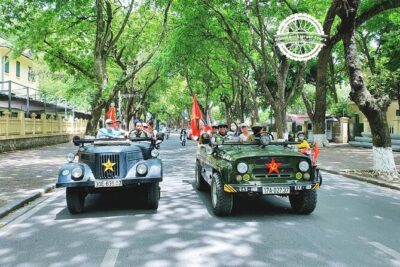 ★ 5.0Hanoi Jeep Tour: Food, Culture and Fun by Vietnam Army JeepFrom $5515,222 reviews
 ★ 5.0Full-Day Ninh Binh Highlights Tour from HanoiFrom $797,761 reviews
 ★ 5.0Hanoi Motorbike Tour: Food, Culture and Fun by Vintage MotorbikeFrom $556,699 reviews
 ★ 4.9Guided Food Tour with Train Street VisitFrom $196,239 reviews
 ★ 5.0Small Group Hanoi Street Food Tour with a Real FoodieFrom $284,682 reviews
 ★ 5.0Ninh Binh Full-Day Tour from Hanoi to Hoa Lu, Tam Coc & Mua Cave Via Boat & BikeFrom $334,384 reviews
 ★ 4.7Ninh Binh, Bai Dinh/Hoa Lu, Trang An, & Mua Cave TourFrom $464,279 reviews
 ★ 5.0Ninh Binh HIGHTLIGHT & HIDDEN GEM Tour From Hanoi: Skip-The-LineFrom $894,212 reviews