
Reviewed · INCENSE VILLAGE TOURS
Ultimate Quang Phu Cau Photo Experience
Incense smoke, camera skills, and real craft work. This 5-hour Hanoi photo experience takes you into Quang Phu Cau with hotel pickup and a pro photographer, so you’re not just sightseeing—you’re learning how to frame the workers and their process. If your guide is someone like Tung (noted for clear English and hands-on help), you’ll get practical shooting advice fast.
What I like most is the mix of scenes: red incense bundles drying outdoors, plus workshop steps like dye dipping and incense paste work. One thing to keep in mind: the most Instagram-friendly viewing area can feel small and crowded, so you’ll want to use the coach’s guidance to find angles elsewhere instead of relying only on the main displays.
In This Review
- Key things you’ll notice on this Quang Phu Cau photo experience
- Why Quang Phu Cau is a photographer’s assignment (and not just a photo stop)
- Hotel pickup and the timing that makes (or breaks) your photos
- The outdoor incense-bundle shots: getting scale and motion together
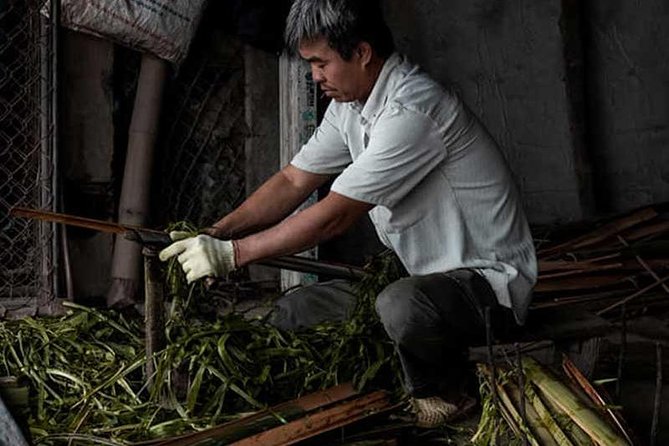
- Workshop reality: bamboo chopping, dye dipping, and incense paste
- Bamboo chopping
- Dipping sticks in dye
- Incense paste creation
- Finding the real backstage, not just the front-facing scene
- The pro photo review: turning snapshots into a set you keep
- Price and value: what $189 actually buys you
- Comfort, group size, and how crowded it can feel
- Who this tour fits best (and who may be better off doing something else)
- Weather matters more than you think
- Should you book the Ultimate Quang Phu Cau Photo Experience?
- FAQ
- How long is the Ultimate Quang Phu Cau Photo Experience?
- What is the price per person?
- Do you get hotel pickup in Hanoi?
- How many people are in the group?
- What happens during the tour?
- Are bottled water and fees included?
- Is a mobile ticket used?
- When do you arrive at the incense village?
- What if the weather is bad?
Key things you’ll notice on this Quang Phu Cau photo experience
- Small group pace (max 5 travelers) keeps the photography advice from feeling rushed
- Arriving around 10am means you catch drying bundles already in motion
- Workshop sequences cover bamboo chopping, dye dipping, and paste creation
- High-angle shooting opportunities help you photograph the scale of red incense
- A photo review/selection session gives you a chance to tighten your results
- Clear inclusion details like bottled water and fees/taxes save decision-making headaches
Why Quang Phu Cau is a photographer’s assignment (and not just a photo stop)
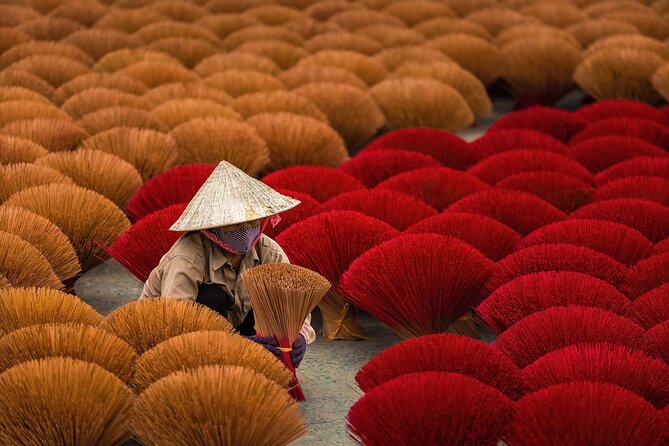
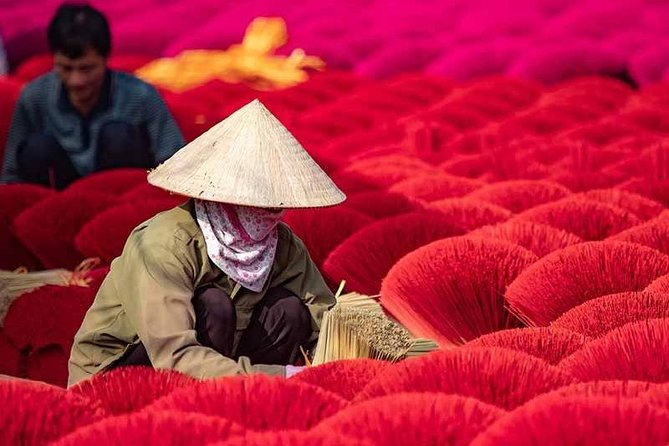
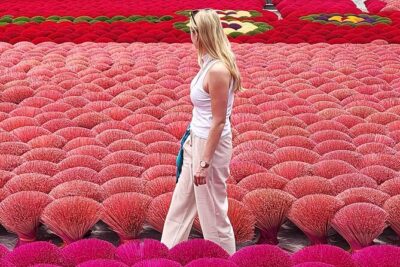
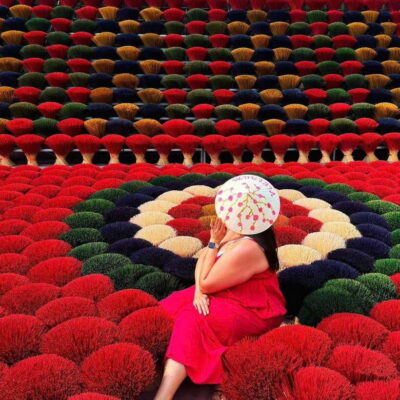
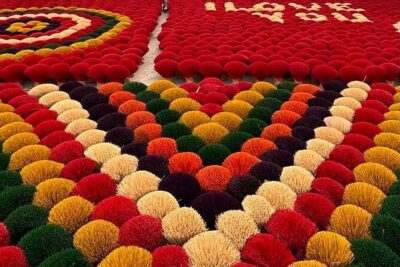
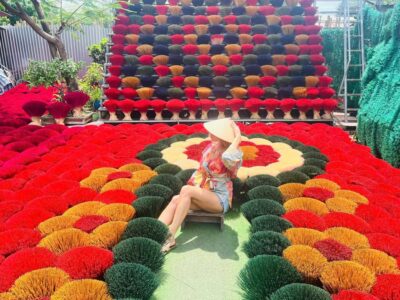
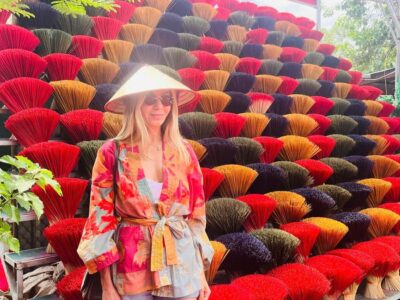
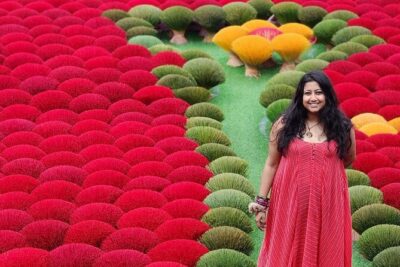
Quang Phu Cau incense village is one of those places where the subject already has a color palette. Think red incense sticks spread out to dry, hands moving with purpose, and workers turning repeat steps into a daily craft. That’s ideal for photography because you can tell a story with more than one kind of shot: close-ups, action moments, and wide scenes.
The tour’s structure also helps. You don’t simply walk through and hope for good angles. You’re guided to photograph workers in action—people working among the red incense—not just the incense as a product. That matters, because photos of process read better than photos of props. You end up with images that feel like you understood what you were seeing.
And yes, it’s undeniably photogenic. But you don’t have to treat it like a theme park. With the right guidance (you’ll meet professional photographers such as Tung and Brian through the operator’s team), you can focus on craft details: dye work, paste texture moments, and the rhythm of hands doing the same steps all day.
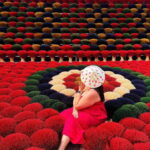
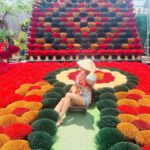
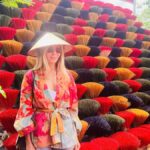
More colour at the incense village
Hotel pickup and the timing that makes (or breaks) your photos
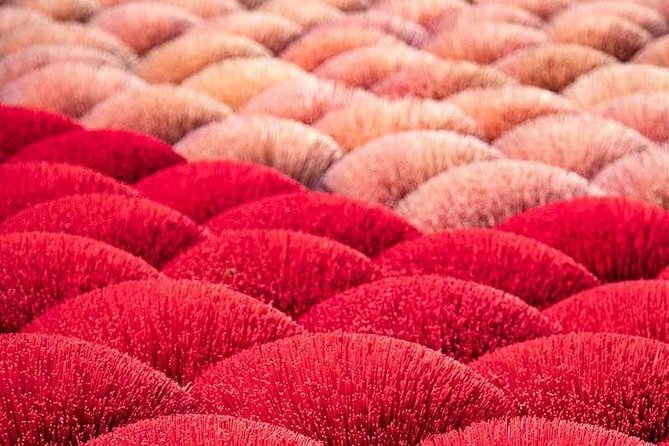
This is one of those tours where logistics quietly affect your results. Pickup is offered from your Hanoi hotel, and you travel by car to Quang Phu Cau, arriving around 10am. That arrival time is useful because villagers have already set out incense bundles to dry.
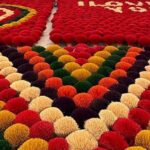
Drying incense is a visual goldmine. The sticks create lines and patterns on the ground, and the workers often move around them while the bundles sit in place. If you arrive too late, you might miss the “already set” stage and only see partial setups. Here, the schedule is built so you can photograph workers among the drying incense without feeling like you’re always chasing a process that hasn’t started yet.
The tour lasts about 5 hours. That sounds short, but for photography it’s plenty if you’re organized. Your guide can keep you moving between scenes, while still giving you time to change settings and compose shots. For many people, the sweet spot is having enough time for multiple steps—outdoor drying, then workshop process—without feeling stuck for hours in a single area.
The outdoor incense-bundle shots: getting scale and motion together
When you arrive, you’ll be able to take pictures of people working among a sea of red. This is the part that gives you both scale and story:
- Scale: multiple bundles drying at once help you create wide frames with repetition
- Motion: workers interacting with sticks and bundles give your images movement and purpose
- Timing: you’re there when things already look set, so you spend time photographing instead of waiting
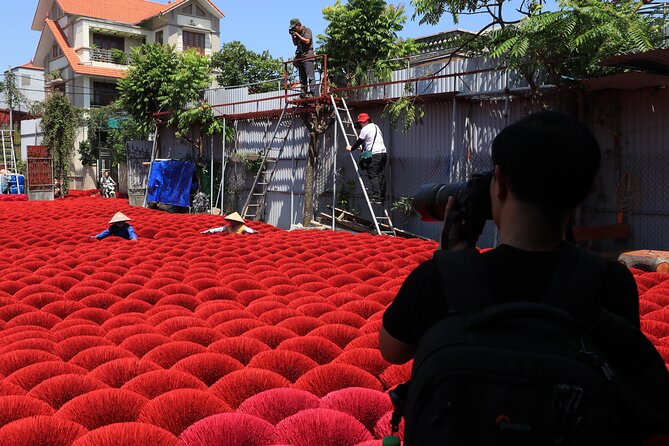
The tour also mentions shooting from high above. That’s important because it’s the easiest way to photograph pattern and density—two things that are hard to capture from ground level alone. Even if you don’t have a fancy setup, a guide helping you find a vantage point can do a lot.
One practical note: the area people photograph most can be crowded. Don’t panic. Use that as a cue to look for variations—angles where you’re not stuck with the same foreground as everyone else. The pro coaching is meant for this problem.
Workshop reality: bamboo chopping, dye dipping, and incense paste
After the outdoor stage, you’ll move into the village workshops. This is where your photos shift from “pretty incense village” to “here’s how it’s made.” The tour specifically sets up shooting opportunities across key steps:
Bamboo chopping
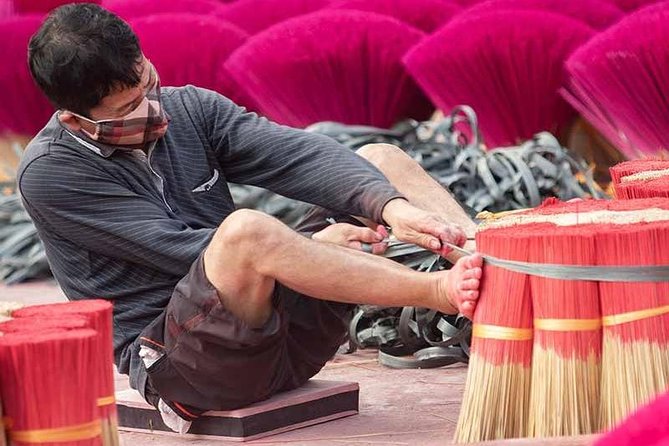
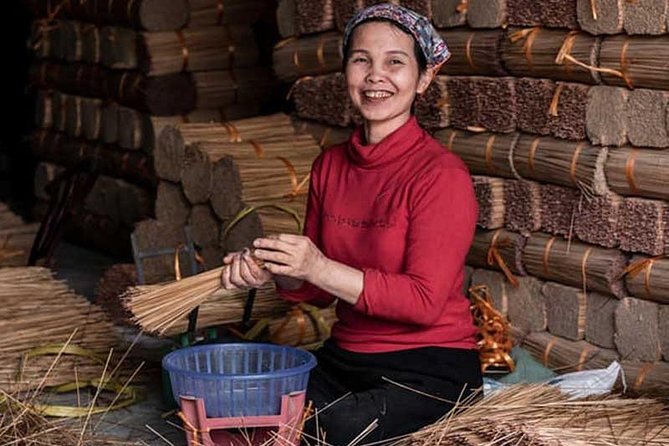
You’ll photograph the preparation stage—bamboo being chopped—where the work feels structured and repeatable. These shots tend to work well for close-ups: hands, tools, and the texture of materials.
- Hanoi Jeep Tour: Food, Culture and Fun by Vietnam Army Jeep★ 5.0 · 15,222 reviews
- Full-Day Ninh Binh Highlights Tour from Hanoi★ 5.0 · 7,761 reviews
- Hanoi: Ha Long Bay Day Cruise – Swimming, Meal, Kayaking★ 4.7 · 7,415 reviews
Dipping sticks in dye
Dye dipping is a strong photo moment because it creates color change and can show careful hand positioning. If you’re trying to make your pictures look like a narrative rather than a checklist, this is where you start.
Incense paste creation
The tour also includes shooting the creation of incense paste. Paste work is great for details: consistency, scooping motions, and the way the paste transfers to sticks. Close-ups help here, but action shots can be even more compelling because you’re showing process rather than just product.
What makes this workshop portion valuable is that you’re not only watching. You’re photographing each step as a separate scene, which builds a sequence. Guides such as Tung and Brian are known for helping people understand how to frame these moments, including camera settings for different light and action levels.
Finding the real backstage, not just the front-facing scene
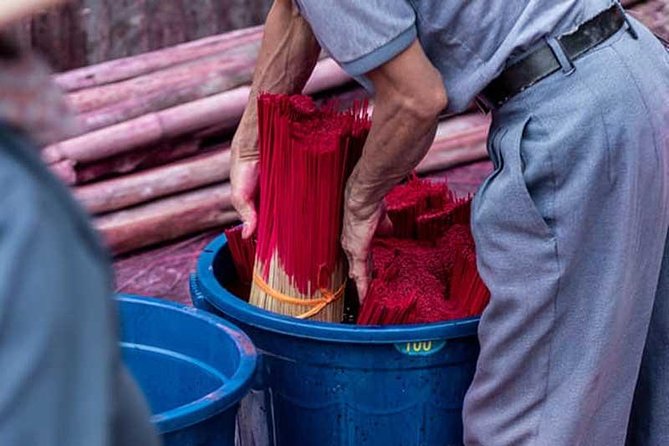
Quang Phu Cau has a tourist presence, so you can’t pretend it’s untouched. But the tour experience is designed to go beyond the obvious photo corners. The approach is to look for hidden, photogenic spots around the community and to connect with the people doing the work.
This is where a skilled photographer-guide really earns their spot. The difference between a good photo and a “wow, that’s the story” photo is often angle and timing—when you choose to press the shutter, when you step aside for a better background, and when you wait for the hands to hit the exact moment of action.
Some guides, like Hong and Adrien (named in the operator’s team feedback), are described as personable and attentive, helping you get questions answered and letting you ask workers about the process. That combination—photo coaching plus access to the people doing the work—adds value that a generic walking tour won’t.
The pro photo review: turning snapshots into a set you keep
A standout feature is the professional photo review and selection session on the way back to your hotel in Hanoi. This is one of those services that can feel optional until you try it.
Without review, many photo tours turn into “I took lots of images” and then nothing changes. With a selection session, you can:
- learn what worked and why
- choose which shots best represent the incense-making story
- refine your results before you leave
It’s also a good way to apply what you learned in real time. If your guide gave you tips while you were shooting—like how to handle certain lighting or compose for action—you get confirmation after the fact.
Price and value: what $189 actually buys you
At $189 per person for a roughly 5-hour tour, this isn’t a bargain-basement activity. But it also isn’t priced like a distant luxury expedition. The value is in the bundled elements that matter for a photography-focused outing:
- Hotel pickup saves time and stress in Hanoi
- A professional photographer guide is the main cost driver, and you feel it in the way the experience is structured
- Small group size (max 5 travelers) helps you get attention during shooting
- Bottled water plus all fees and taxes are included, so you’re not doing mid-tour money math
- Photo review/selection adds a “service layer” beyond just transportation
Also, this tour tends to be booked around 91 days in advance on average, which usually signals steady demand for a format that doesn’t require you to figure out access and timing yourself.
If you care about more than Instagram dust—if you want images that tell what you saw—this price starts to make sense.
Comfort, group size, and how crowded it can feel
The tour limits group size to a maximum of 5 travelers. That’s a big deal for photography. In a larger group, guides have to herd people. Here, your guide can often slow down for your questions and help you position for shots.
That said, the incense village itself can be busy in general. Even with good guidance, you might run into crowds at the most famous viewing spots. Treat it like this: the main area can be crowded, but the tour’s goal is to help you still come away with stronger, more personal shots by moving through different workshop moments and angles.
Who this tour fits best (and who may be better off doing something else)
This is a strong match if you:
- want a photography-focused experience in Hanoi, not just a sightseeing stop
- like process photography—hands at work, tools, materials, and step-by-step craft
- appreciate instruction (camera tips, framing help, and an end-of-tour review)
It may be less satisfying if you:
- only want huge, open, colorful fields with lots of space (the most colorful display area can be smaller and crowded)
- don’t want to spend part of the time learning and adjusting your approach
If you’re traveling with someone who doesn’t care about camera settings, you’ll still see a lot—outdoor drying and workshop steps—but the “value engine” is the pro coaching and photo review.
Weather matters more than you think
The experience requires good weather. That’s not just comfort—it affects what the village looks like outdoors and how smoothly the schedule works. If weather turns poor, the tour can be offered a different date or you can receive a full refund. Plan to keep your mornings flexible if your schedule is tight.
Should you book the Ultimate Quang Phu Cau Photo Experience?
Book it if you want practical photography help tied directly to what’s happening in the village—workers at work, workshop steps, and a structured set of scenes, not random wandering. The combination of pro guidance, small group size, and an end photo review is what makes this feel more like a workshop than a bus trip.
Skip or reconsider if your main goal is a wide-open, uncrowded photo “wow” landscape. You may still get great shots, but you’ll need to rely on your guide’s direction to avoid being stuck with the most obvious crowd lines.
If you like craft photography and want to leave with a stronger set of keeper images, this is a smart way to spend half a day in Hanoi.
FAQ
How long is the Ultimate Quang Phu Cau Photo Experience?
It runs for about 5 hours.
What is the price per person?
The price is $189.00 per person.
Do you get hotel pickup in Hanoi?
Yes. Pickup is offered from your hotel.
How many people are in the group?
The tour/activity has a maximum of 5 travelers.
What happens during the tour?
You’ll explore Quang Phu Cau Incense Village, photograph workers in action, cover incense-making steps (like bamboo chopping and dye dipping), and finish with a professional photo review and selection session on the way back.
Are bottled water and fees included?
Yes. Bottled water and all fees and taxes are included.
Is a mobile ticket used?
Yes. Mobile ticket is included.
When do you arrive at the incense village?
You typically leave Hanoi by car and arrive at around 10am.
What if the weather is bad?
The experience requires good weather. If it’s canceled due to poor weather, you’ll be offered a different date or a full refund.
More Tour Reviews in Hanoi
More of the Incense Village
Latest Hanoi write-ups from our team
Incense Village Tours, compared.
 ★ 5.0Incense Village, Hat Making & Lacquer Artisan Small Group HanoiFrom $171,266 reviews
 ★ 5.0Incense Village, Conical Hat, Lacquer Art, SMALL GROUP From HanoiFrom $11,170 reviews
 ★ 4.6Incense Village, Hat, and Lacquer Artisanal TourFrom $151,005 reviews
 ★ 5.0Incense Village Small Group of 9 Tour From Hanoi to Ninh BinhFrom $85626 reviews
 ★ 4.6Incense Village, Hat, Lacquer Tour & City HighlightsFrom $16604 reviews
 ★ 4.6Incense Village, Hat, Lacquer, & City Highlights TourFrom $19470 reviews
 ★ 5.0Instagram Incense Quang Phu Cau Village Tour with Train StreetFrom $50323 reviews
 ★ 5.0INCENSE Villages & Ha Noi City Full Day guided Tour with LunchFrom $45304 reviews
Browse the lists this tour appears in