

Reviewed · HANOI OLD QUARTER TOURS
Explore Hanoi Old Quarter ’s Rich History and Culture By Walking
Street life, explained on foot. This half-day Old Quarter walk is a smart way to connect Hanoi’s old streets to big landmarks without getting lost, and you’ll see the city through the eyes of a local student guide. I also like that the plan is structured around specific, ticketed sights (with entrances handled for you) plus a mineral water per person. One thing to consider: the route is traffic-heavy, and if your guide’s English is hard to follow, the pace can feel a bit rushed.
The best part of this tour is how it mixes photo-famous stops with places that explain why the Old Quarter looks the way it does. You’re not just looking at buildings—you’re getting context: trade history, colonial layers, and why certain streets and structures matter.
If you’re a first-timer who wants an easy orientation and you’re comfortable walking on narrow sidewalks while motorbikes fly past, you’ll likely enjoy it a lot. If you prefer slow, quiet sightseeing with lots of time to linger, you may want to keep expectations realistic.
In This Review
- Key highlights to know before you go
- Why this walking route helps you get oriented fast
- Price and value: what $19.99 covers (and what it doesn’t)
- Pickup, meeting point, and timing (8:00 or 1:30)
- The stop-by-stop route (and how to make each one worth your time)
- Stop 1: Old Quarter Information Center
- Stop 2: Ancient House (tube house style)
- Stop 3: Kim Ngan Temple (15th century)
- Stop 4: St. Joseph’s Cathedral (French colonial era)
- Stop 5: Hanoi Train Street
- Stop 6: Đồng Xuân Market
- Stop 7: Ô Quan Chưởng (Thăng Long citadel gate)
- Traffic, sidewalks, and how to stay comfortable
- The guide factor: student guides, language clarity, and expectations
- What to bring for a half-day walking plan
- Who this tour suits best
- Should you book this Old Quarter walking tour?
- FAQ
- What time does the tour start?
- Is hotel pickup included?
- How long is the walking tour?
- What’s included in the tour price?
- What should I bring or pay for on my own?
- What happens if the weather is bad?
Key highlights to know before you go

- Free pickup inside the Old Quarter makes the start easy, especially if you’re staying close to the action
- Student guides at solid value with no hidden charges and no expected tips
- Entrance fees covered for the itinerary stops, so you can focus on seeing, not paying
- Train Street included gives you a chance to witness trains threading the narrow alley while you grab a drink
- End at Ô Quan Chưởng so you finish near a meaningful gate of the old Thăng Long Citadel
- Your comfort depends on traffic and communication since the walk happens in busy streets and English clarity can vary
Why this walking route helps you get oriented fast
Hanoi’s Old Quarter can feel like chaos at first. Narrow lanes. Motorbikes. Shops spilling out onto the sidewalk. A walking guide helps you make sense of it quickly.
This tour is built to do three things in a few hours. First, it gets you to the core symbols people come for. Second, it threads in quieter context stops that explain the city’s layers. Third, it ends with a clear “you’re done here, go explore from here” finish, so you can keep moving after the guide leaves you.
And because this is a private experience, you’re not stuck with a group pace that’s wrong for you. If your group moves slower—or you have questions—the guide can generally adjust.
More wandering through the Old Quarter lanes




Price and value: what $19.99 covers (and what it doesn’t)

At about $19.99 per person, this is priced like a budget-friendly “see the essentials with guidance” option. The key value is what’s included: hotel pickup within the Old Quarter, an English-speaking student guide, mineral water per person, and entrance fees for the planned stops.
That entrance-fee part matters. Some walking tours in Hanoi feel cheap until you start adding ticket costs. Here, the admissions listed in the itinerary are included, which makes the pricing easier to trust.
What’s not included is also clear: food and drinks, and tips. So if you want something at Train Street (where you can typically buy a refreshing drink), you’ll pay for that yourself.
Pickup, meeting point, and timing (8:00 or 1:30)
You have two starting options: 8:00 AM or 1:30 PM. If you’re staying inside the Hanoi Old Quarter, pickup is included. If you’re farther out, you’ll meet at the designated starting point.
The meeting point listed is Hanoi Opera House, 1 Tràng Tiền, Phan Chu Trinh, Hoàn Kiếm, Hà Nội, Vietnam. The tour ends back at the meeting point area, and your guide will give directions for getting back afterward.
Duration is listed as about 3 to 4 hours. One practical note: if communication is tough or the group pace doesn’t match the plan, it can end earlier. Plan your day with a bit of flexibility.
Also, this experience requires good weather. If the weather is poor, you should expect a reschedule or a full refund.
The stop-by-stop route (and how to make each one worth your time)

Stop 1: Old Quarter Information Center
The tour starts with pickup at your Old Quarter hotel (if you’re eligible) or at the Opera House meeting point, then heads to the Hanoi Old Quarter Information Center.
This is a great “get your bearings fast” stop. You can view exhibitions of historical documents and artifacts that show how Hanoi developed over more than a thousand years. It’s not just a random briefing room—this is where you learn what to pay attention to once you’re back outside in the streets.
The admission for this stop is free and you’ll spend about 30 minutes here.
More of Hanoi covered on foot
- [HOT] Hanoi Old Quarter Walking Street Food – Small Group Tour★ 5.0 · 2,163 reviews
- Private Walking Tour of Hanoi City★ 5.0 · 1,251 reviews
- Hanoi: Small-Group Street Food Walking Tour★ 4.8 · 1,165 reviews
Stop 2: Ancient House (tube house style)
From there you go to an Ancient House and the tour focuses on Hanoi’s traditional tube house style. This is one of those details that looks obvious once you know it. Narrow front. Deep interior. Built to squeeze a lot of living space into tight street plots.
The ticket for this stop is included, and the time is about 45 minutes. I like this stop because it explains the city’s architecture in a way that makes the Old Quarter streets feel less like a maze and more like a pattern.
Stop 3: Kim Ngan Temple (15th century)
Next is Kim Ngan Temple, described as a 15th-century temple and one of the older religious sites in the Old Quarter.
What makes it more interesting than a quick photo stop is the industry link: it’s been tied to the silver-making industry in Vietnam. Even if you’re not a history buff, this kind of “why it’s here” connection makes the place feel grounded.
This stop is about 30 minutes, with free admission.
Stop 4: St. Joseph’s Cathedral (French colonial era)
After the temple, the route shifts to the Saint Joseph’s Cathedral, built by the French during the colonial period.
If you’ve ever wondered how Hanoi became a mix of local and colonial influences, this is where you see it. The cathedral is a strong visual anchor, and it helps you understand the city’s later layer of architecture and faith.
You’ll spend around 15 minutes, and admission is free here too.
Stop 5: Hanoi Train Street
This is the stop that turns heads: Railway Alley at Train Street. You’ll see trains pass through a narrow alley, typically while you stop for a drink.
Admission is free for the visit, and the time is about 30 minutes.
Quick practical reality check: this is a busy spectacle area, and it can be loud. If you’re sensitive to crowds, plan to keep your time focused—watch for the train, take your photos, and don’t let the surrounding stalls slow your pacing.
Stop 6: Đồng Xuân Market
Then you move into the market world at Đồng Xuân Wholesale Market. This stop is about everyday life: locals shopping for things like fresh produce and herbal medicines at prices that are often easier on visitors’ budgets.
You’ll spend around 30 minutes and admission is free.
I find market stops work best when you treat them like a “scene study.” Notice the signage, how people move through the aisles, and what’s being sold near you. It’s not the place to rush; it’s a place to look closely for patterns.
Stop 7: Ô Quan Chưởng (Thăng Long citadel gate)
Your final stop is Ô Quan Chưởng, described as the last remaining gate of the old Thăng Long Citadel. This is a strong “wrap-up” point because you end at something historical and specific, not just another street corner.
Time here is about 15 minutes, with free admission.
If you want a final souvenir-level memory, this gate is it. It helps you mentally step back from the modern streets and picture how the old city was organized.
Traffic, sidewalks, and how to stay comfortable

The Old Quarter is not a quiet walk. Motorbikes are constant, and crossings can feel chaotic—especially if you’re trying to watch the guide and spot cars at the same time.
I’d treat traffic as the main “consideration” for this tour. Wear shoes with grip, keep your phone safely away, and let the guide lead where to cross. If you’re traveling with mobility limits or you dislike close street-level walking, you’ll probably feel stressed here.
A private guide can help with pacing and navigation, but it can’t remove the reality of the streets.
The guide factor: student guides, language clarity, and expectations

This tour uses student guides, which can be a great fit for value. The highlights mention no hidden charges or expected tips, and that’s a big relief if you’d rather avoid the mental math.
Still, English clarity can vary. The tour is built around an “experienced English speaking guide,” but what you experience in practice depends on the guide’s speaking style and your comfort with accents and speed.
My advice: come with one or two ready questions. For example: ask about the tube house shape, why certain industries lived in certain lanes, or what the cathedral’s French era means in today’s Hanoi.
And if you communicate slowly, that’s okay. You can always ask for repeat explanations or slower phrasing.
What to bring for a half-day walking plan
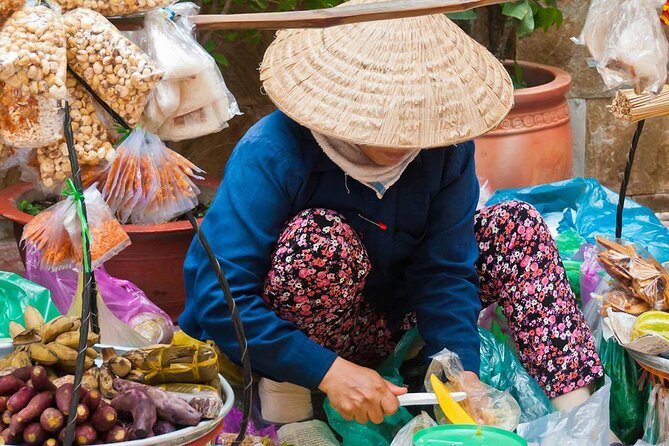
Since the tour is about 3 to 4 hours of walking, you’ll be happier with the basics:
- Comfortable shoes for uneven sidewalks and curb edges
- Sun protection or a light rain layer (because the tour needs decent weather, but Hanoi can change fast)
- A charged phone for maps and photos
- Cash/cards ready for any optional purchases, especially around Train Street and market areas
You’ll get mineral water per person, so you don’t need to bring a full supply—but having a little extra plan for hydration can still make you more comfortable.
Who this tour suits best
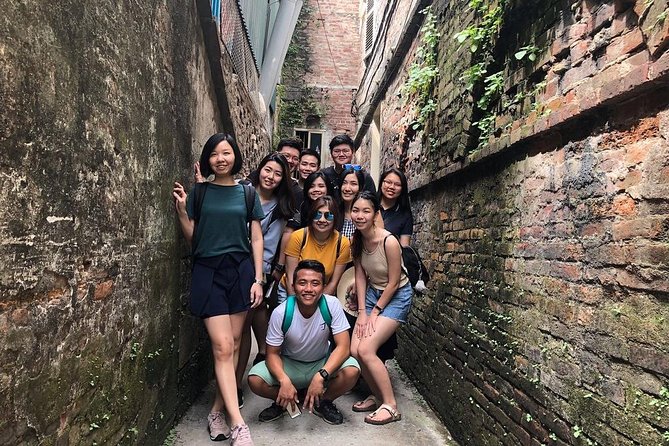
This is a good pick if you:
- Want a budget-priced guided orientation without paying extra for most entrances
- Like seeing major icons plus a couple of context stops
- Enjoy walking and can handle busy streets
- Prefer a plan that ends with clear directions so you can continue on your own
It may be less ideal if you:
- Want a slow pace with lots of unstructured time
- Are extremely sensitive to traffic noise and close walking
- Need very clear English explanations throughout to enjoy the story
Should you book this Old Quarter walking tour?
I’d book it if your goal is to get oriented and learn why Hanoi’s streets look the way they do, while keeping costs predictable. The combination of free Old Quarter pickup, included entrance fees, and a finishing point at Ô Quan Chưởng makes it easy to turn a half day into a useful start to your trip.
If you’re the type who hates feeling rushed or you know language differences can frustrate you, consider timing your day so you won’t feel trapped if the tour runs shorter. And choose the tour time (8:00 or 1:30) based on your energy level for traffic-heavy walking.
FAQ
What time does the tour start?
The tour starts at 8:00 AM or 1:30 PM. If you’re staying in the Old Quarter, pickup is offered at those times.
Is hotel pickup included?
Yes. Free pickup is included from hotels inside the Hanoi Old Quarter. If you’re outside that area, you should meet at the designated starting point at Hanoi Opera House.
How long is the walking tour?
The tour duration is listed as 3 to 4 hours.
What’s included in the tour price?
Included are the guide service (English speaking, other languages available with a surcharge), mineral water per person, entrance fees for the listed stops, and service charges and government tax. Pick up is also included for hotels in the Old Quarter.
What should I bring or pay for on my own?
Food and drinks are not included, so you’ll pay for anything you choose to eat or drink. Tips are also not included, and the tour description says there are no expected tips.
What happens if the weather is bad?
The experience requires good weather. If it’s canceled due to poor weather, you’ll be offered a different date or a full refund.
More of Hanoi, Step by Step





More Tour Reviews in Hanoi






More of the Old Quarter


Latest Hanoi write-ups from our team




Hanoi Old Quarter Tours, compared.
 ★ 5.0[HOT] Hanoi Old Quarter Walking Street Food – Small Group TourFrom $142,163 reviews
 ★ 5.0Private transfer between Hanoi Airport (HAN) and Hanoi Old QuarterFrom $18850 reviews
 ★ 5.0Hanoi Food Tours in Hanoi Old Quarter (Small Group/Private)From $28657 reviews
 ★ 5.0Hanoi Old Quarter Private Walking Tour with Student GuideFrom $5590 reviews
 ★ 5.0Hanoi Old Quarter Walking Street Food TourFrom $27423 reviews
 ★ 5.0Hanoi old quarter sightseeing & street food eating by MotorcycleFrom $55333 reviews
 ★ 5.0Private Street Food Tour – Walking Hanoi Old QuarterFrom $33294 reviews
 ★ 5.0Bat trang Pottery Class in Hanoi Old Quarter/Handmade experienceFrom $38247 reviews
Browse the lists this tour appears in