
Reviewed · BAT TRANG POTTERY VILLAGE TOURS
Explore Bat trang village & Ceramics factories / local guide
A clay day close to Hanoi feels special. This Bat Trang outing takes you about 15km from the Old Quarter to see how Vietnamese artisans make and paint ceramics, then lets you try the process yourself in a guided pottery class.
I love the hands-on pottery class timing, because it turns what you watch in the workshop into something you can actually feel in your hands. I also love the stop at Lo Bau Co, the oldest pottery kiln, which gives the whole area context fast.
One thing to plan for: your finished pieces aren’t instantly ready to take home, and extra items beyond what’s included may cost more. If you care about shipping, start thinking early.
In This Review
- Key highlights worth caring about
- Getting from Hanoi to Bat Trang without wasting your day
- Factory time: watching Vietnamese ceramics take shape
- Lo Bau Co: the oldest kiln stop that gives your shopping meaning
- Bat Trang village wandering: shopping with a better eye
- Lunch break: authentic Vietnamese food with one important heads-up
- The pottery class: make pieces, understand firing, and plan for what’s next
- Price and logistics: is $50 good value here?
- Who should book this Bat Trang ceramic tour?
- Should you book Bat Trang with a guide?
- FAQ
- Where is the meeting point?
- How far is Bat Trang from Hanoi’s Old Quarter?
- How long is the tour?
- What’s included in the price?
- What languages is the guide available in?
- Is lunch included?
- Can the tour accommodate vegetarians?
- Is there a pottery class?
- What happens to the pottery pieces you make?
- What’s the cancellation and payment flexibility?
Key highlights worth caring about
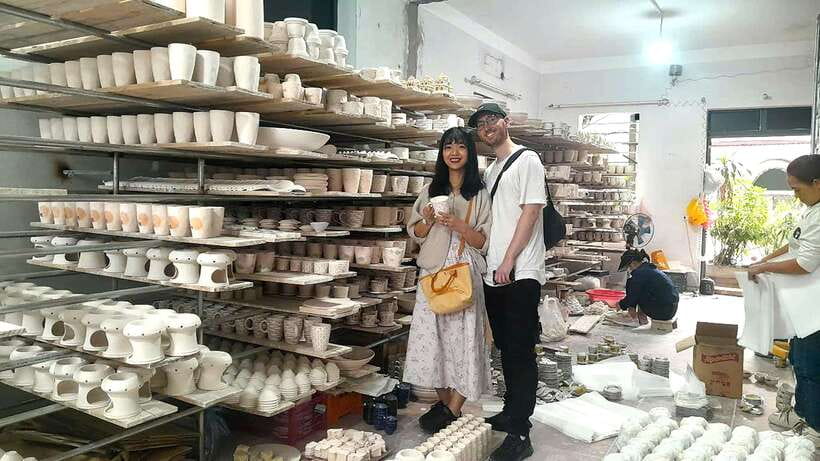
- Factory walkthrough with a guide: See how ceramics are made and painted, not just sold
- Lo Bau Co kiln stop: A direct look at the oldest Vietnamese pottery kiln
- Vietnamese lunch included: A real meal break, not a snack-and-go
- Pottery class materials included: You’ll make pieces, with options for firing/glazing later
- Local village time for shopping: Buy with a better eye after seeing production
Getting from Hanoi to Bat Trang without wasting your day
This tour is built for people staying in Hanoi who want a true craft experience, not a long ride and a quick photo stop. The meeting point is 115 P. Hàng Gai, and you’ll head to Bat Trang by car. Bat Trang is roughly 15km from the Old Quarter area, so it feels close enough to do in a single day without feeling like a travel marathon.
Duration is listed as valid for up to 7 hours, so you should think of this as a full half-day to day-lite schedule. That time window matters because the tour doesn’t just point at the “pretty” parts of ceramics—it gives you enough hours to watch production, visit the oldest kiln site, eat lunch, and still sit down for your own class.
Also, the tour includes both-way transport back to the meeting area. That’s practical in Hanoi, where traffic and parking can chew up your time and energy. You can relax and focus on what you came for: ceramics.
More hands-on hours out at Bat Trang



Factory time: watching Vietnamese ceramics take shape
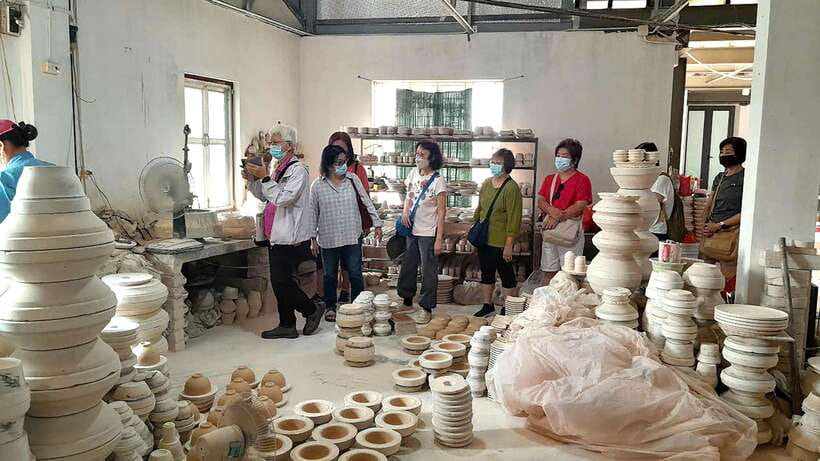
The most satisfying part of this trip is the workshop and factory stop where you can actually see the steps behind Vietnamese pottery. Your guide will walk you through how pieces are made and then hand painted—the kind of work that looks effortless when you’re looking at finished products, but turns into a careful sequence when you’re watching it closely.
Why this matters: once you’ve seen how paint and design choices connect to the shaping process, shopping becomes more honest. You start noticing things like consistency of lines, how glazes respond to firing, and how different styles are made for different purposes (decorative wares versus everyday pieces).
In at least some cases, the guide leads in a personal, family-factory style. One guide named Tony is described as showing his family’s factories and even helping create a personalized plate with wedding details. Another guide named Sony is described as extremely helpful and insightful, with explanations that made the factory stops feel clear rather than like a rushed walkthrough.
What to watch for while you’re there:
- Ask how the painted designs are handled step-by-step, especially how they survive firing.
- Compare different products you see around the workshop—this tour is set up so you can notice variation, not just one “type” of pottery.
- If something catches your eye for later buying, make note of the style before the shopping time starts.
Lo Bau Co: the oldest kiln stop that gives your shopping meaning
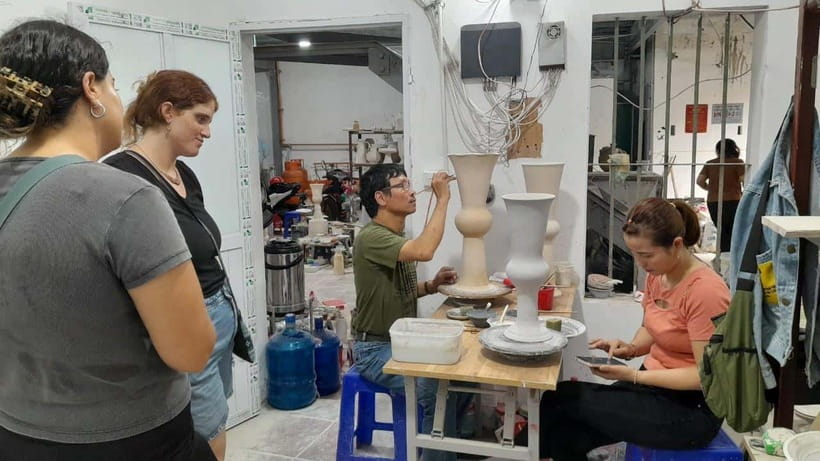
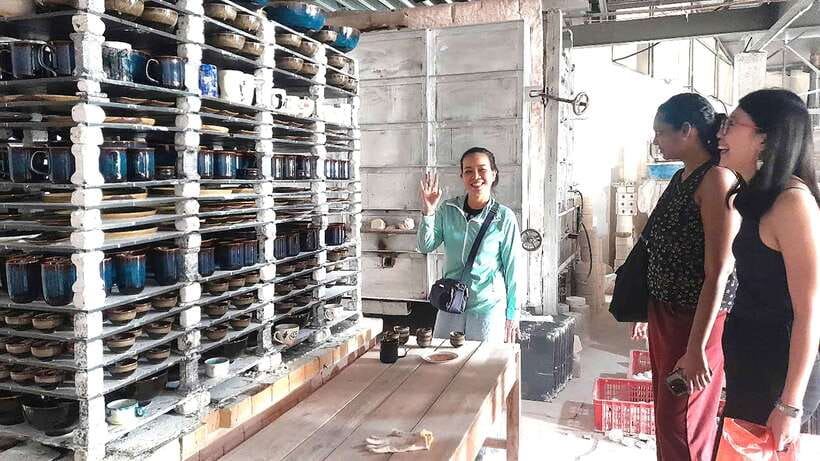
After the factory visit, you’ll go to Lo Bau Co, described as the oldest pottery kiln in Vietnam. This stop does something small but powerful: it anchors Bat Trang in time. Without it, the village can feel like a craft market with background noise. With it, you start to understand why Bat Trang matters to Vietnamese ceramics.
It’s also a smart pacing move in the itinerary. You begin with production (how pieces get made), then you hit the oldest kiln (why the craft endured), and then you continue toward village exploration and buying. That sequence helps your brain connect the story behind what you’re seeing.
Practical tip: if you like history but hate long lectures, this stop is a good match. You get meaningful context without needing to sit through a heavy talk. It’s visual, grounded, and easy to connect back to what you just saw in the factory.
Bat Trang village wandering: shopping with a better eye
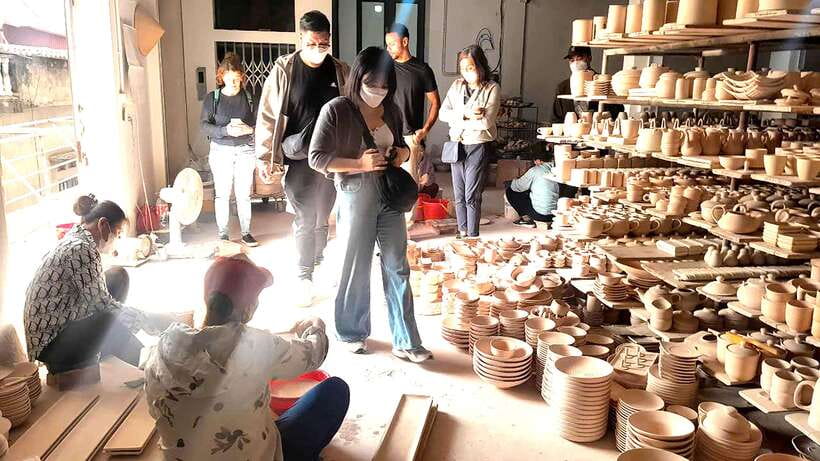
After lunch, you’ll have time to explore the Bat Trang Traditional Village and shop. This is where you can turn curiosity into purchases—but the real advantage is that you’re doing it after the production stops, not before.
Here’s how to shop better after a factory visit:
- Look at your favorite designs and try to match them to what you saw in the workshop.
- If you’re choosing gift items, prioritize consistent painting and clean finishing, because that’s usually where quality shows up.
- Don’t just buy the first thing that looks good. Take a lap. The village is set up for browsing, and you’ll likely find more options once you’re familiar with the styles.
If your guide is the hands-on, detail-focused type (Sony and Tony are both examples from past tours), you can often ask what pieces are meant for everyday use versus display. That kind of answer helps you avoid “pretty but impractical” purchases.
Lunch break: authentic Vietnamese food with one important heads-up

Lunch is included, and it’s described as authentic Vietnamese. This is a real benefit because pottery days can turn tiring fast—between walking, watching production, and then sitting for a class.
There is one important note: if you want a vegetarian meal, you should inform the team prior to your visit. That’s the kind of detail you don’t want to discover at lunchtime. If you’re traveling with dietary needs, send it early so the tour can plan around you.
What I like about having lunch included here: it keeps the day flowing. You don’t need to hunt for something nearby, and you can stay on schedule for both the village time and the pottery class.
Worth a glance beside this Hanoi pick:
- Hanoi: Guided Food Tour with Train Street Visit★ 4.9 · 6,239 reviews
- Hanoi: Guided Street Food Tour with Train Street Experience★ 4.9 · 2,479 reviews
- Ninh Binh Full-Day Small Group of 9 Guided Tour from Hanoi★ 5.0 · 1,422 reviews
The pottery class: make pieces, understand firing, and plan for what’s next
This tour ends (or continues into the later part of the day) with a pottery class. Materials are included, and you’ll get patient guidance while you create your own pieces.
One practical detail from how the class works: you may make multiple items, but not everything is treated the same. In one reported experience, a participant made three pieces, and one piece that they made would be fired and glazed for free, while extra pieces required an additional fee (described as reasonable). That means you’ll want to think ahead about what you want to take home versus what you’re okay treating as extra.
Also, your finished pieces may not be ready the moment class ends. In one case, the fired pieces were posted to a different destination (from Hanoi to HCM accommodation), and the postage was described as reasonable. That suggests the tour setup can support finishing and sending pieces, but you shouldn’t assume it will match your exact needs without asking your guide.
My advice before you start shaping:
- Decide which item you care most about before you begin—this gives you clarity when you’re choosing how many pieces to make.
- If you’re traveling onward, ask how fired/glazed items get handled and what the timing is for sending them.
- If you’re short on packing space, make the piece you’ll use or display most, and leave the “maybe” items for later buying.
Price and logistics: is $50 good value here?
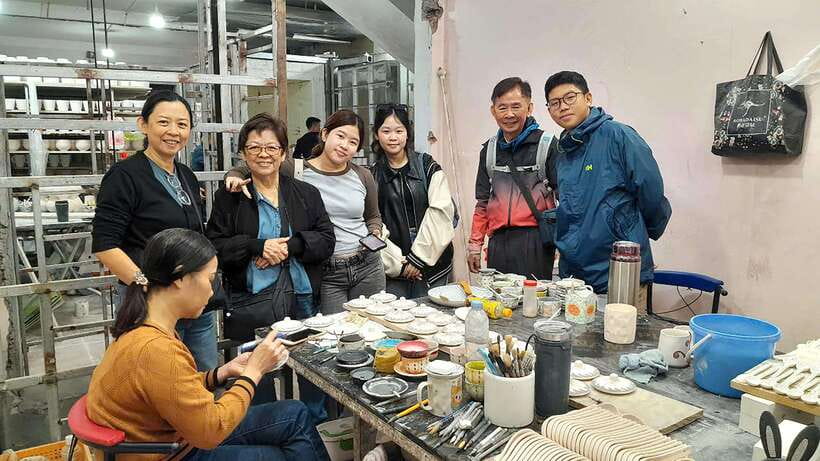
The price is listed at $50 per person, and the inclusions explain why this isn’t just a standard “ticket to a village” kind of tour.
What you’re paying for includes:
- Transport to and from Bat Trang and back to the meeting area
- Entry tickets to Bat Trang Ceramic Village
- Lunch
- Pottery class materials
- An English/Vietnamese guide
When you look at those items together, $50 starts to make sense, especially if you would otherwise need to piece together transport, a guided visit, and a class experience. A factory walkthrough plus the oldest kiln stop plus a hands-on workshop is exactly the type of package where guided structure saves time and helps you understand what you’re seeing.
Where you might spend more:
- Extra pottery pieces beyond what’s included in the class process may cost more.
- If you want pieces shipped, you may need to pay postage depending on how it’s handled.
- Shopping is always a variable. The tour gives you time to explore the village, and ceramics prices can swing widely based on quality and decoration.
Still, if you want a day that mixes “see how it’s made” with “make something yourself,” this is strong value for Hanoi-based visitors.
Who should book this Bat Trang ceramic tour?
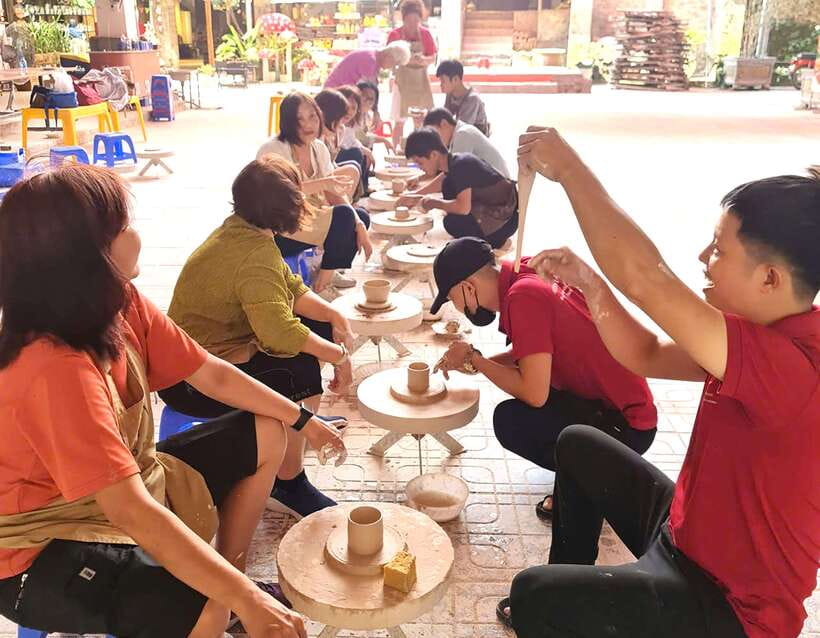
I think this tour is a great fit if you:
- Want a craft-focused day trip close to Hanoi rather than a long sightseeing slog
- Enjoy hands-on activities and like learning through doing
- Appreciate buying gifts more when you understand production
- Prefer a guided format where language doesn’t slow you down (English/Vietnamese guide)
It’s also a good match for couples or small groups. One group had only two people on the tour, which made transport feel more comfortable and personal. If you like more attention from your guide, keep that in mind when you choose your time slot.
If you’re the type who hates sitting for classes or waiting for items to be fired/glazed, you may find the pottery portion takes more time than you want. In that case, it might feel more like an activity day than a quick shopping mission.
Should you book Bat Trang with a guide?
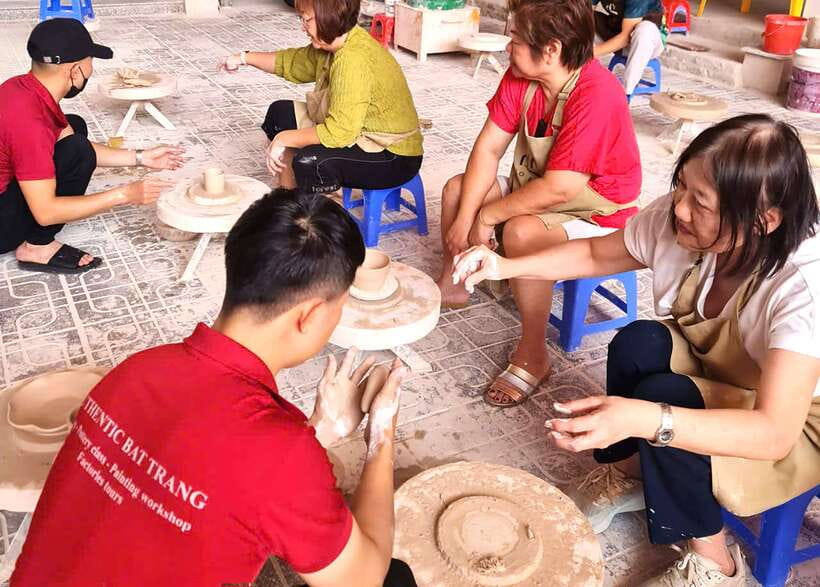
Yes, I’d book it if you want the full ceramics experience: factory steps, the Lo Bau Co kiln context, real Vietnamese lunch, and your own pottery at the end. The guide component is the secret sauce—without it, Bat Trang can feel like a market with lots of shiny objects. With it, you get process, purpose, and a clearer way to shop.
I’d hold off only if you need immediate take-home results from the class or you’re not interested in making (or having) pottery after it’s fired. Otherwise, it’s an efficient, memorable way to spend a day near Hanoi.
FAQ
Where is the meeting point?
The tour meets at 115 P. Hàng Gai in Hanoi.
How far is Bat Trang from Hanoi’s Old Quarter?
Bat Trang is about 15km away from Hanoi’s Old Quarter.
How long is the tour?
The duration is listed as valid for 7 hours. Starting times depend on availability.
What’s included in the price?
Transport to and from Bat Trang (and back to the meeting area), entry tickets to Bat Trang Ceramic Village, lunch, materials for the pottery class, and an English/Vietnamese guide.
What languages is the guide available in?
The guide is available in English and Vietnamese.
Is lunch included?
Yes, lunch is included and described as authentic Vietnamese food.
Can the tour accommodate vegetarians?
If you need vegetarian food, you should inform the team prior to the visit.
Is there a pottery class?
Yes. You’ll participate in a pottery class, and materials are included.
What happens to the pottery pieces you make?
The class includes pottery-making, and at least some setups include firing and glazing for at least one piece. Extra pieces may require additional payment, and you may need to plan for handling after firing.
What’s the cancellation and payment flexibility?
You can cancel up to 24 hours in advance for a full refund, and you can reserve now and pay later.
More Guided in Hanoi






More Tour Reviews in Hanoi





More at Bat Trang Pottery Village


Latest Hanoi write-ups from our team





Bat Trang Pottery Village Tours, compared.
 ★ 5.0Bat trang Pottery Class in Hanoi Old Quarter/Handmade experienceFrom $38247 reviews
 ★ 4.9Bat trang Pottery Ceramics Class in Hanoi’s Old Quarter | VNFrom $33240 reviews
 ★ 5.0VIETNAM BACKSTREET TOURS: Explore Bat Trang Ceramic Village By Minsk MotorcycleFrom $59228 reviews
 ★ 5.0Half-day Explore Bat Trang Ceramic Village by Russian JeepFrom $55182 reviews
 ★ 5.0Explore Bat trang village & Ceramics factories with local guideFrom $4834 reviews
 ★ 4.7Mega Grand World with Bat Trang Pottery VillageFrom $3920 reviews
 ★ 4.5Craft Village Tour (Quang Phu Cau, Bat Trang, Chuong Conical,…)From $519 reviews
 ★ 5.0Mix Bat Trang Ceramic Village And Real Hanoi Scooter TourFrom $5516 reviews
Browse the lists this tour appears in