
Reviewed · HANOI OLD QUARTER TOURS
Experience the Art of Ceramic Painting | Hanoi’s Old Quarter
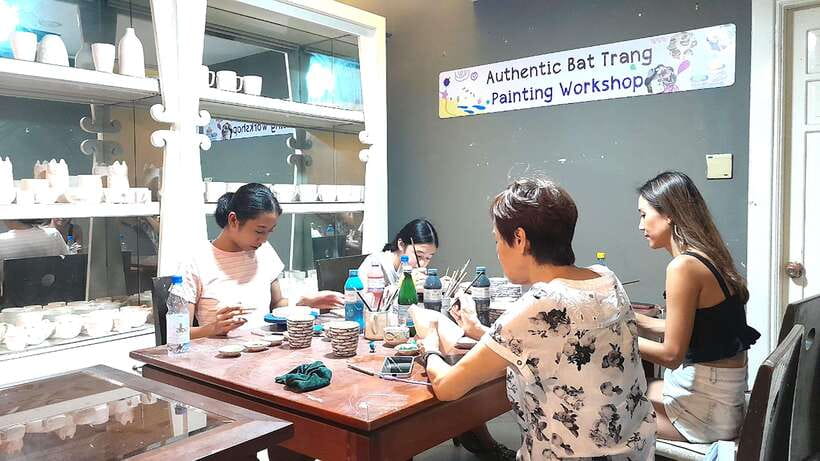
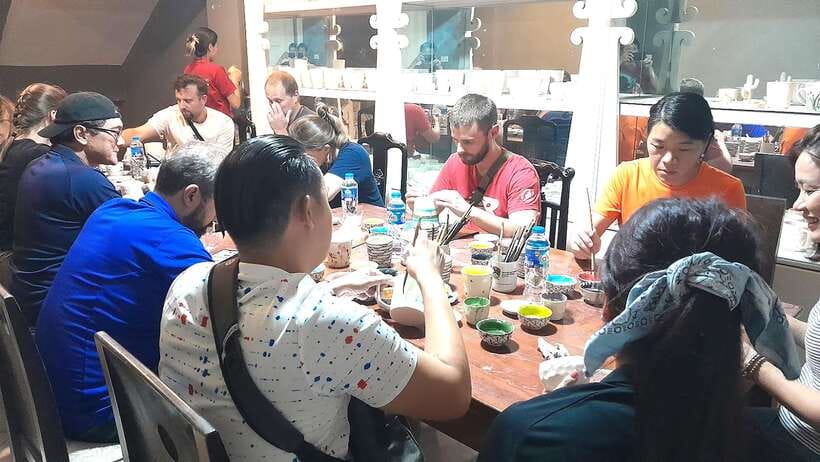
Hanoi has a special kind of craft energy. This ceramic painting session sits right in the Old Quarter at 115 Hàng Gai, and it’s built for doing, not just watching—pick ceramic items and paint what you feel like. What I like most is the freedom: you can keep painting as many pieces as you want during your time.
The second big win for me is the practical payoff. You don’t just leave with raw paint on un-fired pottery—you get kiln firing included (at least for one piece), and the studio is set up in a bright, airy way that makes a slow, creative afternoon feel doable.
One consideration: kiln firing takes 1–2 days, so your finished work isn’t instant. Plan your trip schedule so you’re not trying to squeeze it into your last hour in Hanoi.
In This Review
- Quick hits in Hanoi for Ceramic Painting
- Why this Old Quarter ceramic workshop feels different than a souvenir stop
- The 150 minutes: how the session actually plays out
- Arrive at 115 Hàng Gai and get oriented
- Pick your ceramics and set your plan
- Paint with the support of an English-speaking potter
- Glaze and finish your selected work
- Kiln firing in 1–2 days: what it means for your trip
- Cost and value: why $28 can be a fair deal (and when it isn’t)
- What you can paint: choosing a design that looks good fast
- Use the templates if you want an easy win
- Mix colors to avoid the flat, painted-on look
- Think in “motifs,” not realism
- The teaching style: helpful, but you still keep control
- Who should book this Hanoi ceramic painting experience
- Should you book Authentic Bát Tràng at 115 Hàng Gai?
- FAQ
- How long is the ceramic painting experience?
- Where is the workshop located?
- What are the available time slots?
- What does the $28 per person price include?
- Can I paint more than one ceramic item?
- How does kiln firing work?
- Is there help if I’m not artistic?
- Is the workshop wheelchair accessible?
Quick hits in Hanoi for Ceramic Painting
- Right in the Old Quarter (115 Hàng Gai): You can fit this around sightseeing without a long transfer.
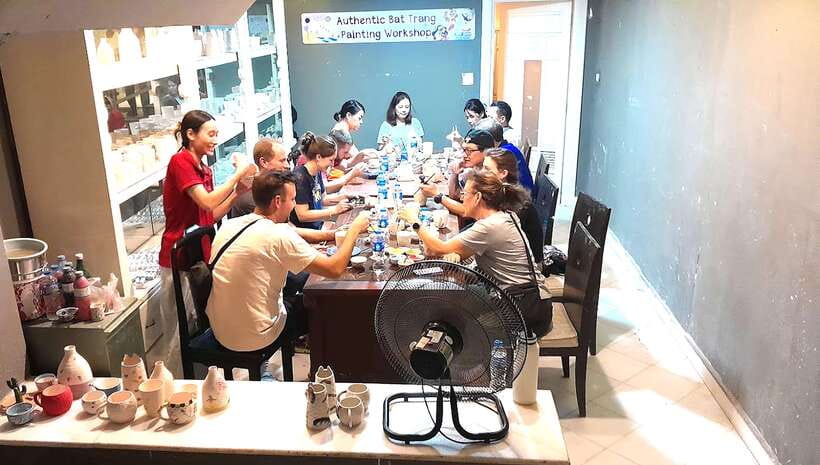
- Unlimited painting time on ceramics: Pick cups, bowls, plates, vases, and even animal shapes and decorate freely.
- Instructor help in English and Vietnamese: You get guidance plus the option to go your own way.
- Templates for faster results: If you’re not sure what to paint, inspiration sheets help you start.
- Firing included for one piece: Your best item goes to the kiln, with extra pieces available for a small add-on.
- You can mix colors: The session isn’t just “paint by numbers,” so you can adjust shades and make it yours.
Why this Old Quarter ceramic workshop feels different than a souvenir stop
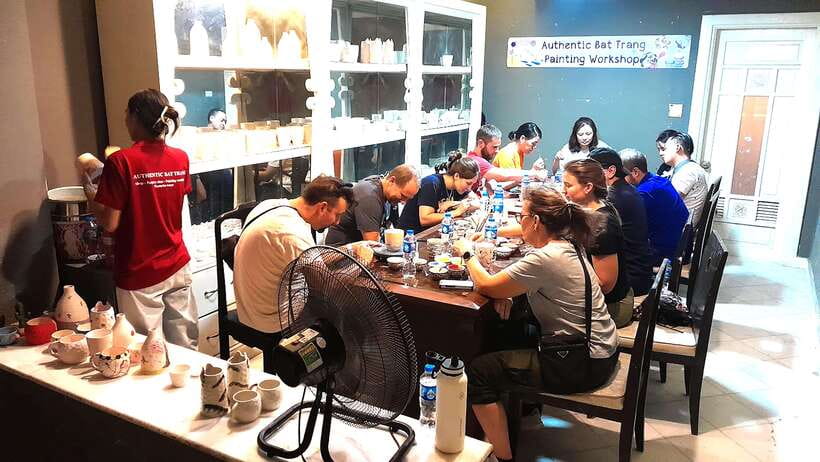
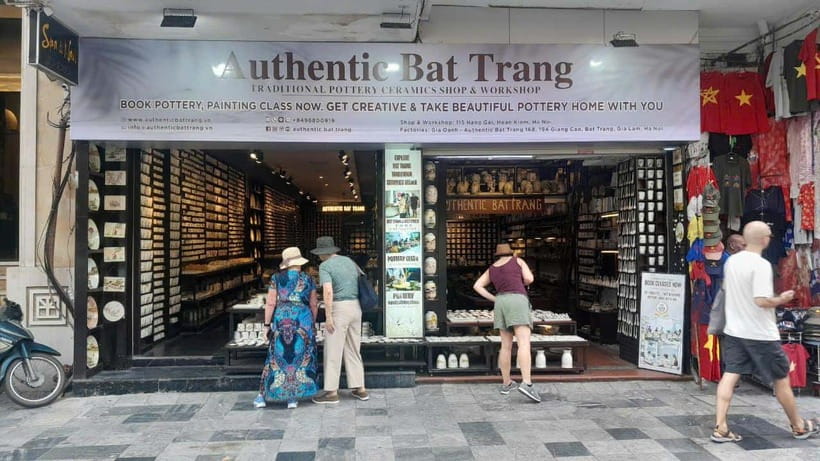
If you’ve ever walked past craft shops in Hanoi and felt the tug to buy something nice-but-generic, this workshop gives you a better option: make something yourself. The studio is in the middle of the action in Hoàn Kiếm, at 115 Hàng Gai, so the location is convenient and the vibe is relaxed. You’re not trekking out to an industrial zone just to do a one-hour activity. You’re already there.
What really changes the experience is the approach. Instead of pushing a set design, the workshop treats it like a hands-on art class with an easy structure. You can paint with guidance, or you can paint freely. That matters because most people don’t want to spend their holiday learning technical art theory; you want a fun session with visible progress.
And the “why it’s worth it” angle is simple: you’re paying for a complete craft loop—tools, colors, glaze, and kiln firing. That turns your effort into a finished ceramic piece you can take home later, not just a painted blank waiting for future work.
More wandering through the Old Quarter lanes



The 150 minutes: how the session actually plays out
Your time runs about 150 minutes, and you’ll do it in a clear rhythm. Here’s the flow to expect, in plain terms.
Arrive at 115 Hàng Gai and get oriented
You start at 115 Hàng Gai, the workshop’s main address. There’s a short window to settle in—think visiting the area, quick shopping or sightseeing around the immediate stop—before you get into the painting part.
This matters more than it sounds. In Old Quarter streets, time can get eaten by wandering and grabbing snacks. Having a short, built-in buffer helps you start the workshop without rushing, and you don’t feel like you walked in and immediately have to perform.
Pick your ceramics and set your plan
Once you’re in the creative space, you choose from ceramics designed for painting: cups, bowls, plates, vases, and animal shapes are all options. The big promise is freedom—you can pick and paint as many pieces as you like within your session.
Even if you’re the type who thinks you can’t draw, this is the moment where the pressure drops. You’re not committing to one “perfect” design. You’re experimenting. That’s also where the templates help: if you want a starting point, the studio provides inspiration sheets so you can copy a pattern or adapt it.
Paint with the support of an English-speaking potter
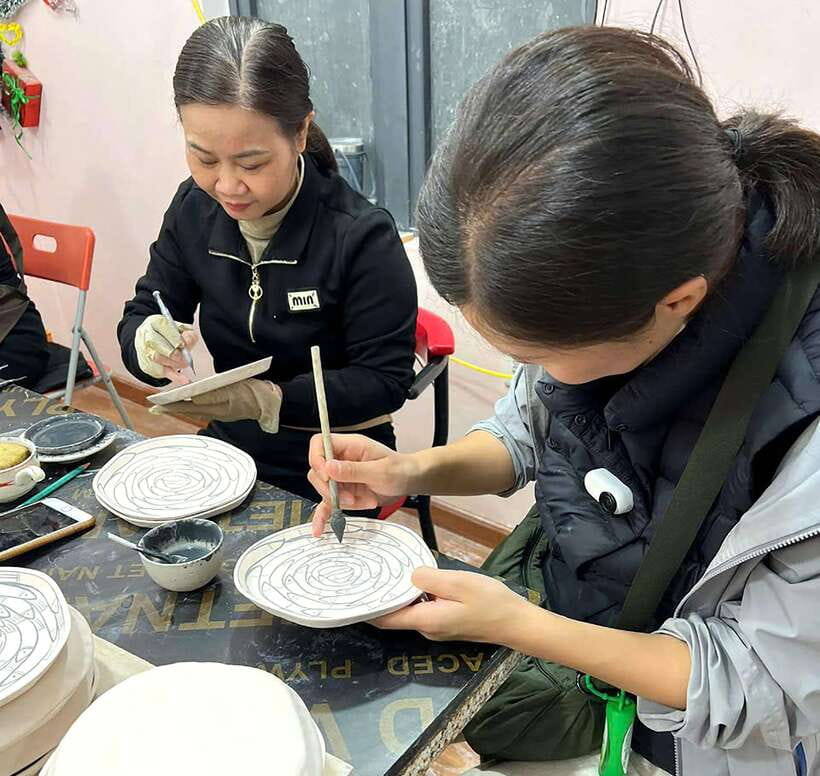
Your guidance includes an English-speaking painting instructor (with Vietnamese also available). In practice, this means you’re not stuck figuring out everything yourself. You can ask how to handle colors, where to place motifs, and how to make your design look balanced. The workshop also includes a pottery wheel, so the tools aren’t just for show.
And you’re not limited to one style. You can go bold with animals, keep it minimal on a plate, or do something more decorative across a vase. The best part is that the process encourages trying multiple ideas in one visit—paint one piece, learn what you like, then carry that feeling to the next.
- Hanoi Jeep Tour: Food, Culture and Fun by Vietnam Army Jeep★ 5.0 · 15,222 reviews
- Full-Day Ninh Binh Highlights Tour from Hanoi★ 5.0 · 7,761 reviews
- Hanoi: Ha Long Bay Day Cruise – Swimming, Meal, Kayaking★ 4.7 · 7,415 reviews
Glaze and finish your selected work
After you decorate, the workshop includes glaze as part of the experience. This is the step that turns your painted surface into something that survives normal use and looks finished after firing. You’ll also end up choosing what goes to the kiln.
You should treat this like picking your “hero piece.” You can paint multiple items, but your best design is the one you’ll likely want fired first—because firing is the part that takes time.
Kiln firing in 1–2 days: what it means for your trip
Here’s the key detail that shapes your planning: the experience includes fast kiln firing, but it’s not instant. Your finished piece needs time in the kiln, and the stated timeline is 1–2 days.
This is why I see this activity as a great Hanoi mid-trip or early-trip plan. You’ll want a buffer day so the firing doesn’t collide with a flight or a sudden change of schedule. If you’re only in Hanoi for a day, this can still be fun—just understand you won’t walk out with everything completed immediately.
Also note the “included vs optional” setup:
- One free kiln-fired piece is included.
- If you want more fired items, additional pieces can be fired for $5 each.
So you can paint freely during your session, then decide which piece(s) are worth the firing cost after you’ve seen your results. That’s a smart way to avoid paying for extra kiln processing on your first idea that you later think is too simple.
Cost and value: why $28 can be a fair deal (and when it isn’t)
The price listed is $28 per person, and the value really depends on how you use the time.
On the good side, you’re not paying for a demo or a single finished souvenir. You get:
- ceramics to paint
- painting colors and tools
- glaze
- guidance (English and Vietnamese)
- and kiln firing included for one piece
That’s why I think the price makes sense for people who want more than a purchased artifact. You’re buying time, materials, and the firing process that would otherwise cost money later.
On the budget side, there are add-ons you should expect. The activity notes that additional pieces to paint cost extra, with prices starting around $2 for more ceramics. And if you want more than the included fired item, extra firing is $5 per piece.
In other words, the $28 base is your entry ticket into painting. If you treat it like a “paint everything” day and fire multiple pieces, your total cost can rise quickly. Still, it stays predictable—you control the choices after you see what you like.
What you can paint: choosing a design that looks good fast
You’ll have a menu of ceramic forms, but the real question is what to paint on them. Here’s what works well with the workshop’s style.
Use the templates if you want an easy win
One of the most practical parts is that the studio provides templates for inspiration. That’s ideal if your design brain shuts down the moment you’re handed a brush. You can copy a pattern, change the colors, or add your own small twist and still get a result that looks intentional.
Mix colors to avoid the flat, painted-on look
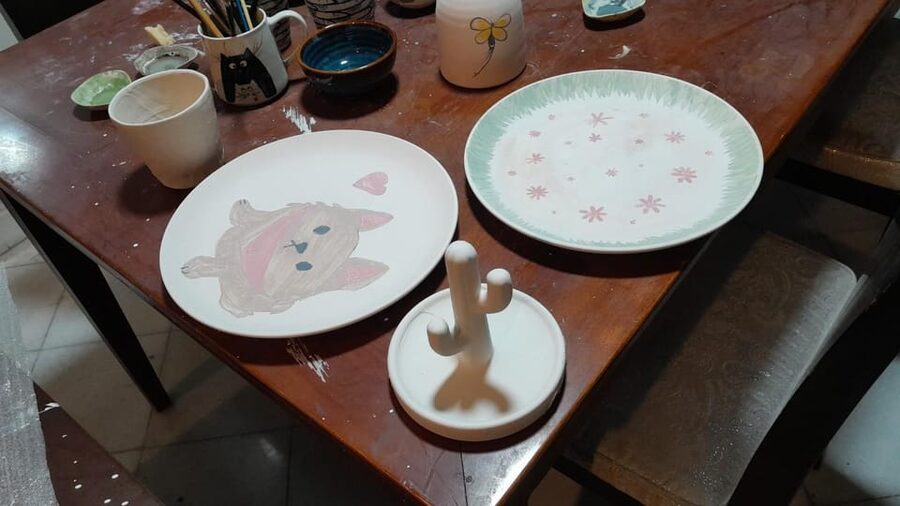
You’re allowed to mix colors to get the shades you want. That matters because many beginner ceramics look “one-tone”—pretty but simple. When you mix, you can create highlights, darker outlines, or a gentle background wash on plates and bowls.
Think in “motifs,” not realism
For ceramics, bold motifs usually read better than detailed portraits. Animal shapes are especially friendly for motifs—simple stripes, spots, or patterned wings can look great after firing. On cups and vases, repeating designs give a clean, finished rhythm.
If you’re undecided, start small. Paint one piece you’re confident in, then use the rest of your time to experiment.
The teaching style: helpful, but you still keep control
From what the workshop information and experience style suggest, the instruction is designed to keep you moving without taking over your artwork.
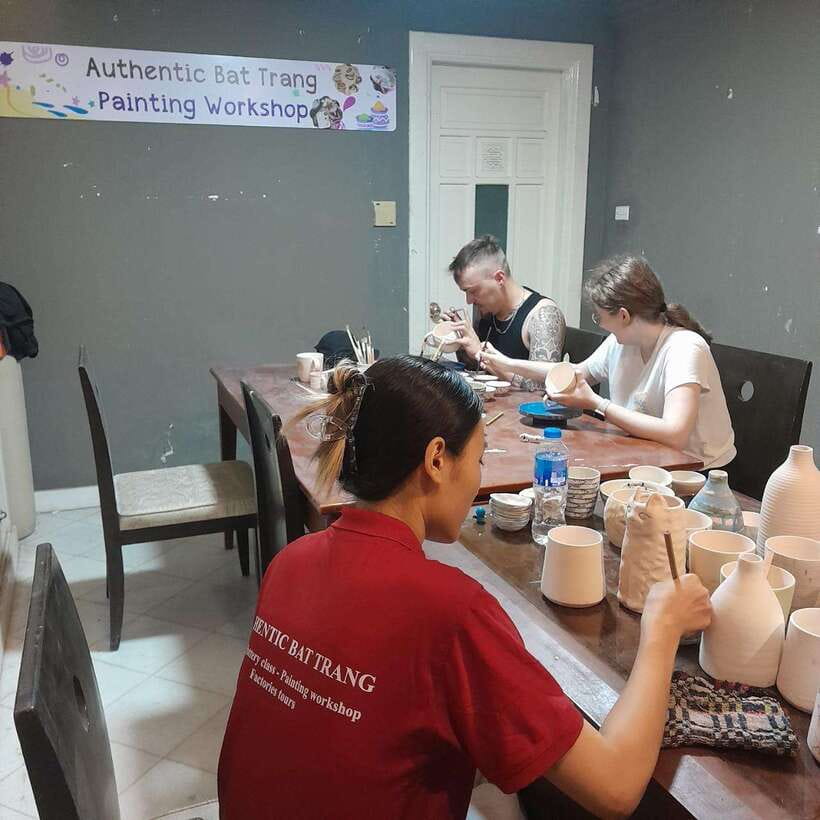
You’ll have an instructor available in English and Vietnamese, and the studio also draws on artisans from Bát Tràng ceramic village for the painting guidance. That blend is what you want: enough structure so you don’t feel lost, plus freedom so your final pieces don’t look like someone else’s.
And you’re not limited to one technique. You can go freestyle, or you can follow guidance. That balance is especially valuable for groups with mixed skill levels—someone can be confident and expressive while someone else relies on templates and still ends up with something they’re proud to carry home.
Who should book this Hanoi ceramic painting experience
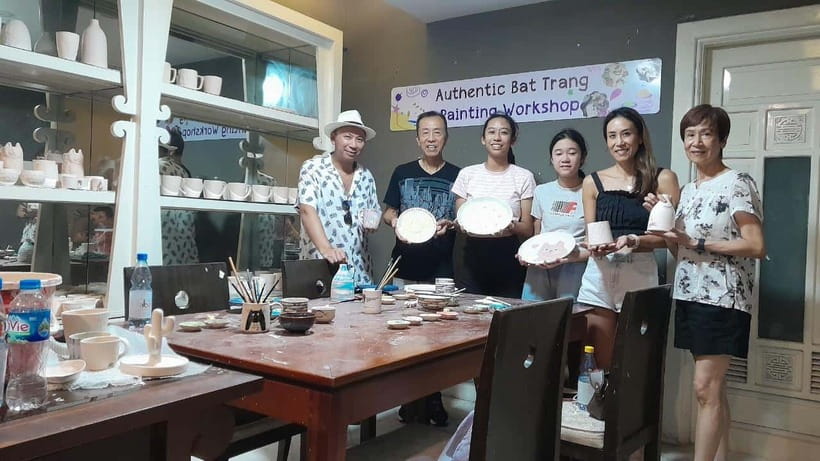
This session works for a lot of travelers because it’s not “art class for experts.” It’s designed to be approachable.
I’d especially recommend it if:
- you want a hands-on souvenir instead of another purchase
- you’re traveling with kids or teens and need an activity that keeps attention
- your group has mixed art comfort levels
- you enjoy making something personal, even if you’re not a confident drawer
- you’re staying in or near Hoàn Kiếm and want an activity that doesn’t require long travel
It’s also a good rainy-day option. The studio atmosphere is described as bright and airy, and that kind of indoor comfort makes the time feel easy rather than cramped.
Should you book Authentic Bát Tràng at 115 Hàng Gai?
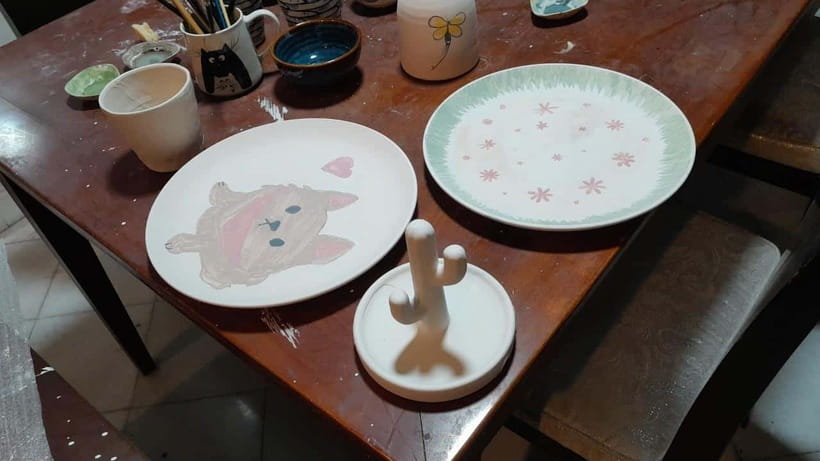
If you like the idea of bringing home something you made—painted by your hand, then kiln-fired into a real ceramic—yes, this is worth booking. The base price includes firing for one piece, and the materials are part of the package, so you’re not hunting for supplies or paying extra just to get started.
Book it sooner rather than later if your schedule is tight, because the firing turnaround is 1–2 days. If you’ll be in Hanoi only briefly, plan around that gap. And if your goal is to fire multiple pieces, go in knowing your total will rise with additional ceramics and extra kiln firing.
FAQ
How long is the ceramic painting experience?
The activity runs for 150 minutes.
Where is the workshop located?
It’s in Hanoi’s Old Quarter at 115 Hàng Gai.
What are the available time slots?
The workshop offers a morning slot from 8:30 AM to 11:30 AM and an afternoon slot from 2:00 PM to 5:00 PM.
What does the $28 per person price include?
It includes painting support (English-speaking instructor), ceramics to paint, painting colors and tools, glaze, and kiln firing for one finished piece.
Can I paint more than one ceramic item?
Yes. You can choose and paint as many ceramic pieces as you like during your session, and additional ceramics can cost extra.
How does kiln firing work?
Your kiln-firing process takes 1–2 days. One kiln-fired piece is included, and additional pieces can be fired for $5 each.
Is there help if I’m not artistic?
Yes. You can use provided templates for inspiration, and instructors guide you in English and Vietnamese.
Is the workshop wheelchair accessible?
The activity is listed as wheelchair accessible.
More Tour Reviews in Hanoi






More of the Old Quarter


Latest Hanoi write-ups from our team





Hanoi Old Quarter Tours, compared.
 ★ 5.0[HOT] Hanoi Old Quarter Walking Street Food – Small Group TourFrom $142,163 reviews
 ★ 5.0Private transfer between Hanoi Airport (HAN) and Hanoi Old QuarterFrom $18850 reviews
 ★ 5.0Hanoi Food Tours in Hanoi Old Quarter (Small Group/Private)From $28657 reviews
 ★ 5.0Hanoi Old Quarter Private Walking Tour with Student GuideFrom $5590 reviews
 ★ 5.0Hanoi Old Quarter Walking Street Food TourFrom $27423 reviews
 ★ 5.0Hanoi old quarter sightseeing & street food eating by MotorcycleFrom $55333 reviews
 ★ 5.0Private Street Food Tour – Walking Hanoi Old QuarterFrom $33294 reviews
 ★ 5.0Bat trang Pottery Class in Hanoi Old Quarter/Handmade experienceFrom $38247 reviews
Browse the lists this tour appears in